Loading SafariFind...
14:00
Check-out
11:00
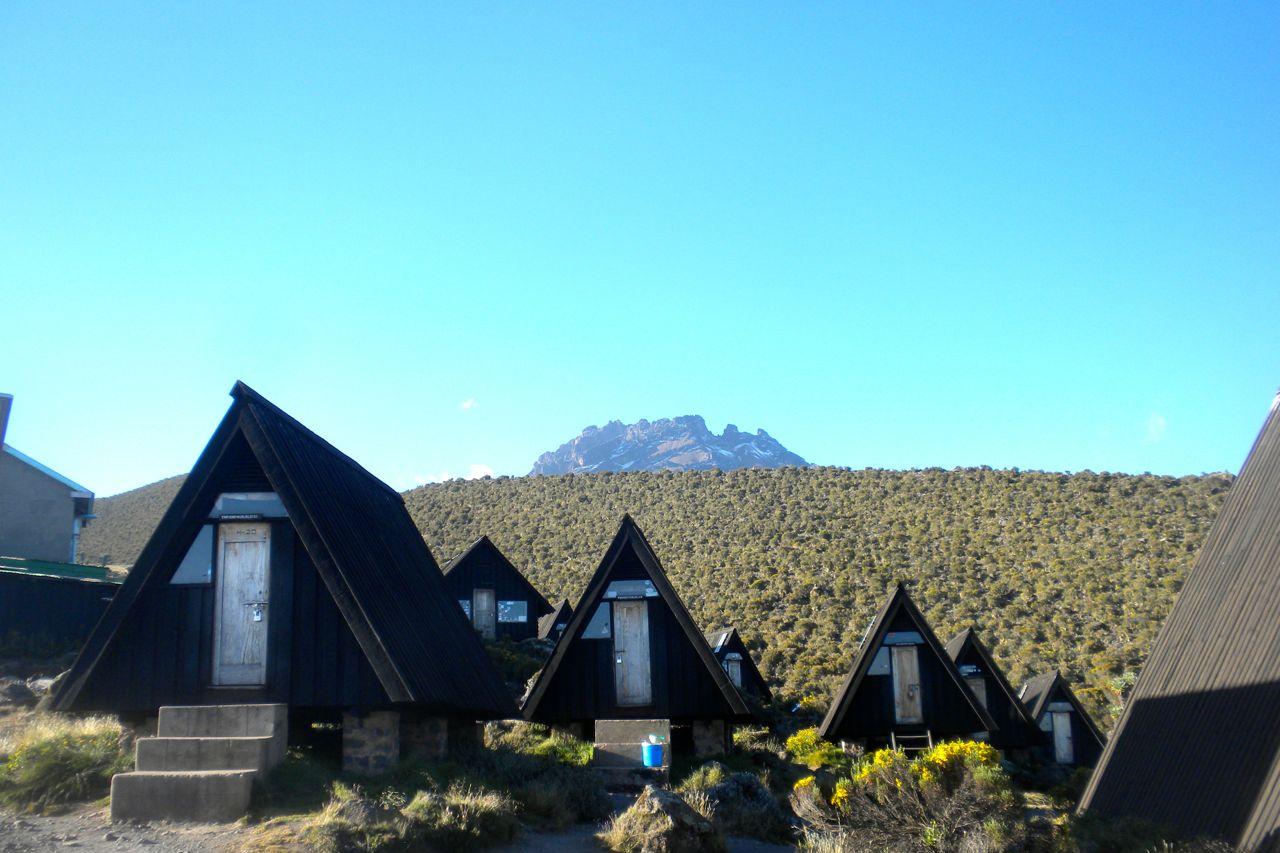
A-Frame Wooden Cabin (Dormitory)
Traditional wooden A-frame cabin accommodating 6–8 climbers in bunk bed configuration. Each bunk features a foam mattress only; no heating or private facilities. Shared communal sleeping quarters typical of Marangu Route huts. Damp conditions common due to high moorland precipitation.
Horombo Hut is a high-altitude mountain accommodation at 3,720 meters on Mount Kilimanjaro's Marangu Route, serving as the primary acclimatization camp before the summit attempt [1]. It is the largest hut on Kilimanjaro, accommodating approximately 120 climbers, and is critical for reducing altitude sickness risks because most trekkers spend an extra night here to allow their bodies to adjust to the high elevation [2].
Horombo Hut is reached exclusively via the Marangu Route. Climbers typically arrive on Day 3 of a standard 6-day expedition, after trekking 4–5 hours from Mandara Hut through the moorland zone [1]. To reach the Marangu Gate, fly into Kilimanjaro International Airport (JRO), then transfer 45 minutes to Moshi town, where licensed operators arrange final transfers to the park gate [1]. Transfer cost is typically $30–50 per person [1].
Horombo Hut features traditional A-frame wooden cabins with bunk beds accommodating 6–8 climbers per hut [2]. Rooms are dormitory-style and not self-contained; climbers share communal facilities including mess halls, water closets, and pit latrines [2]. Bunk beds have foam mattresses only, and the huts are unheated, making a quality sleeping bag essential for the cold alpine nights [2].
Horombo Hut provides communal mess halls, kitchen huts, ranger offices, water closets, pit latrines, running water (weather dependent), solar-powered lighting, and separate accommodation for guides and porters [2]. A permanent nearby stream provides one of the most reliable water sources on Kilimanjaro [2]. Limited mobile signal and occasional WiFi are available [2].
Horombo Hut is located in the moorland zone at 3,720 meters and experiences frequent precipitation and high humidity, resulting in damp ground and muddy paths [2]. Temperatures typically range from 0–10°C (32–50°F) at night, often dropping below freezing [2]. Clothes dry slowly or not at all, and wet conditions are common, making waterproof gear essential [2].
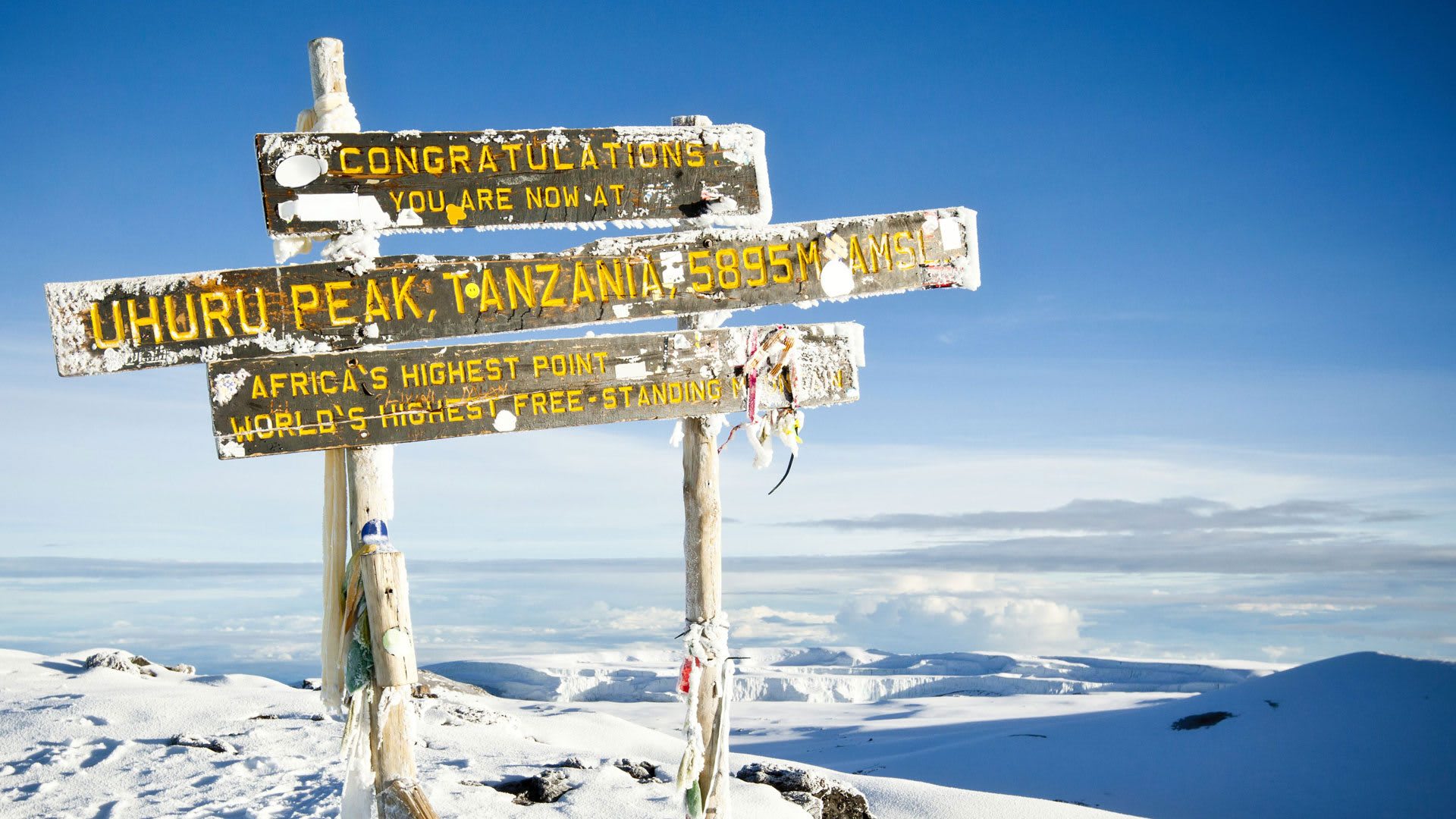
Most climbers spend an extra night at Horombo Hut for altitude acclimatization before the final 1,175-meter ascent to Uhuru Peak [1]. The extra rest day allows the body to adjust to the 3,720-meter elevation, significantly reducing the risk of acute mountain sickness (AMS) and improving summit success rates [2].
The best trekking seasons are June–October (dry season) and January–February (short dry season), when weather is most stable [1]. However, Horombo remains cold and damp year-round due to its moorland location. The rainy seasons (March–May and November–December) bring heavier precipitation and more challenging conditions [2].
While technically possible, Horombo Hut's basic dormitory accommodation and high-altitude conditions (3,720m) make it challenging for young children [2]. Children should be in good physical condition and accustomed to altitude. Most operators recommend the Marangu Route only for children aged 10 and above [1].
Essential gear includes: an insulated sleeping bag rated for sub-zero temperatures, waterproof jacket and pants, warm layers (fleece, thermal underwear), hat and gloves, sturdy hiking boots, water bottle, sunscreen, and sunglasses [2]. The hut provides basic shelter but no heating, so warm sleeping equipment is critical for comfort and health at this elevation [2].
Horombo Hut is not independently bookable; it is included as part of Marangu Route trekking packages offered by licensed safari operators [1]. Compare verified operators and rates on SafariFind.com to find the best package that includes Horombo Hut accommodation, meals, guides, and transfers from Kilimanjaro International Airport [1].
© 2026 SafariFind. All rights reserved.