What is Kibo Huts and why is it important for climbing Mount Kilimanjaro?
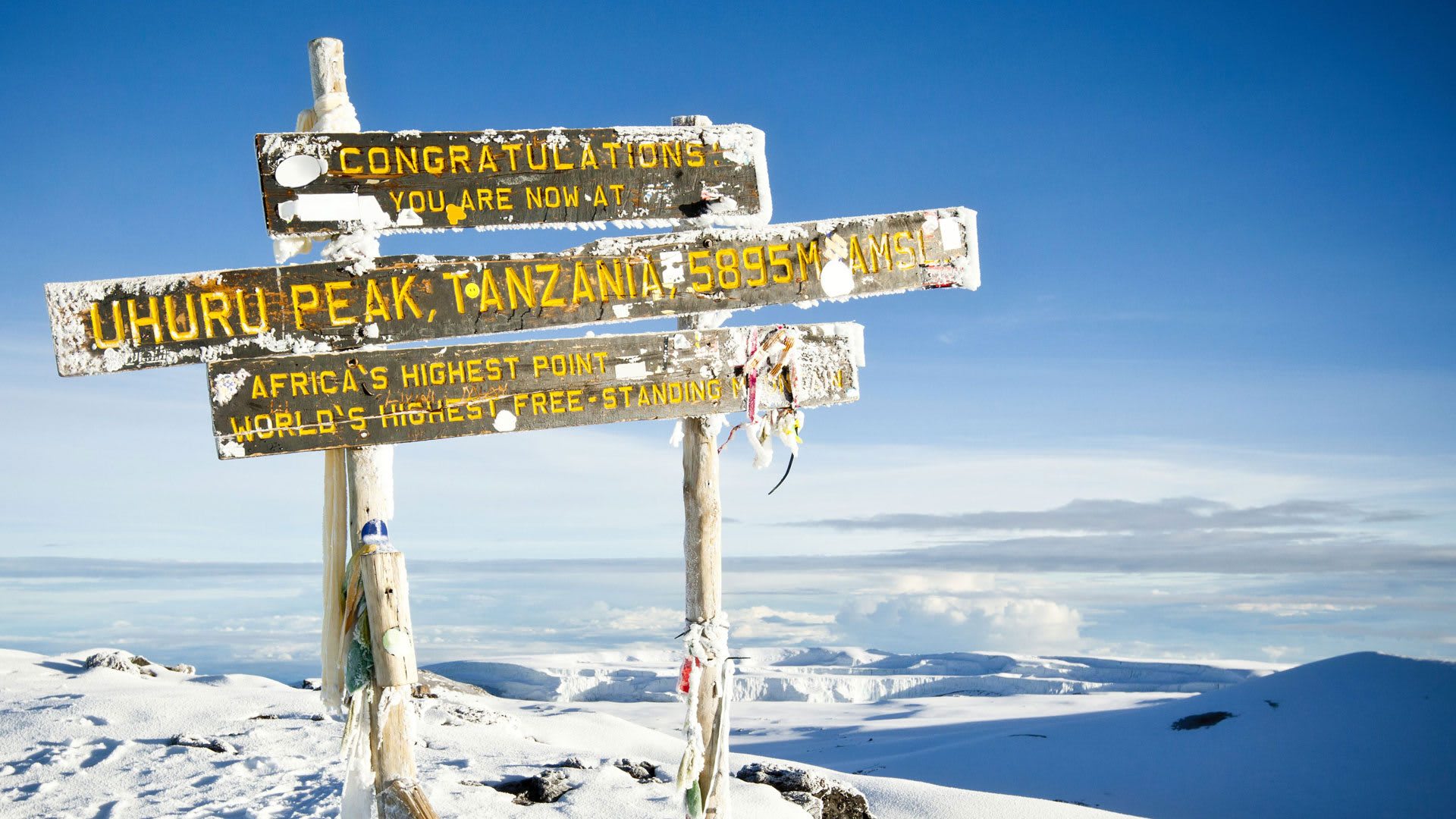
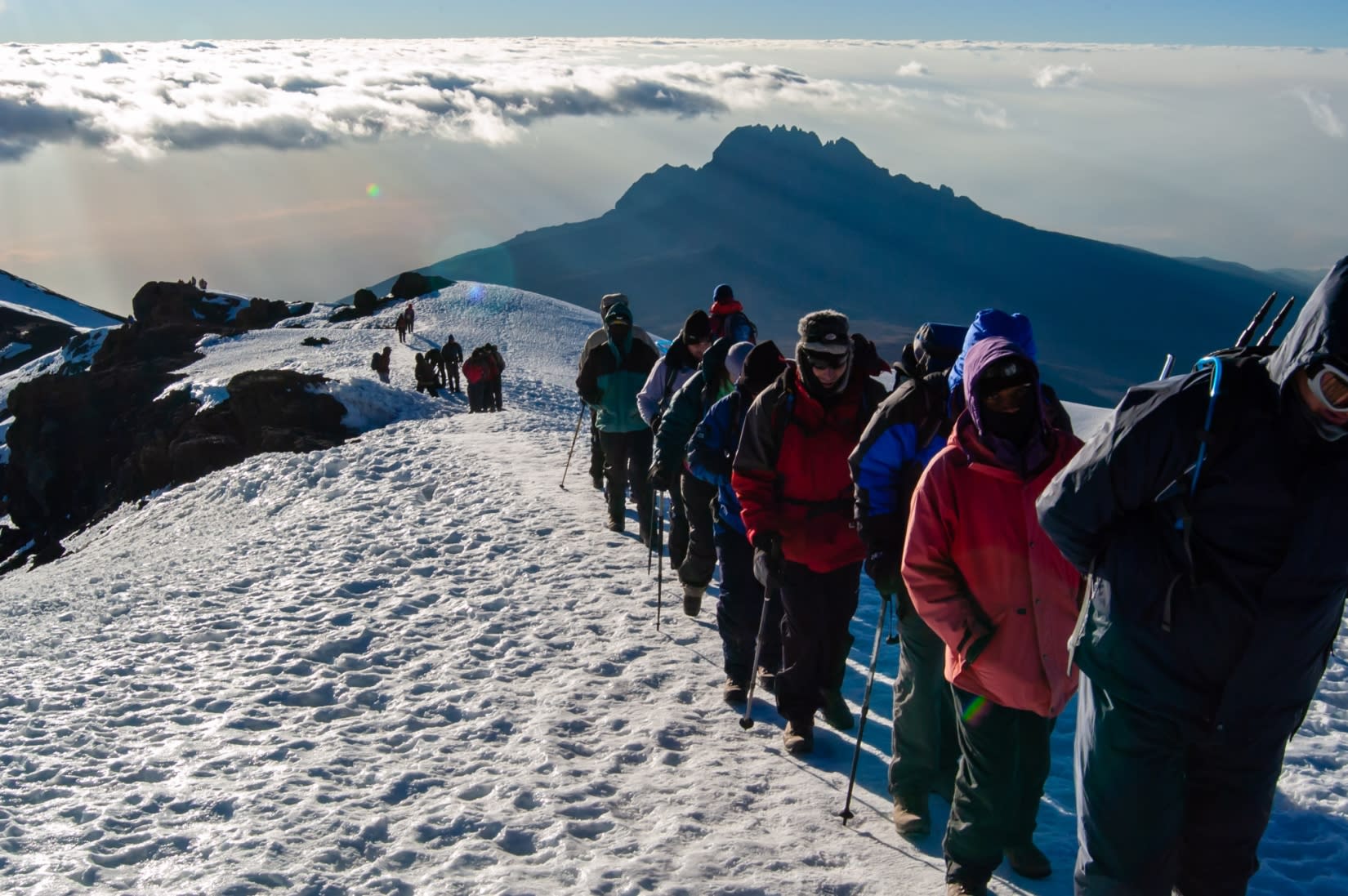
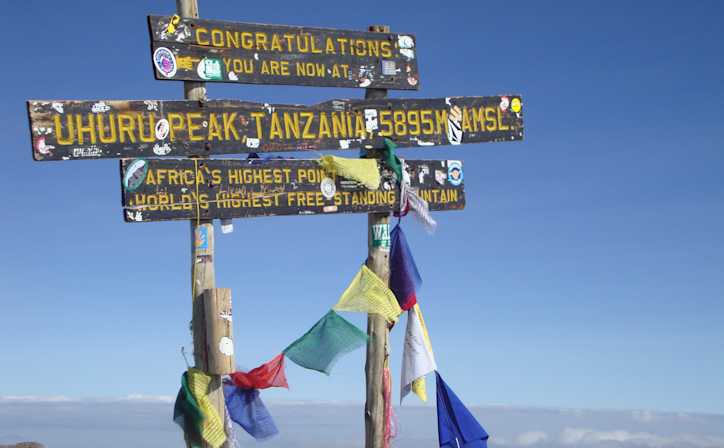
Kibo Huts is a high-altitude mountain refuge located at 15,100 meters on Mount Kilimanjaro's Marangu Route. It serves as the final staging camp before climbers attempt the summit push to Uhuru Peak at 5,895 meters. Kibo Huts is critical because it provides the last opportunity for proper acclimatization, rest, and medical monitoring before the physically demanding midnight-to-dawn summit attempt.
How do I reach Kibo Huts from Kilimanjaro's base?
Climbers reach Kibo Huts on day 4 of the 5-day Marangu Route trek. After driving 1-2 hours from Kilimanjaro International Airport to the Marangu Gate (1,860 meters), trekkers hike for 4 days through different elevation zones, arriving at Kibo Huts following a 5-7 hour climb from Horombo Huts (3,720 meters), covering approximately 14 kilometers of steep alpine terrain.
What should I expect for accommodation at Kibo Huts?
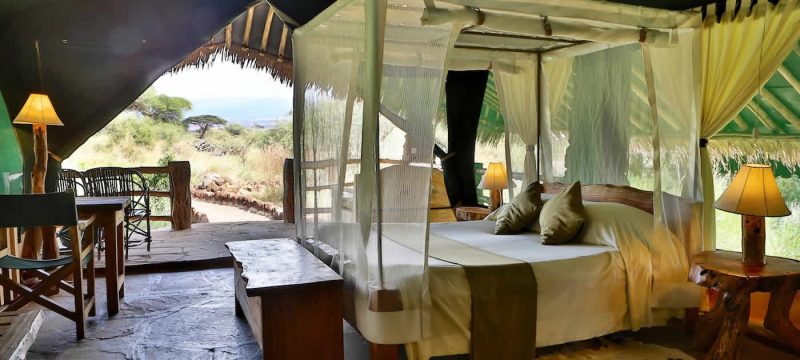
Kibo Huts provides dormitory-style bunk bed accommodation in heated mountain huts. You will share sleeping quarters with other climbers, typically with 4-8 bunks per hut. Amenities are basic but essential: blankets, pillows, mattresses, and heating systems to maintain warmth in sub-zero temperatures. Private rooms are not available at this extreme altitude facility.
What food and water are available at Kibo Huts?
Kibo Huts provides high-calorie meals essential for climbers at extreme altitude. Breakfast includes porridge, eggs, and toast. Lunch and dinner feature carbohydrate-rich foods like rice, beans, and potatoes. Hot beverages including tea, coffee, and hot chocolate are available throughout the day. Packed lunches are provided for summit day. Water is available but should be treated or boiled before drinking.
What are the temperature conditions at Kibo Huts?
Temperatures at Kibo Huts regularly drop to -15°C (5°F) or below, especially during nighttime hours. Wind chill makes conditions feel significantly colder. The facility provides heated huts and sleeping blankets, but climbers should bring proper cold-weather gear including thermal layers, insulated jackets, and sleeping bags rated for extreme cold. Proper acclimatization and rest at this elevation are critical for handling the cold and thin air.
Is medical support available at Kibo Huts?
Yes, Kibo Huts provides basic medical support and altitude sickness monitoring. Professional guides assess climbers for acute mountain sickness (AMS) and other altitude-related conditions. Emergency medical supplies are available at the facility. However, serious medical emergencies may require evacuation by helicopter, which is why proper acclimatization and physical fitness are essential before attempting the summit.
When is the best time to climb Mount Kilimanjaro and stay at Kibo Huts?
The optimal climbing seasons are June-October (dry season) and January-February (short dry season) when weather is most stable and summit success rates are highest. July-August represents peak season with full occupancy but more crowded conditions. December-March experiences afternoon snow and cloud cover. April-May is the wettest season. Weather at Kibo Huts elevation can change rapidly year-round, so climbers should be prepared for sub-zero temperatures and wind regardless of season.
What is the cost of staying at Kibo Huts and climbing Mount Kilimanjaro?
Kibo Huts accommodation is included in Marangu Route climbing packages, which typically cost $500-800 total for the 5-day climb. This includes all accommodation, meals, guide services, and park fees. Prices vary by operator and season. Climbers should book through authorized TANAPA operators to ensure safety standards and proper environmental practices. Compare verified operators and rates on SafariFind to find the best value for your climb.
Can families with children stay at Kibo Huts?
While technically children can attempt Kilimanjaro, climbing to Kibo Huts at 15,100 meters is extremely challenging for minors. Most operators recommend climbers be at least 10 years old and in excellent physical condition. Children face higher risks of altitude sickness and extreme cold exposure. Medical professionals typically recommend climbers be 16+ years old for safe summit attempts. Consult with your guide operator about your child's fitness level and acclimatization ability.
How do I book a Mount Kilimanjaro climb that includes Kibo Huts?
Book your Mount Kilimanjaro climb through verified safari operators authorized by TANAPA (Tanzania National Parks Authority). Compare rates, read verified reviews, and check operator certifications on SafariFind.com to find reputable climbing companies offering Marangu Route packages that include Kibo Huts accommodation. Ensure your operator provides experienced guides, proper safety protocols, and environmental stewardship standards for extreme-altitude climbing.
 10 days
 5 days
 5 days
 6 days
 6 days