 1 / 5
1 / 5Board
Full board
Check-in
Loading SafariFind...
1 / 5Board
Full board
Check-in
14:00
Check-out
11:00
Mandara Hut Dormitory
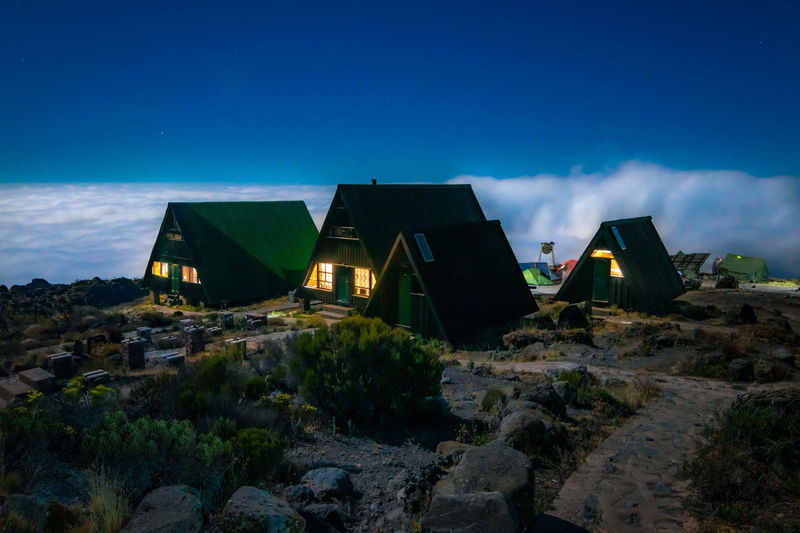
Small A-frame wooden hut accommodating 4-6 trekkers on bunk beds. Located at 2,700m in the rainforest zone. Features solar-powered lighting, mattresses, sheets, and pillows provided. Flush toilets and piped water available nearby. This is the first overnight stop after trekking from Marangu Gate.
Horombo Hut Dormitory
Larger dormitory-style hut accommodating 4-20 trekkers on bunk beds at 3,720m elevation. Located in the moorland zone with panoramic views of Mawenzi and Kibo peaks. Features solar-powered lighting, cold running water, and basic toilets. This is the primary acclimatization stop where most trekkers spend two nights (Days 3-4).
Kibo Hut Dormitory
Dormitory-style hut accommodating up to 20 trekkers on bunk beds at 4,703m—the highest hut on Kilimanjaro. Primitive facilities including long-drop toilets and limited water. Serves as the staging point for the midnight summit push to Uhuru Peak (5,895m), located 5-6 hours away. Extremely cold conditions (-10°C or below).
The Marangu Route is the only Kilimanjaro route that uses permanent wooden huts for accommodation instead of tents. It features three hut complexes (Mandara, Horombo, and Kibo) and is the only route offering a dedicated acclimatization day at Horombo Hut, which significantly improves summit success rates. It is also the oldest and most affordable route to summit Uhuru Peak.
The Marangu Route typically takes 5-7 days to complete. A 5-day itinerary ascends and descends without acclimatization stops, but a 6-7 day trek (recommended) includes an acclimatization day at Horombo Hut at 3,720m, which significantly improves your chances of reaching Uhuru Peak (5,895m) successfully.
Mountain huts on the Marangu Route feature bunk beds in shared dormitories. Mandara and Horombo Huts typically accommodate 4-20 people per room, while Kibo Hut sleeps up to 20. The park provides mattresses, sheets, and pillows, but you must bring your own sleeping bag. Private or single rooms are not available on this route—all trekkers share communal sleeping quarters with other climbers.
Mandara Hut (2,700m) offers the best facilities: flush toilets, piped running water, solar-powered lighting, and an indoor dining hall. Horombo Hut (3,720m) provides cold running water, basic toilets, solar lighting, and communal dining. Kibo Hut (4,703m) has primitive facilities including long-drop toilets and limited water. All huts provide hot meals and tea/coffee. None have Wi-Fi, electricity, or heating.
Marangu Route trek packages typically range from $1,999 to $2,500 per person for a 6-7 day trek, making it the most affordable Kilimanjaro route. This usually includes accommodation in huts, all meals, professional guides, park permits, and porter support. Prices vary by operator and season. Budget for additional costs like airport transfers, tips, and pre/post-trek accommodation in Moshi or Arusha.
The Marangu Route is suitable for families with children aged 10 and older who are physically fit and accustomed to hiking. The hut system provides more comfort and shelter than tent-based routes, which can be beneficial for younger trekkers. However, altitude sickness affects people of all ages, and children require the same acclimatization time as adults. Consult with your doctor and tour operator before booking with children under 12.
The best trekking seasons are June-October (long dry season) and January-February (short dry season), when skies are clear and trails are dry. These periods offer the best views of Mawenzi and Kibo peaks and the highest summit success rates. The Marangu Route's hut system makes rainy season (November-December, March-May) more manageable than tent-based routes, though conditions are muddy and fewer trekkers climb during these months.
Fly into Kilimanjaro International Airport (JRO), approximately 50km away (1-1.5 hours transfer). Your tour operator arranges ground transfer to Moshi or Arusha for overnight accommodation. The next morning, you are driven to Marangu Gate (1,830m), approximately 40km from Moshi (1.5-2 hours). Trekking begins after park registration at Marangu Gate, with the first hut (Mandara) reached after 4-5 hours.
Consult your doctor 4-6 weeks before departure. Recommended vaccinations for Tanzania include yellow fever, typhoid, and hepatitis A. Malaria prophylaxis is advised for lower elevations but not necessary above 2,000m where you'll spend most nights. Altitude sickness is the primary health concern—the Marangu Route's acclimatization day at Horombo Hut (3,720m) significantly reduces risk. Pack high-altitude medication (diamox) if recommended by your doctor. Ensure travel insurance covers mountain rescue and evacuation.
Book through a registered tour operator specializing in Kilimanjaro treks. Compare verified operators, read reviews, and check porter welfare standards on SafariFind.com to find the best rates and most reputable companies. Most operators require a deposit 4-8 weeks before your trek date. Ensure your package includes accommodation, meals, guides, permits, and park fees. Confirm what is excluded (typically airport transfers, tips, and pre/post-trek accommodation).
© 2026 SafariFind. All rights reserved.