Loading SafariFind...
14:00
Check-out
11:00
Summit Experience
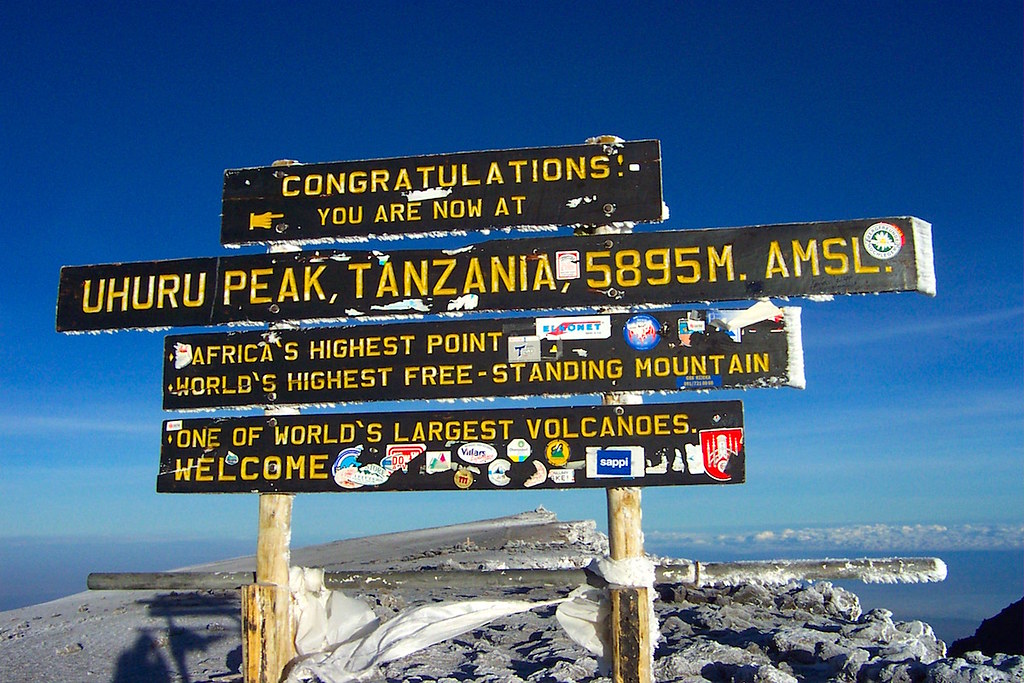
The Uhuru Peak summit experience is the culmination of a multi-day trek up Mount Kilimanjaro. Climbers reach the 5,895-meter summit at dawn after an overnight ascent from high camps. The experience includes approximately 30-45 minutes at the crater rim with panoramic views of Tanzania's landscape and surrounding volcanic features.
To reach Uhuru Peak, fly into Kilimanjaro International Airport (KIA), located 50 kilometers from Moshi town. From there, arrange a trek with a licensed operator departing from one of five park gates (Marangu, Machame, Lemosho, Rongai, or Umbwe). Trek duration ranges from 5-8 days depending on your chosen route. The final ascent to Uhuru Peak begins between 23:00 and 01:00 from high camps and takes 5-7 hours, reaching the summit at dawn.
The best time to climb Uhuru Peak is July-October during the dry season, when approximately 80-90% of climbers successfully summit. This period offers stable weather, minimal precipitation, and clear views. January-February (short dry season) is an excellent alternative with smaller crowds and comparable 75-80% summit success rates. Avoid April-May and November-December when heavy rains create hazardous conditions and reduce visibility.
Total costs to climb Uhuru Peak range from $800-3,500 USD depending on your trek duration, operator, and included services. Park entrance fees are $70 USD per person. Budget operators offer basic 5-day packages from $800-1,200; mid-range operators charge $1,500-2,200 for 6-7 day treks; premium operators with smaller groups and experienced guides cost $2,500-3,500 for 7-8 day itineraries. Additional costs include guides ($15-25/day), porters ($6-8/day), and optional services like acclimatization medications or rescue insurance.
Children aged 10 and older can technically climb Uhuru Peak, though the experience is physically and mentally demanding. Children under 16 show higher rates of altitude sickness due to developing physiology. Success depends on the child's fitness level, prior high-altitude experience, and psychological motivation. Most operators recommend children be at least 14-16 years old for optimal safety and enjoyment. Slower pacing routes (Lemosho, 7-8 days) provide better acclimatization for younger climbers. Medical clearance from a pediatrician is essential before attempting the trek.
The summit zone (above 4,700 meters) is too extreme for wildlife due to temperatures dropping to -20°C and minimal vegetation. However, lower elevation zones support diverse species. Between 2,700-3,700 meters (heath zone), you may spot rock hyraxes, lammergeiers (bearded eagles), and alpine birds. Below 2,700 meters, the montane forest supports buffalo, leopard, elephant, and over 140 bird species. Most wildlife viewing occurs during the approach trek before reaching high altitude camps.
Acute Mountain Sickness (AMS) affects approximately 50% of Kilimanjaro climbers and causes headache, nausea, fatigue, and dizziness. Prevention strategies include: choosing longer trek routes (7-8 days) for superior acclimatization, ascending no more than 300-500 meters per day above 2,500 meters elevation, consuming 3-4 liters of water daily, avoiding alcohol and sleeping medications, and considering prescription medications like Diamox (acetazolamide) after consulting your physician. Descent to lower elevation is the most effective treatment for severe AMS.
Yes, climbing Uhuru Peak requires substantial cardiovascular fitness. Recommended pre-trek training includes: 3-4 months of consistent aerobic exercise (running, cycling, swimming), weekly hill or stair training with weighted backpack (10-15 kg), and altitude simulation training if available. Most successful climbers train 4-5 days weekly for 8-12 weeks prior to their trek. While Kilimanjaro is a non-technical climb (no rock climbing skills required), the high altitude and sustained physical effort demand excellent cardiovascular conditioning.
Essential gear includes: layered clothing (temperatures range from 20°C at lower elevations to -20°C at summit), sturdy hiking boots, sleeping bag rated to -15°C, water bottles or hydration system (3-4 liter capacity), high-calorie snacks, sunscreen, hat, gloves, thermal underwear, and altitude sickness medication. Your operator typically provides tent and sleeping mat. Pack light—porters carry heavy items, but you should carry a day pack (8-12 liters) with water, snacks, camera, and personal items. Total luggage should not exceed 20 kilograms to prevent porter overloading.
Overall summit success rates for Kilimanjaro range from 65-85% depending on route and acclimatization strategy. The Marangu Route averages 65% success due to rapid ascent and insufficient acclimatization. The Lemosho Route achieves approximately 85% success because its 7-8 day itinerary provides superior altitude adaptation. Factors affecting success include: trek duration (longer routes have higher success), climber fitness, prior altitude experience, age (climbers under 20 or over 60 show slightly lower success), and descent willingness (some climbers descend before summiting due to AMS). Proper acclimatization is the single most important factor determining summit success.
Book your Uhuru Peak trek through SafariFind.com, which connects you with verified, licensed operators offering transparent pricing and authentic reviews. Compare operators across different routes (Marangu, Machame, Lemosho, Rongai, Umbwe), check their porter welfare certifications, read verified climber reviews, and confirm trek inclusions. Alternatively, book directly with TANAPA-licensed operators in Moshi town, though SafariFind provides transparent pricing comparison and protection. Booking 2-3 months in advance ensures availability, particularly during peak season (July-September). Confirm your operator's rescue insurance coverage and guide certifications before committing payment.
© 2026 SafariFind. All rights reserved.