Can You Make a Living Travel Blogging in 2026? An Honest Guide
Travel affiliate income can become a meaningful business, but quitting your 9–5 usually requires focused content, diversified revenue and enough savings to manage uneven months. Here is the realistic maths, strategy and a high-value niche opportunity for travel creators.

Can you make a living travel blogging in 2026? Yes, some creators do. But affiliate income is rarely a shortcut to replacing a salary. It is usually the result of publishing useful content consistently, earning the trust of a specific audience and improving the journey from search or social media discovery to a completed booking.
The honest answer is that most new travel blogs will not replace a full-time salary in their first few months. Search rankings take time, audiences grow unevenly and affiliate commissions are paid only when someone completes a qualifying purchase. A creator with 5,000 highly relevant monthly visitors may earn more than one with 50,000 casual followers if the smaller audience is actively planning and booking trips.
This guide explains how travel affiliate income works, what the numbers can look like, which content converts, and when it may be sensible to consider leaving employment. It also covers why African safari content is worth considering as part of a broader monetisation plan.
What does it mean to make a living travel blogging?
Making a living travel blogging means generating enough reliable, after-expense income from your travel platform to cover your personal and business costs. That income may come from affiliate commissions, advertising, sponsored content, digital products, freelance work, UGC, consulting or group trips.
Affiliate marketing is only one part of the picture. It works by placing a trackable link, booking tool or widget in content that helps readers make a decision. If a reader clicks through and completes a qualifying booking, the business pays you a commission or revenue share.
This model is attractive because one useful article can continue generating clicks long after publication. It is not passive in the strict sense, however. Articles need updates, links can change, search performance can fluctuate and readers expect accurate information about prices, entry requirements, safety and availability.
The realistic maths behind travel affiliate income
Before planning to quit your job, work backwards from your required monthly income. If you need $4,000 per month for personal expenses, you may need considerably more than $4,000 in business revenue after accounting for taxes, software, contractors, insurance, travel and payment fees.
A simple affiliate revenue formula
Use this basic calculation:
Monthly affiliate income = relevant visitors × click-through rate × booking conversion rate × average commission
Every variable matters. A page receiving 10,000 visitors is not automatically valuable if those visitors are reading general travel inspiration rather than comparing trips. Conversely, a well-targeted safari itinerary page may attract fewer visitors but a much higher proportion of people who are ready to request a quote or book.
- Traffic: How many people reach your content?
- Click-through rate: How many click an affiliate link or interact with a widget?
- Conversion rate: How many referred visitors complete a booking?
- Average commission: What do you earn per completed transaction?
For example, suppose a creator refers two safari bookings in a month and earns an average of $150 per booking. That produces $300 in affiliate revenue. The result is meaningful, but it is not yet a salary. To build dependable income, you need either more qualified referrals, more valuable bookings, additional revenue streams, or all three.
SafariFind offers a 30% revenue share on every safari booking referred by an approved partner. This is 30% of SafariFind's revenue on the booking, not 30% of the traveller's total booking price. As an illustration, a $3,000 safari may pay the creator around $150, depending on the revenue generated by SafariFind and the applicable programme terms. Actual earnings vary, and no booking or income level is guaranteed.
Why high-ticket travel can change the equation
Affiliate marketing is often easier to scale when the underlying product has a meaningful purchase value. A commission on a $20 travel accessory may be useful, but it takes many transactions to create a full-time income. African safaris are different: bookings often cost $1,000–$10,000 or more, depending on destination, duration, accommodation, season, transport and activities.
That does not mean every safari reader will convert. The booking cycle can be long, and travellers may compare operators, dates and destinations before committing. However, high-value trips give a focused creator more room to earn from a smaller number of well-qualified referrals.
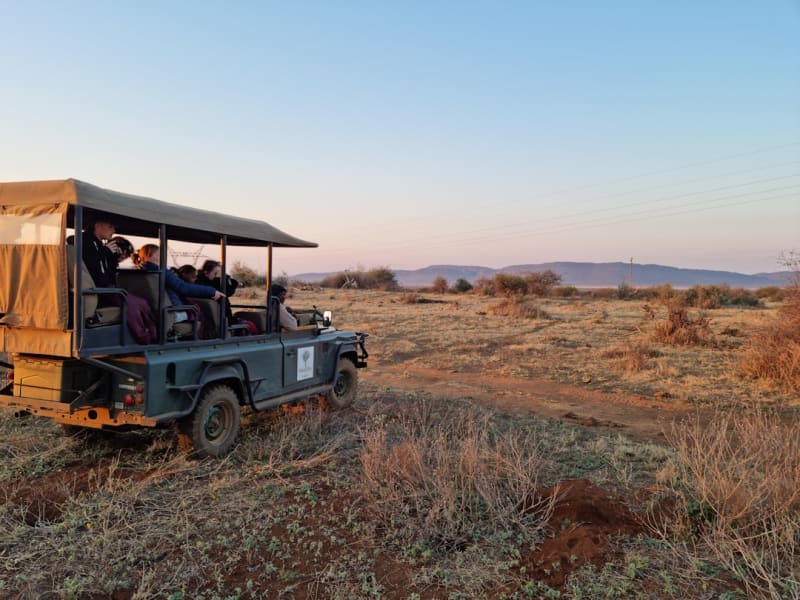
The niche is also underserved compared with broad topics such as budget flights, city breaks and generic packing lists. A creator who develops genuine expertise in Kenya, Tanzania, South Africa, Botswana, Namibia, Uganda or Rwanda can answer questions that large generalist sites often cover superficially.
Good safari content should not simply say that a destination is beautiful. It should explain trade-offs: dry-season versus green-season travel, family-friendly camps, accessibility, internal flights, park fees, malaria considerations, conservation practices, photographic conditions and realistic budgets.
Which travel content is most likely to earn affiliate income?
Not every article needs to sell something. Inspirational stories help build trust and brand identity, while practical commercial content tends to create more booking opportunities. A balanced editorial plan usually includes several types of content.
1. Decision-stage guides
These answer questions from travellers who are choosing between options. Examples include Kenya or Tanzania for a first safari?, Best safari parks for a family trip and How many days do you need in Botswana? Include clear comparisons, limitations and next steps rather than forcing one answer on every reader.
2. Itinerary and planning content
Itinerary articles attract people who are moving from research towards action. Explain how many nights to spend in each area, what transfers involve and what a realistic day looks like. Link to relevant booking or enquiry options where they genuinely help.
3. Budget and cost guides
Searchers often want to know whether a trip is financially realistic. Break down accommodation, transport, park fees, guides, flights and optional experiences. Use date stamps and explain that prices change. A transparent range is more credible than a precise figure that quickly becomes outdated.
4. First-hand reviews and field notes
Personal experience is particularly valuable in 2026, when readers can find generic summaries everywhere. Describe what you saw, what surprised you, what you would change and who the experience suits. If you have not personally used a service, say so and distinguish research from first-hand reporting.
5. Supporting short-form video
Video can show camp layouts, road conditions, wildlife etiquette and the practical details that static articles struggle to convey. Use short videos to introduce a topic, then direct viewers to a detailed guide or email resource. Do not rely on a single social platform: algorithms and account access can change, while your website and email list are assets you control more directly.
How to build an affiliate content system
A profitable blog is not just a collection of posts. It is a connected system that helps a traveller move from curiosity to confidence.
- Choose a defined audience. Decide whether you serve first-time safari travellers, solo women, families, photographers, luxury travellers, budget-conscious visitors or another specific group.
- Map the planning journey. List the questions readers ask before, during and after booking. Create introductory, comparison and decision-stage content.
- Create topic clusters. Connect destination guides, itineraries, packing advice, costs and responsible-travel resources with relevant internal links.
- Use clear calls to action. Tell readers what to do next: compare options, request information, check availability or read a related guide.
- Measure commercial performance. Track clicks, referred bookings, earnings per article and conversion rates, not just page views.
- Update your best content. Review high-traffic and high-earning pages regularly. Refresh outdated prices, links, seasons, transport details and availability notes.
Consistency matters, but publishing frequency should match your ability to research properly. One accurate, genuinely useful guide each month can be more valuable than four shallow articles. Add personal observations, original photographs, expert interviews and clear sourcing wherever possible.
Why the SafariFind Partner Program is worth considering
If African safari planning fits your audience, SafariFind is a relevant affiliate opportunity rather than a generic travel link added at the end of an article. The platform connects travellers with safari options, giving creators a way to monetise content that already helps readers plan a high-value trip.
The SafariFind Partner Program is free to join and welcomes travel content creators, influencers and affiliates. Approved partners receive trackable links, embeddable widgets that can be styled to fit a creator's website, real-time analytics and a low payout threshold. Approval is typically completed within 12 hours, although creators should still review the programme terms and promotional requirements before publishing.
Partners earn a 30% revenue share on every safari booking they refer. Again, this is a share of SafariFind's revenue on the booking, not a percentage of the booking price. The high-ticket nature of safari travel means a small number of relevant referrals can be more meaningful than a large volume of low-value clicks.
If your content covers African destinations, safari comparisons or wildlife travel, you can join the SafariFind Partner Program and test the tools alongside your existing editorial strategy.
When should you quit your 9–5?
Do not make the decision based on one unusually strong month. Travel income is seasonal, and a successful campaign, viral video or temporary search ranking can create a misleading impression of stability.
Consider leaving employment only after you have evidence that your business can support you. Sensible indicators include:
- Your average business income has covered your required personal expenses for at least six to twelve months.
- You have an emergency fund that accounts for income volatility, taxes and unexpected costs.
- No single affiliate programme, platform or brand supplies most of your revenue.
- You understand your monthly operating costs and have a plan for health insurance, retirement and tax payments.
- Your traffic, email list, bookings and earnings show a repeatable trend rather than one-off spikes.
- You have tested the workload and know how much publishing, promotion, reporting and administration are required.
A gradual transition is often safer. Reduce hours if possible, build a cash reserve, set a minimum income target and keep testing your revenue mix before resigning. The goal is not merely to replace a payslip for one month; it is to build a business that can withstand a quiet season or a change in search traffic.
Do not depend on affiliate income alone
Affiliate links can be an excellent foundation, but diversification reduces risk. Other realistic income streams for travel creators include display advertising once traffic qualifies, sponsored content, freelance writing, UGC production, photography, paid newsletters, digital itineraries, travel planning services and group trips.
Each stream has different requirements. Brand work may pay faster but depends on pitching and relationships. Digital products can have strong margins but require audience research, creation and customer support. Advertising is tied largely to traffic volume. Affiliate income can continue from evergreen content but depends on reader intent and partner conversion.
Build an email list early with a useful opt-in resource such as a safari planning checklist, destination comparison worksheet or seasonal packing guide. Email lets you follow up with people who are not ready to book on their first visit, while keeping your relationship less dependent on social media distribution.
Common mistakes that keep travel blogs unprofitable
- Choosing a niche only because it has high commissions: You still need enough knowledge and interest to create trustworthy content for years.
- Publishing for volume: Search engines and readers have little use for repetitive, generic articles.
- Adding links without context: A relevant recommendation inside a helpful explanation usually performs better than a page crowded with banners.
- Ignoring commercial intent: Inspirational content alone may generate attention but not enough booking action.
- Failing to disclose affiliate relationships: Be clear when you may earn from a referral, and never imply independent endorsement when a commercial relationship exists.
- Tracking only followers: Measure email subscribers, qualified clicks, enquiries, bookings and revenue per visitor.
- Quitting too early: A blog needs time to build authority, content depth and returning readers.
The most durable approach is helpful first, commercial second. Recommend a safari, product or service because it fits the traveller's needs, explain alternatives where appropriate and be honest about what you do not know. Trust is not separate from revenue; it is one of the reasons revenue is possible.
Final verdict: is making a living travel blogging realistic?
Yes, but it is better viewed as building a specialist media business than as earning easy money from a personal diary. You need a defined audience, useful search and video content, a way to capture repeat attention, several revenue streams and enough financial runway to handle uneven results.
For creators with an African travel audience, safari affiliate marketing deserves a place in that plan. The booking values are substantial, the subject has many specific planning questions and SafariFind provides links, widgets and analytics designed for partner referrals. If the fit is genuine, join the SafariFind Partner Program and begin with a small set of high-intent articles rather than adding links everywhere.
Ready to build the income?
Start with one audience, one destination cluster and one measurable offer. Publish the guide you wish you had before booking your own trip, update it as details change and review the results each month. A sustainable travel business is built through useful work repeated over time—not a promise of overnight freedom.
 Ask Tembo about this guide
Frequently Asked Questions
How much can travel creators earn with affiliate marketing?
There is no standard amount. Earnings depend on qualified traffic, click-through rate, booking conversion, product value and commission terms. A small audience planning expensive trips may outperform a much larger casual audience. Treat forecasts as scenarios, not guarantees.
Can I make a living travel blogging with affiliate income alone?
It is possible, but risky for most creators. Affiliate income can fluctuate with seasons, search rankings, partner policies and booking demand. A more resilient business usually combines affiliates with advertising, sponsorships, digital products, freelance services or UGC.
How long does it take to make money from a travel blog?
Some creators earn their first commission within months, while building a dependable income commonly takes much longer. Results depend on niche selection, publishing quality, existing audience, promotion and search visibility. Consistent updates and a focused topic can improve your chances.
Is safari affiliate marketing profitable for small travel creators?
It can be, especially when the audience has genuine interest in planning African safaris. Safari bookings often have high values, so creators may not need enormous traffic to generate meaningful referrals. However, high-value trips can have longer decision cycles and no income is guaranteed.
What does SafariFind pay travel affiliates?
The SafariFind Partner Program offers a 30% revenue share on every safari booking referred by an approved partner. This means 30% of SafariFind's revenue on the booking, not 30% of the traveller's booking price. For example, a $3,000 safari may pay the creator around $150, depending on SafariFind's revenue.
How do I join the SafariFind Partner Program?
Apply free through the SafariFind Partner Program sign-up page. The programme welcomes content creators, influencers and affiliates, and approval is typically completed within 12 hours. Approved partners can use trackable links, embeddable widgets and real-time analytics.
Do I need a large following to earn travel affiliate commissions?
No. Relevance and intent often matter more than follower count. A smaller audience that trusts your safari advice and is actively planning a trip may produce more bookings than a large audience that only watches inspirational content.
What should I do before quitting my 9–5 to travel blog?
Track income over at least six to twelve months, build an emergency fund, account for taxes and business expenses, diversify revenue and test whether your results are repeatable. Do not base the decision on a viral post or one unusually strong booking month.
Ready to start your safari adventure?
Explore curated safari packages and find your perfect African adventure with verified operators.