Complete Family Guide to Responsible Rhino Encounters in Kruger National Park Under $4000
A family rhino encounter in Kruger National Park offers incredible wildlife viewing while supporting conservation efforts. You can plan responsible rhino safaris for under $4000 by choosing guided tou

Family Rhino Safari in Kruger Under $4000
A family rhino encounter in Kruger National Park offers incredible wildlife viewing while supporting conservation efforts. You can plan responsible rhino safaris for under $4000 by choosing guided tours, staying in family-friendly lodges, and booking with verified operators on SafariFind that prioritize anti-poaching support and ethical wildlife practices.
Planning a family rhino safari in Kruger National Park doesn't require spending a fortune. You can experience unforgettable rhino encounters while keeping costs under $4000 and supporting conservation. Kruger National Park spans nearly 2 million hectares and hosts one of Africa's largest rhino populations. Families today want more than just wildlife viewing—they want to know their money helps protect endangered animals like rhinos.
This guide shows you how to plan responsible rhino encounters that work for your budget. You'll learn about family-friendly lodges, guided tour options, and how to choose operators committed to anti-poaching efforts. SafariFind connects you with verified tour operators who offer transparent pricing and authentic reviews from families like yours.
What Makes a Responsible Rhino Encounter?
Responsible rhino encounters mean viewing animals in their natural habitat without causing stress or harm. Guides keep safe distances, follow strict wildlife codes, and never chase or corner rhinos for photos. The experience respects the animal's wellbeing above all else.
Understanding Rhino Behavior and Safety
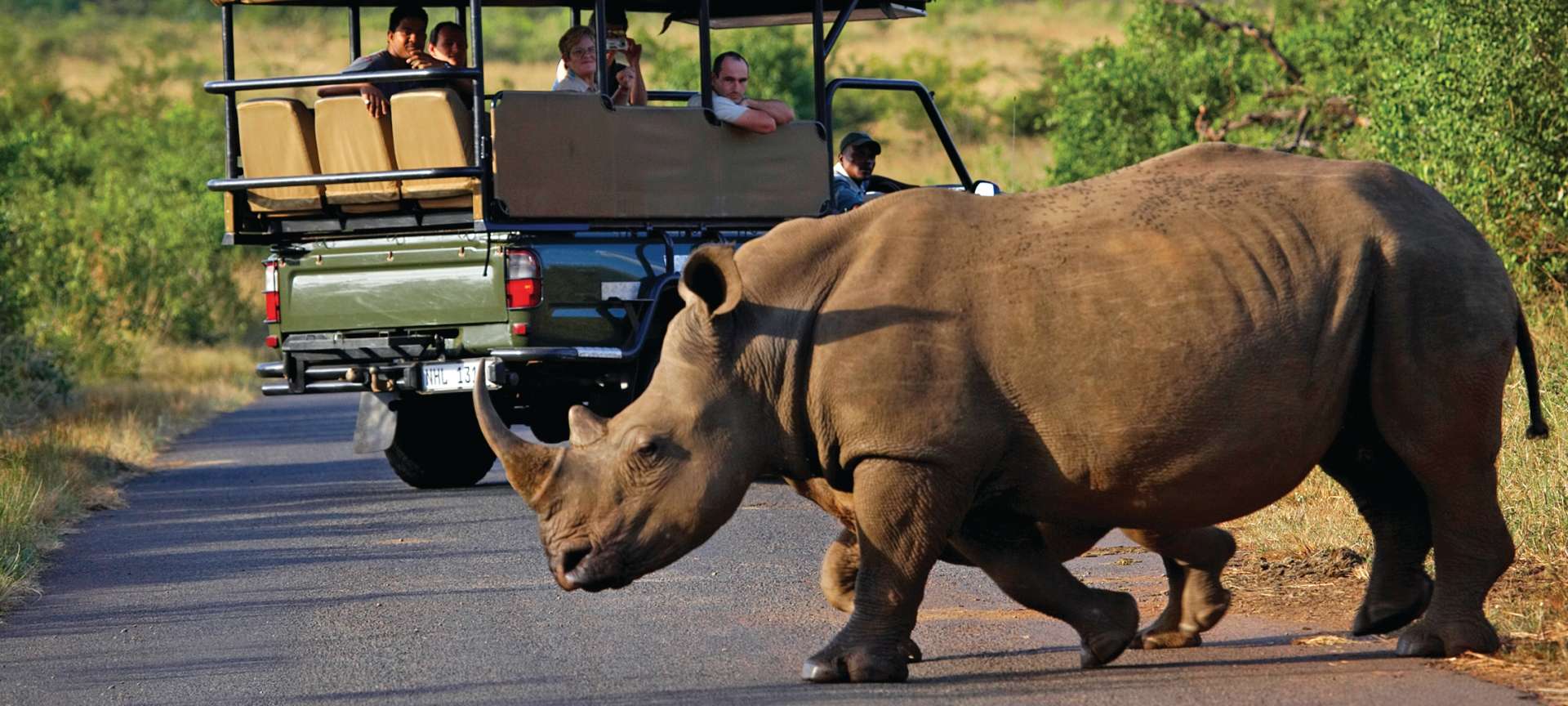
White rhinos and black rhinos behave differently in the wild. White rhinos are generally calmer and more tolerant of vehicles. Black rhinos are more aggressive and unpredictable. Professional guides understand these differences and position your vehicle accordingly. Your family stays safe while rhinos remain undisturbed in their natural routine.
Guides use binoculars and radio communication to locate rhinos without aggressive searching. They approach slowly and stop at recommended distances—usually 20-30 meters away. This method lets you observe natural behavior without triggering defensive reactions.
Supporting Conservation Through Your Visit
When you book with responsible operators, your money directly supports anti-poaching programs. Safari fees fund ranger patrols, technology like drones, and community education. For example, Intrepid Travel partners with the Black Mambas, an all-female anti-poaching squad that patrols Greater Kruger unarmed to protect rhinos and other wildlife.[5]
Many lodges and tour companies participate in conservation initiatives. Great Plains properties support environmental and humane projects, including anti-poaching programs and rescue operations for endangered species.[2] Your family safari becomes a direct investment in rhino survival.
Why Family Rhino Safaris Matter
Children who see rhinos in person develop lifelong conservation passion. Direct wildlife encounters create emotional connections that photos and documentaries cannot match. When kids understand that rhinos face extinction, they become advocates for protection.
Family safaris also support local communities. Tourism creates jobs for guides, lodge staff, and vehicle drivers. It gives people living near parks economic reasons to protect rather than exploit wildlife. This creates sustainable conservation where everyone benefits.
Planning Your Family Rhino Safari Budget Under $4000
Your $4000 budget covers accommodations, guided tours, meals, and transport within the park. You'll need to account for flights separately. Breaking down costs helps you make smart choices without sacrificing quality.
Accommodation Options That Fit Your Budget
Family-friendly lodges near Kruger offer various price points. Cheetah Plains, located in Sabi Sand Nature Reserve near Kruger, introduced a policy where children under 12 stay free with parents.[6] This policy makes luxury experiences more affordable for families.
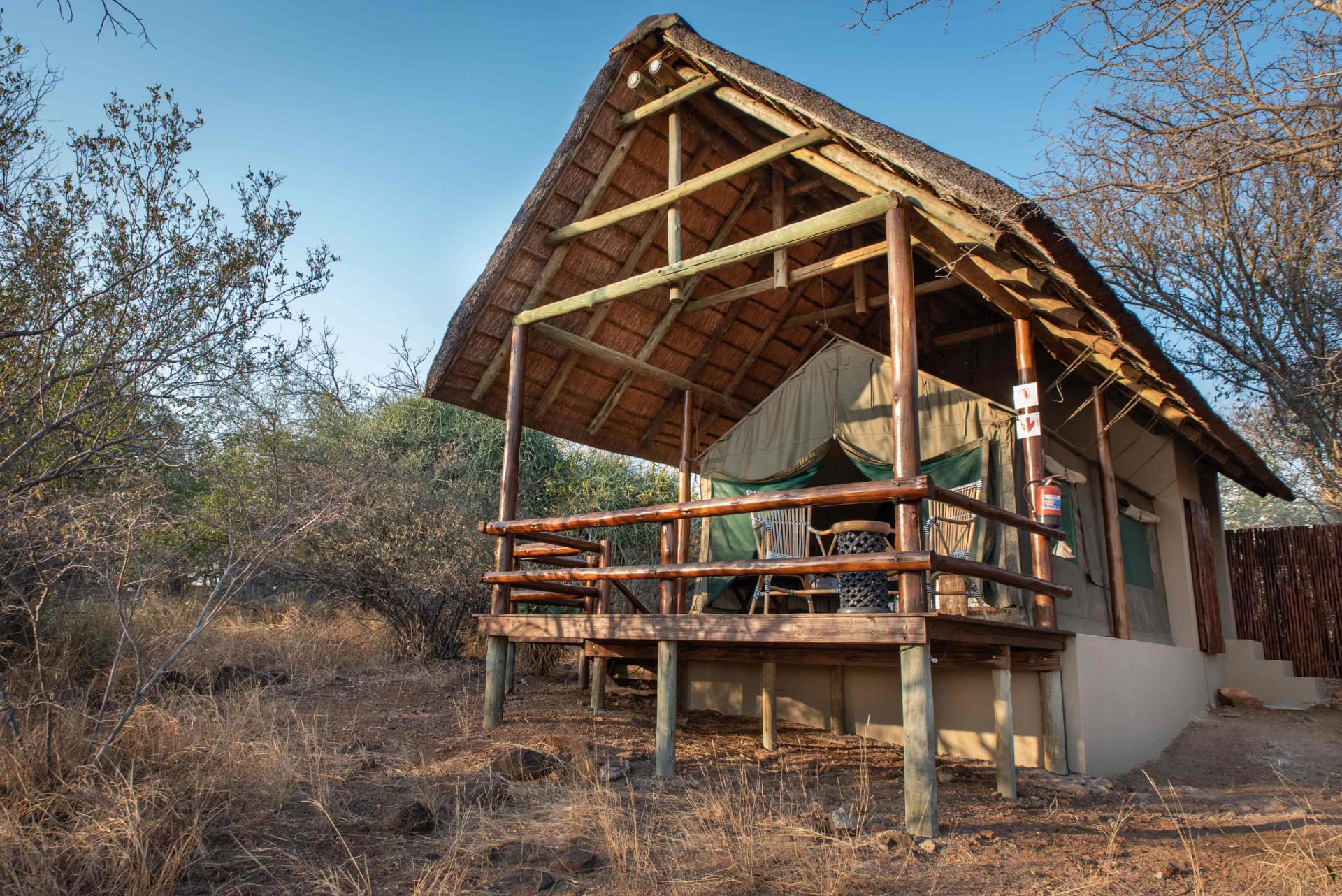
Mid-range tented camps cost $150-250 per night and include meals and game drives. Budget lodges run $80-150 per night with basic amenities. A 5-night stay at a mid-range lodge costs $750-1250. This leaves $2750-3250 for other expenses within your budget.
Club Med's Mpilo Safari Lodge offers family packages within an 18,000-hectare private game reserve.[3] The all-inclusive model covers meals, drinks, and multiple daily safari outings. Family rates make this accessible for groups planning 4-7 day stays.
Guided Safari Tours and Daily Activities
Most lodges include morning and afternoon game drives in accommodation packages. Early morning drives (5-6am starts) offer the best rhino sightings. Afternoon drives (3-5pm) provide different lighting and animal activity patterns.
A typical guided safari costs $50-100 per person per drive at budget operators. Family group rates reduce per-person costs. Three drives over a 5-day stay costs roughly $600-900 for a family of four. Premium guided walks with expert naturalists cost extra but teach children animal tracking and ecology.
Meals and Additional Expenses
Most lodges include breakfast and dinner in package prices. Lunches cost $15-30 per person at lodge restaurants. Budget $200-300 for extra meals and snacks during your stay.
Plan $300-500 for in-park transport if not included. Park entrance fees run about $20-30 per person daily. This totals roughly $400-600 for a family of four over 5 days. Your remaining budget covers souvenirs, tips, and unexpected costs.
How to Book Responsible Rhino Safari Packages
Finding verified operators ensures your family gets quality experiences while supporting genuine conservation. SafariFind lists operators with authentic reviews from real travelers. You can compare packages, prices, and conservation commitments before booking.
Choosing Verified Tour Operators
Look for operators with transparent anti-poaching partnerships. Read reviews mentioning conservation efforts and guide expertise. Verified operators on SafariFind display ratings, review counts, and traveler feedback about their practices.
Ask operators these questions before booking: How do you support anti-poaching efforts? What are your wildlife viewing guidelines? Do guides have conservation training? How many rhinos does your area protect? Honest operators answer confidently.
What Authentic Reviews Reveal
Real traveler reviews mention specific details about guides, wildlife sightings, and lodge quality. One reviewer shared: "Our wildlife encounters were incredible. During our safari drives, we were able to see lions, zebras, giraffes, elephants, rhinoceroses, hippopotamuses, and so much more. Our guide was knowledgeable and steered us to wildlife while providing information."[4]
Reviews mentioning anti-poaching efforts show operators' commitment. Families praise guides who explain conservation work during drives. Look for reviews discussing children's learning experiences and family-friendly amenities.
Comparing Packages on SafariFind
SafariFind lets you filter packages by budget, duration, and location. Compare what's included: meals, guides, park fees, transfers. Check if children receive discounts. Read multiple reviews to spot patterns about value and quality.
Request quotes from operators offering your preferred dates. SafariFind's verified operators respond within 24 hours. Compare quotes side-by-side to see which operator offers best value for your family's needs. Don't just pick the cheapest—consider guide quality and conservation involvement.
Best Practices for Ethical Rhino Encounters
Ethical safaris follow strict guidelines that protect rhinos while giving your family amazing experiences. Understanding these practices makes you a responsible wildlife tourist.
Following Wildlife Viewing Guidelines
Never request guides to chase or pursue rhinos. Stay in vehicles unless guides explicitly allow exits in safe areas. Keep voices low and avoid sudden movements. These simple rules prevent stressing animals and ensure your safety.
Guides should maintain minimum safe distances—typically 20-30 meters from rhinos. They never use flash photography or spotlight animals at night. They avoid approaching mothers with calves. These practices let rhinos behave naturally while you observe.
Supporting Anti-Poaching Teams
Many operators donate a portion of safari fees to anti-poaching programs. Some offer optional donations to ranger patrols and community education. Ask your operator about these opportunities. Your family can directly contribute to protecting the rhinos you see.
Some safaris include visits to anti-poaching team camps. You might meet rangers, see their equipment, and learn about their work. These experiences teach children about real conservation challenges and inspire future environmental careers.
Respecting Local Communities
Responsible tourism benefits people living near parks. Buy crafts from local artisans rather than mass-produced souvenirs. Eat at local restaurants when possible. Tip guides generously—their knowledge creates your unforgettable experience.
Ask guides about their backgrounds and families. Show genuine interest in local perspectives on conservation. This cultural exchange enriches your safari beyond wildlife viewing. Children learn that conservation requires partnership between tourists, locals, and governments.
Family-Friendly Activities Beyond Rhino Viewing
Great family safaris include diverse activities that keep children engaged and create lasting memories. Kruger offers experiences beyond traditional game drives.
Educational Safari Walks
Walking safaris teach tracking, ecology, and animal behavior in ways vehicles cannot. Expert guides identify plants, insects, and animal signs. Children learn to read landscape like rangers do. These walks typically last 2-3 hours and suit ages 8 and up.
Guided walks cost extra—usually $50-75 per person—but provide irreplaceable learning. Your family moves slowly, observes details, and develops genuine understanding of ecosystems. Many kids say walks were their safari highlight.
Sunset and Night Drives
Afternoon and night drives reveal different animals and behaviors. Nocturnal creatures like hyenas, porcupines, and owls emerge after sunset. Night drives use red lights that don't disturb animals. Children find the mystery and adventure thrilling.
Most lodges include sunset drives in packages. Night drives cost extra but offer unique experiences. Budget $30-50 per person for specialized night tours. Your family sees Kruger's complete ecosystem across different times.
Lodge-Based Activities
Quality lodges offer swimming pools, nature trails, and children's programs. Some have junior ranger activities teaching conservation. Evening campfire talks feature guides sharing wildlife stories. These activities entertain kids during rest periods and deepen learning.
Cheetah Plains and similar family-focused properties provide activities suitable for various ages. Check lodge amenities when booking to ensure your family stays engaged throughout your stay.
Timing Your Family Rhino Safari
Choosing the right season affects rhino sightings, weather, and costs. Understanding seasonal patterns helps you plan the best family experience.
Best Seasons for Rhino Viewing
Dry season (May-September) offers best rhino sightings. Animals gather at water sources, making them easier to locate. Vegetation is sparse, improving visibility. Temperatures are mild—perfect for families. However, prices peak during these months.
Green season (November-March) brings lush landscapes and fewer tourists. Rhino sightings decrease because animals disperse across available water. Heat and humidity challenge young children. Prices drop 20-40%, helping your budget. Consider green season if you have patient kids and flexible dates.
School Holiday Timing
Book during school holidays when available. July and December see peak tourism and higher prices. Consider shoulder seasons like April-May or September-October for better rates and moderate crowds. These times offer good rhino sightings at lower costs.
Planning Around Weather
May-August offers cool, dry weather ideal for families. September-October gets hot but remains dry. November brings occasional rain. December-January combines heat and humidity. February-March brings heavy rains that improve wildlife viewing but challenge travel.
Plan family safaris during comfortable weather windows. Cool, dry conditions mean happier kids and better experiences. This typically means May through September, though costs are higher.
Making Your Rhino Encounter Educational
Transform your safari into a learning adventure that inspires children about wildlife and conservation. Preparation and engagement create deeper understanding.
Pre-Safari Research with Your Family
Before arriving, watch documentaries about Kruger's rhinos. Read age-appropriate books about African wildlife. Discuss why rhinos face extinction and what people do to protect them. This preparation makes actual encounters more meaningful.
Create a family wildlife journal. Have kids sketch animals, write observations, and record guide explanations. This active engagement deepens learning. Children remember experiences they document personally far better than passive viewing.
Learning from Expert Guides
Professional guides offer knowledge beyond what books teach. Ask them questions during drives. Request explanations of animal behavior, ecology, and conservation challenges. Quality guides love sharing expertise with curious families.
Encourage kids to ask guides questions too. "Why do rhinos charge?" "How do rangers track poachers?" "What do baby rhinos eat?" Children learn better through conversation than lectures. Guides appreciate engaged young people and often spend extra time with interested families.
Conservation Conversations
Discuss conservation efforts you observe. Talk about how tourism funds protection. Explain why seeing wild rhinos matters more than zoo visits. Help kids understand their role in global conservation.
Some families set conservation goals after safaris. Maybe your kids commit to reducing plastic use, supporting wildlife organizations, or educating friends. Safari experiences inspire action. Channel that inspiration into meaningful family commitments.
Key Takeaways
Book family rhino safaris under $4000 by choosing mid-range lodges with children's discounts and researching verified operators on SafariFind that publish transparent pricing and real traveler reviews.
Support anti-poaching efforts directly by selecting operators who donate safari fees to ranger programs and offer optional conservation contributions that protect the rhinos your family encounters.
Follow ethical wildlife guidelines by maintaining safe distances, avoiding vehicle chases, and keeping movements quiet—practices that protect rhinos while ensuring your family's safety during encounters.
Enhance your safari experience by combining game drives with walking safaris, night drives, and lodge-based educational activities that engage children and deepen wildlife learning.
Time your family safari during May-September for optimal rhino sightings, or choose shoulder seasons like April-May for better budget rates while still enjoying good wildlife viewing opportunities.
Frequently Asked Questions
What's the best age for children to go on a rhino safari?
Children ages 6 and up typically enjoy safaris. Younger kids struggle with early wake times and long drives. Confirm age policies with your chosen operator—some require minimum ages of 8-10 for certain activities. SafariFind's verified operators clearly state family policies in package descriptions.
Are rhino encounters dangerous for families?
Rhino encounters are safe when following guide instructions and maintaining proper distances. Guides are trained in wildlife safety and positioning vehicles appropriately. Rhinos rarely attack vehicles. Your family stays safer on a guided safari than many everyday activities. Professional operators prioritize safety above all else.
Can I guarantee seeing rhinos during my safari?
No operator can guarantee rhino sightings—they're wild animals. However, Kruger's large population and experienced guides make sightings likely. Most families see rhinos within 3-5 days. If you don't see them, quality operators offer extended drives or discounts. Read reviews mentioning actual sighting success rates.
How do I verify an operator supports real conservation?
Check their website for specific anti-poaching partnerships and funding amounts. Read reviews mentioning conservation efforts. Ask operators directly about their conservation programs. SafariFind's verified operators provide transparent information about how they support protection efforts and which organizations they partner with.
What should I pack for a family rhino safari?
Pack binoculars, sunscreen, hats, comfortable walking shoes, neutral-colored clothing, and a camera. Bring medications and first aid supplies. Include books and games for rest periods. Wear layers—mornings are cool, afternoons are hot. Most lodges provide basic amenities, but bring personal preferences. Check operator packing lists for specific requirements.
Is a family rhino safari worth the cost?
Yes, if you choose the right operator. Safaris create irreplaceable family memories and inspire conservation passion. Your money funds rhino protection. Educational experiences teach children about ecosystems and endangered species. Quality safaris under $4000 offer exceptional value. Read authentic reviews on SafariFind to confirm worthiness for your family.
Conclusion
A family rhino safari in Kruger National Park under $4000 is achievable and deeply rewarding. You can combine budget-conscious choices with genuine conservation support. The key is selecting verified operators committed to ethical wildlife viewing and anti-poaching efforts.
Your family will experience unforgettable rhino encounters while directly funding protection for endangered animals. Children will develop lifelong appreciation for wildlife and conservation. Memories of seeing rhinos in their natural habitat inspire environmental stewardship that lasts decades.
Start planning your safari today. Browse family-friendly packages on SafariFind and request quotes from verified operators. Read authentic reviews from families who've taken similar trips. Compare operators based on conservation commitment, guide expertise, and value. SafariFind makes it easy to find the perfect rhino safari that fits your budget and values. Your family's adventure awaits in Kruger National Park.
Plan Your Safari with SafariFind
These recommendations use real data from SafariFind, where you can compare operators, browse packages, and read verified traveler reviews before you book.
Recommended Safari Packages from SafariFind
References
In Zimbabwe, Rhinos Are the Focus of a Village Tourism Project - The New York Times
7 Best African Safaris for Unforgettable Wildlife Trips - Forbes
Club Med Debuts Its First All-Inclusive Beach & Safari Resort in South Africa - Hospitality Net
We spent $400 a night at a luxury lodge in South Africa - Business Insider
A safari as much about the people as the animals - Inner East Review
Kids can stay free at South Africa safari lodge Cheetah Plains - Travel Weekly
Related to
Ready to start your safari adventure?
Explore curated safari packages and find your perfect African adventure with verified operators.