Complete Solo Traveler's Guide to Tanzania Safari in 2026: Safety, Best Lodges, and Hidden Gems
A solo Tanzania safari in 2026 offers safe, affordable adventures with world-class lodges and hidden gems. From Serengeti wildlife to luxury camps, solo travelers can explore East Africa's most stunni

Solo Tanzania Safari 2026: Safety & Hidden Gems
A solo Tanzania safari in 2026 offers safe, affordable adventures with world-class lodges and hidden gems. From Serengeti wildlife to luxury camps, solo travelers can explore East Africa's most stunning destinations with confidence and expert guidance from verified tour operators on SafariFind.
What Makes Tanzania Perfect for Solo Travelers in 2026?
Tanzania has become a top destination for solo travelers seeking adventure without compromising on safety or comfort. The country welcomes independent explorers with open arms, offering diverse landscapes, incredible wildlife, and accommodations tailored to solo adventurers.
Your travel choices matter more than ever. "Our travel choices can make a huge difference in helping to save Africa's landscapes and protect endangered wildlife," said Kaddu Sebunya, chief executive of the African Wildlife Foundation, an international conservation organization based in Nairobi [1]. This means your solo safari supports conservation efforts while you explore.
Tanzania's safari infrastructure has evolved dramatically. Modern lodges now cater specifically to solo travelers, offering shared experiences and community dining. Safety standards have improved across the board. Tourist areas receive regular patrols and oversight.
The best time to visit is June through October. This is the dry season when wildlife congregates around water sources. You'll see massive herds and predators in action. December also brings excellent viewing opportunities with fewer crowds than peak season.
Solo safaris cost less than group tours. You control your schedule and itinerary. You make friends with other travelers at lodges. Many solo visitors return year after year.
Is Tanzania Safe for Solo Travelers?
Safety is the first question solo travelers ask, and Tanzania delivers reassuring answers. The country has established itself as one of Africa's safest destinations for independent explorers.
Tourist Areas and Security Measures
Major safari regions like the Serengeti, Ngorongoro Crater, and Tarangire have robust security infrastructure. Local authorities actively patrol these areas. Lodge staff receive extensive safety training. Your guide will be experienced and knowledgeable about local conditions.
Urban areas like Arusha and Dar es Salaam require standard urban precautions. Avoid walking alone late at night. Use registered taxis or ride-sharing apps. Keep valuables secure. These are basic travel safety practices, not unique to Tanzania.
Solo Travel Advantages
Solo travelers often feel safer than expected. You're never truly alone on a safari. Professional guides accompany you on every game drive. Lodge staff watches out for guests. Other travelers become friends and companions.
Many lodges offer solo traveler discounts. This reduces your costs while building community. Shared accommodations mean you meet other adventurers. Group dinners create instant friendships.
Tanzania's tourism industry depends on visitors feeling safe. Tour operators maintain high standards. Lodges employ experienced staff. Your safety directly impacts their reputation and business.
Best Lodges for Solo Travelers in Tanzania
Tanzania's lodge options range from budget-friendly to ultra-luxury. Solo travelers can find perfect fits at every price point. Each lodge offers unique experiences and community atmospheres.
Luxury Lodges with Sustainability Focus
Lemala Camps & Lodges stands out for its commitment to sustainability and luxury [3]. The company is unveiling its 2026 "Untold Stories" collection, representing a radical transformation in East Africa's luxury safari landscape. These properties combine high-end amenities with conservation efforts.
Singita recently debuted a new luxury villa in Tanzania's Serengeti [6]. This property offers panoramic views and prime wildlife viewing opportunities. The villa provides intimate experiences in one of Africa's most iconic ecosystems.
Lemala is preparing the Lodge Lemala Osonjoi in the Ngorongoro Crater [3]. This upcoming property will offer exclusive access to one of the world's most remarkable natural wonders. The lodge emphasizes sustainable tourism practices.
Mid-Range and Affordable Options
TAASA Lodge offers excellent value for budget-conscious solo travelers. During high season (June through October and late December), a night in a shared tent costs $985 per person [5]. This price includes three meals daily, house beverages, laundry services, and game drives.
TAASA provides affordable safari perks with strong connections to nature [5]. The lodge attracts solo travelers seeking community experiences without premium prices. Shared accommodations create natural opportunities for friendships.
Many mid-range lodges offer solo discounts of 20-30% compared to double occupancy rates. This makes Tanzania more affordable than you might expect. You get professional service without excessive costs.
Unique Tented Camp Experiences
ENVI Lodges operates an exclusive tented camp in the Serengeti featuring luxury amenities and adventure focus. These camps blend comfort with authentic safari immersion. You sleep under stars while enjoying modern conveniences.
Tented camps appeal to solo travelers seeking both comfort and adventure. Staff provides security around camps. You experience nature while maintaining safety. Many solo travelers find tented camps more memorable than traditional lodges.
Hidden Gems and Off-the-Beaten-Path Destinations
Beyond famous parks, Tanzania holds remarkable hidden gems. Solo travelers with flexible schedules should explore these lesser-known locations. You'll encounter fewer tourists and more authentic experiences.
Ngorongoro Crater and Surrounding Areas
The Ngorongoro Crater is one of the world's most spectacular natural wonders. Unlike Serengeti, the crater sees fewer daily visitors. You'll experience incredible wildlife viewing with more solitude. The crater floor hosts lions, elephants, and countless other species.
Upcoming Lemala properties will offer exclusive crater access [3]. These new lodges will provide prime positioning for sunrise and sunset game drives. The crater's unique ecosystem differs from typical African safaris.
Tarangire National Park
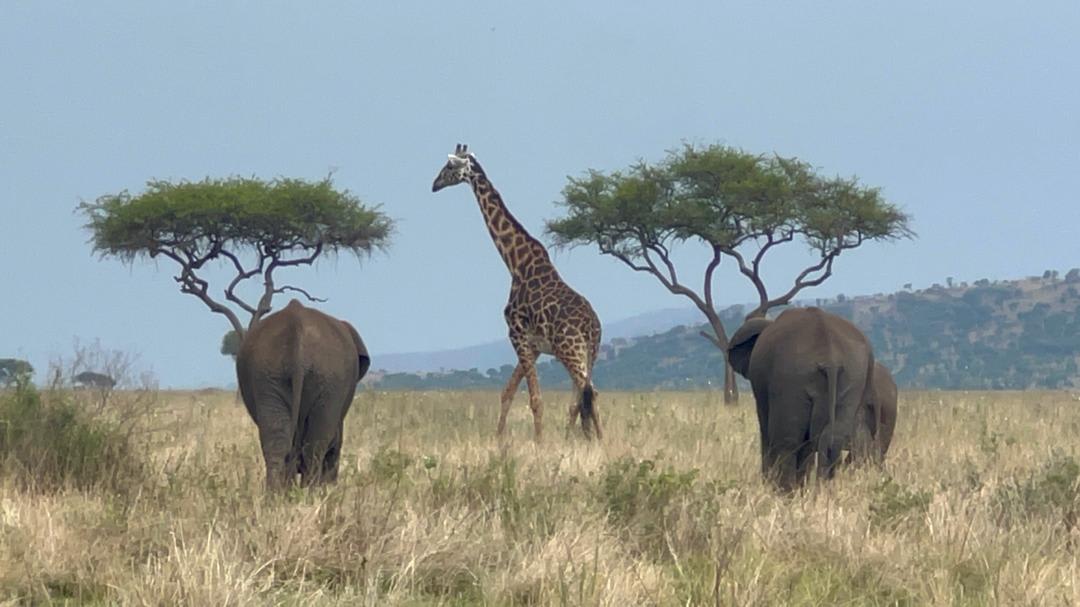
Tarangire sits south of the main safari circuit. Fewer tourists visit compared to Serengeti. The park features massive elephant herds and diverse wildlife. Tarangire offers excellent bird watching opportunities. Solo travelers can enjoy game drives with minimal crowds.
The park's river system concentrates wildlife during dry season. Your guide can position you for optimal viewing. Photography opportunities abound, especially for sunrise and sunset shots.
Lake Natron and Northern Regions
Lake Natron remains largely undiscovered by mainstream tourism. The soda lake creates otherworldly landscapes. Flamingos gather in massive numbers during certain seasons. The drive to Lake Natron takes you through remote villages and untouched landscapes.
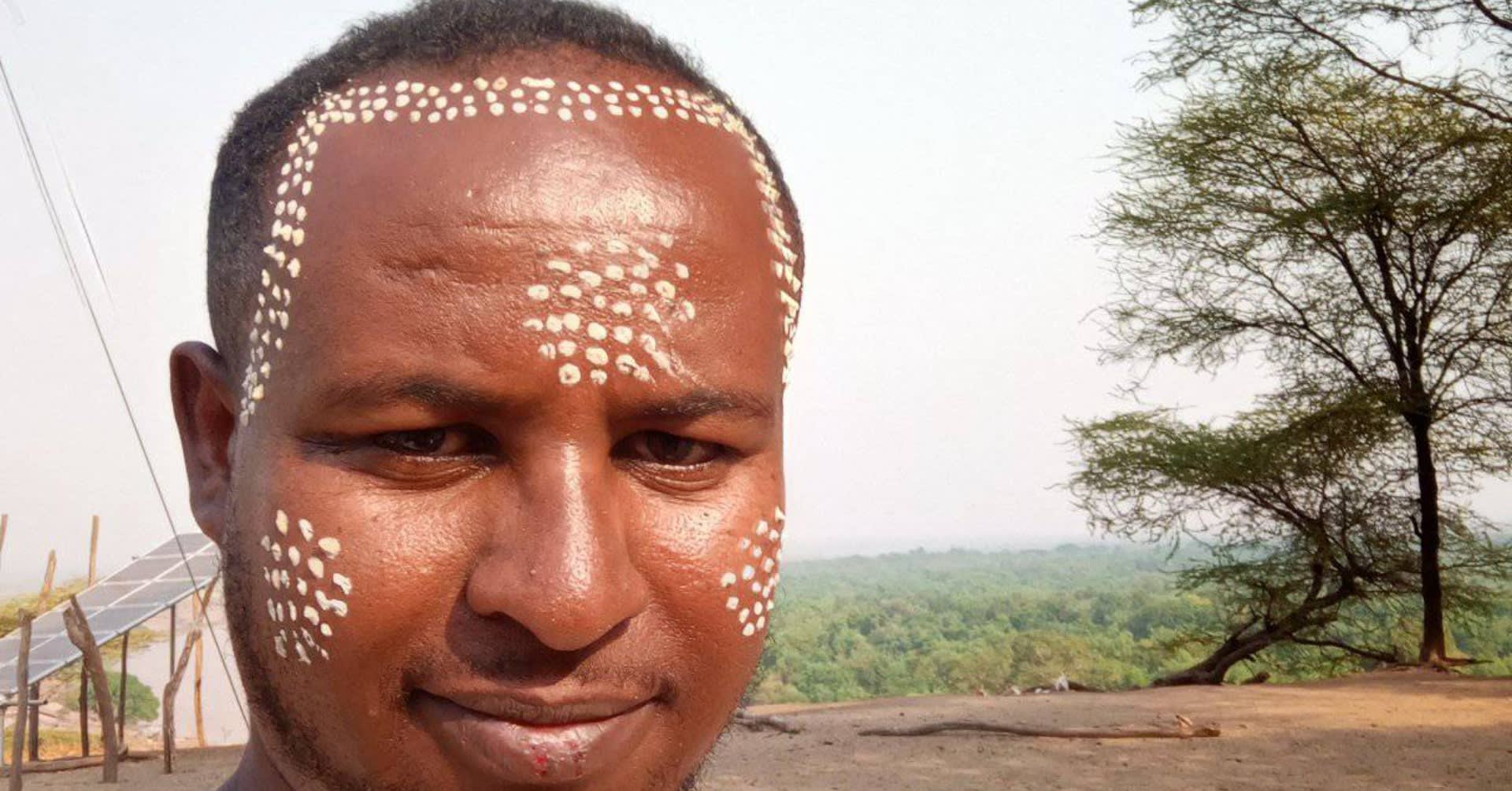
Northern regions offer cultural interactions with Maasai communities. Solo travelers can arrange visits to traditional villages. These experiences provide deeper understanding of Tanzanian culture beyond wildlife viewing.
Planning Your Solo Tanzania Safari: Practical Steps
Successful solo safaris require thoughtful planning. Tanzania rewards organized travelers with seamless experiences and memorable moments.
Booking Your Safari Package
Start by exploring safari packages on SafariFind, which connects you with verified tour operators and authentic reviews. Compare different operators and read feedback from previous solo travelers. Look for operators with strong ratings and experience with independent adventurers.
Request quotes from multiple verified operators on SafariFind. Discuss your interests, budget, and timeline. Ask about solo traveler discounts and shared accommodation options. Good operators will customize itineraries to your preferences.
Book 2-3 months in advance during peak season. High season (June-October) fills quickly. December also books fast. Off-season (November, April-May) offers better rates and fewer tourists.
Visa and Documentation
Most nationalities can obtain Tanzanian visas on arrival or online. Check current requirements before traveling. Your passport must be valid for at least six months. Ensure your travel insurance covers safari activities.
Yellow fever vaccination is recommended for most travelers. Malaria prevention medication is essential. Consult your doctor 4-6 weeks before travel. These precautions protect your health during your adventure.
What to Pack for Solo Safari Success
Pack neutral-colored clothing for game drives. Khaki, tan, and green blend into the landscape. Avoid bright colors that startle wildlife. Bring layers for cool mornings and hot afternoons.
Essential items include binoculars, sunscreen, and insect repellent. Bring a good camera with extra batteries and memory cards. A portable charger keeps devices powered. Comfortable hiking boots are crucial for walking safaris.
Pack light and bring a small daypack for game drives. Most lodges provide laundry services, so limit your clothing. Travel insurance with evacuation coverage is essential. Keep copies of important documents separate from originals.
Connecting with Other Solo Travelers
Solo doesn't mean lonely on a Tanzania safari. Lodges create natural communities where travelers connect.
Shared meals at lodges bring guests together. You'll dine with other adventurers from around the world. These meals often become the highlight of many travelers' days. Friendships formed on safari often last years.
Game drives can be shared with other guests. Your guide will coordinate with lodge staff to create compatible groups. Shared drives reduce costs and increase social opportunities. Many solo travelers find shared drives more enjoyable than private options.
Evening activities like bush walks and stargazing happen in groups. Lodges often host talks about local culture and wildlife. These gatherings create natural opportunities for connection and learning.
Budget Considerations for Solo Safaris
Solo safaris cost less than group tours when you leverage shared accommodations. Understanding pricing helps you maximize your budget.
Lodges offer significant solo discounts. Shared tents run $985 per person per night at TAASA Lodge during high season [5]. This includes all meals and activities. Private rooms cost more but offer solitude.
Budget safaris run $1,500-$3,000 for 3-5 days. Mid-range options cost $3,000-$6,000. Luxury safaris exceed $6,000 daily. Your budget determines lodge quality and included amenities.
Off-season travel (April-May, November) offers 30-50% discounts. You sacrifice some wildlife viewing but save significantly. These seasons still offer good wildlife experiences with fewer tourists.
Key Takeaways
Tanzania is safe for solo travelers: Major safari regions have robust security, experienced guides, and active patrols. You're never truly alone on a safari, and lodge staff watches out for guests constantly.
Solo traveler discounts exist at most lodges: Shared accommodations cost significantly less than private rooms. TAASA Lodge charges $985 per person for shared tents including all meals and activities, making safaris more affordable than expected.
Book through verified operators on SafariFind: Compare multiple operators with authentic reviews from previous solo travelers. Request quotes and discuss solo-specific needs like shared accommodations and community activities.
Visit during high season (June-October) for optimal wildlife: This is when the Great Migration occurs and wildlife congregates around water sources. December also offers excellent viewing with fewer crowds than peak season.
Explore hidden gems beyond Serengeti: Ngorongoro Crater, Tarangire, and Lake Natron offer unique experiences with fewer tourists. These destinations provide authentic Tanzania experiences and memorable adventures beyond typical safari circuits.
Frequently Asked Questions
Is it safe to travel to Tanzania alone as a solo traveler?
Yes, Tanzania is generally safe for solo travelers. Major safari regions have robust security infrastructure, experienced guides, and regular patrols. You're never truly alone—guides accompany game drives, and lodge staff provides constant support. Standard urban precautions apply in cities, but safari areas are well-established and tourist-friendly.
How much does a solo safari in Tanzania cost?
Costs vary by lodge quality and season. Budget safaris run $1,500-$3,000 for 3-5 days. Mid-range options cost $3,000-$6,000. Luxury safaris exceed $6,000 daily. TAASA Lodge shared tents cost $985 per person including meals. Off-season travel (April-May, November) offers 30-50% discounts compared to peak season rates.
When is the best time to visit Tanzania for wildlife viewing?
June through October is peak season with excellent wildlife viewing and dry conditions. December also offers great viewing with fewer crowds. The Great Migration dominates June-October with dramatic river crossings. Off-season (November, April-May) provides good wildlife viewing at lower prices with more solitude and fewer tourists.
Can I meet other travelers on a solo safari?
Absolutely. Lodges create natural communities through shared meals, group game drives, and evening activities. Many solo travelers form lasting friendships during safaris. Shared accommodations and group activities mean you're surrounded by fellow adventurers. Group dinners and bush walks provide constant opportunities for connection.
What lodges are best for solo travelers in Tanzania?
TAASA Lodge offers affordable perks with strong nature connections at $985 per person for shared tents. Lemala Camps & Lodges provides luxury sustainability-focused experiences. Singita offers ultra-luxury Serengeti villas. ENVI Lodges features exclusive tented camps. SafariFind helps you compare verified operators and read authentic reviews from previous solo travelers.
Do I need vaccinations or special health precautions for Tanzania?
Yellow fever vaccination is recommended for most travelers. Malaria prevention medication is essential—consult your doctor 4-6 weeks before travel. Ensure your passport is valid for at least six months. Travel insurance with evacuation coverage is crucial. These precautions protect your health while ensuring a safe, enjoyable safari experience.
Conclusion: Start Your Solo Tanzania Adventure
Tanzania in 2026 offers solo travelers the perfect blend of safety, affordability, and adventure. From luxury lodges committed to sustainability to hidden gems off the beaten path, Tanzania welcomes independent explorers. The country's safari infrastructure has evolved to serve solo adventurers with discounted shared accommodations, community dining, and guided experiences that foster friendships.
Your travel choices matter. By choosing responsible operators and sustainable lodges, you support conservation efforts while exploring Africa's most stunning landscapes. "Our travel choices can make a huge difference in helping to save Africa's landscapes and protect endangered wildlife" [1]—and your solo safari contributes to this mission.
Ready to plan your solo Tanzania safari? Explore verified safari packages and tour operators on SafariFind. Compare operators with authentic reviews from previous solo travelers. Request quotes from multiple verified operators and discuss your preferences. Find your perfect safari experience with confidence. Your adventure awaits in Tanzania's wild heart.
Plan Your Safari with SafariFind
These recommendations use real data from SafariFind, where you can compare operators, browse packages, and read verified traveler reviews before you book.
Recommended Safari Packages from SafariFind
References
Ready to start your safari adventure?
Explore curated safari packages and find your perfect African adventure with verified operators.