How to Plan a Minimalist Safari Under $2500 Without Sacrificing Wildlife Experience
You can experience authentic African wildlife on a tight budget by choosing the right destination, traveling during shoulder seasons, and booking with community-based tour operators. A minimalist safa

Budget Safari Under $2500: Full Wildlife Guide
You can experience authentic African wildlife on a tight budget by choosing the right destination, traveling during shoulder seasons, and booking with community-based tour operators. A minimalist safari under $2500 combines affordable accommodations, guided experiences, and real wildlife encounters without luxury frills.
What is a Minimalist Safari Under $2500?
A minimalist safari under $2500 is an affordable African adventure that prioritizes wildlife viewing over luxury amenities. You'll skip expensive lodges and instead camp, stay in basic cabins, or use community accommodations. The focus stays on seeing animals, learning about ecosystems, and connecting with local cultures.
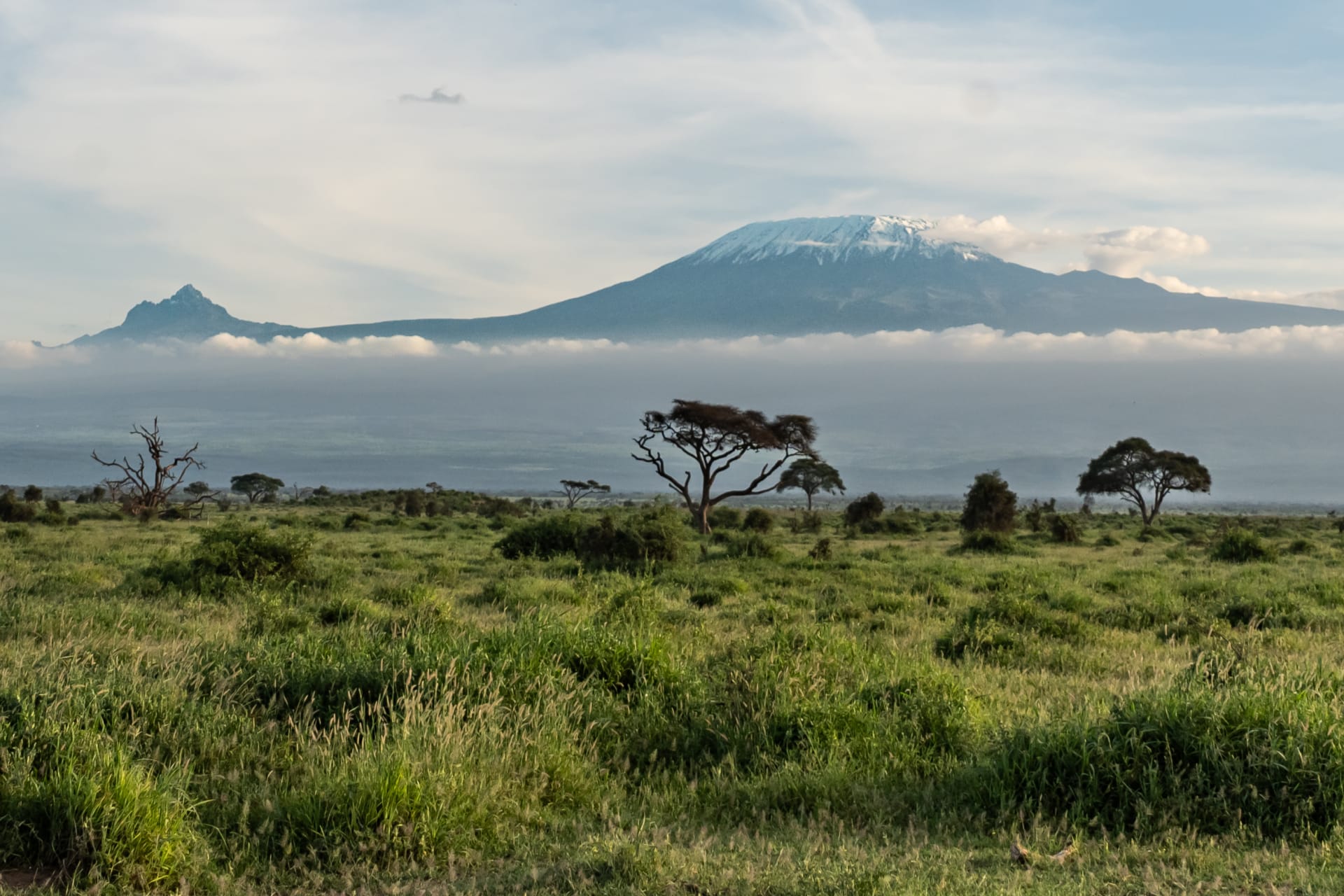
This approach works because safari costs come from different sources: flights, lodging, food, guides, and park fees. When you cut luxury accommodations and transportation extras, you free up money for the experiences that matter most—spotting the "Big Five" and experiencing African wildlife up close. [2]
Key Features of Budget Safaris
Budget safaris share common traits that keep costs down. Group tours spread vehicle costs among multiple travelers. Camping replaces hotel rooms. Local guides cost less than international outfitters. And traveling during shoulder seasons means lower prices for everything.
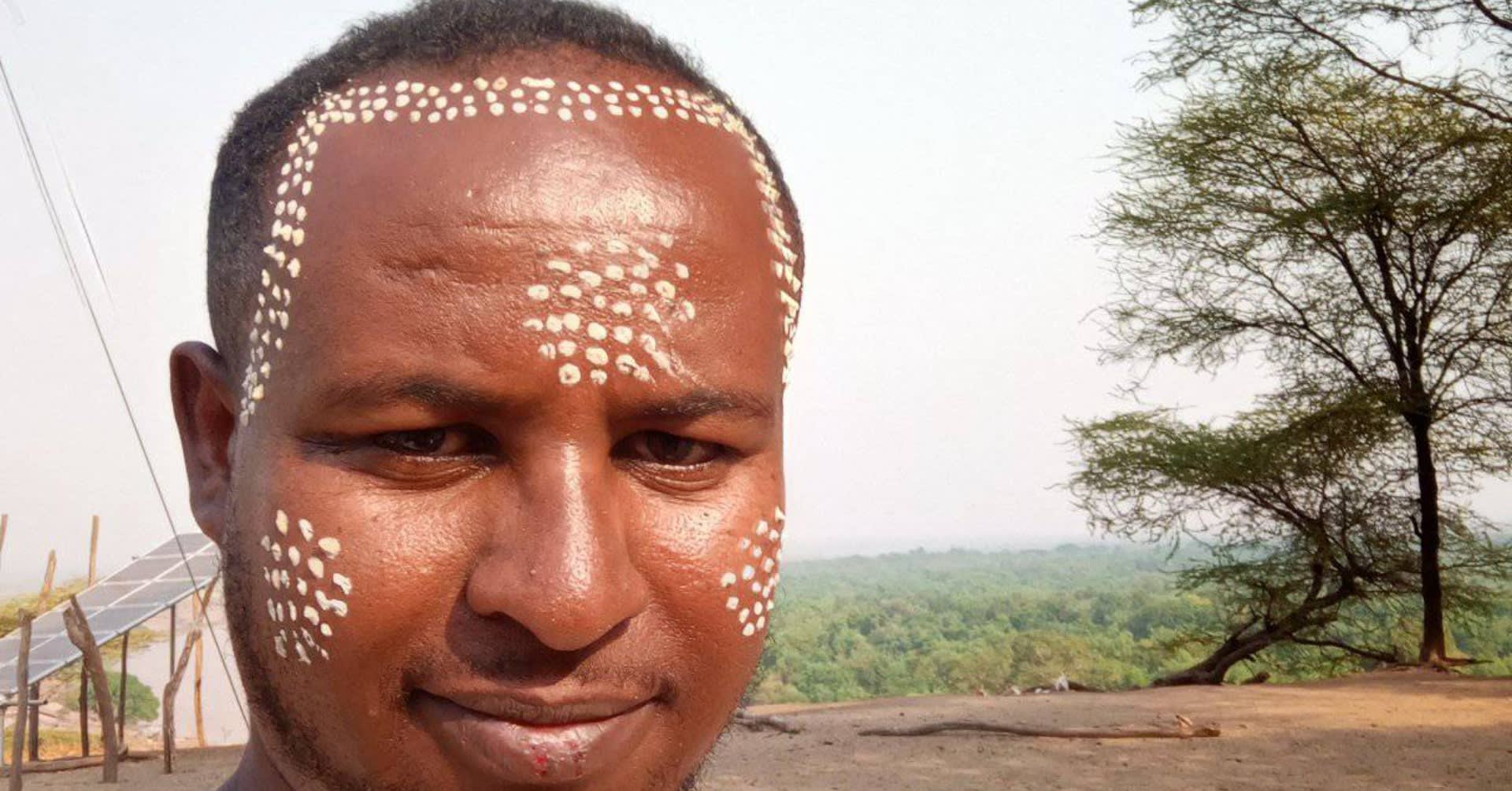
Community-based tourism initiatives offer another advantage. These programs support local economies while offering authentic experiences. [1] You might visit a women's cooperative, camp under stars, or take a camel safari at sunset. These activities cost far less than luxury resort packages.
Why Budget Safaris Still Deliver Real Wildlife
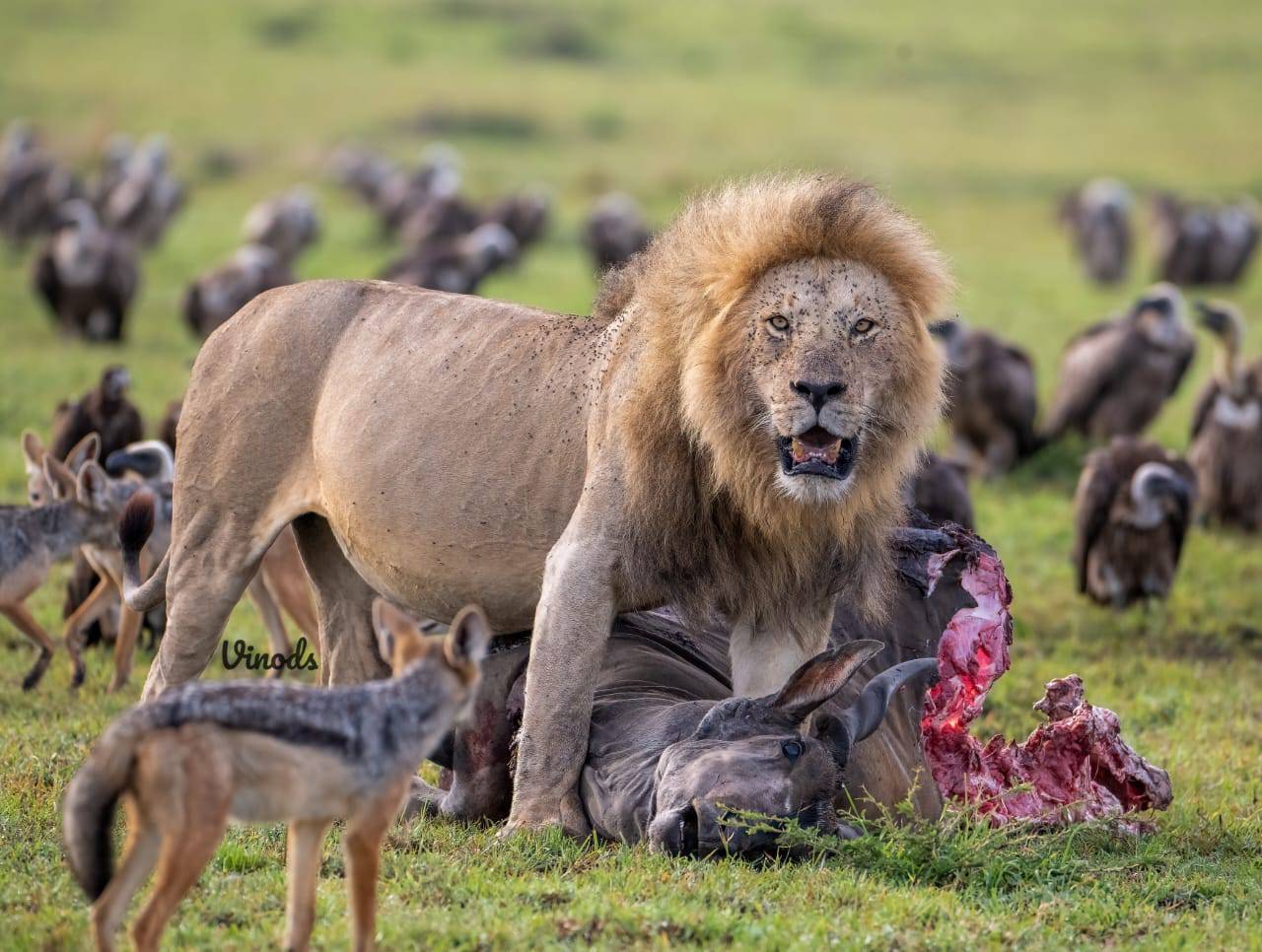
The animals don't charge different prices based on your accommodation type. A lion looks the same whether you spot it from a $500-per-night lodge or a $50-per-night campground. The wildlife experience depends on timing, location, and luck—not your budget.
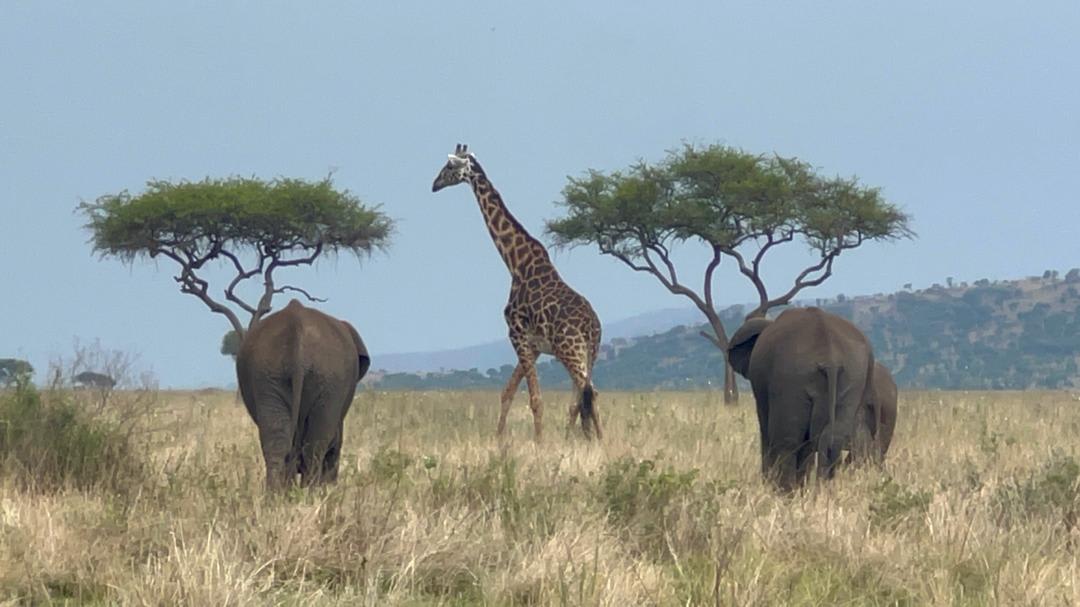
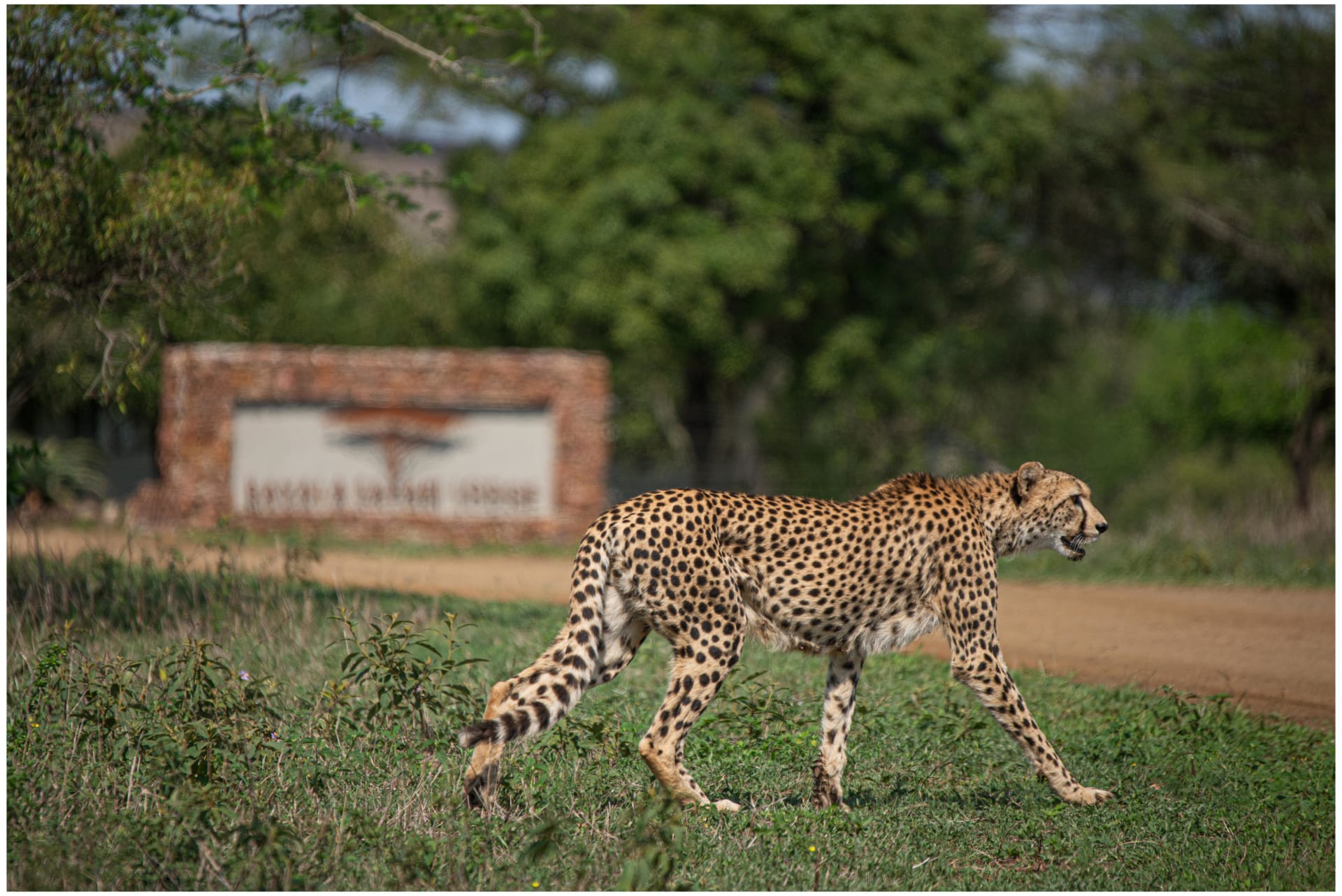
East African destinations like Kenya and Tanzania offer reliable wildlife viewing year-round. Most safari-goers book programs in these regions specifically because they consistently deliver sightings of lions, leopards, elephants, rhinoceroses, and Cape buffalo. [3] Budget operators use the same parks and routes as expensive ones.
How to Choose the Right Budget Safari Destination
Not all African safari destinations work equally well for budget travelers. Some offer better value, more wildlife, and easier access than others. Your choice determines whether you stay under $2500 and what animals you'll see.
Best Destinations for Budget Safaris
Kenya's Masai Mara National Reserve tops the list for affordable wildlife experiences. This reserve sits in southwestern Kenya and borders Tanzania's Serengeti. During the Great Migration, over 1.5 million wildebeest and zebras cross these plains, creating spectacular viewing opportunities.
Tanzania's Serengeti works equally well for budget travelers. Accommodation options range from basic camps to mid-range lodges. Park fees stay reasonable compared to Southern African reserves. Combined with Kenya, a Kenya-Tanzania circuit costs less than focusing on one country.
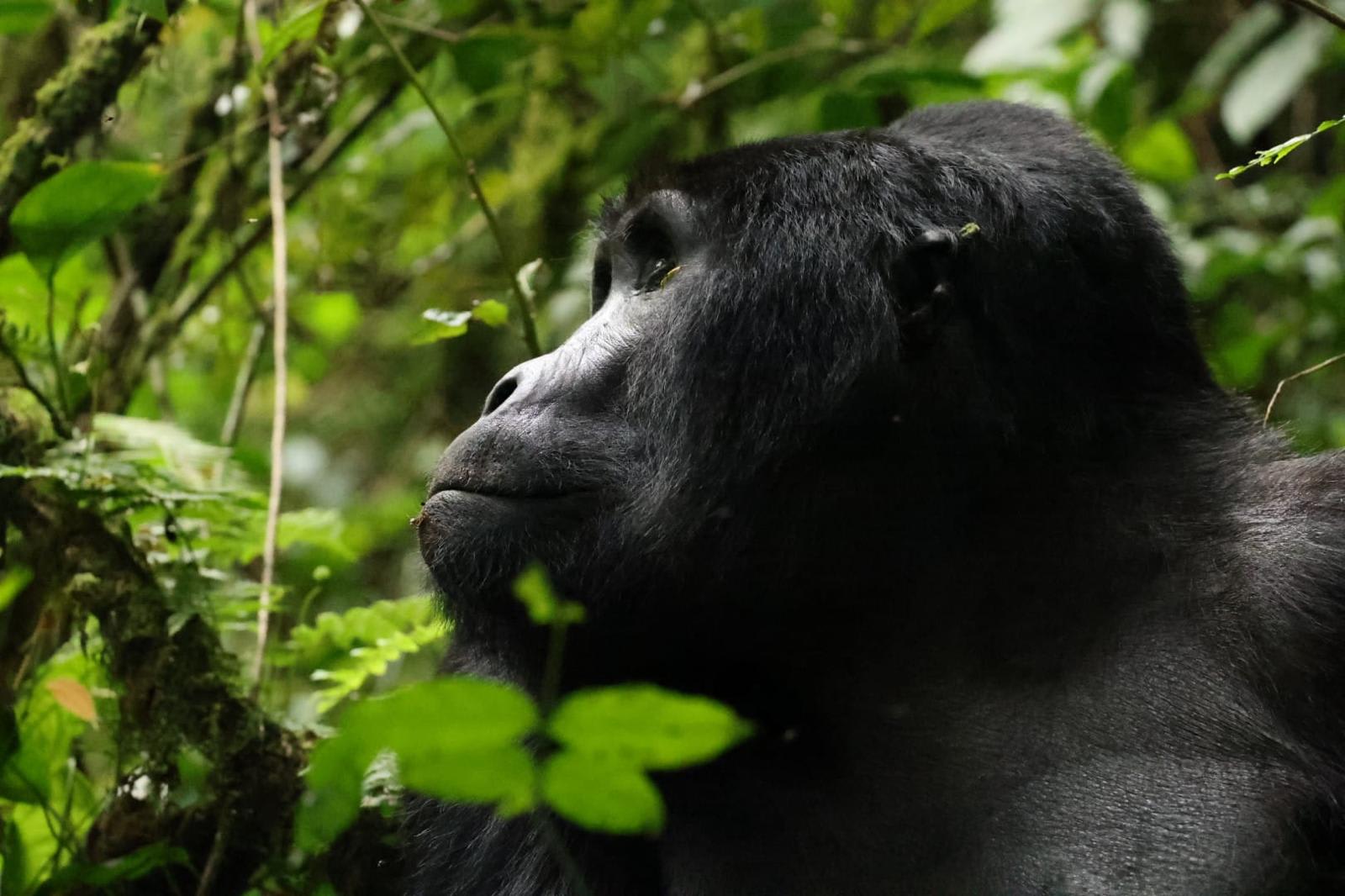
Uganda offers another excellent budget option. Gorilla trekking costs more, but general wildlife safaris run cheaper than Kenya or Tanzania. The Murchison Falls National Park provides reliable Big Five viewing at lower prices. Competition among tour operators keeps prices competitive.
Timing Matters for Your Budget
When you travel affects your total cost dramatically. Peak season (June to October) brings higher prices for everything. Accommodations cost 30-50% more. Guide fees increase. Park fees stay fixed, but demand drives up package prices overall.
Shoulder seasons (March-May and November-December) offer the sweet spot. Wildlife viewing remains excellent. Prices drop significantly. Fewer tourists mean better animal encounters and a more authentic experience. This timing lets you stretch your $2500 budget further.
Rainy seasons bring the lowest prices but worst road conditions. Rain-swollen rivers can block routes. Accommodation quality sometimes drops. For a $2500 budget, shoulder seasons beat rainy seasons because roads stay passable and wildlife viewing stays strong.
Practical Guide: Planning Your Budget Safari
Planning a $2500 safari requires careful budgeting across five categories: flights, accommodation, food, guides, and park fees. Let's break down realistic costs and where to save.
Flight Costs and Getting There
International flights represent your biggest expense. Budget $600-1000 for round-trip flights from North America to East Africa. Flying from Europe costs $400-700. These prices apply to economy seats booked 2-3 months in advance.
Saving tip: Fly into Nairobi, Kenya instead of smaller airports. Competition keeps Nairobi flights cheaper. From there, budget flights to safari regions cost $100-200. You'll save money on your overall trip even with an extra flight segment.
Accommodation on a Tight Budget
Budget $30-60 per night for accommodations. This covers basic safari camps, community guesthouses, and modest lodges. For a 7-day safari, plan $210-420 total for lodging. Camping costs even less—sometimes $15-25 per night.
Community-based accommodations offer excellent value. These properties employ local staff and support local economies. You'll stay in simple but clean rooms, eat local food, and meet community members. The experience feels authentic and costs significantly less than commercial lodges.
Food and Meal Planning
Budget $20-30 per day for food. Most safari packages include meals, which saves money versus eating separately. When food isn't included, eat where locals eat. Markets offer fresh fruit, vegetables, and staples for pennies. Street food and local restaurants cost $2-5 per meal.
If your package includes meals, excellent—that's already budgeted. If not, plan $600-900 for food on a 7-day safari. Combine restaurant meals with market shopping to keep costs low while eating well.
Guide Fees and Park Fees
Park entrance fees run $20-50 per day depending on the reserve. For a 7-day safari with 5 days in parks, budget $100-250. These fees support conservation efforts and maintain park infrastructure.
Guide costs depend on your booking method. Group tours split guide fees among 6-8 people, reducing individual costs to $10-20 per day. Private guides cost $50-100 per day but offer personalized experiences. For a $2500 budget, group tours make sense.
Sample Budget Breakdown for 7 Days
Flights: $800
Accommodation (7 nights): $280
Food (7 days): $175
Park fees: $150
Guide and vehicle: $300
Contingency: $195
Total: $1900
This breakdown leaves $600 buffer for unexpected costs, tips, souvenirs, or activities. Real travelers using this approach report staying comfortably under $2500.
Finding and Booking Budget Safari Operators
SafariFind connects you with verified tour operators offering packages in your budget range. You can browse safari packages, compare prices and ratings, and read authentic reviews from previous travelers. This research step prevents expensive mistakes and helps you find operators who deliver value.
Look for operators with 4+ star ratings and multiple reviews. Read what past travelers say about wildlife sightings, guide quality, and value for money. Many budget operators offer excellent experiences despite lower prices—they simply skip luxury amenities.
Request quotes from multiple operators. Don't accept the first price. Operators often negotiate, especially for group bookings or off-season travel. A 10-15% discount appears regularly when you ask politely.
Maximizing Wildlife Encounters on Your Budget
Seeing animals depends more on strategy than spending money. You can maximize wildlife encounters through smart timing, good guides, and realistic expectations.
Best Times for Game Viewing
Early morning and late afternoon offer peak wildlife activity. Most safari vehicles depart at 5:30 AM and return by 9 AM. Afternoon drives start around 3 PM and continue until dark. Budget operators follow these same schedules as luxury ones.
During the hottest midday hours, animals rest in shade. You'll see fewer creatures from 10 AM to 3 PM. Skip this time for lunch and rest. Your guide knows when and where animals congregate. Trust their experience.
The Quality of Your Guide Matters
A skilled guide transforms your safari experience. They know animal behavior, find creatures hidden in vegetation, and share fascinating facts. Budget safaris sometimes pair you with younger guides still building experience, but many have decades of knowledge.
During booking, ask about guide experience and certifications. Some guides speak multiple languages, which enhances the experience. Don't assume budget operators hire inferior guides—many employ the same talented people as expensive outfitters.
What to Realistically Expect
You won't see every animal every day. The "Big Five" sightings depend on luck, season, and location. Expect to see 2-3 of the Big Five on a typical 7-day safari. You'll definitely see plenty of other wildlife—zebras, wildebeest, antelopes, giraffes, and birds.
Photography quality depends on your equipment and patience. Bring a good camera or smartphone. Budget for extra memory cards. The animals look just as impressive through a modest camera as an expensive one.
Budget-Friendly Activities Beyond Game Drives
Safari doesn't mean only sitting in vehicles. Budget operators include diverse activities that enrich your experience without extra cost.
Walking Safaris and Bush Walks
Walking safaris let you experience the bush at ground level. You'll see details missed from vehicles—insect activity, plant species, and small creatures. Most operators include at least one walking safari. The experience feels more intimate and costs nothing extra.
Cultural Visits and Community Engagement
Visiting local Maasai communities costs $20-40 per person. You'll learn about traditional cultures, see traditional homes, and support local economies. [1] These visits often include tea, dancing, and direct conversation with community members. It's an invaluable part of the safari experience.
Sunrise and Sunset Viewing
Early morning and sunset drives cost nothing extra but deliver stunning photography and animal viewing. The light turns golden. Wildlife becomes active. These moments create lasting memories and require no additional spending.
Key Takeaways
Choose shoulder seasons (March-May, November-December) to cut accommodation and package costs by 30-50% while maintaining excellent wildlife viewing opportunities and passable road conditions.
Book with verified tour operators through SafariFind to compare prices, read authentic traveler reviews, and request quotes from multiple companies before committing to a package.
Select community-based accommodations that charge $30-60 per night, support local economies, and provide authentic cultural experiences without luxury markups.
Focus your budget on wildlife viewing rather than luxury amenities—the animals and natural scenery look identical regardless of your accommodation type or daily spending.
Plan activities strategically with early morning and late afternoon game drives, walking safaris, and cultural visits that cost little or nothing extra but dramatically enhance your experience.
Frequently Asked Questions
Can I really see the Big Five on a budget safari under $2500?
Yes, absolutely. The Big Five—lions, leopards, elephants, rhinoceroses, and Cape buffalo—live in the same parks regardless of your budget. Kenya and Tanzania's reserves provide reliable sightings. Expect to see 2-3 of the Big Five on a 7-day safari. Timing and luck matter more than spending money.
What's the difference between budget and luxury safaris?
The main differences are accommodation quality, vehicle comfort, and group size. Budget safaris use basic camps or community lodges. Luxury safaris offer high-end resorts. Both use the same parks and guides. Wildlife viewing quality depends on location and timing, not budget level.
Is camping on safari safe and comfortable?
Yes, safari camps operate with safety protocols and fencing. You sleep in tents with solid floors and proper ventilation. Staff provide hot water, meals, and security. Camping costs $15-25 per night compared to $30-60 for basic lodges. Many budget travelers choose camping and love it.
When is the best time to book a budget safari?
Book 8-12 weeks in advance for shoulder seasons to get better prices. Peak season (June-October) requires booking 3-4 months early. Last-minute bookings sometimes offer discounts but limit your options. Use SafariFind to compare packages and lock in prices early.
Do I need travel insurance for a budget safari?
Yes, travel insurance is essential regardless of budget level. It covers medical emergencies, flight cancellations, and trip interruptions. Budget insurance costs $50-150 for two weeks. It's not optional—it's necessary protection for any international travel to Africa.
Can I extend my safari if I want to see more animals?
Absolutely. Most operators allow package extensions at daily rates ($150-300 per day for guides, vehicles, and accommodation). If your budget allows, extending to 10-14 days increases Big Five sighting chances. Many first-timers book 14-day Kenya-Tanzania programs. [3]
What should I pack for a budget safari?
Pack neutral-colored clothing (greens, browns, tans), comfortable hiking boots, a good camera, binoculars, sunscreen, hat, and basic toiletries. Budget accommodations provide beds, blankets, and sometimes hot water. Bring a sleeping bag for camping. Avoid bright colors that startle wildlife.
Conclusion
Planning a minimalist safari under $2500 is entirely achievable when you prioritize wildlife viewing over luxury amenities. By choosing the right destination, traveling during shoulder seasons, and booking with community-based operators, you'll experience authentic African wildlife without breaking your budget.
The key is smart planning across five areas: flights, accommodation, food, guides, and park fees. This breakdown shows that $2500 covers a full week of safari adventures with money left for contingencies and extras. You'll see amazing animals, meet fascinating people, and create memories that last a lifetime.
Start your safari planning today by exploring verified safari packages and tour operators on SafariFind. Browse authentic reviews from previous travelers, compare prices across multiple operators, and request quotes to find the best value. SafariFind connects you with experienced operators who deliver excellent wildlife experiences at budget-friendly prices. Your dream African safari is closer than you think—and more affordable than you expected.
Plan Your Safari with SafariFind
These recommendations use real data from SafariFind, where you can compare operators, browse packages, and read verified traveler reviews before you book.
Recommended Safari Packages from SafariFind
Verified Traveler Reviews from SafariFind
References
Ready to start your safari adventure?
Explore curated safari packages and find your perfect African adventure with verified operators.