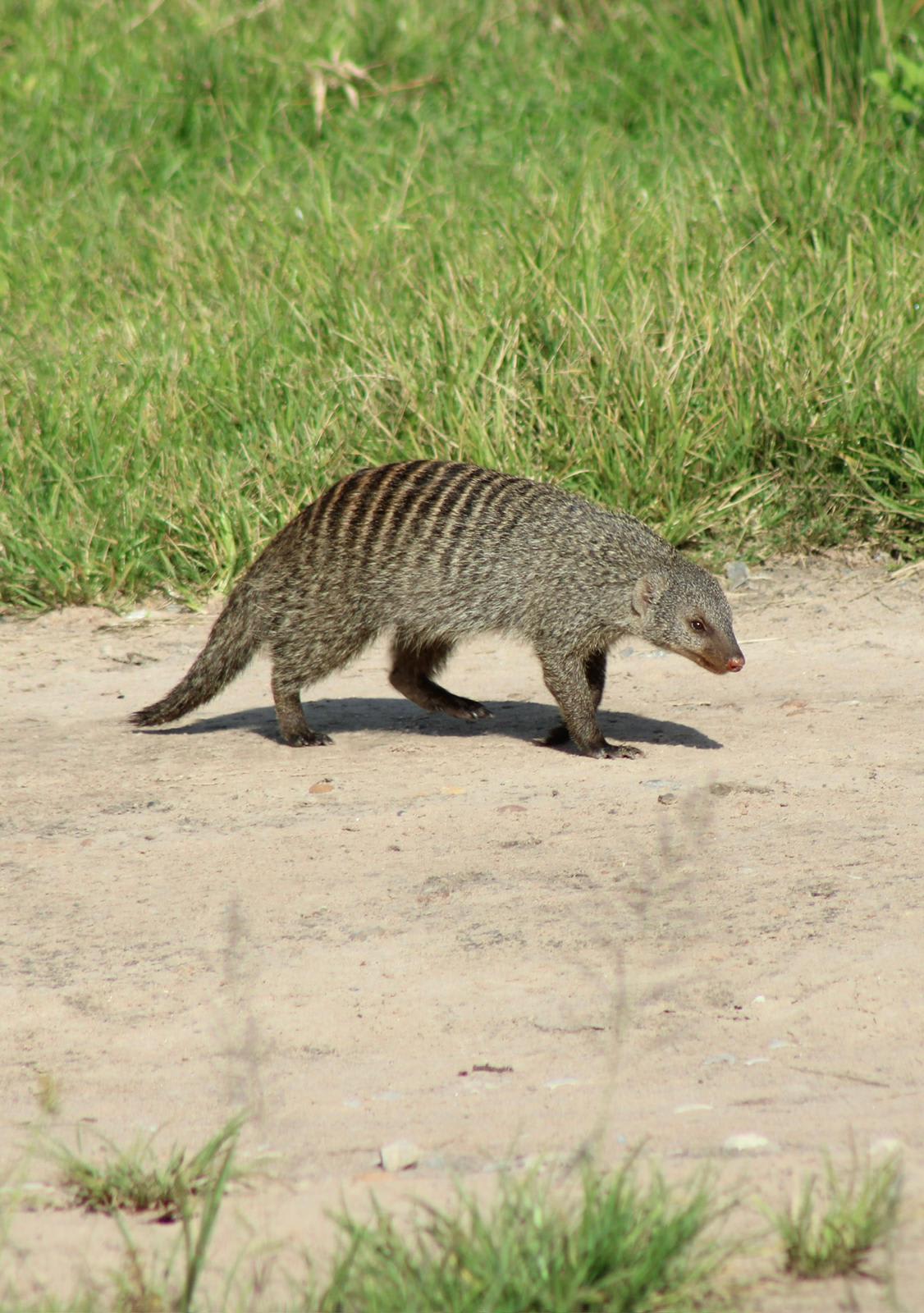
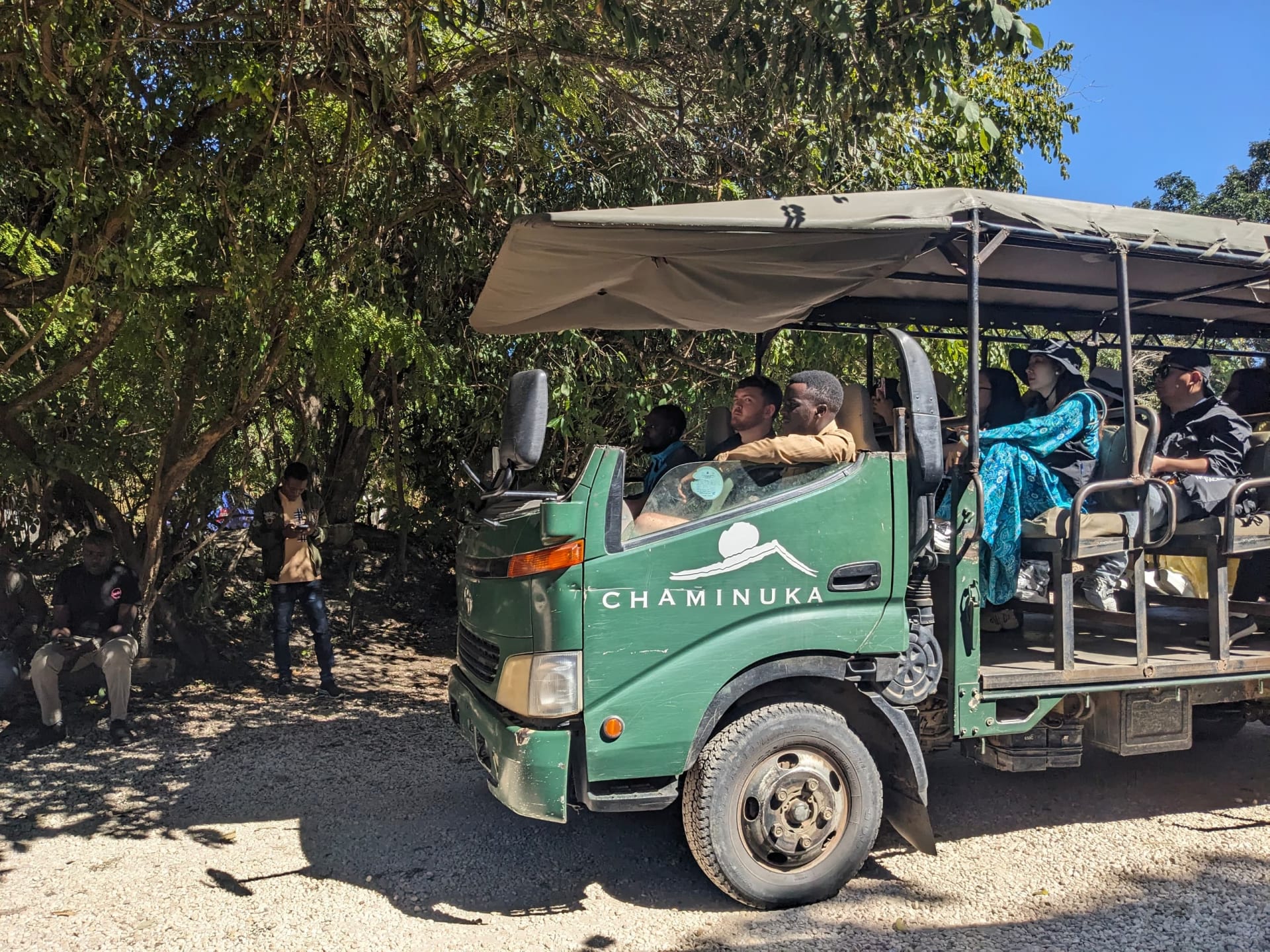
Is Zambia Good for Safari in 2026? Wildlife, Safety & Value
Zambia is an excellent safari destination in 2026 with walking safaris, low crowds, and competitive prices. 7-day packages start at $5,680. Book verified operators.

Is Zambia Good for Safari in 2026?
Last updated: July 2026
Yes, Zambia is an excellent safari destination in 2026, known for walking safaris, low crowds, and competitive prices. A 7-day safari costs $5,680 to $8,000 per person. The best time to visit is May to October for wildlife viewing. Book through verified operators on SafariFind to find packages that match your budget and experience level.
At a Glance
- Cost: $700–$1,200+ per person per night; 7-day packages from $5,680
- Best time: May to October (dry season) for optimal wildlife viewing
- Duration: 7–10 days recommended for a complete experience
- Getting there: Fly to Livingstone or Lusaka; domestic flights to safari camps
- Best for: Walking safari enthusiasts, budget-conscious travelers, adventure seekers
- Wildlife highlights: Elephants, lions, wild dogs, hippos, and 500+ bird species
What Makes Zambia Good for Safari in 2026?
Zambia is one of Africa's best safari destinations for travelers seeking authentic wilderness experiences without massive crowds. The country offers remote landscapes, excellent guiding, and walking safaris that set it apart from more crowded competitors. In 2026, Zambia continues to deliver exceptional value compared to neighboring Botswana or Kenya.
The birthplace of the walking safari, Zambia remains unmatched for exploring the bush on foot. Expert guides lead small groups through pristine wildlife areas, creating intimate encounters with nature. You'll experience the African wilderness as it should be—raw, quiet, and genuinely wild.
Zambia's major safari regions concentrate around four key ecosystems. South Luangwa National Park is famous for walking safaris and exceptional predator viewing. Lower Zambezi National Park offers river-based adventures and canoe safaris. Kafue National Park provides remote wilderness experiences. The Victoria Falls region near Livingstone combines natural wonder with cultural experiences.
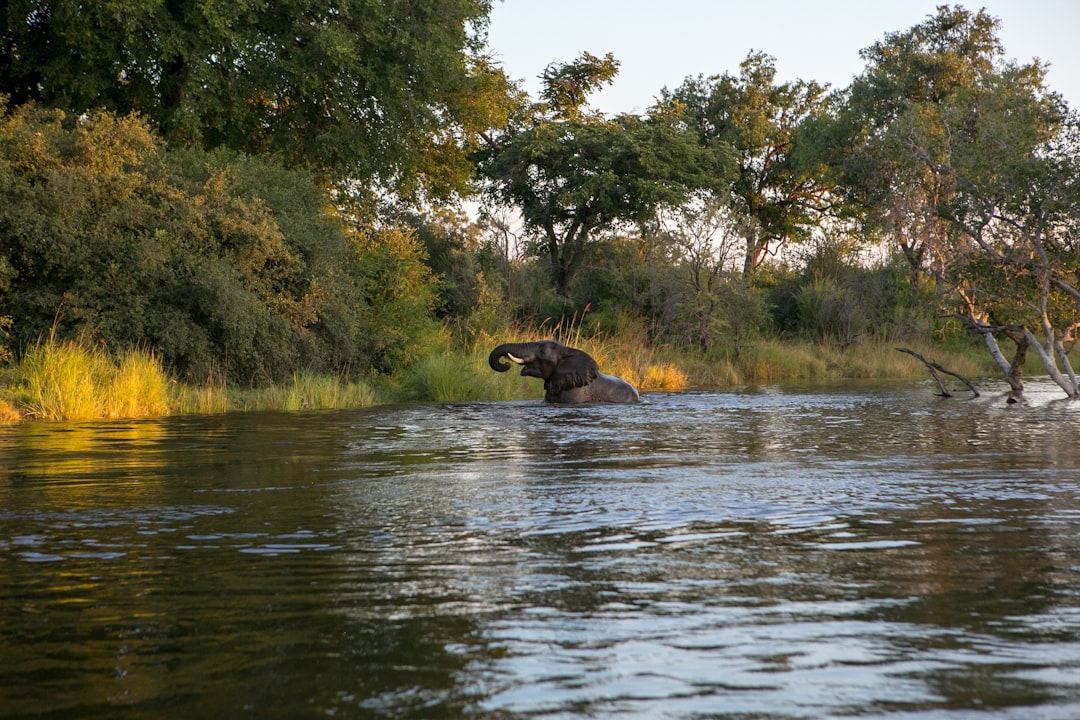
Wildlife conservation is succeeding in Zambia. Elephant numbers are rebounding, and wild dogs are flourishing across protected areas. This conservation success means you'll see more wildlife and know your money supports habitat protection.
Zambia attracts fewer visitors than Tanzania or Kenya, which means shorter game drives without safari traffic jams. You get more personal attention from guides and better wildlife photography opportunities. Compare detailed Zambia safari packages to see how the destination stacks up against other African options.
Why Is Zambia Good for Safari? Key Reasons
Walking Safaris Set Zambia Apart
Walking safaris are Zambia's signature experience. South Luangwa pioneered this approach, and it remains the gold standard for bush immersion. You move slowly through the landscape, spot animal tracks, hear bird calls, and feel genuinely connected to nature.
Walking safaris let you cover ground that vehicles cannot reach. Your guide reads the bush like a book—interpreting tracks, droppings, and feeding signs to locate wildlife. This detective work makes each sighting feel earned and memorable.
Exceptional Value for Your Money
Good Zambian safari camps start at approximately $700 per person per night as of 2026. Green-season rates (November to April) drop even lower, with quality camps like Luwi charging around $840 per person per night. A complete 7-day package combining Kafue and Lower Zambezi costs from $5,680.
This pricing undercuts Botswana significantly. You get premium guiding, excellent camps, and authentic experiences without premium prices. Budget travelers find Zambia especially attractive for multi-day trips without financial stress.
Explore Zambia safari costs and budget options to understand where your money goes and how to maximize your experience.
Low Visitor Density and Fewer Crowds
Zambia has relatively low visitor density compared with more established safari destinations like the Serengeti or Masai Mara. This means less competition for wildlife sightings and a more authentic bush experience. You'll spend time in nature, not in queues.
Fewer tourists also means better guide-to-guest ratios. Guides spend more time explaining animal behavior and ecology instead of managing crowds. Your learning deepens, and your satisfaction increases.
Canoe Safaris on the Zambezi River
Lower Zambezi National Park offers unique canoe safaris on the Zambezi River. Paddling silently past hippos, elephants, and crocodiles creates unforgettable moments. This water-based perspective complements traditional game drives perfectly.
Canoe safaris work for all fitness levels. Guides paddle while you observe. The pace is slow and contemplative—ideal for photography and wildlife watching. It's an experience few African safari destinations offer.
Is Zambia Safe for Safari in 2026?
Yes, Zambia is safe for safari tourism in 2026. The country maintains stable conditions in all major safari regions. Tourist areas have consistent security, and safari camps operate with established safety protocols.
Tourism in Zambia concentrates in well-developed areas with strong infrastructure. South Luangwa, Lower Zambezi, Kafue, and Livingstone have established tourism networks and experienced staff trained in guest safety. Camps employ local guides who know the terrain intimately.
Wildlife safety is well-managed. Guides follow proven protocols for approaching animals. Walking safaris maintain safe distances and use experienced trackers. Vehicle-based game drives operate with radio communication between camps. Accidents are rare when you follow guide instructions.
Health precautions are standard. Most safari camps provide clean water, proper sanitation, and medical facilities. Malaria prevention is essential in low-altitude regions. Consult your doctor before travel about necessary vaccinations.
Compare verified operators on SafariFind to book with companies that prioritize guest safety. Read authentic reviews from previous travelers about their security experiences and camp conditions.
Zambia Safari Value: Budget vs. Luxury Comparison
Budget Safari Options in Zambia
Budget camps and lodges in Zambia offer excellent value without sacrificing quality. Expect to pay $700–$900 per person per night for comfortable accommodations, good meals, and experienced guides. These camps provide clean rooms, reliable electricity, and solid guiding.
Budget options suit travelers seeking authentic experiences without luxury frills. You get the safari experience that matters—wildlife, guides, and wilderness—without paying for fancy amenities you won't use.
Mid-Range Safari Packages
Mid-range camps cost $900–$1,200 per person per night. These offer better accommodations, often with en-suite bathrooms and small luxuries like hot showers. Guides are equally experienced as budget camps, but more comfortable lodging enhances your relaxation after daily game drives.
Mid-range packages provide the sweet spot for most travelers. You balance comfort with value. A 7-day mid-range package typically costs $6,300–$8,400 including flights to camp.
Luxury Safari Experiences
Luxury camps exceed $1,200 per person per night, offering premium accommodations, gourmet meals, and exclusive experiences. These camps provide butler service, fine dining, and elegant furnishings. Guiding quality remains consistent—the difference is accommodation comfort.
Luxury safaris suit travelers prioritizing comfort and pampering. You experience the same wildlife and guides as mid-range camps, but with premium surroundings. Luxury costs more but justifies the expense for some travelers.
Value Comparison Table
| Safari Level | Cost Per Night | 7-Day Package Cost | Accommodation Style | Best For |
|---|---|---|---|---|
| Budget | $700–$900 | $5,680–$6,500 | Basic but clean; shared or private rooms | Cost-conscious travelers seeking authentic experiences |
| Mid-Range | $900–$1,200 | $6,300–$8,400 | Comfortable; en-suite bathrooms; some amenities | Travelers seeking balance of comfort and value |
| Luxury | $1,200+ | $8,400+ | Premium; butler service; fine dining | Travelers prioritizing comfort and pampering |
Zambia offers better value than Botswana across all levels. You'll pay 20–30% less for comparable experiences. Compare detailed budget and luxury Zambia packages to find options matching your budget and preferences.
Best Time to Visit Zambia for Safari
Dry Season (May to October)
May to October is Zambia's peak safari season and the best time for wildlife viewing. The dry season brings cooler temperatures and concentrates wildlife around remaining water sources. Game drives yield more sightings, and walking safaris are more comfortable.
July and August are the coolest months with the highest wildlife concentrations. Morning temperatures drop to 10°C (50°F), so bring layers. Afternoon temperatures reach comfortable 20–25°C (68–77°F). This season fills quickly, so book 3–6 months ahead.
September and October offer slightly warmer weather and lower prices as the season winds down. Wildlife remains concentrated, and crowds thin. These months suit budget travelers seeking value without sacrificing wildlife viewing.
Green Season (November to April)
November to April is Zambia's green season, when rain replenishes the landscape. Vegetation grows thick, making wildlife spotting harder. However, bird watching explodes with migratory species arriving. Temperatures are warm to hot, and prices drop significantly.
December to February brings peak rainfall and the lowest prices. Camps offer 30–50% discounts. Fewer tourists visit, but wildlife viewing becomes unpredictable. This season suits bird watchers and travelers prioritizing budget over guaranteed sightings.
Shoulder Seasons (April and November)
April and November bridge the seasons. April offers good wildlife viewing as water dries up. November brings fresh rains and lower prices. Both months suit travelers seeking moderate weather and reasonable wildlife viewing without peak-season crowds.
Major Safari Destinations in Zambia
South Luangwa National Park
South Luangwa is Zambia's most famous safari region and the birthplace of walking safaris. The park covers 9,050 square kilometers of pristine wilderness in northeastern Zambia. The Luangwa River creates a natural corridor attracting elephants, lions, leopards, and wild dogs.
Walking safaris are South Luangwa's specialty. Expert guides lead small groups on foot, tracking wildlife and reading the bush. This intimate approach creates unforgettable connections with nature. Night drives reveal nocturnal animals like genets and owls.
South Luangwa attracts serious safari enthusiasts and photographers. The park's reputation for excellent guiding is justified. You'll encounter knowledgeable guides passionate about conservation and wildlife behavior.
Lower Zambezi National Park
Lower Zambezi National Park sits along the Zambezi River in south-central Zambia. The park spans 4,092 square kilometers of riverine woodland. Canoe safaris on the Zambezi are Lower Zambezi's signature experience—paddling silently past hippos, crocodiles, and elephants.
Game drives are excellent, but the river experience sets Lower Zambezi apart. Combining canoe safaris with walking safaris creates a diverse itinerary. The park is less crowded than South Luangwa, offering a more intimate experience.
Kafue National Park
Kafue National Park is Zambia's largest park, covering 22,400 square kilometers in western Zambia. The park remains remote and underdeveloped, attracting adventurous travelers seeking true wilderness. Wildlife viewing rivals South Luangwa, but with far fewer visitors.
Kafue suits experienced safari travelers comfortable with basic accommodations and remote conditions. The park rewards effort with extraordinary wildlife sightings and genuine solitude. Combine Kafue with Lower Zambezi for a comprehensive Zambia experience.
Victoria Falls and Livingstone
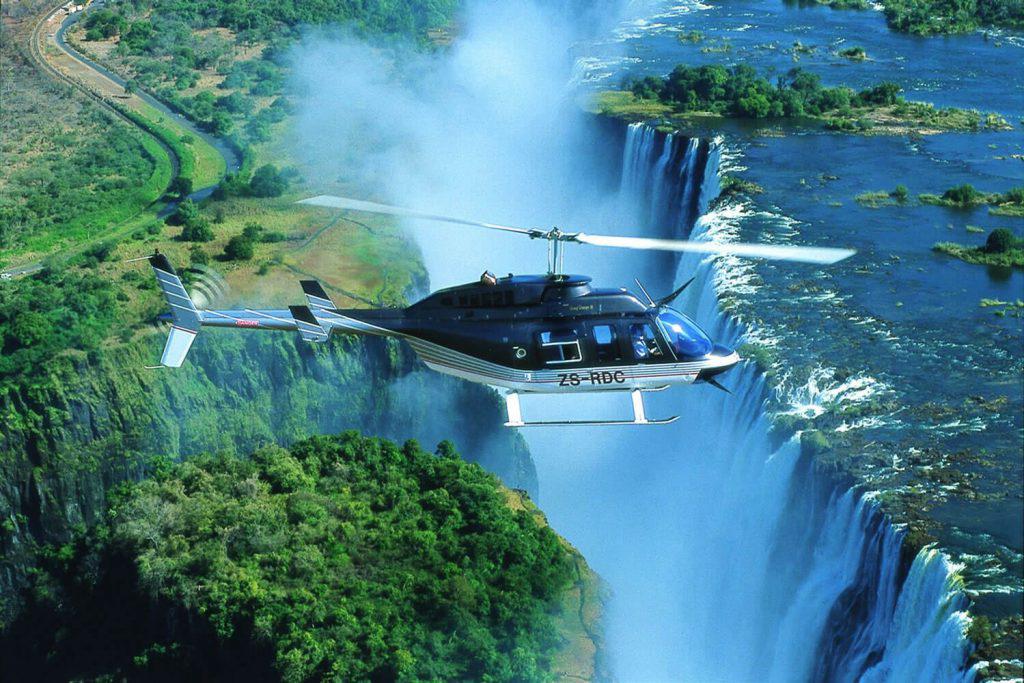
Victoria Falls is one of the world's natural wonders, located on the Zimbabwe-Zambia border near Livingstone. While not a safari destination per se, it complements safari experiences perfectly. The town offers adventure activities like bungee jumping, white-water rafting, and helicopter tours.
Many travelers combine a safari with Victoria Falls. Spend 3–4 days on safari, then 2–3 days experiencing the falls. This combination appeals to travelers wanting wildlife and natural spectacle.
Getting to Zambia: Travel Logistics
International Flights
Most international travelers fly to Livingstone International Airport or Lusaka International Airport. Livingstone is closer to Victoria Falls and Lower Zambezi. Lusaka is Zambia's capital and serves as the main international hub.
From Livingstone, you can reach Lower Zambezi or Victoria Falls easily. From Lusaka, domestic flights connect to South Luangwa and Kafue. Flight times are typically 1.5–2 hours domestically.
Major airlines serving Zambia include South African Airways, Kenya Airways, and Ethiopian Airlines. Book flights 2–3 months ahead for better fares. Luggage limits for domestic flights are strict—typically 20 kg checked and 5 kg carry-on.
Domestic Flights and Ground Transport
Zambia's safari camps arrange domestic flights from major airports. These small aircraft (10–20 seats) fly directly to camp airstrips, saving you hours of driving. Domestic flights cost $150–$300 per person and are included in many packages.
Road travel is possible but time-consuming. Drives from Lusaka to South Luangwa take 10+ hours. Most travelers prefer flights for convenience. If you enjoy overland travel, some operators offer multi-day road and safari combinations.
Visa Requirements
Zambia offers visas on arrival for many nationalities, costing $50–$80 USD. Check current requirements with the Zambian embassy before traveling. Most Western nationals qualify for visa-free or visa-on-arrival entry.
Your safari operator can advise on visa requirements. Some tour packages include visa assistance. Allow 2–4 weeks before travel to arrange visas if needed.
Wildlife in Zambia: What You'll See
The Big Five and More
Zambia hosts all five African big game animals: lions, elephants, buffalo, leopards, and rhinoceros. While rhinos are rare, you'll encounter the other four reliably during the dry season. Elephants are numerous, with herds often numbering 20–100 animals.
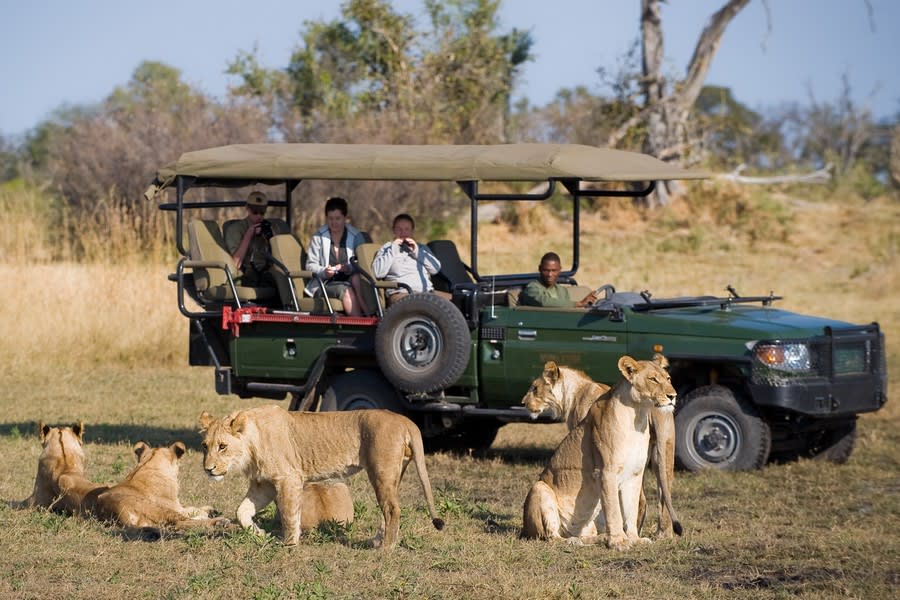
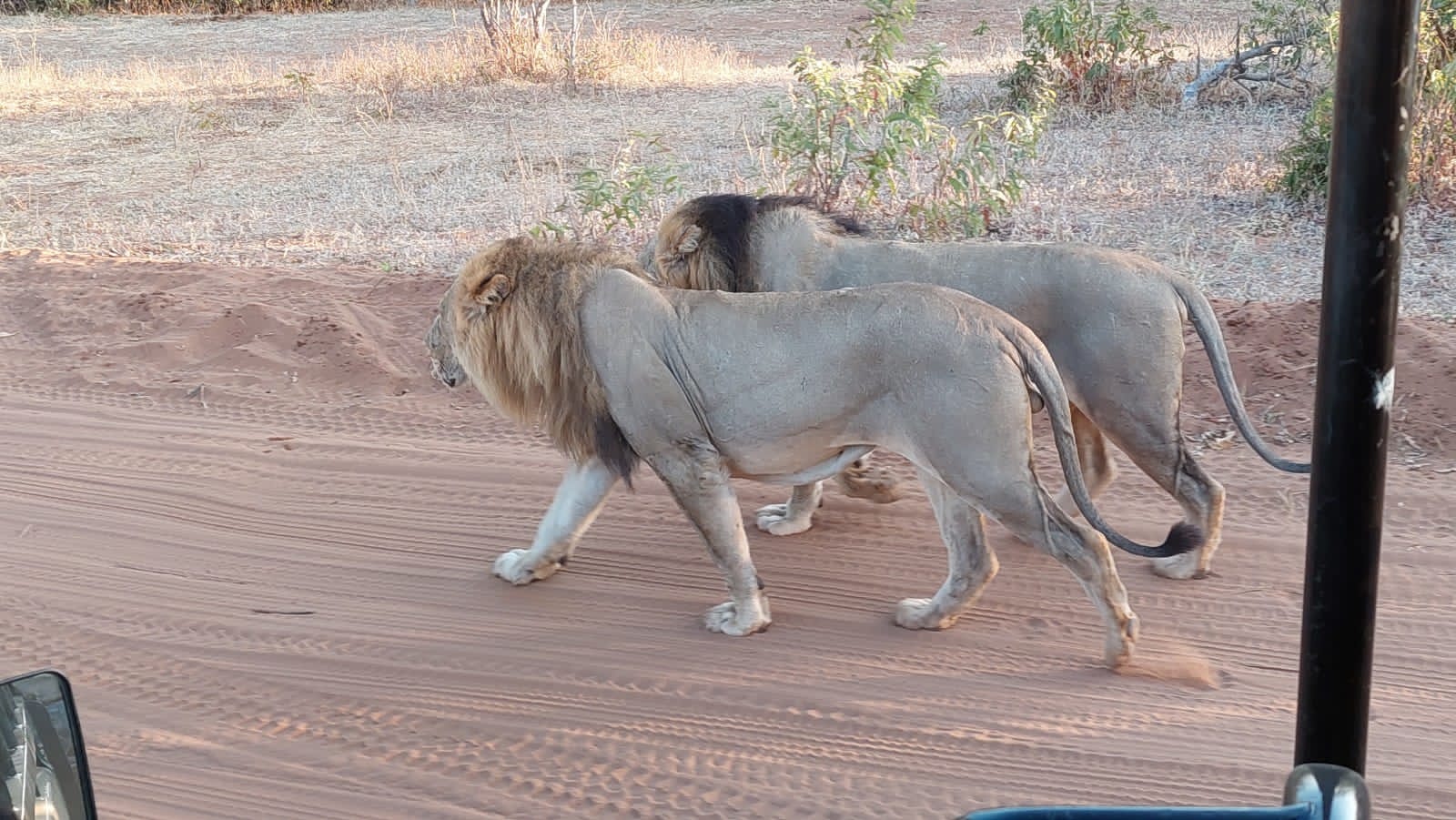
Lions are abundant in South Luangwa and Lower Zambezi. You'll hear roaring at night and spot them on drives. Leopards are present but elusive—sighting one is considered lucky. Buffalo herds are common, especially near water sources.
Wild Dogs and Other Predators
African wild dogs are flourishing in Zambia, particularly in South Luangwa. These endangered predators number over 600 in the park. Watching a pack hunt is extraordinary and relatively common during dry season.
Hyenas, jackals, and African wild cats are frequently seen. Crocodiles inhabit all major rivers. Hippos are abundant in Lower Zambezi and along the Luangwa River. These predators and large animals create dramatic wildlife encounters.
Herbivores and Antelopes
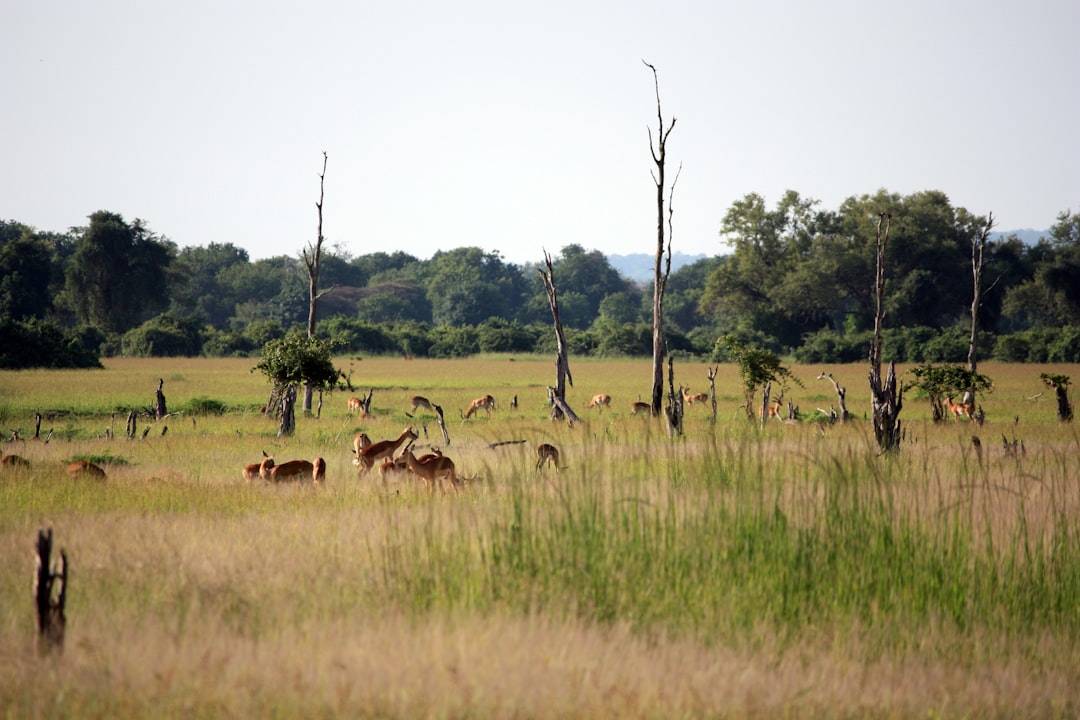
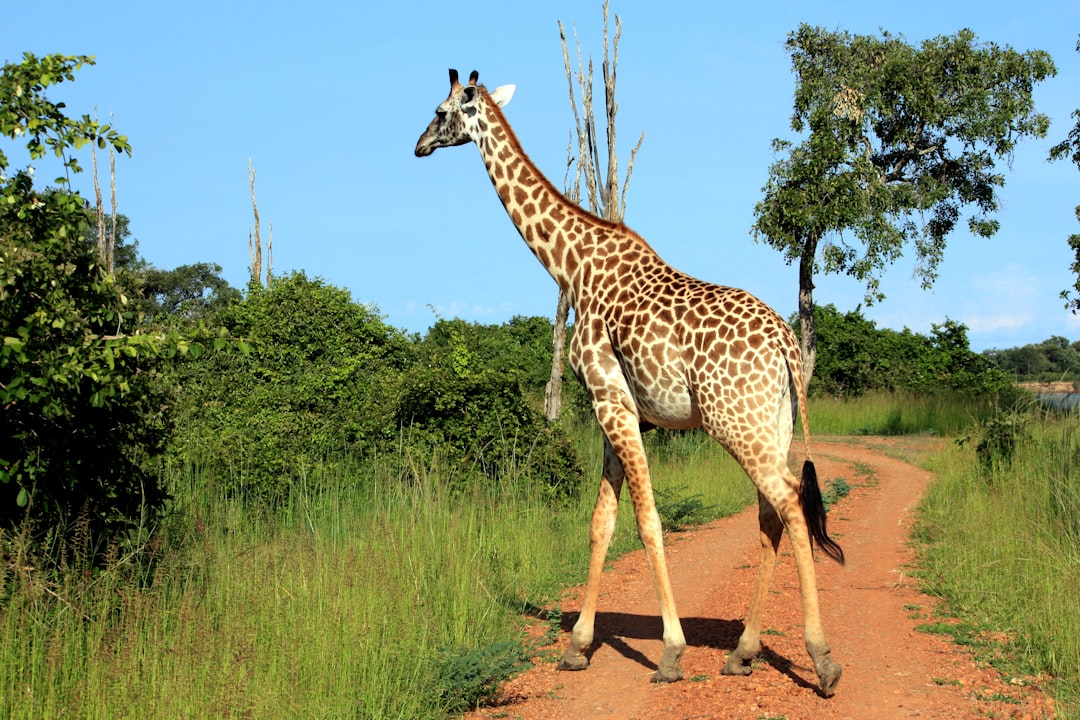
Zambia hosts diverse antelope species including impala, puku, bushbuck, and kudu. Zebras and wildebeest are common on open plains. Giraffes browse acacia trees in northern regions. Warthogs are everywhere, often traveling in family groups.
Hippos are numerous and dangerous. You'll see them basking in water and grazing at night. Respect their space—hippos kill more people than any other African animal.
Birdwatching Paradise
Zambia hosts over 500 bird species, making it a world-class birdwatching destination. The Luangwa River valley is particularly rich in birdlife. African fish eagles, kingfishers, herons, and storks are common.
Green season (November to April) brings migratory species, multiplying birdwatching opportunities. Even non-birders enjoy the colorful species and cheerful calls. Guides can identify dozens of species during a single game drive.
Comparing Zambia to Other African Safari Destinations
Zambia vs. Tanzania
Tanzania's Serengeti is famous for the Great Migration, featuring 1.5 million wildebeest crossing the Mara River. Zambia offers walking safaris and lower crowds instead. Tanzania costs 15–25% more than Zambia for comparable experiences.
Tanzania attracts 300,000+ annual visitors, making it crowded. Zambia remains quieter with intimate experiences. If you prioritize wildlife spectacle, choose Tanzania. If you want authentic wilderness and personal connection, choose Zambia.
Compare Tanzania and Kenya safaris to understand how Zambia stacks up against East African alternatives.
Zambia vs. Botswana
Botswana's Okavango Delta is world-renowned for water-based safaris. However, Botswana costs 30–50% more than Zambia. Zambia offers similar wildlife viewing at lower prices, particularly for walking safaris.
Botswana attracts luxury travelers willing to pay premium prices. Zambia suits budget-conscious travelers seeking authentic experiences. Both countries deliver excellent safaris—Zambia simply offers better value.
Zambia vs. Kenya
Kenya's Masai Mara is famous for the Great Migration and scenic beauty. Kenya costs 20–30% more than Zambia. Zambia offers less crowded experiences with excellent guiding and walking safaris.
Kenya is more developed with better infrastructure and more accommodation options. Zambia is more remote and authentic. Explore budget Kenya packages to see how prices compare to Zambia's affordable options.
Practical Tips for Booking Your Zambia Safari
When to Book
Book your Zambia safari 3–6 months ahead for dry season (May to October) travel. Peak months (July–August) fill quickly, requiring earlier bookings. Shoulder seasons (April and November) need 2–3 months advance notice.
Green season (December–February) can be booked 4–8 weeks ahead. Last-minute bookings are possible but limit your options. Early booking also secures better prices before last-minute surcharges apply.
What to Pack
Pack neutral-colored clothing for game drives—bright colors scare wildlife. Bring long sleeves and pants to protect from sun and insects. A warm layer is essential for cool early mornings (May–August).
Include binoculars, a camera with a good zoom lens, and plenty of memory cards. Bring insect repellent, sunscreen, and a hat. Comfortable walking shoes are crucial for walking safaris. A small backpack holds water and accessories during game drives.
Health and Safety Preparation
Consult your doctor 4–6 weeks before travel. Malaria prevention is essential in low-altitude regions. Yellow fever vaccination is recommended. Ensure routine vaccinations are current.
Bring necessary medications in original containers. Travel insurance is highly recommended and often required. Choose policies covering medical evacuation. Safari camps have basic medical facilities but serious cases require evacuation to larger cities.
Booking Through Verified Operators
Use SafariFind to find verified Zambia safari operators with authentic reviews. Read detailed feedback from previous travelers about their experiences. Compare packages, prices, and ratings before booking.
Verified operators provide transparent pricing, professional guides, and reliable service. Avoid unverified operators offering suspiciously cheap packages. Quality safaris require experienced guides and well-maintained camps—these cost money.
Learn how to identify legitimate safari operators before committing your money and vacation time.
Key Takeaways
- Book your Zambia safari 3–6 months ahead to secure the best camps and prices during peak dry season (May–October).
- Expect to pay $700–$1,200+ per person per night, with 7-day packages starting from $5,680—significantly cheaper than Botswana or Kenya.
- Walking safaris in South Luangwa offer intimate wildlife experiences that set Zambia apart from crowded competitor destinations.
- Combine Kafue and Lower Zambezi parks with canoe safaris on the Zambezi River for diverse wildlife and adventure activities.
- Use SafariFind to compare verified operators and read authentic reviews before booking—avoid unverified operators offering suspiciously low prices.
Frequently Asked Questions
Is Zambia good for safari in 2026?
Yes, Zambia is excellent for safari in 2026. It's known for walking safaris, low visitor density, and competitive pricing. You'll experience authentic wilderness with expert guiding and fewer crowds than Tanzania or Kenya. Elephant populations are rebounding, wild dogs are flourishing, and conservation efforts are succeeding.
How much does a Zambia safari cost in 2026?
A 7-day Zambia safari costs between $5,680 and $8,400 per person, depending on camp quality and season. Good camps start at $700 per person per night. Green-season rates drop to $840 per night at quality camps. This pricing is 20–30% cheaper than Botswana and 15–25% cheaper than Tanzania for comparable experiences.
What is the best time to visit Zambia for safari?
May to October is the best time for safari in Zambia. The dry season concentrates wildlife around water sources, making sightings reliable. July and August are coolest with the highest wildlife concentrations. September and October offer warmer weather and lower prices as crowds thin. Green season (November–April) offers 30–50% discounts but less predictable wildlife viewing.
Is Zambia safe for safari tourism?
Yes, Zambia is safe for safari tourism in 2026. Major safari regions have established security and experienced staff. Tourist areas concentrate in well-developed regions with reliable infrastructure. Wildlife safety is well-managed through proven guide protocols and proper training. Health precautions like malaria prevention are standard.
What wildlife will I see on a Zambia safari?
Zambia hosts all Big Five animals except rare rhinos. You'll reliably see elephants, lions, buffalo, and leopards. African wild dogs are flourishing in South Luangwa—sighting a pack is relatively common. Over 500 bird species make Zambia a world-class birdwatching destination. Hippos, crocodiles, zebras, giraffes, and diverse antelopes are abundant.
How do I get to Zambia safari camps?
Fly to Livingstone International Airport or Lusaka International Airport. From there, domestic flights connect to camp airstrips (typically 1.5–2 hours). Most safari packages include domestic flights, costing $150–$300 per person. Ground transport is possible but time-consuming (10+ hours from Lusaka to South Luangwa). Camps arrange all transportation logistics for you.
How can I book a Zambia safari safely?
Use SafariFind to find verified Zambia safari operators with authentic traveler reviews. Compare packages, prices, and ratings before booking. Read detailed feedback about guide quality, camp conditions, and customer service. Avoid unverified operators offering suspiciously cheap packages. Quality safaris require experienced guides and well-maintained camps—these cost money and justify premium pricing.
Conclusion
Zambia is an outstanding safari destination in 2026 that delivers exceptional value, authentic wilderness experiences, and world-class guiding. The country's walking safaris, low visitor density, and competitive pricing make it superior to more expensive alternatives like Botswana and Kenya. Whether you're a first-time safari traveler or an experienced adventurer, Zambia offers something special.
The dry season from May to October is ideal for wildlife viewing and comfortable weather. Book 3–6 months ahead to secure the best camps at competitive rates. A 7-day package combining Kafue and Lower Zambezi costs from $5,680 per person, offering remarkable value for the experience you'll receive.
South Luangwa National Park's walking safaris are unmatchable for intimate wildlife encounters. Lower Zambezi's canoe safaris add adventure and perspective. Kafue's remote wilderness rewards adventurous travelers. Each region offers distinct experiences that together create an unforgettable Zambia safari.
Wildlife conservation is succeeding in Zambia. Elephant populations are rebounding, and wild dogs are thriving. Your safari dollars directly support habitat protection and community development. You'll witness conservation success while experiencing African wilderness at its finest.
Ready to explore Zambia's exceptional safaris? Compare verified Zambia safari packages on SafariFind to find options matching your budget and preferences. Read authentic reviews from previous travelers, request quotes from verified operators, and book with confidence. Your Zambia adventure awaits in 2026.
Plan Your Safari with SafariFind
These recommendations use real data from SafariFind, where you can compare operators, browse packages, and read verified traveler reviews before you book.
Recommended Safari Operators from SafariFind
Recommended Safari Packages from SafariFind
What Travelers Say (SafariFind Reviews)
References
- Wildlife Conservation In Zambia | Journeys With Purpose
- Is Zambia Good for Safari in 2026? | Crafted Africa
- Just Back from Zambia: A Thrilling Two Rivers Safari | Fauna Travel
- The Best Countries for Safari in 2026 | Holiday.com
- Zambia Travel Safety 2026, Essential Risk Awareness Guide | Travel Safe SOS
- Experience Slow Safaris in Zambia in 2026 – Alluring Africa
- Best Zambia Tours and Cruises 2026-2027 | Adventure Life
- Best Value Safaris in Africa 2026 | African Budget Safaris
Sources
- Wildlife Conservation In Zambia | Journeys With Purpose
- Is Zambia Good for Safari in 2026? | Crafted Africa
- Just Back from Zambia: A Thrilling Two Rivers Safari | Fauna Travel
- The Best Countries for Safari in 2026 | Holiday.com
- Zambia Travel Safety 2026, Essential Risk Awareness Guide | Travel Safe SOS
- Experience Slow Safaris in Zambia in 2026 – Alluring Africa
- Best Zambia Tours and Cruises 2026-2027 | Adventure Life
- Best Value Safaris in Africa 2026 | African Budget Safaris
Related to
Ready to start your safari adventure?
Explore curated safari packages and find your perfect African adventure with verified operators.