Kenya National Park Fees & Availability 2026
Non-resident adults pay USD 80–200 per day across Kenya's major parks in 2026, depending on park tier and season. Entry is available year-round via KWS eCitizen portal and gate payment; book permits 2+ weeks ahead.

Kenya National Park Fees 2026 at a Glance
Kenya's national parks operate under a tiered fee structure set by the Kenya Wildlife Service (KWS) and county-managed reserves. Non-resident international adults pay between USD 80 and USD 200 per 24-hour period, while East African citizens and Kenya residents enjoy significantly lower rates . Fees are per person per day and do not include vehicle charges or conservancy fees at private reserves.
All major parks are open year-round, though peak season (July–February) applies surcharges at some reserves. Payment is accepted via card, mobile money (M-Pesa), or cash at gates, though advance online booking through the KWS eCitizen portal is strongly recommended .
Quick Fee Reference: Non-Resident Adults (USD)
| Park / Reserve | Adult | Child (3–17 yrs) | Notes |
|---|---|---|---|
| Masai Mara National Reserve | $100–200* | $50 | *High season (July–Dec) $200; low season (Jan–Jun) $100. 12-hour validity, county-managed |
| Amboseli National Park | $90 | $45 | Premium park tier, flat year-round |
| Lake Nakuru National Park | $90 | $45 | Premium park tier, flat year-round |
| Tsavo East & West NP | $80 | $40 | Wilderness tier, KWS-managed, 24-hour validity |
| Nairobi National Park | $80 | $40 | Urban safari, 24-hour validity, no seasonal variation |
| Samburu National Reserve | $85 | $50 | County-managed, 24-hour validity |
| Meru National Park | $70 | $35 | Wilderness tier |
| Hell's Gate National Park | $50 | $25 | Scenic/mountain tier, hiking available |
Detailed Park Fees by Tier (2026)
Premium Parks: Amboseli & Lake Nakuru
Kenya's two premium parks—Amboseli National Park and Lake Nakuru National Park—charge the highest KWS rates . Both are open year-round with no seasonal variation in 2026.
| Visitor Category | Adult | Child / Student (3–17) |
|---|---|---|
| Non-Resident | $90 | $45 |
| African Citizen (non-East African) | $50 | $25 |
| Kenya Resident | KES 2,025 | KES 1,050 |
| East African Citizen | KES 1,500 | KES 750 |
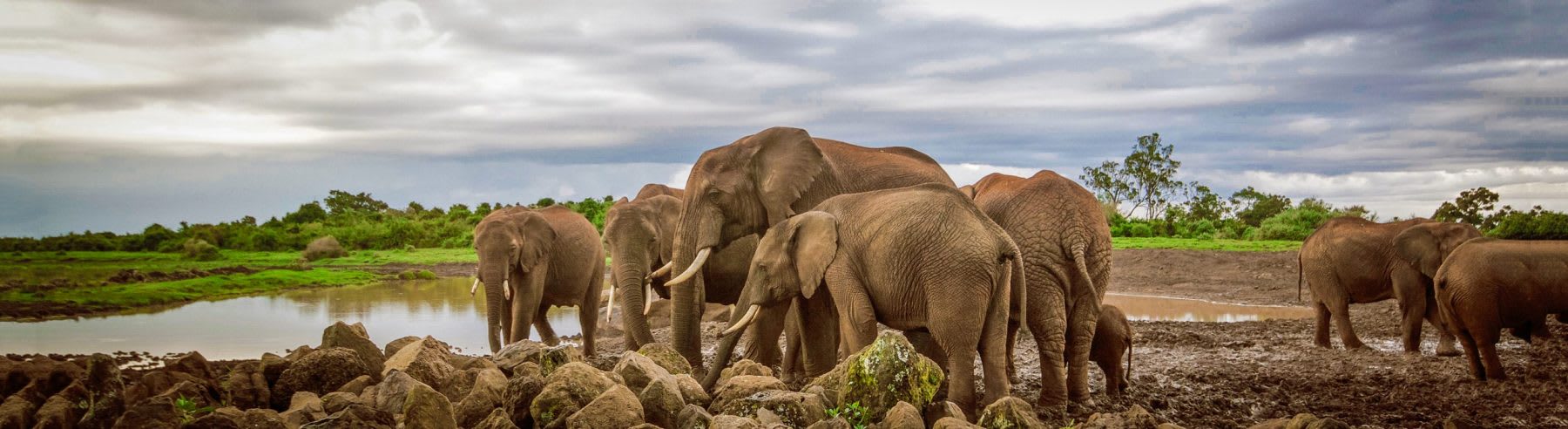
Amboseli is famous for Mount Kilimanjaro views and large elephant herds. Lake Nakuru offers rhino viewing and flamingo populations. Both parks allow 24-hour validity per entry .
Wilderness & Urban Parks: Tsavo, Nairobi, Meru
Tsavo East and Tsavo West National Parks (combined fee) and Nairobi National Park fall into the mid-tier category. Tsavo was updated under the KWS Wildlife Conservation and Management (Access and Conservation) (Fees) Regulations, 2025—the first major revision in 18 years .
| Visitor Category | Tsavo / Nairobi Adult | Tsavo / Nairobi Child |
|---|---|---|
| Non-Resident | $80 | $40 |
| African Citizen (non-East African) | $40 | $20 |
| Kenya Resident | KES 1,350 | KES 675 |
| East African Citizen | KES 1,000 | KES 500 |
Meru National Park charges USD 70 for non-resident adults and USD 35 for children . All three parks offer 24-hour validity and are open year-round .
Nairobi National Park, located within the capital, is unique for offering a safari experience without leaving the city. The 2026 fee structure removed seasonal pricing (previously low/high season rates applied), replacing it with a flat annual rate .
County-Managed Reserves: Masai Mara & Samburu
Masai Mara National Reserve, managed by Narok County, is Kenya's most iconic reserve and operates on a strict 12-hour validity rule (not 24 hours like KWS parks). Fees vary seasonally :
| Season | Non-Resident Adult | Non-Resident Child (9–17) | East African Citizen Adult |
|---|---|---|---|
| High Season (July–December) | $200 | $50 | KES 4,500 |
| Low Season (January–June) | $100 | $50 | KES 2,500 |
Children aged 0–8 enter free; ages 9–17 pay the child rate . The Masai Mara fee cannot be combined with a KWS park pass on the same day .
Samburu National Reserve, managed by Samburu County, charges :
| Visitor Category | Adult | Child / Student (5–17) |
|---|---|---|
| Non-Resident | $85 | $50 |
| Kenya Resident | KES 1,600 | KES 800 |
| East African Citizen | KES 800 | KES 500 |
Samburu is known for the "Samburu Special Five"—species unique to the reserve—and is considerably cheaper than Masai Mara for non-residents .
Scenic & Mountain Parks: Hell's Gate, Aberdare, Mount Kenya
Smaller parks focused on hiking, rock climbing, or geothermal features charge lower fees :
- Hell's Gate National Park: USD 50 (adult), USD 25 (child)—permits geothermal walks and rock climbing
- Aberdare National Park: USD 70 (adult), USD 35 (child)—mountain forest reserve
- Mount Kenya National Park & Reserve: USD 80 (adult), USD 35 (child)—day hikes available
Vehicle Entry Fees (Separate Charge)
Vehicle fees are charged in addition to personal entry fees and vary by park and vehicle size. Examples from major parks:
| Vehicle Type | Nairobi NP | Tsavo / Samburu | Masai Mara |
|---|---|---|---|
| Car (< 6 seats) | KES 600 | KES 800 | KES 1,000–1,500* |
| Minibus (6–12 seats) | KES 1,500 | KES 1,600 | KES 2,000–3,000* |
| Bus (13–24 seats) | KES 3,000 | KES 3,000+ | KES 3,000–5,000* |
*Masai Mara rates vary by operator; confirm at entry.
Self-driving is permitted in most KWS parks; vehicle fees apply whether you drive yourself or arrive via a tour operator .
Private Conservancies & Conservation Fees
Beyond government parks, several private conservancies border the Masai Mara and operate independently, charging their own daily fees :
- Mara North Conservancy, Olare Motorogi, Mara Naboisho: USD 80–150 (adult), USD 45–75 (child)
- Ol Pejeta Conservancy: USD 110 (adult), USD 55 (child)—includes community conservation programs
- Lewa Wildlife Conservancy: USD 130 (adult), USD 65 (child)
Conservancy fees are usually built into lodge/camp nightly rates and go directly toward anti-poaching, ranger salaries, and community development. These fees are separate from and in addition to any main reserve entry fees if guests cross into Masai Mara proper .
Camping & Special Activity Fees
If you plan to camp within parks, additional fees apply:
| Activity | Non-Resident Adult | Citizen / Resident Adult |
|---|---|---|
| Public Campsite (per night) | USD 30 | KES 1,000 |
| Private Campsite (per night) | USD 40 | KES 1,500 |
| Hot Air Balloon Landing (Masai Mara) | USD 50 | USD 50 |
| Mount Kenya Day Climb | USD 52 | KES 430 |
Balloon safaris and guided mountain climbs are popular add-ons; confirm whether these are included in your package .
How to Pay Park Fees
Online Booking (Recommended)
The KWS eCitizen Portal [kws.ecitizen.go.ke] allows advance payment for KWS parks (Amboseli, Lake Nakuru, Tsavo, Nairobi, Meru, Hell's Gate, Mount Kenya, Aberdare) . Steps:
- Create or log into your eCitizen account
- Select your park and entry date
- Pay via Visa, Mastercard, or M-Pesa
- Print your confirmation receipt
- Present at the park gate
Advance booking is highly recommended for peak season (July–February) and allows you to skip queues at entry gates .
Gate Payment
Most parks accept payment directly at the gate via:
- Credit/Debit Card: Visa and Mastercard accepted at all major park gates
- M-Pesa (Mobile Money): Kenya's primary mobile payment system; available at all KWS gates
- Cash: USD and KES accepted, though change may be limited
Gate payment typically takes 15–30 minutes per vehicle during low season; expect 1–2 hours during peak season. Having your passport ready (for nationality verification) speeds up entry .
County-Managed Reserves (Masai Mara, Samburu)
Masai Mara and Samburu do not use the KWS eCitizen system. Payment is made directly at reserve gates via card, M-Pesa, or cash. Most safari operators include park fees in their package prices and handle payment on your behalf .
Park Availability & Seasonal Considerations
Year-Round Access
All major Kenya parks are open 365 days a year. However, accessibility and wildlife viewing vary by season :
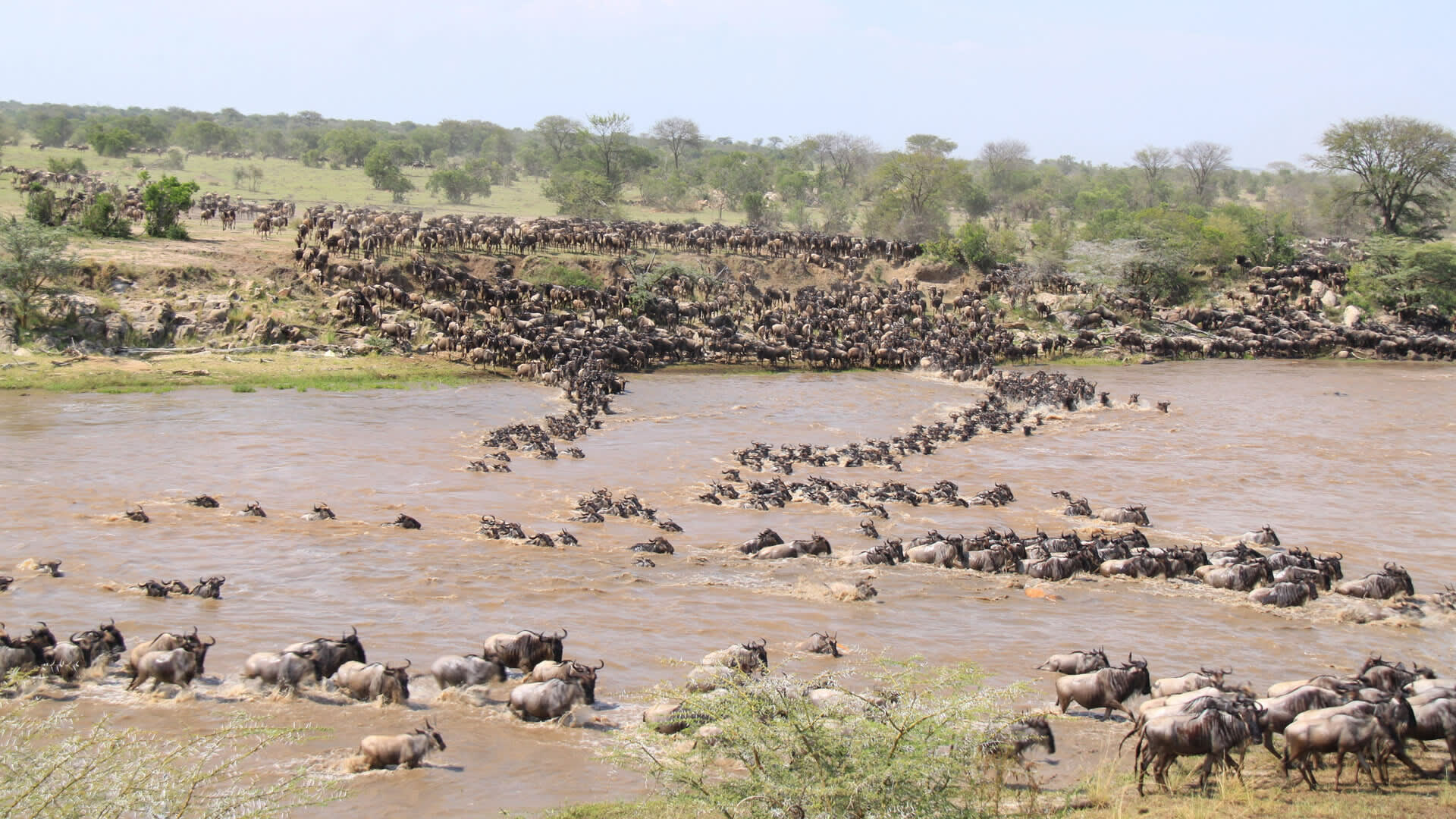
- Peak Season (July–October): Dry conditions, large predator concentrations, highest prices. Masai Mara fees double; KWS parks maintain flat rates. Expect heavy tourist traffic and full lodges.
- Shoulder Season (November–June): Scattered rainfall, lower tourism, better rates at Masai Mara. Excellent for budget-conscious travelers and those seeking solitude.
- Wet Season (April–May): Lush vegetation, fewer tourists, lowest prices. Some unpaved roads become challenging; 4×4 essential.
Permit & Advance Booking Requirements
Unlike gorilla trekking in Uganda or Rwanda, Kenya's national parks do not require special permits issued weeks in advance. However, advance booking is strongly recommended during peak season to secure lodge availability and avoid gate delays .
For US citizens and other international travellers, ensure your Kenya eVisa or entry permit is valid before paying park fees; entry without valid travel documentation will result in denial of entry and fee loss .
Money-Saving Tips for International Travellers
Bundle Parks into Multi-Day Safaris
Most all-inclusive safari packages include park entry fees in the nightly rate, spreading costs across multiple days and reducing per-day expense. A 5-day Masai Mara safari typically costs less per day than paying gate fees separately .
Travel in Low Season
Visiting January–June (outside peak season) can reduce total safari costs by 30–50%. Masai Mara fees drop from USD 200 to USD 100 per day; KWS parks maintain flat rates but lodges offer 40–60% discounts .
Combine Nearby Parks
If visiting multiple parks in one trip, prioritize geographically close options to minimize driving time and fuel costs. For example, pairing Tsavo East with Tsavo West (same fee tier) or Amboseli with Kilimanjaro (Tanzania) offers good value .
Verify Package Inclusions
Always confirm in writing whether your safari operator includes park fees, vehicle charges, and activity costs (balloons, guides). Fly-in safaris sometimes exclude gate fees, requiring payment upon landing .
Consider Conservancies for Value
Samburu National Reserve (USD 85) and private conservancies like Mara Naboisho offer excellent wildlife viewing at lower cost than Masai Mara's peak-season USD 200 fee. Conservancy stays often include off-road driving and night drives not permitted in main reserves .
Frequently Asked Questions
FAQs appear in a separate structured section below this content.
Verification & Updates
Last checked July 2026 — Kenya's park fees are reviewed annually by the Kenya Wildlife Service and county authorities. While major revisions are rare (the last KWS-wide update occurred in September 2025, ending an 18-year freeze), fees can change without notice . Always confirm current rates with the official KWS eCitizen portal [kws.ecitizen.go.ke] or your tour operator before finalizing your budget.
For the most current information, contact:
- KWS Parks: kws.ecitizen.go.ke or call +254 20 600 800
- Masai Mara National Reserve: narokmaracounty.go.ke
- Samburu National Reserve: samburureserve.com
Frequently Asked Questions
Can kids go on a safari in Kenya?
Yes, children of all ages can visit Kenya's national parks. Children aged 0–3 typically enter free; ages 3–17 pay reduced child rates (usually 40–50% of adult fees). However, safari suitability depends on age and physical ability—children under 5 may struggle with long game drives, and some remote reserves recommend minimum ages of 8–10. Consult your lodge or tour operator about age-appropriate activities and vehicle comfort .
What is the cost of a safari in Kenya and Tanzania?
Kenya national park fees range from USD 50 (Hell's Gate) to USD 200 (Masai Mara peak season) per day for non-residents. When combined with accommodation, meals, and guides, a 5-day safari typically costs USD 2,000–5,000 per person all-inclusive. Tanzania's Serengeti and Kilimanjaro offer similar pricing. Multi-country packages combining Kenya and Tanzania usually cost USD 3,500–7,000 for 7–10 days .
How much does it cost to visit Nairobi National Park?
Non-resident adults pay USD 80 per 24-hour entry; children (3–17) pay USD 40. Kenya residents pay KES 1,350 (adult) and KES 675 (child). Vehicle fees are additional: KES 600 for a car under 6 seats. The park is open year-round and allows 24-hour validity with no seasonal variation in 2026 .
How do I book a guided safari online in Kenya?
For KWS parks, use the official eCitizen portal (kws.ecitizen.go.ke): create an account, select your park and date, pay via card or M-Pesa, and print your receipt to present at the gate. For county reserves (Masai Mara, Samburu) and private conservancies, book through your safari operator or lodge, which typically handles all fees. Advance booking is recommended 2–4 weeks ahead during peak season .
What are the visa requirements for US citizens visiting Kenya for tourism?
US citizens require an eVisa or visa on arrival. The eVisa is obtained online via ecitizen.go.ke and costs USD 50; it is valid for 90 days from issue. Alternatively, a visa on arrival is available at Jomo Kenyatta International Airport (Nairobi) for the same fee. You must have a valid US passport with at least 6 months validity. For detailed guidance, see the Kenya Visa for American Citizens 2026 guide .
What vaccinations are recommended for US citizens travelling to Kenya for safari?
The CDC recommends Yellow Fever, Typhoid, and Hepatitis A/B vaccinations for Kenya travel. Malaria prophylaxis is essential for most safari regions (especially Tsavo, Samburu, and Masai Mara). Routine vaccines (MMR, tetanus, polio) should be current. Consult your doctor 4–6 weeks before travel. For comprehensive details, see Vaccinations & Health Rules for Kenya: US Citizens 2026 .
What is the difference between Masai Mara and Amboseli National Park?
Masai Mara (USD 100–200/day, county-managed, 12-hour validity) is Kenya's largest reserve with the highest predator density and annual wildebeest migration (July–October). Amboseli (USD 90/day, KWS-managed, 24-hour validity) is smaller but famous for Mount Kilimanjaro views and large elephant herds. Masai Mara is pricier and more crowded during peak season; Amboseli offers a more intimate, mountain-focused experience year-round .
Can I self-drive in Kenya national parks?
Yes, self-driving is permitted in most KWS parks (Tsavo, Nairobi, Amboseli, Mount Kenya, Hell's Gate) and county reserves. You must have an International Driving Permit or valid driving license from your home country. Vehicle fees apply in addition to personal entry fees. A 4×4 vehicle is recommended for remote areas and wet-season travel. Guided game drives via lodge operators are also available and often included in safari packages .
Are park entry fees included in safari packages?
Most reputable all-inclusive safari packages include park entry fees in the total price. However, fly-in safaris sometimes exclude the gate fee, which is payable on arrival. Always confirm in writing with your operator whether park fees, vehicle charges, and activity costs (balloons, guides) are included before booking. This prevents double-payment and budget surprises .
What is the best time to visit Kenya for budget-conscious travellers?
Low season (January–June) offers the best value: Masai Mara fees drop 50% (USD 100 vs. USD 200), and lodges offer 40–60% discounts. April–May (wet season) is cheapest but roads can be challenging. Shoulder months (November and June) balance reasonable prices with good wildlife viewing. Peak season (July–October) is most expensive but offers the highest predator concentrations and Masai Mara's wildebeest migration .
Do I need a special permit to visit Kenya's national parks?
No special advance permit is required for Kenya's national parks, unlike gorilla trekking in Uganda or Rwanda. Entry is granted upon payment at the gate or via online booking. However, your passport must be valid for at least 6 months, and you must have a valid Kenya eVisa or visa. For British citizens, the eVisa process is the same: apply online at ecitizen.go.ke for USD 50 .
Which Kenya safari is better: Masai Mara or Tsavo?
Masai Mara is better for predators and the wildebeest migration (July–October) but costs USD 100–200/day and is heavily touristed. Tsavo (East and West combined) is larger, less crowded, costs only USD 80/day, and offers excellent leopard and elephant viewing. Choose Masai Mara for iconic big cats; choose Tsavo for solitude and value. Many travelers visit both for a comprehensive Kenya experience .
Sources
- Nairobi National Park – Kenya Wildlife Service(official)
- Nairobi National Park Entry Fees 2026 & 2027
- Tsavo Park Entry Fees & Rules 2026 – Tsavo National Park Kenya
- Park Entry Fees & Rules 2026 & 2027 – Lake Nakuru National Park
- Masai Mara Park Entry Fee 2026: Tickets, Rules & Costs
- Samburu National Reserve Entry Fees 2026
- Kenya Wildlife Service eCitizen Online Portal(official)
- Samburu National Reserve Entry Fees & Park Rules 2026
Related to
Ready to start your safari adventure?
Explore curated safari packages and find your perfect African adventure with verified operators.