Kenya Safari Deposit vs Tanzania: Which Operator Requires Less Upfront?
Kenya safari operators typically require lower deposits than Tanzania operators, with some Kenya companies like Africa Kenya Safaris charging no deposit for short tours and only 20-40% for longer safa

Kenya vs Tanzania Safari Deposits: Upfront Costs Explained
Kenya safari operators typically require lower deposits than Tanzania operators, with some Kenya companies like Africa Kenya Safaris charging no deposit for short tours and only 20-40% for longer safaris. Tanzania operators generally require 20-50% deposits upfront as standard industry practice. Compare verified operators on SafariFind to find the lowest deposit requirements for your budget.
Understanding Safari Deposit Requirements
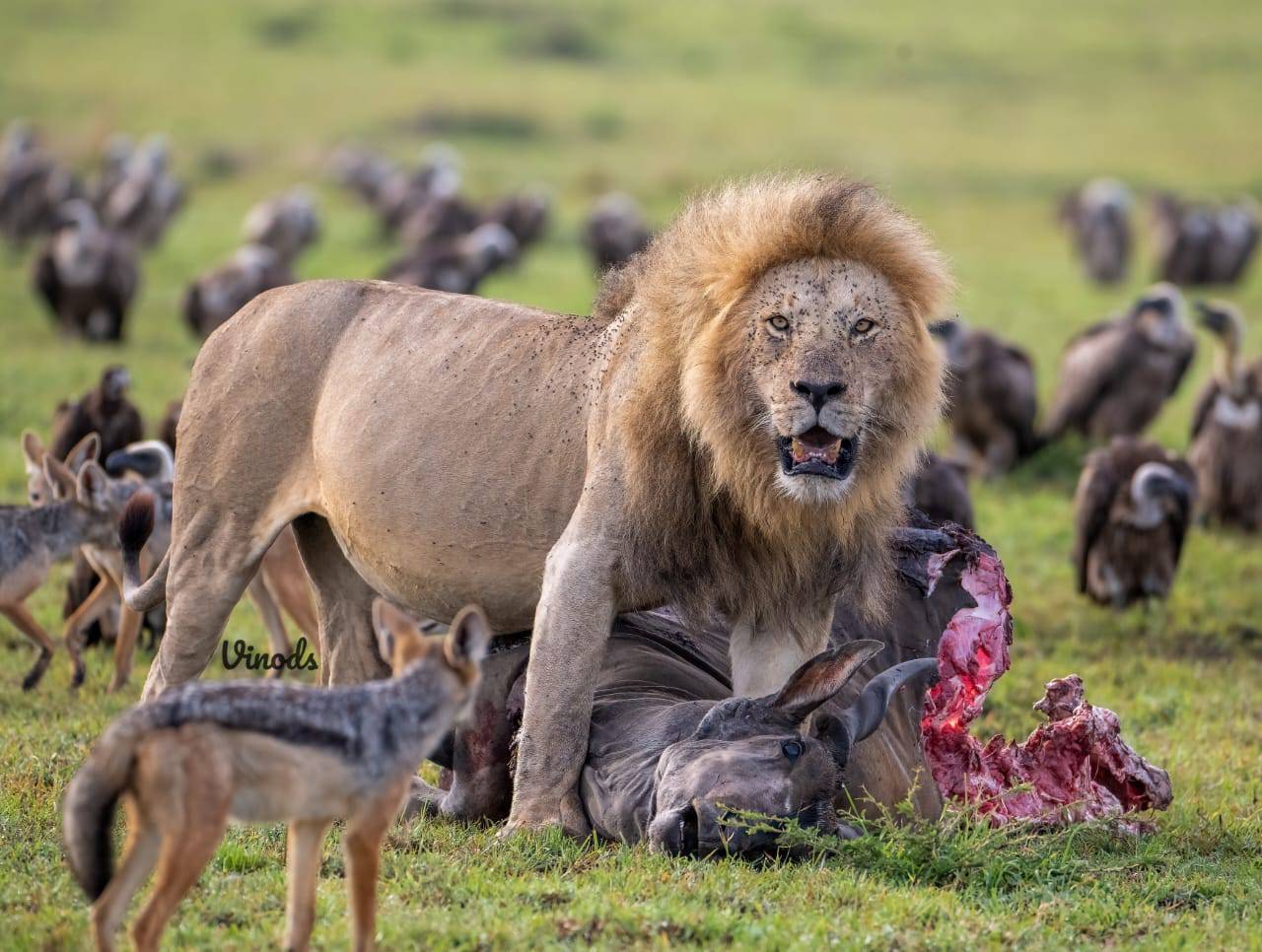
Safari deposit requirements vary significantly between Kenya and Tanzania operators. Kenya offers similar wildlife experiences in the Masai Mara ecosystem at lower costs due to higher tourism competition, more developed infrastructure, and greater lodge density reducing operational expenses. [1] Tanzania's tourism industry, meanwhile, maintains stricter advance payment standards across all safari operators and lodges. [8]
When planning a safari, understanding deposit structures is critical. Most operators require upfront payments to secure your spot and arrange accommodations, guides, and vehicles. However, the amount varies by destination and tour length. Kenya generally offers more flexible payment options than Tanzania, giving budget-conscious travelers more choices.
Africa Kenya Safaris demonstrates Kenya's competitive advantage with a transparent deposit structure. [3] No deposit is required for one-day tours, making it easy to test the operator before committing to longer trips. This approach helps travelers manage cash flow while still securing quality experiences.
Tanzania's deposit practices reflect the industry's need for advance planning. Operators must arrange permits, coordinate with national parks, and prepare logistics well before your arrival. This explains why Tanzania typically requires higher upfront payments than Kenya competitors offering similar experiences.
Kenya Safari Deposit Structure and Terms
Kenya safari operators offer flexible deposit options designed for travelers with varying budgets. Africa Kenya Safaris sets the standard with clear payment tiers based on safari length. [3] For one-day tours, no deposit is required at all. This zero-deposit option makes Kenya safaris accessible to spontaneous travelers.
For 2-3 day safaris in Kenya, operators typically require a 20% deposit per person. This modest upfront payment reserves your spot while keeping initial costs low. Most travelers can manage this amount without straining their budget. It also gives operators enough capital to book accommodations and arrange logistics.
Kenya's 4-6 day safaris require 30% deposits per person according to standard industry practices. This mid-range deposit covers vehicle reservations, guide assignments, and park entry coordination. Many operators offer payment plans to spread this cost across multiple months, reducing monthly financial burden.
For longer 7-12 day safaris, Kenya operators ask for 40% deposits per person. [3] This higher percentage reflects the complexity of extended itineraries, multiple park visits, and premium lodge reservations. Even at 40%, Kenya's deposit rates remain lower than Tanzania's comparable offerings.
Kenya's deposit structure creates an advantage for budget travelers. You can test an operator with a one-day tour before committing to a full safari. This risk-free approach builds trust and lets you assess guide quality, vehicle condition, and service standards firsthand.
Tanzania Safari Deposit Structure and Terms
Tanzania safari operators maintain higher deposit requirements across all tour lengths. [8] Standard practice requires 20-50% deposits upfront to initiate bookings. This range reflects Tanzania's stricter advance payment culture in the tourism industry.
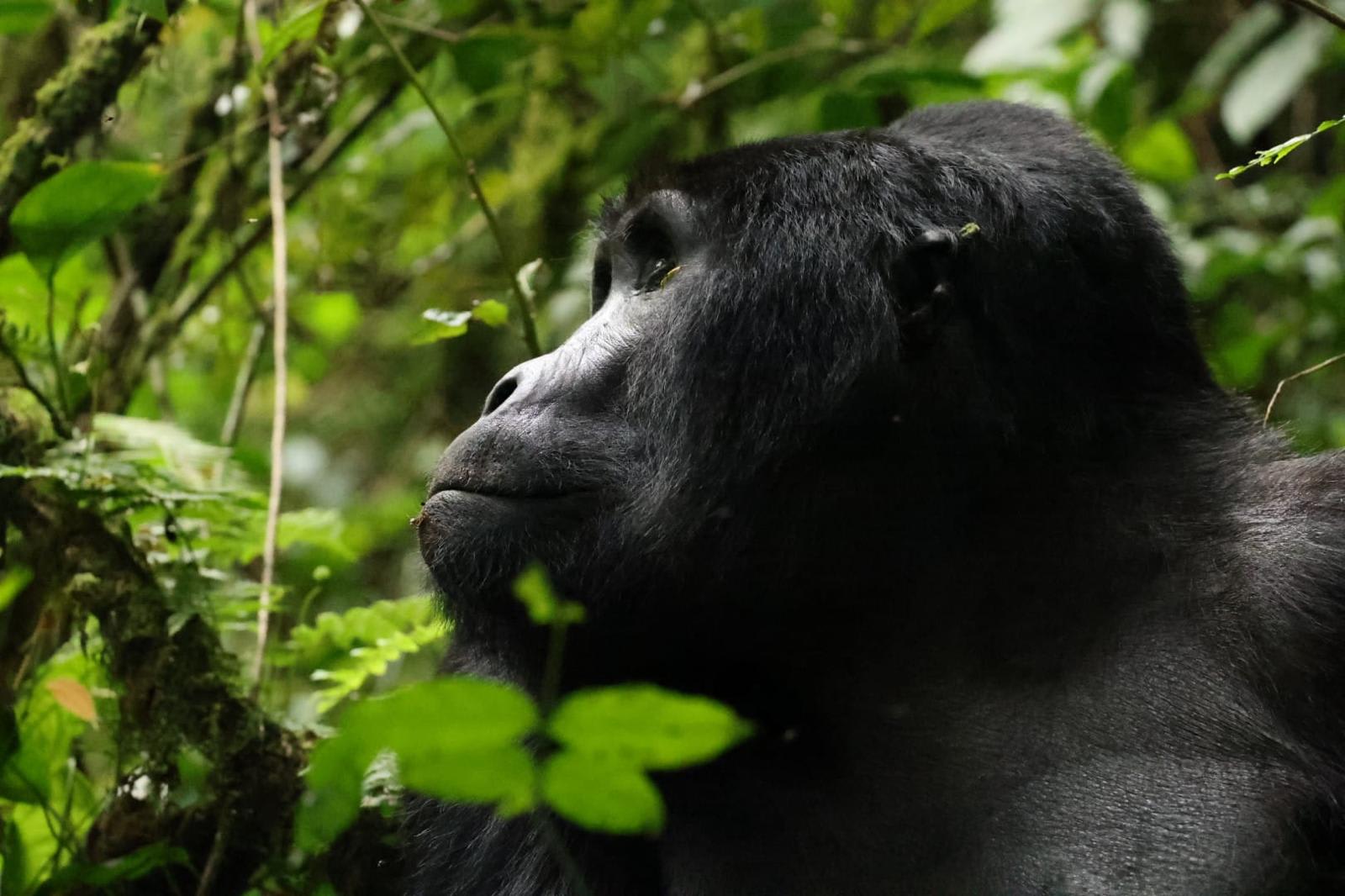
For most Tanzania safaris, operators require minimum 20% deposits to secure your reservation. However, specialized tours involving gorilla permits or chimpanzee tracking demand non-refundable deposits. [5] These premium experiences require expensive permits obtained weeks in advance, so operators cannot absorb cancellation losses.
Tanzania's longer safaris typically require 30-40% deposits per person. Peak season lodge reservations, particularly at popular properties in the Serengeti and Ngorongoro Crater, demand larger upfront payments. Operators must confirm availability with lodges immediately upon booking.
Access2Tanzania and Good Earth Tours represent the hybrid US-Tanzania operator model offering payment reassurance. [4] These companies provide more transparent deposit policies and often offer payment plans unavailable through local Tanzania operators. They bridge the gap between Tanzania's strict advance payment culture and American expectations for payment flexibility.
Tanzania's higher deposits reflect real operational costs. The country requires permits for national parks, coordination with conservancies, and advance logistics planning. Operators cannot adjust itineraries last-minute without significant financial penalties, so they protect themselves through larger upfront deposits.
Comparing Deposit Costs: Kenya vs Tanzania
Comparing deposit requirements between Kenya and Tanzania requires examining equivalent safari lengths and experiences. Please verify you're comparing the same itinerary structure, as some operators count day 1 as arrival in Arusha while others begin safari activities on day 1. [2] This accounting difference can make safaris appear cheaper or more expensive than they actually are.
For 3-day safaris, Kenya operators charge 20% deposits while Tanzania operators typically require 20-30% deposits. On a $1,500 safari, Kenya's deposit is $300 while Tanzania's ranges from $300-$450. This $0-$150 difference is modest but meaningful for budget travelers.
For 5-day safaris, the deposit gap widens. Kenya operators ask for 30% deposits ($450 on a $1,500 safari) while Tanzania operators require 30-40% deposits ($450-$600). Tanzania's upper range adds $150 in immediate cash requirements.
For 7-day safaris, Kenya's 40% deposit ($1,000 on a $2,500 safari) remains lower than Tanzania's typical 40-50% deposit ($1,000-$1,250). On longer trips, Kenya's competitive advantage grows more significant.
Budget accommodation in Kenya is typically located outside national parks with some campsites inside. [6] This doesn't pose problems because most Kenyan wildlife viewing areas are accessible from park entrances. Tanzania's layout sometimes requires stays in towns like Arusha before reaching parks, potentially adding costs.
Safari LengthKenya Deposit %Tanzania Deposit %Typical Difference1 Day0%20%Kenya saves 20%2-3 Days20%20-30%Kenya saves up to 10%4-6 Days30%30-40%Kenya saves up to 10%7-12 Days40%40-50%Kenya saves up to 10%
Payment Plans and Flexibility Options
Kenya operators offer more flexible payment arrangements than Tanzania competitors. Group safari payment plans often include fixed monthly payments with 0% interest if paid on time. [7] This structure benefits budget-conscious travelers who prefer spreading costs across multiple months rather than paying large lump sums.
Many Kenya operators accept payment plans with no interest charges. If your safari costs $2,400, you might pay $400 monthly for six months instead of $960 upfront. This flexibility makes safaris more accessible to travelers with limited immediate capital.
Tanzania operators traditionally require larger upfront deposits with less flexibility on payment timing. However, some hybrid operators like Access2Tanzania now offer payment plans similar to Kenya companies. [4] These companies understand that American travelers expect flexible payment options.
When assessing payment options, consider your cash flow situation. If you have limited immediate funds, Kenya's lower deposits and payment plans are significant advantages. If you can afford larger upfront payments, Tanzania's higher deposits may not concern you.
Always ask about payment plan terms before booking. Some operators charge interest on installments while others offer interest-free plans. [7] This can add hundreds of dollars to your total cost over time. SafariFind helps you compare operators by their payment terms, not just their prices.
Factors Affecting Deposit Requirements
Multiple factors influence how much deposit an operator requires. Safari length is the primary driver—longer trips require larger deposits because operators must arrange more accommodations and coordinate with more lodges. A 10-day safari needs more advance planning than a 3-day trip.
Permit types also affect deposits. If your safari includes gorilla tracking in Uganda or chimpanzee trekking in Tanzania, expect non-refundable deposits. [5] These permits cost $500-$1,500 per person and must be purchased weeks in advance. Operators cannot recover these costs if you cancel, so they protect themselves with non-refundable deposits.
Peak season timing impacts deposit amounts. During July-October when the Great Migration occurs, operators demand higher deposits to secure premium lodge space. Shoulder season (April-June and November) typically allows lower deposits because demand is lighter.
Accommodation type affects deposits. Budget camping safaris require lower deposits than luxury lodge safaris. A $300/night lodge requires larger advance guarantees than a $50/night campsite. Operators need financial security for expensive property reservations.
Operator reputation also plays a role. Established companies with strong track records may require lower deposits because they have financial stability. Newer operators often demand higher deposits to reduce their financial risk.
Hidden Costs Beyond Deposits
Deposits are only the first payment you'll make. Understanding the full payment schedule prevents budget surprises. Most operators require remaining balance payment 30-60 days before your safari departure. [5] This second payment often represents 50-80% of your total cost.
Park entry fees are sometimes separate from safari packages. Kenya's Masai Mara entry is typically included in operator quotes, but some operators charge it separately. Tanzania's national park fees are almost always separate, adding $300-$500 to your final bill.
Travel insurance is highly recommended but often optional. Good travel insurance costs 5-10% of your total safari cost but covers medical emergencies, trip cancellations, and lost baggage. Most operators offer insurance options at booking time.
Visa fees for Tanzania are $50-$100 depending on your nationality. Kenya's visa situation varies by country—US citizens get free entry while others pay fees. Factor these into your total budget when comparing Kenya vs Tanzania.
Tips and gratuities are customary but not included in package prices. Plan to tip guides, drivers, and camp staff $10-$20 per day. This adds $70-$140 to a 7-day safari. While not a deposit, it's important to budget for this.
How to Choose the Best Operator for Your Budget
Start by assessing your budget and determining how much you can pay upfront. If you have $500 available immediately, Kenya's zero-deposit and 20% options work better than Tanzania's 20-50% requirements. If you can afford larger upfront payments, both destinations become equally accessible.
Calculate your total available funds across six months. If you can save $300 monthly, you have $1,800 to work with. This amount supports a 7-day Kenya safari with 40% deposit ($600-$800) or a comparable Tanzania safari with 40-50% deposit ($800-$1,000).
Research operators thoroughly before committing. Read reviews on SafariFind from travelers who booked similar trips. Look for feedback about deposit policies, payment flexibility, and whether operators honored their commitments. Real traveler experiences reveal which operators treat deposits fairly.
Compare at least three operators in each destination. Kenya operators like Africa Kenya Safaris provide transparent deposit structures. [3] Tanzania operators vary widely—some require strict upfront payments while others like Access2Tanzania offer flexible plans. [4] Shopping around reveals your best options.
Ask operators directly about payment plans before booking. Some offer payment schedules not advertised on their websites. Others may negotiate lower deposits for longer payment periods. Operators want your business and may accommodate requests that seem unreasonable.
Check SafariFind's operator directory for verified companies with authentic reviews. Browse available packages in both Kenya and Tanzania. Request quotes from multiple operators to compare deposit requirements, payment terms, and total costs side-by-side.
Refund Policies and Deposit Protection
Understanding refund policies protects your deposit investment. Most Kenya operators offer refundable deposits if you cancel with 60+ days notice. [3] Tanzania operators are less flexible, often requiring non-refundable deposits for specialized experiences like gorilla tracking.
Always ask whether your deposit is refundable or non-refundable before booking. Refundable deposits mean you recover your money if plans change. Non-refundable deposits are gone if you cancel, regardless of circumstances.
Some operators offer partial refunds on cancellations. You might lose 10-20% of your deposit for cancellations within 60 days but recover the rest. Understand these policies before committing funds.
Travel insurance can protect non-refundable deposits. If you cancel due to medical emergencies, family crises, or covered events, insurance may reimburse your deposit. This protection costs 5-10% of your trip cost but provides peace of mind.
Reputable operators clearly state their refund policies in writing. If an operator refuses to provide written refund terms, that's a red flag. SafariFind's verified operators maintain transparent policies protecting both travelers and their businesses.
Key Takeaways
Book Kenya safaris with Africa Kenya Safaris or similar operators to access zero-deposit options for 1-day tours and 20% deposits for 2-3 day safaris, saving money upfront compared to Tanzania's 20-50% standard. [3]
Compare deposit requirements across Kenya and Tanzania operators on SafariFind to find the lowest upfront costs for your budget, potentially saving $150-$300 on 7-day safaris.
Negotiate payment plans offering 0% interest to spread safari costs across 6-12 months, making longer trips more affordable despite higher total deposit percentages. [7]
Request written refund policies before paying deposits, ensuring you understand whether your money is refundable if plans change or protected by travel insurance. [5]
Factor in hidden costs beyond deposits including park fees, visas, tips, and insurance, which can add $500-$1,000 to your total safari expense in either destination.
Frequently Asked Questions
What is the typical safari deposit in Kenya vs Tanzania?
Kenya safari operators typically require no deposit for 1-day tours, 20% for 2-3 day safaris, 30% for 4-6 day safaris, and 40% for 7-12 day safaris. [3] Tanzania operators generally require 20-50% deposits across all tour lengths, with stricter advance payment policies standard throughout the industry. [8] Kenya's lower deposits make it more accessible for budget travelers.
Can I pay a safari deposit in installments?
Yes, many Kenya operators offer payment plans with fixed monthly payments and 0% interest if paid on time. [7] Some Tanzania operators, particularly hybrid US-Tanzania companies like Access2Tanzania, also offer flexible payment plans. [4] However, traditional Tanzania operators typically require lump-sum deposits upfront. Always ask about installment options when requesting quotes.
Are safari deposits refundable if I cancel?
Refund policies vary by operator. Kenya operators often offer refundable deposits with 60+ days cancellation notice, while Tanzania operators frequently require non-refundable deposits for specialized experiences. [5] Always request written refund policies before paying. Travel insurance can protect non-refundable deposits if you cancel due to covered emergencies.
How much should I budget for a Kenya safari with deposit?
For a 7-day Kenya safari costing $2,500, expect a $1,000 deposit (40%) upfront. [3] Add $500-$1,000 for park fees, visa, tips, and insurance. Total initial investment: $1,500-$2,000. Most operators require the remaining $1,500 balance 30-60 days before departure. Kenya's lower deposits than Tanzania mean you pay less immediately.
Which Kenya operator requires the lowest deposit?
Africa Kenya Safaris offers the industry's lowest deposits with zero deposit required for 1-day tours. [3] Their deposit structure starts at 20% for 2-3 day safaris. Compare verified Kenya operators on SafariFind to find the lowest deposits and most flexible payment terms for your specific safari length and budget.
Why do Tanzania operators require higher deposits than Kenya?
Tanzania's tourism industry maintains stricter advance payment standards because operators must secure expensive permits and coordinate with national parks weeks before your arrival. [8] Non-refundable permits for gorilla tracking and chimpanzee encounters cost $500-$1,500 per person, forcing operators to protect themselves with larger upfront deposits. [5] Kenya's higher tourism competition encourages more flexible payment options.
How do I find the best safari operator deposit terms on SafariFind?
Browse safari packages on SafariFind and filter by destination (Kenya or Tanzania) and safari length. Request quotes from multiple verified operators to compare their deposit requirements, payment terms, and refund policies side-by-side. Read authentic traveler reviews to see how operators handle deposits and payments. SafariFind makes it easy to compare terms before committing your money.
Conclusion
Kenya safari operators require significantly lower deposits than Tanzania operators, making Kenya more accessible for budget-conscious travelers. Kenya's zero-deposit option for 1-day tours and 20-40% deposits for longer safaris contrast sharply with Tanzania's 20-50% standard requirements. [3] [8] The deposit difference can save $150-$300 on longer safaris, meaningful money for budget travelers.
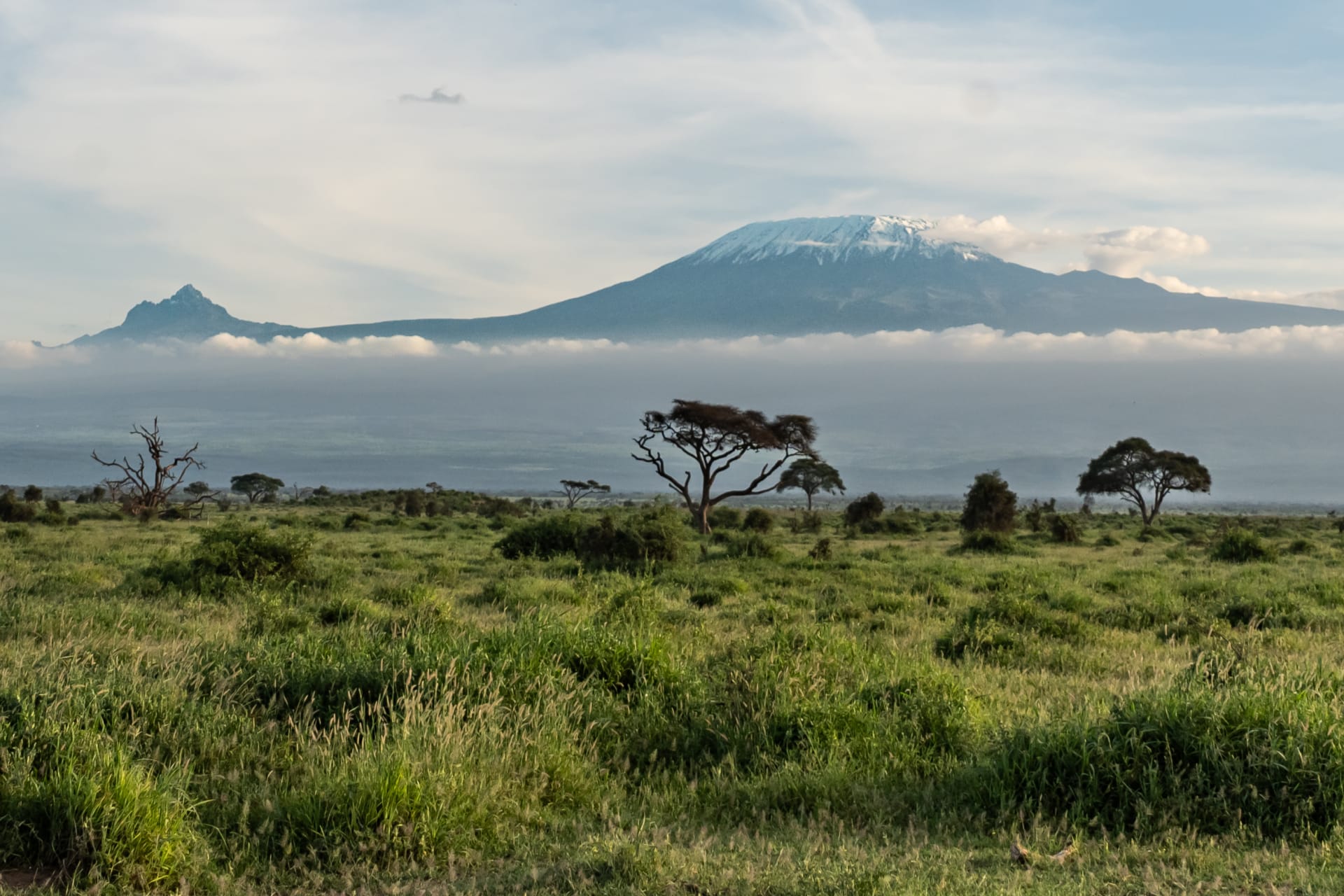
However, the best choice depends on your specific situation. If you have limited immediate funds, Kenya's lower deposits are advantageous. If you can afford larger upfront payments and prefer Tanzania's unique experiences like Kilimanjaro or Zanzibar combinations, the higher deposits may not concern you.
Start your safari planning by comparing operators on SafariFind. Browse verified Kenya and Tanzania operators, request quotes, and examine their deposit structures. Look for payment plans offering 0% interest to spread costs across multiple months. Read authentic reviews from travelers who recently booked to understand which operators honor their deposit policies.
As of 2026, Kenya remains the more affordable destination for upfront deposits while still offering world-class safari experiences in the Masai Mara ecosystem. [1] Tanzania provides equally remarkable wildlife viewing but requires more substantial advance investment. Whichever destination you choose, SafariFind helps you find the operator with the most favorable deposit terms for your budget.
Plan Your Safari with SafariFind
These recommendations use real data from SafariFind, where you can compare operators, browse packages, and read verified traveler reviews before you book.
Top Safari Operators from SafariFind
Recommended Safari Packages from SafariFind
What Travelers Say (SafariFind Reviews)
References
Ready to start your safari adventure?
Explore curated safari packages and find your perfect African adventure with verified operators.