Kenya vs Tanzania Safari Costs: Complete 7-Day Itineraries Priced Out for 2026
Discover Kenya vs Tanzania Safari Costs: Complete 7-Day Itineraries Priced Out for 2026 - Expert guide to safari tourism and wildlife destinations.
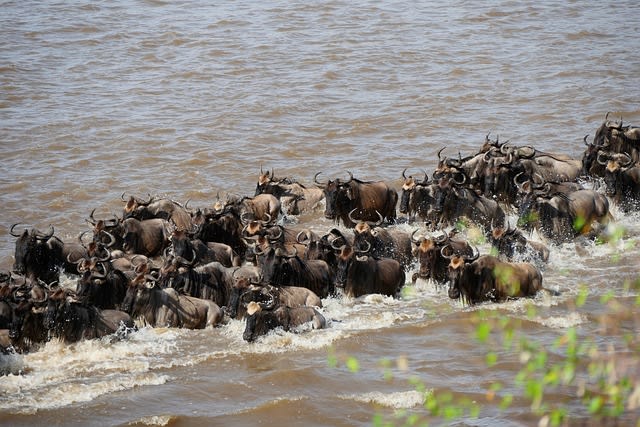
Kenya vs Tanzania Safari Costs
Kenya and Tanzania both offer world-class safari experiences, but costs differ significantly. Kenya safaris range from $1,400–$12,000+ per person for 7 days, while Tanzania runs $1,200–$10,000+. Your budget, wildlife preferences, and travel style determine which destination offers the best value for your 2026 safari adventure.
Planning a Safari in East Africa?
Choosing between Kenya and Tanzania for your safari is exciting—but the price tags can feel overwhelming. You're probably wondering: Which country costs less? What do I actually get for my money? Will I see the same animals in both places?
The truth is, Kenya and Tanzania offer different safari experiences at different price points. Both countries deliver incredible wildlife viewing, stunning landscapes, and unforgettable memories. However, your costs will vary based on park choices, accommodation types, and travel timing.
This guide breaks down real 7-day safari itineraries with actual 2026 pricing. You'll see exactly what budget, mid-range, and luxury safaris cost in each country. By the end, you'll know which destination fits your budget and travel style best.
What Drives Safari Costs in Kenya and Tanzania?
Safari prices aren't random. Several factors determine what you'll pay for your East African adventure.
Park Entry Fees and Accessibility
Kenya's national parks charge higher entry fees than Tanzania's. For example, Kenya's Amboseli National Park costs about $80 per day, while Tanzania's Tarangire National Park runs roughly $60 per day. These differences add up over a 7-day safari.
Accessibility also matters. Kenya's parks sit closer to Nairobi, your main entry point. This means shorter drives and lower fuel costs. Tanzania's parks spread across greater distances, requiring more driving time and fuel expenses.
Accommodation Options
Both countries offer budget lodges, mid-range tented camps, and luxury resorts. Budget accommodations in Kenya start around $60–$100 per night. Tanzania's budget options run slightly cheaper at $50–$90 per night.
Mid-range camps cost $150–$300 per night in Kenya and $120–$250 in Tanzania. Luxury lodges jump to $400–$800+ per night in Kenya and $350–$700+ in Tanzania. Your accommodation choice heavily influences your total cost.
Seasonal Pricing
High season (June–October and December–February) brings premium prices in both countries. During the Great Migration in Tanzania, prices spike 20–40% above low season rates.
Low season (April–May and November) offers 30–50% discounts. However, you'll encounter rainy weather and fewer tourists. Shoulder seasons provide a sweet spot: decent prices and reliable wildlife viewing.
Tour Operator and Group Size
Budget tour operators offer group safaris starting at $1,200–$1,500 per person. Mid-range operators with smaller groups charge $3,500–$6,500. Luxury operators with private guides run $8,000–$15,000+.
Larger group sizes (8–12 people) reduce per-person costs. Private safaris for 2–4 people cost more per person but offer personalized experiences.
Kenya 7-Day Safari: Complete Pricing Breakdown
Let's examine three Kenya safari itineraries at different price points. Each covers park fees, accommodation, meals, and game drives.
Budget Kenya Safari: $1,400–$2,100 Per Person
Itinerary: Nairobi → Lake Nakuru National Park (2 nights) → Masai Mara National Reserve (4 nights) → Nairobi
This budget option uses shared vehicles and basic lodges. You'll stay in simple but clean rooms with basic amenities. Meals are simple—no fancy dining, but satisfying food.
Cost Breakdown:
Accommodation (6 nights at budget lodges): $360–$480
Park entry fees (7 days): $280–$350
Game drives and guide services: $400–$500
Meals (breakfast, lunch, dinner): $210–$280
Internal transfers and fuel: $150–$200
Tour operator markup and logistics: $400–$500
Budget safaris work well if you're flexible, don't mind sharing vehicles, and want to see wildlife without luxury frills. You'll still spot lions, giraffes, zebras, and elephants.
Mid-Range Kenya Safari: $4,500–$6,500 Per Person
Itinerary: Nairobi → Amboseli National Park (2 nights) → Tsavo East National Park (2 nights) → Masai Mara National Reserve (2 nights) → Nairobi
Mid-range safaris offer comfortable tented camps with private bathrooms and quality meals. You'll share a vehicle with 4–6 other travelers, led by an experienced guide. This option balances comfort and value.
Cost Breakdown:
Accommodation (6 nights at mid-range camps): $900–$1,500
Park entry fees (7 days): $280–$350
Game drives with professional guide: $800–$1,200
All meals and beverages: $420–$560
Transfers and internal flights: $800–$1,200
Tour operator and logistics: $1,300–$1,700
This level gives you better wildlife photos, more comfortable evenings, and knowledgeable guides who spot animals others miss. You'll enjoy sunsets from camp and evening campfires.
Luxury Kenya Safari: $8,000–$12,000+ Per Person
Itinerary: Nairobi → Amboseli National Park (3 nights) → Tsavo East National Park (2 nights) → Masai Mara National Reserve (2 nights) → Nairobi
Luxury safaris include private vehicles, exclusive lodges, gourmet meals, and expert naturalist guides. You'll have personalized service and access to premium locations for wildlife viewing.
Cost Breakdown:
Luxury accommodation (7 nights): $2,100–$3,500
Park entry fees (7 days): $280–$350
Private vehicle and personal guide: $2,000–$3,000
Premium meals and drinks: $700–$1,000
Transfers and private flights: $1,500–$2,500
Additional activities (helicopter tours, bush dinners): $1,000–$1,500
Tour operator and premium service: $500–$750
Luxury safaris deliver once-in-a-lifetime moments: private game drives at dawn, intimate wildlife encounters, and exceptional service. Every detail gets personalized attention.
Tanzania 7-Day Safari: Complete Pricing Breakdown
Tanzania offers similar wildlife experiences to Kenya, often at slightly lower costs. Let's compare three Tanzania itineraries.
Budget Tanzania Safari: $1,200–$1,900 Per Person
Itinerary: Dar es Salaam → Tarangire National Park (2 nights) → Lake Manyara National Park (2 nights) → Ngorongoro Crater (2 nights) → Dar es Salaam
Tanzania's budget safaris cost 10–15% less than Kenya's. You'll use basic lodges and shared vehicles. Park fees run lower, and accommodation is affordable without sacrificing basic comfort.
Cost Breakdown:
Accommodation (6 nights at budget lodges): $300–$420
Park entry fees (7 days): $210–$280
Game drives and guide services: $350–$450
Meals (breakfast, lunch, dinner): $180–$240
Internal transfers and fuel: $150–$200
Tour operator logistics: $320–$420
Budget Tanzania safaris reach the Ngorongoro Crater, one of Africa's most spectacular wildlife viewing spots. The crater concentrates animals in a compact area, making wildlife spotting easier.
Mid-Range Tanzania Safari: $3,800–$5,500 Per Person
Itinerary: Dar es Salaam → Tarangire National Park (2 nights) → Lake Manyara National Park (1 night) → Ngorongoro Crater (2 nights) → Serengeti National Park (1 night) → Dar es Salaam
Mid-range Tanzania safaris offer comfortable camps with good food and experienced guides. You'll share vehicles with 4–6 travelers. This option provides excellent value for wildlife viewing and comfort balance.
Cost Breakdown:
Accommodation (6 nights at mid-range camps): $720–$1,200
Park entry fees (7 days): $210–$280
Game drives with professional guide: $600–$900
All meals and beverages: $360–$480
Transfers and internal flights: $600–$1,000
Tour operator and logistics: $1,000–$1,500
This level reaches multiple parks and the Serengeti, home to the Great Migration. You'll photograph diverse landscapes and abundant wildlife across different ecosystems.
Luxury Tanzania Safari: $7,000–$10,000+ Per Person
Itinerary: Dar es Salaam → Tarangire National Park (3 nights) → Ngorongoro Crater (2 nights) → Serengeti National Park (2 nights) → Dar es Salaam
Luxury Tanzania safaris rival Kenya's premium options. You get private vehicles, exclusive lodges, gourmet cuisine, and expert guides. Tanzania's luxury experience costs 10–20% less than Kenya's comparable tier.
Cost Breakdown:
Luxury accommodation (7 nights): $1,750–$2,800
Park entry fees (7 days): $210–$280
Private vehicle and personal guide: $1,500–$2,500
Premium meals and drinks: $600–$900
Transfers and private flights: $1,200–$2,000
Additional activities (bush camps, hot air balloons): $1,000–$1,500
Tour operator premium service: $400–$600
Tanzania's luxury safaris emphasize the Serengeti's vastness and the Ngorongoro Crater's unique ecosystem. Private guides share deep ecological knowledge and find rare wildlife sightings.
Kenya vs Tanzania: Which Offers Better Value?
Both countries deliver exceptional safaris. Here's how they compare directly.
Cost Comparison
Tanzania generally costs 10–20% less than Kenya at all price levels. Budget safaris run $200–$300 cheaper. Mid-range safaris save $700–$1,000. Luxury safaris differ by $1,000–$2,000 per person.
However, "cheaper" doesn't mean "worse." Tanzania's parks are equally stunning. The price difference comes from lower park fees, cheaper accommodation, and less international tourism pressure.
Wildlife Viewing Quality
Kenya's Masai Mara rivals Tanzania's Serengeti for wildlife abundance. Both parks host the Great Migration, though timing differs slightly. Kenya's parks sit closer together, reducing travel time. Tanzania's parks spread across larger areas, offering more wilderness feel.
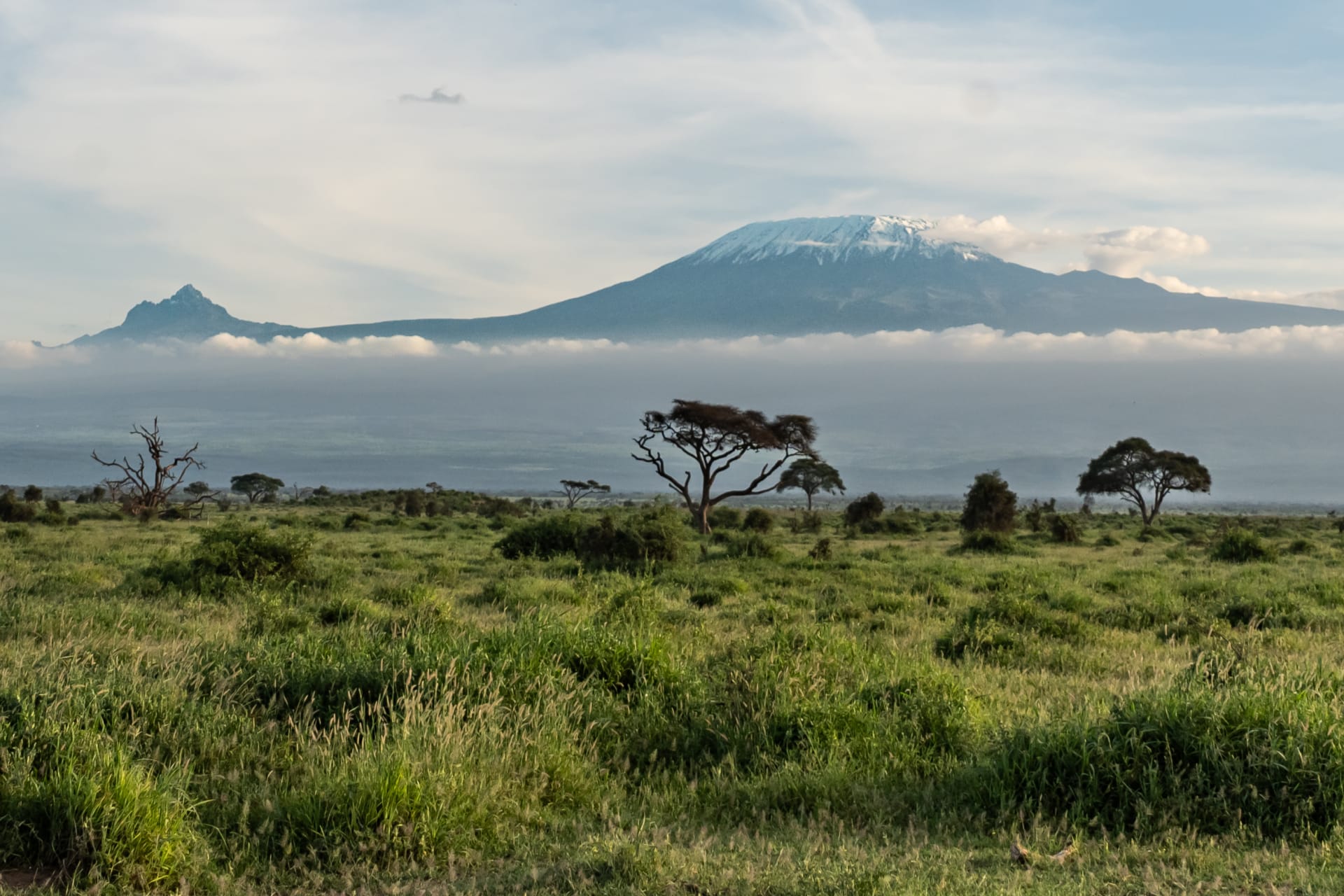
Ngorongoro Crater (Tanzania) concentrates wildlife in a compact caldera—easier for photography. Amboseli (Kenya) offers Mount Kilimanjaro views alongside wildlife. Both experiences are unforgettable.
Accessibility and Convenience
Kenya wins on accessibility. Nairobi has more international flights, better infrastructure, and shorter distances between parks. You'll spend less time driving and more time viewing wildlife.
Tanzania requires more driving but offers pristine wilderness. Dar es Salaam has fewer flights, but safari routes are well-established. If you value remote experiences, Tanzania delivers.
Tourist Density
Kenya's popular parks attract more tourists, especially in high season. You might share wildlife sightings with 10–15 vehicles. Tanzania's parks feel less crowded. You'll often have animals to yourself.
If you prefer solitude and authentic wilderness, Tanzania suits you better. If you want convenience and guaranteed wildlife viewing, Kenya works well.
How to Book Your 2026 Safari
Ready to plan your East African adventure? Here's how to find the right package and operator.
Start Your Search on SafariFind
SafariFind connects you with verified tour operators offering both Kenya and Tanzania safaris. Browse packages by destination, price range, and travel dates. Read authentic reviews from previous travelers to understand real experiences.
SafariFind's operators include budget outfitters, mid-range specialists, and luxury companies. You'll find transparent pricing with no hidden fees. Compare multiple operators to find your perfect match.
Request Quotes and Compare
Use SafariFind to request quotes from 3–5 operators. Provide your dates, budget, and preferences. Operators will send detailed itineraries with itemized pricing. Compare what's included: meals, park fees, activities, flights, and transfers.
Ask questions about guide experience, vehicle quality, and accommodation standards. Legitimate operators answer promptly and thoroughly. This helps you judge their professionalism.
Verify Operator Credentials
SafariFind lists only verified operators. Still, check their credentials independently. Look for membership in tourism associations like the Kenya Tourism Board or Tanzania Tourist Board. Read recent reviews on SafariFind to spot patterns in customer experiences.
Avoid operators offering prices significantly below market rates. Suspiciously cheap safaris often cut corners on guide quality, vehicle maintenance, or accommodation standards.
Book Early for Best Rates
Booking 3–6 months ahead secures better prices. Early booking also ensures availability during peak seasons. Many operators offer 10–20% discounts for early commitments.
For 2026 travel, start planning now. This gives you time to research, compare options, and lock in rates before prices increase.
What's Included in Safari Packages?
Safari prices vary because packages include different services. Understanding what's covered helps you compare real value.
Standard Inclusions
Most packages include accommodation, park entry fees, game drives with a guide, and meals. Breakfast, lunch, and dinner appear in mid-range and luxury packages. Budget safaris might exclude some meals or offer basic options.
All packages include transportation within parks via safari vehicles. Professional guides lead game drives, spotting wildlife and sharing ecological knowledge.
Common Exclusions
International flights usually aren't included. Domestic flights between cities (like Nairobi to Masai Mara) sometimes cost extra. Travel insurance typically isn't covered. Visa fees and vaccinations aren't included.
Tips for guides and staff often aren't included. Budget 10–15% of your total cost for tips. Alcohol and soft drinks at lodges may cost extra.
Optional Add-Ons
Many operators offer premium experiences for extra fees. Hot air balloon rides over the Serengeti cost $400–$600. Bush dinners run $100–$200. Walking safaris with armed guides cost $150–$250.
Photography workshops with professional guides run $300–$500. Helicopter tours start at $500 and climb to $2,000+. Ask about these options when requesting quotes.
Best Times to Safari in 2026
Timing affects both prices and wildlife viewing quality. Here's what to expect in 2026.
Dry Seasons (Best for Wildlife)
June–October (long dry season) offers peak wildlife viewing. Animals gather around water sources, making them easier to spot. Vegetation thins, improving visibility. Prices peak during these months—expect 30–50% premium costs.
December–February (short dry season) brings similar conditions with slightly lower prices. This period catches the calving season in Tanzania's Serengeti. Thousands of wildebeest calves appear, attracting predators for dramatic hunts.
Wet Seasons (Fewer Tourists, Lower Prices)
April–May (long rains) brings lush green landscapes and fewer tourists. Wildlife spreads across abundant vegetation, making viewing harder. Prices drop 30–40%. Road conditions deteriorate, limiting access to some areas.
November (short rains) offers similar advantages: lower prices, green scenery, fewer crowds. Birdwatching excels during wet seasons. If you're flexible, these months offer excellent value.
Shoulder Seasons (Sweet Spot)
March and October sit between extremes. Wildlife viewing remains good. Prices moderate—20–30% below peak season. Tourist crowds thin compared to June–September. These months offer ideal balance for most travelers.
For 2026 budgeting, plan March or October safaris for best value without sacrificing wildlife viewing quality.
Key Takeaways
Tanzania costs 10–20% less than Kenya across all price tiers. Budget safaris run $1,200–$1,900 in Tanzania versus $1,400–$2,100 in Kenya. Mid-range and luxury options follow similar savings patterns.
Your accommodation choice drives most costs. Budget lodges run $50–$100/night, mid-range camps $120–$300/night, and luxury resorts $350–$800+/night. This single factor can double or triple your total expense.
Book 3–6 months early for 2026 safaris to secure 10–20% discounts and guarantee availability. Use SafariFind to compare quotes from multiple verified operators and read authentic traveler reviews.
Shoulder seasons (March, October) offer the best value. You'll save 20–30% versus peak season while maintaining good wildlife viewing. Avoid April–May and November if wildlife spotting is your priority.
Both countries deliver world-class experiences. Choose Kenya for convenience and accessibility, or Tanzania for lower costs and remote wilderness. Either destination rewards your investment with unforgettable memories.
Frequently Asked Questions
Is Kenya or Tanzania cheaper for a 7-day safari?
Tanzania is generally 10–20% cheaper than Kenya. Budget safaris cost $1,200–$1,900 in Tanzania versus $1,400–$2,100 in Kenya. However, both countries offer excellent value. Your choice depends on priorities: Tanzania for savings, Kenya for convenience.
What's included in a typical safari package price?
Most packages include accommodation, park entry fees, all meals, game drives with professional guides, and internal transportation. International flights usually cost extra. Tips, alcohol, and optional activities (hot air balloons, walking safaris) often aren't included. Check with your operator for specifics.
When should I book my 2026 safari for best prices?
Book 3–6 months in advance to secure the best rates and availability. Early bookings often include 10–20% discounts. For 2026 travel, start planning immediately. Avoid booking last-minute—prices spike closer to travel dates.
Which national parks offer the best wildlife viewing?
Kenya's Masai Mara and Amboseli deliver excellent wildlife viewing. Tanzania's Serengeti and Ngorongoro Crater are equally spectacular. All four parks host the Great Migration at different times. Your choice depends on travel dates and budget preferences.
How do I find reliable safari operators for my trip?
Use SafariFind to browse verified tour operators offering Kenya and Tanzania safaris. Read authentic reviews from previous travelers. Request quotes from 3–5 operators and compare pricing, inclusions, and guide experience. Avoid suspiciously cheap options—they often cut corners on quality.
What's the difference between budget, mid-range, and luxury safaris?
Budget safaris ($1,200–$2,100) use basic lodges and shared vehicles. Mid-range safaris ($3,800–$6,500) offer comfortable camps and good guides. Luxury safaris ($7,000–$12,000+) include private vehicles, exclusive lodges, and premium service. Choose based on your budget and comfort preferences.
Conclusion: Choose Your Perfect Safari
Kenya and Tanzania both deliver world-class safari experiences. Kenya offers accessibility and convenience, with excellent infrastructure and shorter distances between parks. Tanzania provides lower costs and a more remote wilderness feel. Your choice depends on budget, travel style, and priorities.
For budget-conscious travelers, Tanzania makes sense. You'll save 10–20% while experiencing equally stunning wildlife and landscapes. For those prioritizing convenience and accessibility, Kenya's established tourism infrastructure rewards your investment with seamless logistics.
The best safari is the one that matches your budget and travel style. Use SafariFind to explore verified packages from both countries. Request quotes, read authentic reviews, and compare options side-by-side. Book 3–6 months early to secure discounts and guarantee availability for your 2026 adventure.
Your East African safari awaits. Whether you choose Kenya's Masai Mara or Tanzania's Serengeti, you'll create memories that last a lifetime. Start your journey today by browsing safari packages on SafariFind and connecting with verified tour operators who'll make your safari dreams real.
References
Ready to start your safari adventure?
Explore curated safari packages and find your perfect African adventure with verified operators.