Malawi Safari Dry Season 2026: Wildlife Peak & Real Costs
Malawi's dry season (July–October 2026) offers peak wildlife viewing at $1,500–$3,500 per person. Book verified operators on SafariFind for authentic reviews and best prices.

Malawi Safari Dry Season 2026
Last updated: July 2026
Malawi's dry season from July to October 2026 delivers peak wildlife viewing with animals concentrated near water sources. A 7-day safari costs $1,500–$3,500 per person depending on lodge type. Book through verified operators on SafariFind to compare packages and read authentic reviews from past travelers.
At a Glance
- Cost: $1,500–$3,500 per person for 7 days in 2026
- Best time: July–September for coolest weather and peak sightings
- Duration: 7 days minimum recommended
- Best for: Wildlife photographers, first-time safari goers, budget-conscious travelers
- Top destination: Liwonde National Park
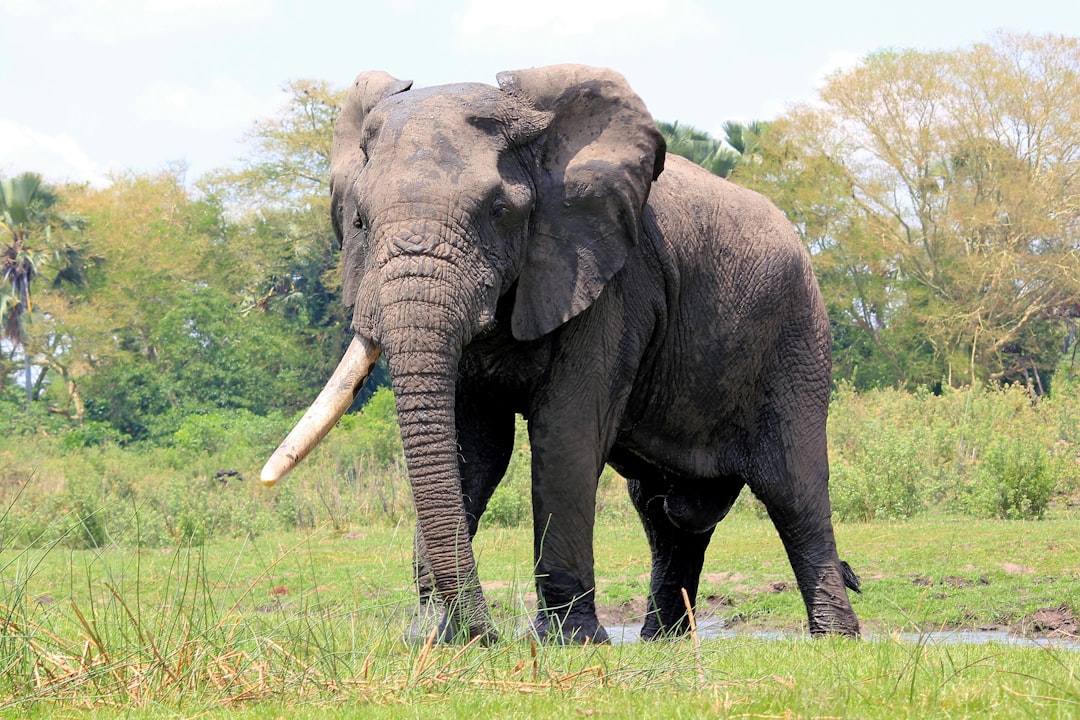
- Wildlife highlights: Elephants, leopards, hippos, birds concentrated at rivers
What Is Malawi Safari Dry Season 2026?
Malawi's dry season runs from May through October, with July through September 2026 being the absolute peak for wildlife viewing. During these months, animals gather around shrinking water sources, creating incredible sighting opportunities. This is when safari costs rise but rewards skyrocket.
July brings the coolest temperatures and peak water concentration. Animals are thirsty and predictable, making them easier to find and photograph. The landscape becomes crisp and clear, with minimal vegetation blocking your view. This combination makes July the most popular—and most expensive—month for Malawi safaris in 2026.
The dry season differs from wet-season safaris in several ways. Water sources dry up, forcing animals to predictable locations. Vegetation thins, improving visibility dramatically. Temperatures drop, making game drives more comfortable. However, prices climb as demand peaks. Understanding these trade-offs helps you decide if July–September suits your budget and goals.
Liwonde National Park is the best destination during this time. The park sits along the Shire River, which concentrates elephants, hippos, and predators during the dry months. Unlike larger parks like Serengeti, Liwonde offers intimate encounters without overwhelming crowds. Many travelers find it offers better value than Tanzania or Zambia during peak season.
Why Visit During Malawi's Dry Season?
Peak Wildlife Viewing Conditions
The dry season transforms wildlife viewing from difficult to exceptional. Animals depend on reliable water sources, and in Malawi, the Shire River becomes a wildlife magnet. Elephants, buffalo, and hippos congregate here by the hundreds. Leopards hunt near water at dawn and dusk. Birds explode in diversity as migratory species arrive.
June, July, and August are peak months with cool nights, clear days, and frequent sightings. September extends this window as occasional rains begin but wildlife still concentrates around rivers. October marks the transition as the landscape greens and animals disperse. If you want guaranteed wildlife encounters, July–August deliver the best odds in 2026.
Comfortable Weather
July temperatures drop to 15–22°C (59–72°F), making early morning game drives pleasant rather than exhausting. Unlike the wet season's humidity, dry-season air feels crisp. You'll actually enjoy sitting in an open safari vehicle for hours. Nights require a light jacket, adding comfort for evening drives and campfire gatherings.
August heats up slightly as the season progresses, but stays manageable. September brings occasional showers that cool things down while barely disrupting wildlife viewing. This weather window is why photographers and nature lovers specifically target July–September for Malawi safaris.
Clearer Visibility for Photography
Best for photographers, the dry season offers crisp clarity and dramatic light. Vegetation thins enough to see animals clearly without branches obscuring faces and bodies. Early morning light is golden and soft. Late afternoon creates warm tones perfect for wildlife shots. Professional photographers rank Malawi's dry season equally with Kenya's peak season for image quality.
Budget-Friendly Compared to Other African Countries
While dry season is expensive for Malawi, it remains cheaper than Kenya, Tanzania, or Botswana during their peaks. A 7-day Malawi safari costs $1,500–$3,500 per person, versus $2,500–$5,000+ in neighboring countries. You get world-class wildlife viewing at African safari prices without paying premium East African rates. This value proposition attracts smart travelers who compare options across the continent.
Real Costs for Malawi Safari Dry Season 2026
Lodge Categories and Nightly Rates
Malawi safari accommodations range from budget to luxury, with prices varying by season and location. High season (July–September) brings 10–25% premiums over shoulder months. Here's what you'll actually pay in 2026:
| Lodge Type | Per Person/Night (High Season) | 7-Day Total (per person) | Best For |
|---|---|---|---|
| Budget/Camping | $75–$120 | $525–$840 | Backpackers, tight budgets |
| Moderate Mid-Range | $570–$675 | $3,990–$4,725 | Families, first-timers |
| Premier/Upscale | $700–$800 | $4,900–$5,600 | Comfort seekers, honeymooners |
| Premier/Superior Luxury | $800–$1,350 | $5,600–$9,450 | Luxury travelers, special occasions |
These nightly rates cover accommodation only. You'll add guide fees ($30–$50/day), vehicle rental ($100–$150/day), park fees ($15–$30/day), and meals. A complete 7-day budget safari costs $1,500–$2,000. Mid-range packages run $2,500–$3,500. Luxury experiences exceed $5,000 per person.
Package Pricing Breakdown
Most travelers book complete packages rather than piecing together accommodation and activities. All-inclusive 7-day safari packages in 2026 typically include lodging, meals, game drives, and a professional guide. Prices reflect lodge category and park location.
Budget packages ($1,500–$2,000) use shared accommodations and group game drives. Mid-range packages ($2,500–$3,500) offer private or semi-private vehicles and better lodges. Premium packages ($4,000+) include luxury camps, private guides, and specialized activities like walking safaris or photography workshops.
Early booking saves 15–20% on peak-season rates. If you book your Liwonde safari 3–6 months ahead, you'll secure better prices before July's premium hits. Last-minute bookings in peak season rarely offer discounts—supply is tight and operators know demand remains strong.
What's Included vs. What Costs Extra
Most package prices include accommodation, meals, game drives, and a guide. International flights, travel insurance, visas, tips, and alcohol typically cost extra. Park entrance fees run $15–$30 per day depending on the reserve. Some operators bundle activities like walking safaris or boat trips; others charge $50–$100 per activity.
Compare packages carefully on SafariFind to understand what's included. A $2,500 package might cover everything except flights. A $3,000 package might exclude alcohol or specialized activities. Reading verified reviews helps you identify operators who deliver genuine value without hidden surprises.
Best Destinations During Malawi's Dry Season
Liwonde National Park: The Premier Choice
Liwonde National Park is the best destination during Malawi's dry season. This 548-square-kilometer park straddles the Shire River, concentrating wildlife in predictable locations. During July–September, the river becomes a wildlife superhighway where you'll see elephants, hippos, buffalo, and predators daily.
Liwonde excels for first-time safari goers because wildlife viewing is reliable and affordable compared to other African parks. You don't need a week of searching to see the Big Five—they're here in July. Walking safaris along the riverbank offer intimate encounters impossible in larger parks. The park fees remain reasonable at $15–$20 per day.
Several excellent camps operate in Liwonde, ranging from budget river camps to mid-range lodges. Most travelers spend 3–4 days here as part of a larger Malawi safari. The park sits 2–3 hours from Lilongwe, Malawi's capital, making it accessible from international flights.
Majete Wildlife Reserve
Majete Wildlife Reserve sits south of Liwonde and offers a different landscape experience. Rolling hills and dense woodland create more challenging but rewarding wildlife encounters. The reserve has fewer tourists than Liwonde, so you'll enjoy more solitude during dry-season drives.
Majete specializes in wildlife reintroduction, with significant elephant and lion populations released in recent years. Dry-season visits offer good chances of seeing these species. Park fees run $10–$15 per day. Accommodation is more limited here, so Majete works best as a 1–2 day addition to a Liwonde-based itinerary.
Vwaza Marsh Wildlife Reserve
Vwaza in northern Malawi remains relatively undiscovered, making it perfect for travelers seeking solitude. The marsh concentrates wildlife during dry season, particularly hippos, crocodiles, and water birds. Elephant sightings are common. Park fees are minimal at $5–$10 per day.
Accommodation here is basic and limited, so Vwaza suits adventurous travelers willing to camp. The remoteness means fewer facilities but also fewer tourists. If you want an authentic, off-the-beaten-path dry-season safari, Vwaza delivers that experience at rock-bottom prices.
How to Plan Your Malawi Dry Season Safari
Booking Timeline and Strategy
Book your Malawi dry-season safari 3–6 months in advance for best prices and availability. July–August fills quickly as international travelers plan summer vacations. Operators release limited inventory at peak rates. Early bookers secure discounted rates before prices peak.
June is an ideal booking window for July–August travel. You'll still find good availability and negotiate better rates than last-minute bookings. September and early October offer slightly lower prices as peak season winds down. If flexibility is possible, shifting your travel one month earlier or later saves $300–$500 per person.
Use SafariFind to compare multiple operators and packages side-by-side. Read verified reviews from past travelers to identify operators who deliver on promises. Request quotes from 3–5 operators before deciding. This comparison shopping typically saves 10–15% versus booking direct.
What to Pack for July–September Safari
Packing for Malawi's dry season differs from rainy-season trips. Bring lightweight, neutral-colored clothing for game drives—greens, tans, and grays blend into the landscape. Long sleeves and pants protect from sun and insects. Bring a light jacket for cool mornings and evenings.
Essential items include binoculars, camera gear, sunscreen, and a headlamp for pre-dawn drives. Malaria risk exists year-round, so bring antimalarial medication prescribed by your doctor. Comfortable hiking boots are essential for walking safaris. Most lodges provide basic amenities, but bring personal medications and toiletries.
Fitness and Physical Requirements
Most dry-season safari activities suit moderate fitness levels. Game drives involve sitting in vehicles for 4–6 hours daily—not strenuous, but requiring patience and comfort with heat. Walking safaris range from easy 1-hour strolls to challenging 4-hour hikes.
If you have mobility issues, inform your operator when booking. Most can arrange shorter walks or vehicle-based alternatives. The dry-season heat (25–30°C in August–September) affects older travelers more than cool July temperatures. Discuss fitness concerns with your operator to ensure activities match your abilities.
Travel Documents and Health Requirements
US and UK citizens need valid passports but not visas for Malawi stays under 30 days. Check your government's travel advisories before booking. Yellow fever vaccination is recommended if arriving from yellow fever zones. Malaria prophylaxis is essential—discuss options with your doctor 4–6 weeks before travel.
Travel insurance covering medical evacuation is strongly recommended. Malawi's healthcare system is limited outside major towns. Evacuation insurance costs $50–$150 for a two-week trip but provides critical safety net. Purchase insurance within 14 days of your initial trip deposit to maximize coverage.
Comparing Malawi to Neighboring Countries
Malawi offers compelling advantages over Tanzania, Kenya, and Zambia during dry season 2026. While all four countries deliver excellent wildlife viewing July–September, costs and crowds differ significantly.
| Country | 7-Day Cost (High Season) | Crowd Level | Best Wildlife | Best For |
|---|---|---|---|---|
| Malawi | $1,500–$3,500 | Low–Moderate | Elephants, hippos, birds | Budget seekers, first-timers |
| Tanzania (Serengeti) | $2,500–$5,000+ | Very High | Great Migration, Big Five | Iconic experience seekers |
| Kenya (Masai Mara) | $2,500–$5,000+ | Very High | Great Migration, Big Five | Budget-conscious safari goers |
| Zambia (South Luangwa) | $1,800–$4,000 | Low–Moderate | Walking safaris, predators | Adventure travelers, photographers |
Malawi costs 30–40% less than Kenya or Tanzania during peak season, yet delivers equally impressive wildlife viewing in Liwonde. You'll encounter fewer tourists, enjoy more personal guide attention, and see animals without crowds. For budget-conscious travelers, this value is unbeatable in 2026.
Tanzania's Serengeti offers the iconic Great Migration, but July–September sees tens of thousands of tourists. Kenya's Masai Mara is equally crowded. Zambia's South Luangwa rivals Malawi for value and solitude, though walking safaris there cost slightly more. If you want peak dry-season wildlife viewing without premium East African prices, Malawi wins the comparison.
For more detailed comparisons, read our guide on Malawi vs. Tanzania safaris and which costs less in 2026. This resource helps you decide if Malawi's lower prices justify choosing it over Tanzania's famous parks.
Real Traveler Experiences and Reviews
Verified SafariFind reviews reveal what dry-season Malawi safaris actually deliver. Past travelers consistently praise wildlife viewing reliability and low crowds. Budget-conscious travelers appreciate the value. First-timers appreciate guides who explain animal behavior patiently.
Common themes in positive reviews mention "incredible elephant encounters," "hippos everywhere," and "guide knowledge exceeded expectations." Travelers note that Liwonde delivers on wildlife promises without requiring extensive searching. Several reviewers specifically highlighted saving money compared to Tanzania while seeing equally impressive wildlife.
Occasional negative reviews mention basic lodge amenities, limited food variety, or rainy-season-like weather in September. These experiences remind you that Malawi offers authentic safari experiences, not luxury resorts. Setting realistic expectations—expecting wildlife, not five-star hotels—leads to satisfying trips.
Browse authentic traveler reviews on SafariFind to read detailed experiences from people who visited during dry season. Filter reviews by lodge type, destination, and travel month to find experiences matching your situation. This research helps you choose operators who deliver genuine value and understand your priorities.
Key Takeaways
- Book your Malawi dry-season safari 3–6 months ahead to save 15–20% on peak July–August rates and secure your preferred lodge.
- Liwonde National Park delivers peak wildlife viewing July–September 2026, with elephants, hippos, and predators concentrated at the Shire River.
- A 7-day Malawi safari costs $1,500–$3,500 per person in 2026, making it 30–40% cheaper than Kenya or Tanzania during the same season.
- Pack light neutral-colored clothing, binoculars, and antimalarial medication for dry-season travels with cool mornings (15°C) and warm afternoons (25–30°C).
- Compare verified operators on SafariFind to identify which packages include meals, guides, and activities—avoiding hidden costs that inflate final prices.
Frequently Asked Questions
What's the best month for a Malawi dry-season safari in 2026?
July is the best month, offering the coolest temperatures, peak water concentration, and most predictable wildlife viewing. August remains excellent but heats up slightly. September extends the season with occasional rains that still concentrate animals. July costs more due to peak demand, but delivers the highest sighting probability and most comfortable weather.
How much does a 7-day Malawi safari actually cost in 2026?
A complete 7-day safari package costs $1,500–$3,500 per person depending on lodge type. Budget packages ($1,500–$2,000) use shared accommodations and group drives. Mid-range packages ($2,500–$3,500) offer private vehicles and better lodges. Luxury packages exceed $5,000. These prices include accommodation, meals, guides, and game drives. International flights, travel insurance, and tips cost extra.
Is Liwonde National Park worth visiting during dry season?
Yes, absolutely. Liwonde National Park is the best destination during Malawi's dry season, with animals concentrated at the Shire River. You'll see elephants, hippos, buffalo, and predators daily without excessive crowds. Walking safaris offer intimate encounters impossible in larger parks. The park's $15–$20 daily fee is reasonable compared to neighboring countries.
How does Malawi safari pricing compare to Tanzania or Kenya?
Malawi costs 30–40% less than Tanzania's Serengeti or Kenya's Masai Mara during peak season. A $1,500–$3,500 Malawi safari matches $2,500–$5,000+ packages in East Africa. You get comparable wildlife viewing with fewer tourists. For budget-conscious travelers seeking world-class wildlife, Malawi delivers superior value in 2026.
What should I pack for Malawi's dry season in July–September?
Pack lightweight neutral-colored clothing (greens, tans, grays), long sleeves and pants for sun protection, and a light jacket for cool mornings. Bring binoculars, camera gear, sunscreen, and antimalarial medication. Comfortable hiking boots are essential for walking safaris. Most lodges provide basic amenities, so focus on personal medications and toiletries.
When should I book a Malawi dry-season safari to get the best price?
Book 3–6 months in advance to secure the best rates and availability. June is ideal for July–August travel. Early bookings save 15–20% versus last-minute reservations. Use SafariFind to compare multiple operators and request quotes from 3–5 companies before deciding. This strategy typically saves $300–$500 per person compared to direct booking.
Can I find Malawi safari packages under $2,000 in 2026?
Yes, budget packages run $1,500–$2,000 per person for 7 days using shared accommodations and group game drives. These packages include lodging, meals, guides, and activities. You'll stay in basic but clean lodges and share safari vehicles with other travelers. For first-timers or budget travelers, these packages deliver excellent value. Browse affordable options on SafariFind and request quotes from verified operators specializing in budget safaris.
Conclusion
Malawi's dry season from July through September 2026 represents peak wildlife viewing with exceptional value. Animals concentrate at water sources like the Shire River, delivering daily sightings without the crowds overwhelming Tanzania or Kenya. Liwonde National Park stands out as the premier destination, offering world-class safari experiences at African safari prices rather than premium East African rates.
Real costs run $1,500–$3,500 per person for 7-day packages, 30–40% cheaper than comparable East African safaris. Early booking 3–6 months ahead saves 15–20% on peak-season rates. Mid-range packages ($2,500–$3,500) balance comfort and value perfectly for first-timers and families.
Start planning your 2026 dry-season safari today. Compare verified operators and authentic reviews on SafariFind to find packages matching your budget and preferences. Request quotes from multiple operators to identify genuine value. Many travelers who compare options discover Malawi delivers the best wildlife-per-dollar ratio in Southern Africa during peak season.
Ready to book? Explore 7-day Malawi safari itineraries under $2,500 for specific trip planning. For additional destination details, check our complete guide to whether Malawi safaris are worth it in 2026. Your perfect dry-season adventure awaits—start comparing packages on SafariFind now and secure your spot before July's premium rates take effect.
Plan Your Safari with SafariFind
These recommendations use real data from SafariFind, where you can compare operators, browse packages, and read verified traveler reviews before you book.
What Travelers Say (SafariFind Reviews)
References
- Malawi Safari July–September 2026: Dry Season Wildlife Guide | SafariFind
- The Ultimate Malawi Safari Travel Guide 2026 | Crafted Africa
- How Much Does a Malawi Safari Cost? Malawi Pricing in 2026 | Cedarberg Travel
- Malawi Safari Vacation Packages 2026/2027 | Goway Travel
- The Complete Guide to Safari in Malawi (2026) | CAWS Malawi
- Top Malawi Tourism Places: Lakes, Wildlife & Mountains | Penguin Travel
- Malawi Safari Cost & Destination Guide | Bwindi Forest National Park
- Best Time to Go on Safari in Africa 2026 | Month-by-Month Guide | African Budget Safaris
Sources
- Malawi Safari July–September 2026: Dry Season Wildlife Guide | SafariFind
- The Ultimate Malawi Safari Travel Guide 2026 | Crafted Africa
- How Much Does a Malawi Safari Cost? Malawi Pricing in 2026 | Cedarberg Travel
- Malawi Safari Vacation Packages 2026/2027 | Goway Travel
- The Complete Guide to Safari in Malawi (2026) | CAWS Malawi
- Top Malawi Tourism Places: Lakes, Wildlife & Mountains | Penguin Travel
- Malawi Safari Cost & Destination Guide | Bwindi Forest National Park
- Best Time to Go on Safari in Africa 2026 | Month-by-Month Guide | African Budget Safaris
Related to
Ready to start your safari adventure?
Explore curated safari packages and find your perfect African adventure with verified operators.