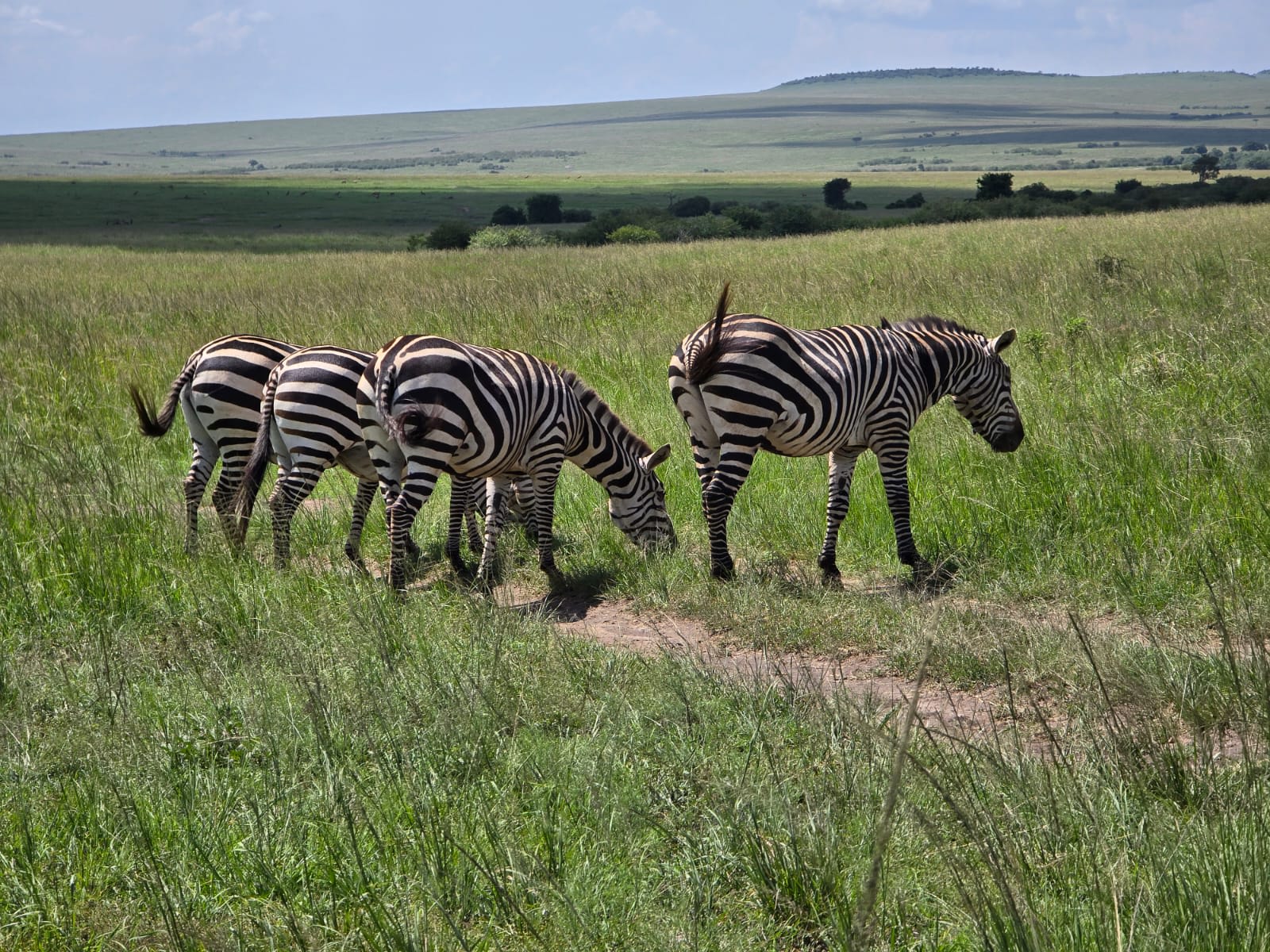
Masai Mara vs Serengeti Family Safari: Which Migration Experience Suits Kids
Masai Mara peaks July-October with spectacular river crossings and covers more ground in less time, making it ideal for families with limited schedules. Serengeti offers year-round migration experienc

Masai Mara vs Serengeti: Best Migration Safari for Kids
Masai Mara peaks July-October with spectacular river crossings and covers more ground in less time, making it ideal for families with limited schedules. Serengeti offers year-round migration experiences and is generally more kid-friendly with fewer wild animal encounters. Children aged 5 and above can join most family safaris, though walking safaris suit ages 12+. Compare verified family safari packages on SafariFind to find the perfect destination for your kids.
What is Masai Mara vs Serengeti Family Safari?
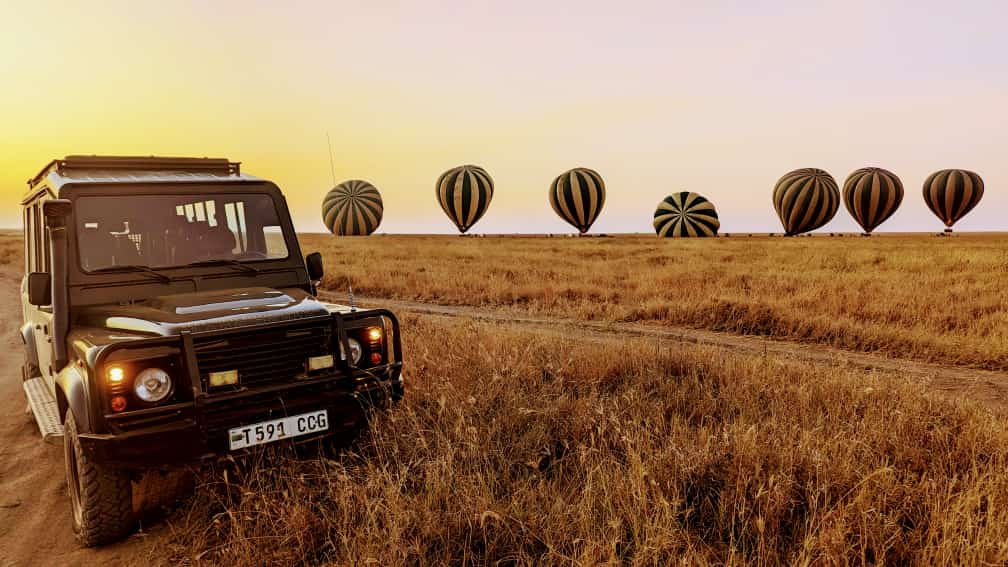
Choosing between Masai Mara and Serengeti for a family safari is one of the biggest decisions you'll make when planning an African adventure with kids. Both destinations offer incredible wildlife viewing and the chance to see the Great Migration, but they differ in timing, wildlife density, and kid-friendly features. The Great Migration is the annual movement of millions of wildebeest, zebra, and gazelle across the vast savannah plains in search of fresh grass and water.[1] Understanding these differences helps you pick the right destination for your family's needs and your children's ages.
The Masai Mara National Reserve sits in northwestern Kenya and covers about 1,500 square kilometers of pristine wilderness.[2] The Serengeti National Park stretches across northern Tanzania and covers 14,750 square kilometers, making it significantly larger. Both parks share similar wildlife populations, but their seasonal patterns and visitor experiences differ greatly. Masai Mara attracts over 300,000 tourists annually, while Serengeti remains slightly less crowded despite its larger size.[1]
Key Features of Masai Mara
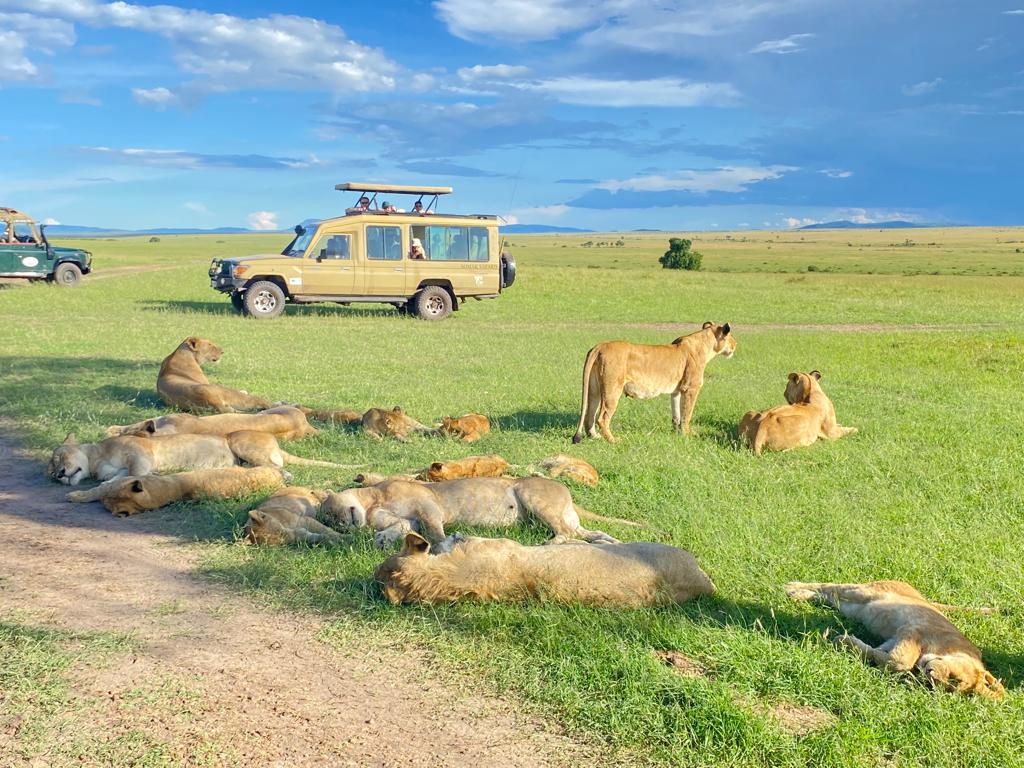
Masai Mara is known for the dramatic Mara River crossings that happen during the Great Migration peak season from July to October.[2] During these months, you'll witness thousands of wildebeest and zebras crossing the river in a spectacular display of nature. Game drives in the Mara cover more ground in less time, making it ideal for short family trips or travelers with limited schedules.[6] This means your kids spend less time bouncing around in safari vehicles and more time seeing animals.
The reserve also offers unique cultural experiences that children find engaging and educational. From traditional storytelling under the stars to guided visits to nearby villages, children can learn firsthand about the Maasai's customs and traditions.[4] These interactions create lasting memories and help kids understand local cultures beyond just wildlife viewing. Many family-friendly camps provide age-appropriate activities between game drives, including nature crafts and junior ranger programs.
Key Features of Serengeti
Serengeti offers year-round migration experiences, which means you can visit almost any time and see moving herds.[1] The park's massive size means wildlife is spread across a larger area, often resulting in fewer crowded viewing spots. This can be beneficial for families seeking a more peaceful safari experience without constant vehicle-to-vehicle competition at wildlife sightings. Serengeti is generally more kid-friendly due to fewer wild animal encounters in certain areas compared to other African parks.[1]
The Serengeti's landscape varies dramatically from open plains to woodlands and rocky outcrops, providing diverse scenery throughout your journey. This variety keeps children engaged and entertained as the landscape constantly changes. Older children, typically 12 and above, may be able to partake in designated walking safaris.[7] These short guided walks allow children to observe a variety of tracks, insects, birds, and plant life in a safe, controlled environment.
Why This Comparison Matters for Families
Selecting between these two parks directly impacts your family's safari experience, budget, and satisfaction levels. The timing of your trip, your children's ages, and your family's schedule all play crucial roles in making the right choice. A family holiday in the Masai Mara or Serengeti is a once-in-a-lifetime experience that your kids will never forget.[5] Understanding the differences ensures you invest your time and money in the destination that best matches your family's needs and preferences.
Main Differences Between Masai Mara and Serengeti for Families
The primary distinction lies in seasonal timing and visitor experience. Masai Mara peaks during July through October with the Great Migration's most dramatic river crossings.[2] Serengeti provides consistent wildlife viewing throughout the year with different migration segments occurring in various seasons. For families planning around school holidays, Masai Mara's summer peak aligns perfectly with most school breaks in the Northern Hemisphere.
Migration Timing and Wildlife Viewing
Masai Mara shares a similar wildlife population with Serengeti, but the Great Migration's peak occurs in Masai Mara between July and October, as the herds cross the Mara River.[2] This concentrated timing creates guaranteed spectacle during these months. However, visiting during peak season means more tourists and higher prices. Off-season visits to Masai Mara (November-June) offer fewer crowds but less predictable migration viewing.
Serengeti's migration spreads throughout the year as herds move in a circular pattern following rainfall and grass growth.[8] The southern plains fill with calving herds in January-March, the central regions see herds in April-June, and northern areas host the migration July-November. This extended timeline means you can time your visit to your family's schedule while still seeing impressive wildlife numbers.
Distance and Travel Time
Game drives in the Mara cover more ground in less time, making it ideal for short family trips or travelers with limited schedules.[6] The Masai Mara's smaller size means you reach different areas quickly without excessive driving. This is crucial for families with young children who tire easily in safari vehicles. Shorter drives mean more comfortable experiences for kids and more time actually observing wildlife rather than traveling.
Serengeti's vast size means longer drives between viewing areas, but this also provides more solitude and fewer other safari vehicles. For families with older kids who enjoy extended adventures, these longer drives become part of the exploration experience. The landscape changes dramatically during drives, which keeps children entertained and engaged throughout the day.
Accommodation and Amenities
Both destinations offer family-friendly camps and lodges, but Masai Mara has more options concentrated in smaller areas. This density creates competitive pricing and more choices for different budgets. We've crafted a 7-day itinerary filled with family-friendly activities, safety tips, and kid-approved accommodations in Masai Mara.[3] Many camps offer swimming pools, game viewing platforms at different heights for various ages, and children's activities.
Serengeti accommodations range from luxury tented camps to more basic options. Some properties sit better suited to children 12 and above due to their remote location or rugged nature.[1] However, many excellent family-friendly camps exist throughout Serengeti that welcome younger children. Research specific properties carefully to ensure they match your family's needs and your children's ages.
Cost Comparison for Families
Masai Mara typically costs more during peak season (July-October) when river crossings occur. However, off-season rates can be significantly cheaper. A typical 7-day Masai Mara family safari ranges from $2,500-$5,000 per person during peak season, dropping to $1,500-$3,000 during off-season. Serengeti pricing remains more stable year-round, ranging from $2,000-$4,500 per person for similar experiences.
Budget also depends on accommodation choices, guide quality, and included activities. Luxury family camps cost substantially more than mid-range options. Explore safari packages on SafariFind to compare verified operators and find packages matching your budget and family requirements.
Age Considerations and Safety for Child Travelers
Your children's ages significantly influence which destination suits your family best. The minimum age limit for most safaris is 5 years old.[1] However, comfort levels and activity participation increase substantially for children aged 8 and above. Older children, typically 12 and above, unlock additional experiences like walking safaris not available to younger kids.[7]
Best Ages for Masai Mara Family Safaris
Masai Mara welcomes families with children as young as 5 years old, though the experience improves for kids aged 8 and above. The shorter game drives make Masai Mara ideal for families with younger children who struggle sitting still for extended periods. Kids enjoy frequent animal sightings without excessive vehicle time, maintaining engagement and reducing frustration.
The cultural village visits and storytelling activities appeal particularly to children aged 6-12. These interactive experiences break up the day and provide educational value beyond wildlife viewing. Teenagers aged 13 and above can participate in walking safaris and more adventurous activities, making Masai Mara suitable for multi-generational family trips.
Best Ages for Serengeti Family Safaris
Serengeti suits families with children aged 8 and above more comfortably due to longer driving times between destinations. Younger children may find extended vehicle time challenging and tiring. However, the year-round wildlife viewing and diverse landscapes keep older kids engaged and excited throughout the journey.
Children aged 12 and above truly thrive in Serengeti, especially if they participate in walking safaris and junior ranger programs.[7] These kids develop deeper appreciation for ecosystems, animal behavior, and conservation principles. The Serengeti's educational opportunities transform the safari into a learning adventure that resonates with older children long after returning home.
Safety Tips for All Ages
Both destinations maintain excellent safety records for family safaris when you follow basic guidelines. Always remain inside safari vehicles except at designated camps and lodges. Keep a safe distance from all wildlife and follow your guide's instructions without exception. Bring comprehensive travel insurance covering medical evacuation, as remote locations require helicopter transport for serious emergencies.
Pack a thorough first-aid kit including medications your children take regularly. Altitude sickness rarely occurs in these lowland parks, but sun exposure and insect bites are common concerns. Apply high-SPF sunscreen regularly, use insect repellent, and ensure all vaccinations are current before traveling. Discuss any health concerns with your doctor at least 6-8 weeks before departure.
Planning Your Family Safari: Practical Guide
Successful family safaris require careful planning across multiple factors including timing, budget, accommodations, and activities. Starting your planning 3-6 months in advance allows time to research operators, compare packages, and secure the best rates. Request quotes from verified operators on SafariFind to understand pricing and availability for your preferred dates.
Choosing the Right Season for Your Family
Masai Mara's peak season runs July through October when river crossings create dramatic wildlife spectacles. This timing aligns with Northern Hemisphere summer holidays, making it ideal for families in the United States, Canada, and Europe. However, expect higher prices and more crowded game drives during these months.
Consider visiting Masai Mara during shoulder seasons (May-June or November) when wildlife is still abundant but prices drop and crowds thin. Serengeti works well year-round, so choose based on your family's schedule rather than seasonal pressure. The dry seasons (June-October and January-February) offer best wildlife viewing conditions across both parks.
Selecting Family-Friendly Accommodations
Quality accommodations make or break family safari experiences. Look for camps offering children's activities, swimming pools, and spacious family tents or cottages. Many properties provide babysitting services, allowing parents to enjoy evening activities while children rest. Read recent reviews from other families on SafariFind to learn about real experiences and kid-friendliness.
Request properties with multiple dining options accommodating children's preferences and dietary restrictions. Ask about generator schedules, water availability, and medical facilities. Confirm that accommodations welcome children of your specific ages and provide appropriate safety features like secure fencing and supervision options.
Booking Through Verified Operators
Booking through verified operators on SafariFind ensures accountability and authentic reviews from previous travelers. Legitimate operators provide transparent pricing, clear itineraries, and responsive customer service. Compare multiple quotes before deciding, and ask about family-specific discounts or package customization.
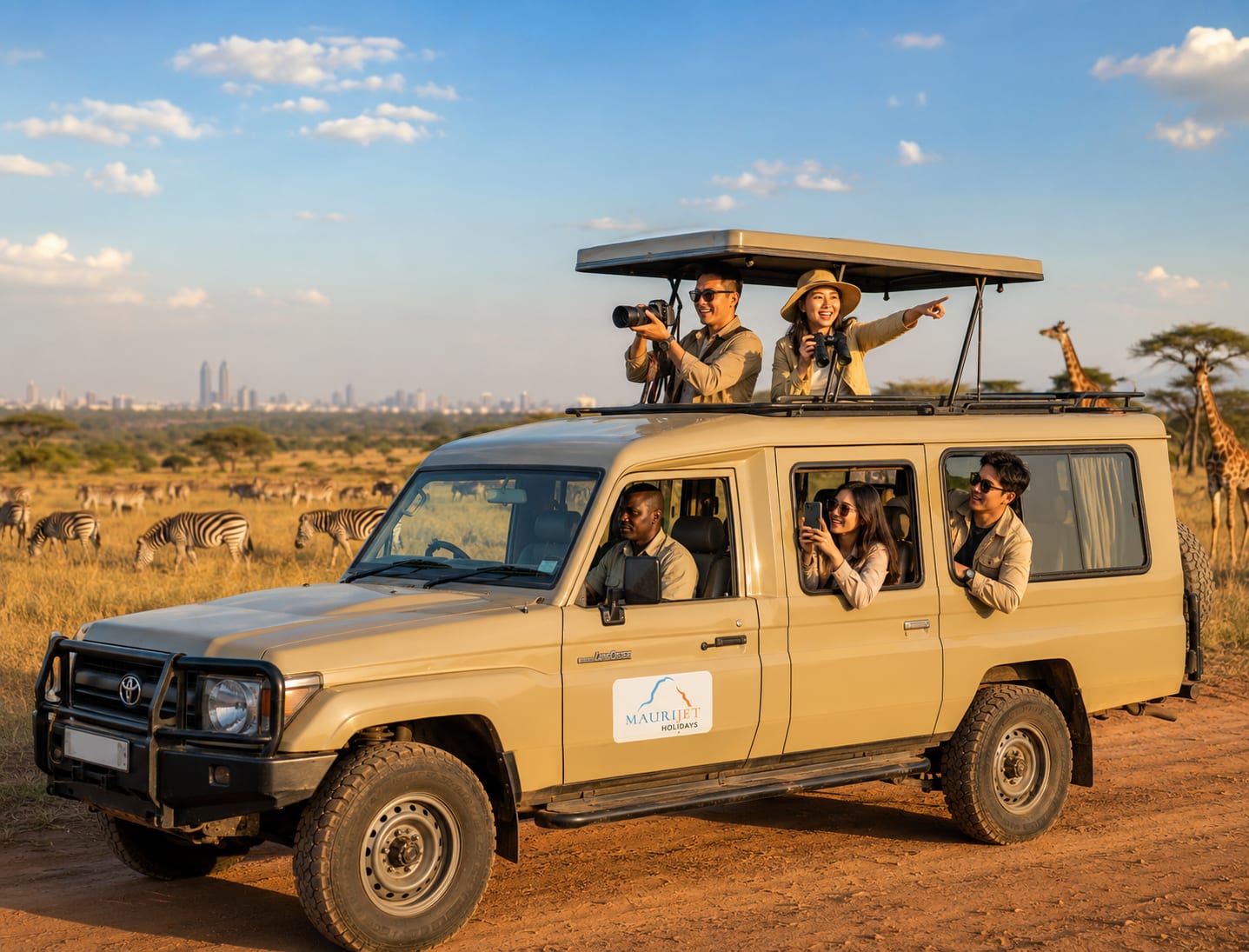
Ensure your chosen operator provides experienced guides trained in family dynamics and child safety. Ask about vehicle types and whether they offer open-top safari vehicles suitable for photography and wildlife viewing. Confirm cancellation policies in case family circumstances change before your departure date.
Packing Essentials for Family Safaris
Pack neutral-colored clothing in layers since temperatures vary throughout the day. Bring long sleeves and pants for sun protection and insect prevention. Include a lightweight rain jacket for unexpected showers, particularly during shoulder seasons. Comfortable walking shoes, binoculars, and a good camera help kids engage with the safari experience.
Don't forget medications, sunscreen, insect repellent, and a first-aid kit with items addressing common travel issues like diarrhea and stomach upset. Bring entertainment for vehicle downtime, including books, tablets loaded with nature documentaries, and travel games. Pack extra snacks and water bottles, as safari days are long and physically demanding for young travelers.
Key Takeaways
Book your Masai Mara safari for July-October to witness dramatic river crossings, but expect higher prices and more crowds during peak season months.
Choose Serengeti for year-round migration viewing and more solitude, with consistent wildlife encounters throughout the calendar year in 2026.
Select Masai Mara for families with children aged 5-10 due to shorter game drives and more frequent animal sightings without excessive vehicle time.
Plan Serengeti trips for children aged 8 and above who can handle longer drives and want to participate in walking safaris and educational activities.
Request quotes from verified SafariFind operators at least 3-6 months before your trip to secure family-friendly accommodations and compare authentic traveler reviews.
Frequently Asked Questions
Which destination is better for families with young children aged 5-8?
Masai Mara is better suited for families with young children due to shorter game drives and more frequent animal sightings. Game drives in the Mara cover more ground in less time, reducing vehicle fatigue for kids.[6] Younger children tire easily during extended drives, making Masai Mara's compact layout more enjoyable. The cultural village visits and storytelling activities also appeal to this age group, providing breaks from game drives and interactive learning experiences.
What is the best time to visit Masai Mara for families?
July through October offers the best wildlife viewing with dramatic river crossings.[2] This timing aligns with Northern Hemisphere summer holidays, making it convenient for most families. However, expect higher prices and more crowded game drives. Consider visiting in May-June or November for fewer crowds and lower costs while still seeing abundant wildlife throughout the parks.
Can children participate in walking safaris in Serengeti?
Yes, but only children aged 12 and above can typically participate in designated walking safaris.[7] These short guided walks allow children to observe tracks, insects, birds, and plant life in a safe, controlled environment. Walking safaris provide fresh perspectives on wildlife and ecosystems that vehicle-based viewing cannot match, making them valuable educational experiences for teenagers.
How much does a typical family safari cost in 2026?
A 7-day Masai Mara family safari ranges from $2,500-$5,000 per person during peak season, dropping to $1,500-$3,000 during off-season months. Serengeti pricing remains more stable year-round at $2,000-$4,500 per person for similar experiences. Costs vary based on accommodation choices, guide quality, and included activities. Compare verified packages on SafariFind to find options matching your family's budget and preferences.
What is the minimum age for safari participation?
The minimum age limit for most safaris is 5 years old.[1] However, comfort levels and activity participation increase substantially for children aged 8 and above. Children younger than 5 can sometimes join private family safaris with special arrangements, but operators typically discourage this due to vehicle safety and wildlife unpredictability. Contact verified operators on SafariFind to discuss your specific family situation and age requirements.
Should I book with a SafariFind verified operator?
Yes, booking through verified operators on SafariFind ensures accountability and authentic reviews from previous travelers. SafariFind operators provide transparent pricing, clear itineraries, and responsive customer service. You can compare multiple quotes, read real family experiences, and request customized packages matching your needs. This reduces booking risks and increases confidence in your family safari investment.
Conclusion
Masai Mara and Serengeti both offer incredible family safari experiences, but they suit different family types and schedules. Masai Mara excels for families with younger children and limited time, offering dramatic river crossings from July-October and shorter game drives that minimize vehicle fatigue.[2] Serengeti provides year-round migration viewing and suits families with older children aged 8 and above who can handle extended drives and participate in walking safaris.
Consider your children's ages, your available vacation time, and your budget when making this important decision. A family holiday in either destination creates lasting memories and educational value that children remember throughout their lives.[5] Start planning 3-6 months in advance to secure family-friendly accommodations and competitive pricing.
Compare verified safari packages on SafariFind to find operators offering family-specific experiences with authentic reviews from parents who've traveled before. Request quotes from multiple operators and ask detailed questions about child-friendly activities, safety measures, and accommodation amenities. Your family's perfect African adventure awaits—start exploring verified packages and operators on SafariFind today to begin planning your 2026 family safari.
Plan Your Safari with SafariFind
These recommendations use real data from SafariFind, where you can compare operators, browse packages, and read verified traveler reviews before you book.
Recommended Safari Packages from SafariFind
Verified Traveler Reviews from SafariFind
References
Related to
Ready to start your safari adventure?
Explore curated safari packages and find your perfect African adventure with verified operators.


![[2026 Updated] How Much Does the Great Wildebeest Migration Safari Actually Cost in 2025](https://res.cloudinary.com/dqqbqb7kj/image/upload/f_auto,q_auto,w_800,c_limit/v1764510103/blog-images/featured/re2pjfuiqv2aufpscaol.jpg)