Namibia Safari vs Botswana: Which Costs Less in 2026?
Namibia safaris cost $200–$450/day vs Botswana's $250–$700/day in 2026. Save 30–40% with self-drive options and accessible lodges. Compare prices now.
Namibia Safari vs Botswana: Which Costs Less?
Last updated: July 2026
Namibia safaris cost $200–$450 per day, while Botswana ranges from $250–$700 per day in 2026. Namibia's self-drive options and accessible lodges make it more budget-friendly. Botswana's remote locations and conservation fees push prices higher. Choose Namibia to save 30–40% on your African safari adventure.
At a Glance
- Namibia safari cost: $200–$450 per day (budget to mid-range)
- Botswana safari cost: $250–$700 per day (mid-range to luxury)
- Budget savings: Namibia saves 30–40% compared to Botswana
- Best time to visit: May–September (dry season, lower prices)
- Recommended duration: 7–10 days for either destination
- Best for: Budget travelers (Namibia), luxury seekers (Botswana)
What Is Namibia Safari vs Botswana: Which Costs Less in 2026?
Choosing between Namibia and Botswana safaris comes down to your budget and travel style. Namibia safari costs are significantly lower than Botswana, making it the smarter choice for cost-conscious travelers in 2026. Both countries offer incredible wildlife viewing, but their pricing structures differ dramatically due to accessibility, conservation fees, and lodge types.
Namibia safaris range from $200 to $450 per day, while Botswana safaris start at $250 and climb to $700 per day or higher for luxury experiences. The price gap widens when you factor in Botswana's remote fly-in lodges and strict conservation policies. Namibia's self-drive safari options and roadside accommodations make African adventures more affordable without sacrificing quality wildlife encounters.
The key difference is accessibility. Namibia has paved roads connecting major wildlife areas like Etosha National Park. Botswana's best parks—Okavango Delta, Moremi, and Chobe—require expensive fly-in access or long transfers. This transportation cost directly impacts your total safari expense. For budget travelers, Namibia delivers better value. For luxury seekers willing to spend more, Botswana offers unmatched exclusivity.
Why Compare These Two Destinations?
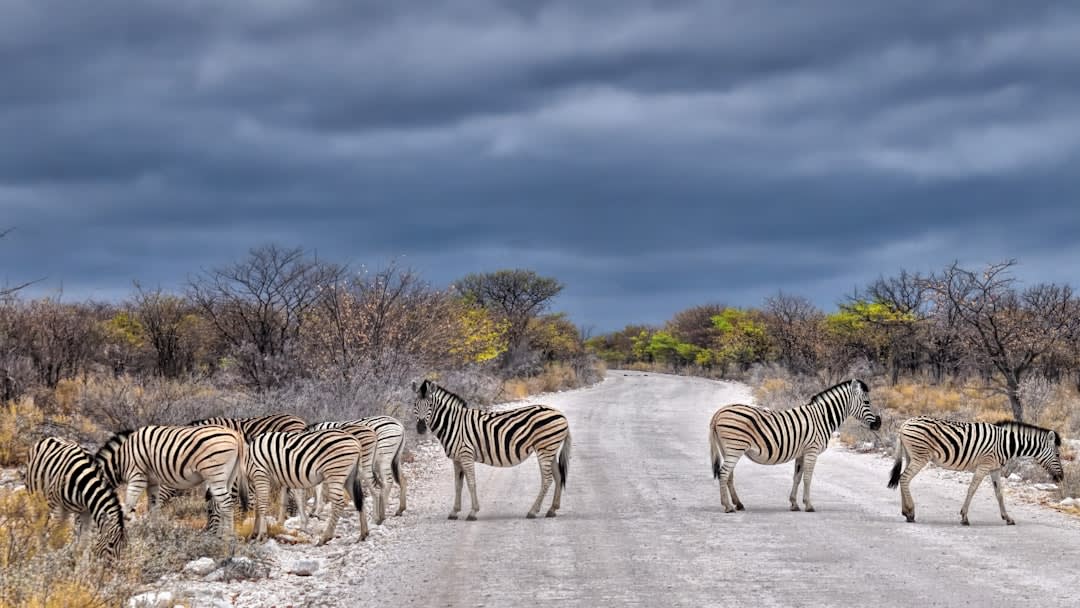
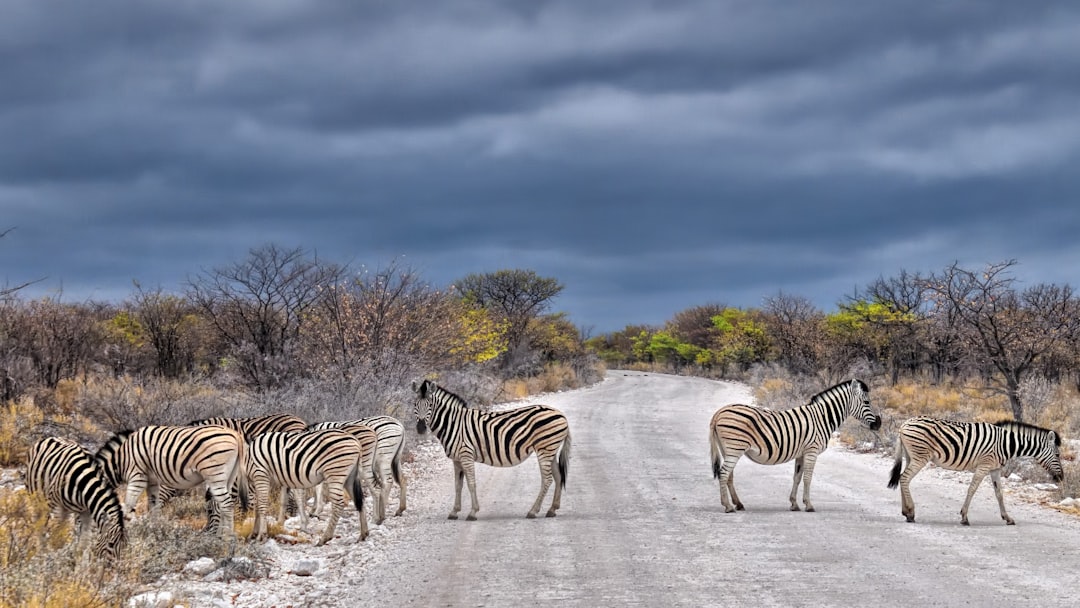
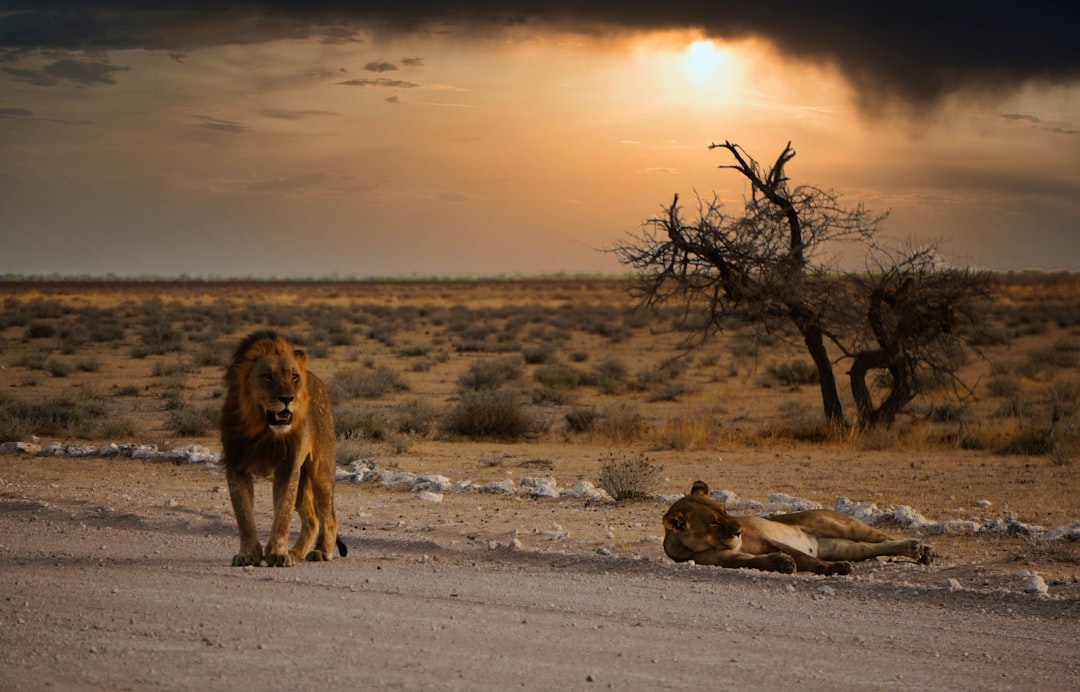
Both Namibia and Botswana sit in southern Africa and attract thousands of safari lovers yearly. They share similar wildlife: lions, elephants, zebras, and giraffes roam both countries. However, their business models differ. Botswana restricts visitor numbers through high conservation fees, creating premium experiences at premium prices. Namibia welcomes more visitors at lower costs, making it accessible to budget travelers and families.
If you're torn between these destinations, cost matters. Namibia consistently costs less while delivering unforgettable safari moments. You'll see the same wildlife and experience similar landscapes for significantly less money. Compare verified safari packages on SafariFind to see real pricing from trusted operators in both countries and find the best fit for your budget.
Namibia Safari Costs Breakdown for 2026
Budget Safari Pricing in Namibia
Namibia budget safaris cost approximately $300–$400 per day in 2026. This includes basic accommodation, meals, and guided game drives in accessible areas like Etosha National Park. Budget options often feature guesthouses or smaller lodges rather than luxury resorts. You'll still see incredible wildlife but with fewer amenities and simpler accommodations.
A 7-day budget safari in Namibia typically costs $2,100–$2,800 per person, including accommodation and activities. Self-drive safaris cost even less because you rent a vehicle and drive yourself through national parks. This approach suits adventurous travelers comfortable navigating on their own. Etosha National Park entry fees are roughly $80 per vehicle per day, making self-drive options very affordable for small groups.
Mid-Range Safari Pricing in Namibia
Namibia mid-range safaris cost $450–$750 per day and offer better comfort without luxury pricing. Mid-range lodges provide good food, clean rooms, and experienced guides. You'll visit the same parks and see the same animals as budget travelers but with more convenience and personalized service. Many mid-range operations include activities like sunrise drives and night safaris.
A 7-day mid-range safari costs $3,150–$5,250 per person in 2026. These packages often bundle accommodation, meals, most drinks, and multiple game drives daily. Mid-range operations frequently offer better value than luxury alternatives because they balance comfort with affordability. You avoid luxury markup while still enjoying quality accommodations and professional guides.
Luxury Safari Options in Namibia
Luxury safaris in Namibia cost $900–$1,300 per day, with ultra-luxury options reaching $1,600–$3,500 per day. These high-end experiences feature five-star lodges, gourmet meals, and exclusive concessions. Luxury Namibia safaris often include activities like hot air balloon rides, scenic flights, and private guides.
Namibia's luxury segment remains significantly cheaper than Botswana's equivalent offerings. A 7-day luxury Namibia safari costs roughly $6,300–$9,100 per person, compared to Botswana's $14,630–$18,480 for similar quality. This 30–50% price difference makes Namibia the better choice even for luxury travelers seeking upscale experiences on a reasonable budget.
Botswana Safari Costs Breakdown for 2026
Budget Safari Pricing in Botswana
Botswana budget safaris cost $250–$350 per day in 2026, making them slightly more expensive than Namibia from day one. Budget options in Botswana often mean camping safaris or basic mobile camps in remote areas. Conservation fees in Botswana are higher than Namibia, which directly increases costs even for budget travelers.
A 7-day budget Botswana safari costs $1,750–$2,450 per person, but you'll face additional expenses not included in Namibia packages. Botswana charges conservation levies of $50–$100 per person daily in certain areas. These fees support wildlife protection but significantly raise your total cost. Budget travelers in Botswana often spend more than mid-range travelers in Namibia for comparable experiences.
Mid-Range Safari Pricing in Botswana
Botswana mid-range safaris cost $350–$550 per day, putting them firmly above Namibia's mid-range pricing. Mid-range lodges in Botswana offer good comfort but require fly-in access to remote locations. Airstrip transfers add $200–$400 per person to your total cost. These transfers are necessary because most Botswana lodges sit in areas unreachable by road.
A 7-day mid-range Botswana safari costs $2,450–$3,850 per person before flights. Add international flights and internal transfers, and your total reaches $4,000–$6,000 per person. This pricing reflects Botswana's deliberate strategy: limit visitor numbers through high prices to maintain exclusivity and pristine wildlife viewing. If you want fewer crowds and don't mind paying extra, Botswana delivers.
Luxury Safari Options in Botswana
Botswana luxury safaris cost $700 per day and climb to $1,200+ for ultra-premium experiences. Five-star Botswana lodges command premium prices because of their remote locations and limited availability. Mid-range luxury pricing starts at $2,090 per person for 5-day packages and reaches $2,640 per person for premium options. Five-star Botswana safaris cost $2,750–$5,000 per person for similar durations.
A 7-day luxury Botswana safari easily costs $8,000–$15,000 per person including flights and transfers. This represents 40–60% more than comparable Namibia luxury safaris. Botswana's premium pricing reflects its reputation as Africa's most exclusive safari destination. Fewer visitors, pristine wilderness, and exceptional wildlife photography opportunities justify the higher cost for luxury travelers.
Why Namibia Costs Less Than Botswana
Self-Drive Safari Options
Namibia's main roads connect major wildlife areas, making self-drive safaris possible and affordable. You rent a vehicle, drive yourself through Etosha National Park, and stay at roadside lodges. This eliminates expensive guide fees and fly-in transfers. Self-drive safaris in Namibia cost $150–$250 per day when you handle your own transportation.
Botswana rarely offers self-drive options because most parks are remote and require professional guides. This forced reliance on guided tours and fly-in access drives prices up. Botswana's business model prioritizes exclusivity through high costs. Namibia's model encourages access through affordable self-drive options, making it budget-friendly for independent travelers.
Conservation Fees and Park Access
Botswana charges high conservation fees to limit visitor numbers and protect wildlife. Daily conservation levies reach $50–$100 per person in premium areas like the Okavango Delta. These fees exist on top of accommodation costs. Namibia's Etosha National Park charges roughly $80 per vehicle daily, not per person, making group visits very affordable.
Namibia's park fees are vehicle-based rather than person-based, which dramatically reduces costs for groups. A group of four visitors pays the same $80 daily fee in Namibia. The same group pays $200–$400 daily in Botswana conservation fees. This structural difference alone saves Namibia visitors thousands of dollars over a week-long safari.
Lodge Accessibility and Variety
Namibia offers diverse accommodation options accessible by road: budget guesthouses, mid-range lodges, and luxury resorts all within driving distance of wildlife areas. This accessibility keeps costs down. Botswana's best lodges sit in remote concessions requiring expensive fly-in access. Airstrip transfers and limited lodge availability push Botswana prices upward.
Namibia's lodge network includes family-run operations, franchise properties, and independent luxury resorts. Competition keeps prices reasonable across all categories. Botswana's lodge market is more limited and exclusive, allowing operators to maintain higher prices. For budget-conscious travelers, Namibia's competitive lodge market delivers better value.
Comparing Wildlife and Experiences
Wildlife Viewing Quality
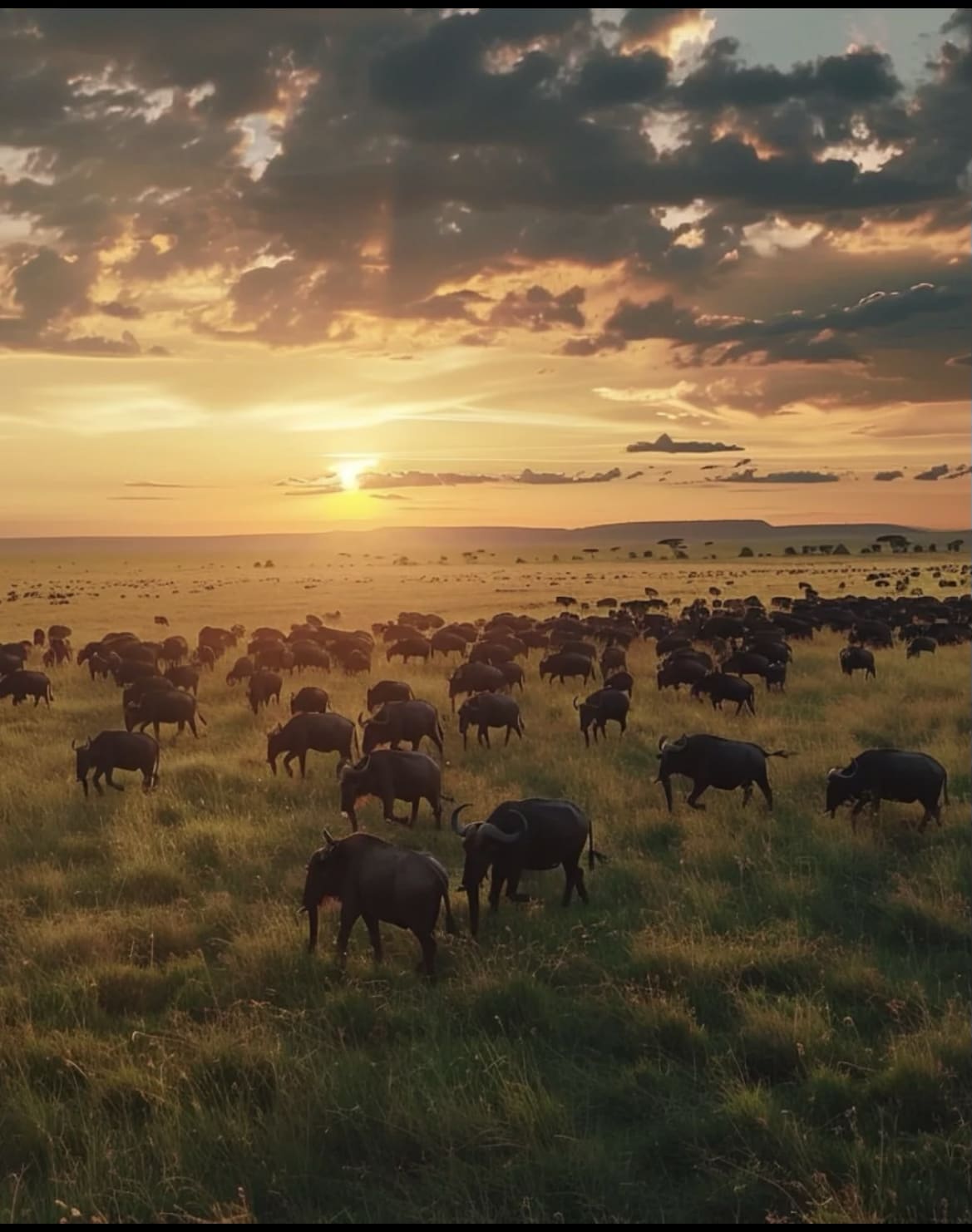
Both Namibia and Botswana offer exceptional wildlife viewing, but Botswana's limited visitor numbers create more exclusive encounters. Etosha National Park in Namibia hosts more vehicles and visitors, which means more competition at waterholes during peak season. Botswana's Okavango Delta restricts visitor numbers, offering solitude and intimate wildlife moments.
However, Namibia's wildlife is equally impressive. Etosha supports over 114 mammal species and 340 bird species. You'll see lions, elephants, zebras, and giraffes in abundance. The park's unique ecosystem—a vast salt pan surrounded by wildlife—creates dramatic landscapes and reliable animal sightings. For wildlife photography and genuine safari experiences, Namibia delivers excellent value without Botswana's premium pricing.
Landscape and Scenic Diversity
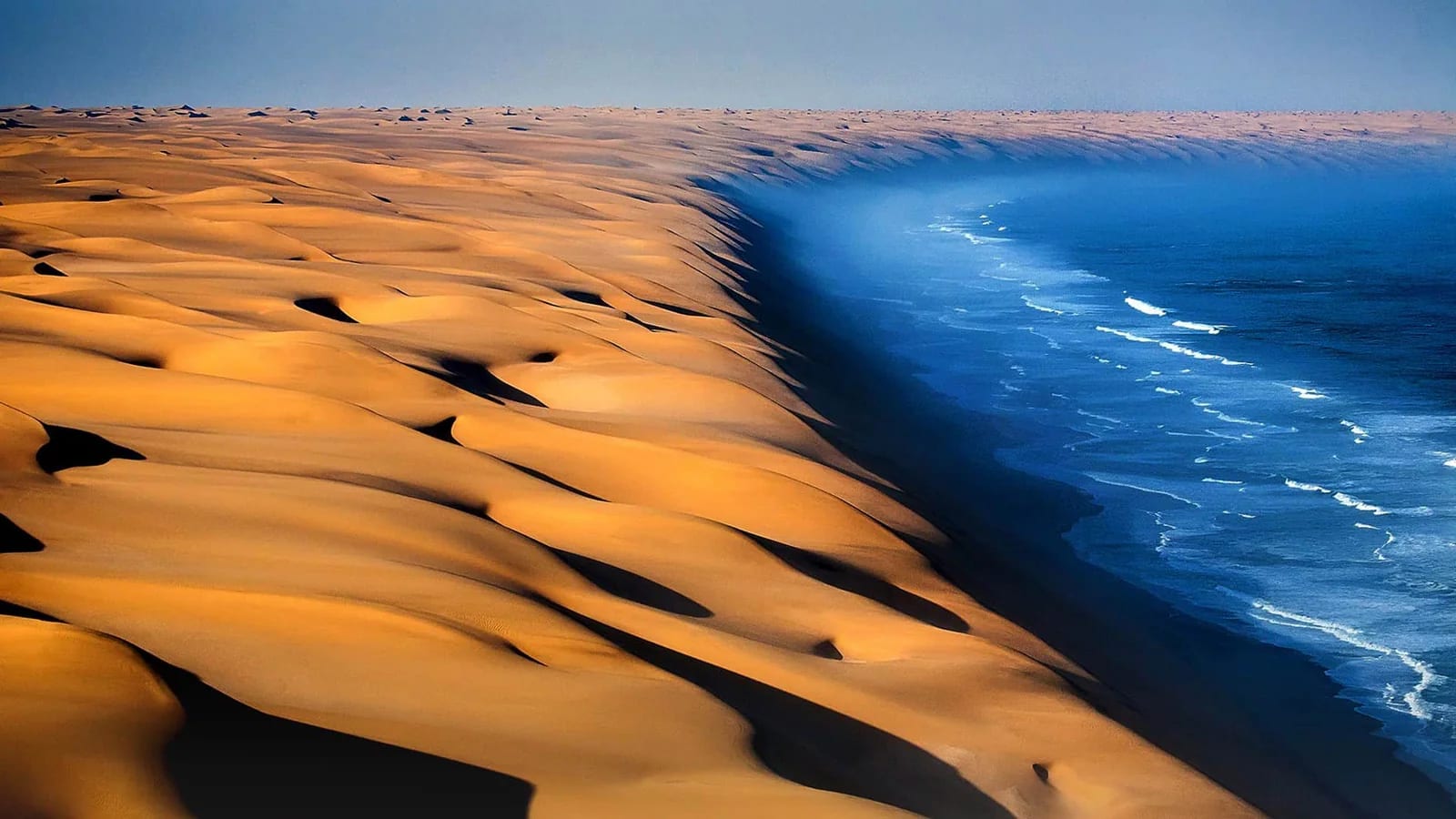
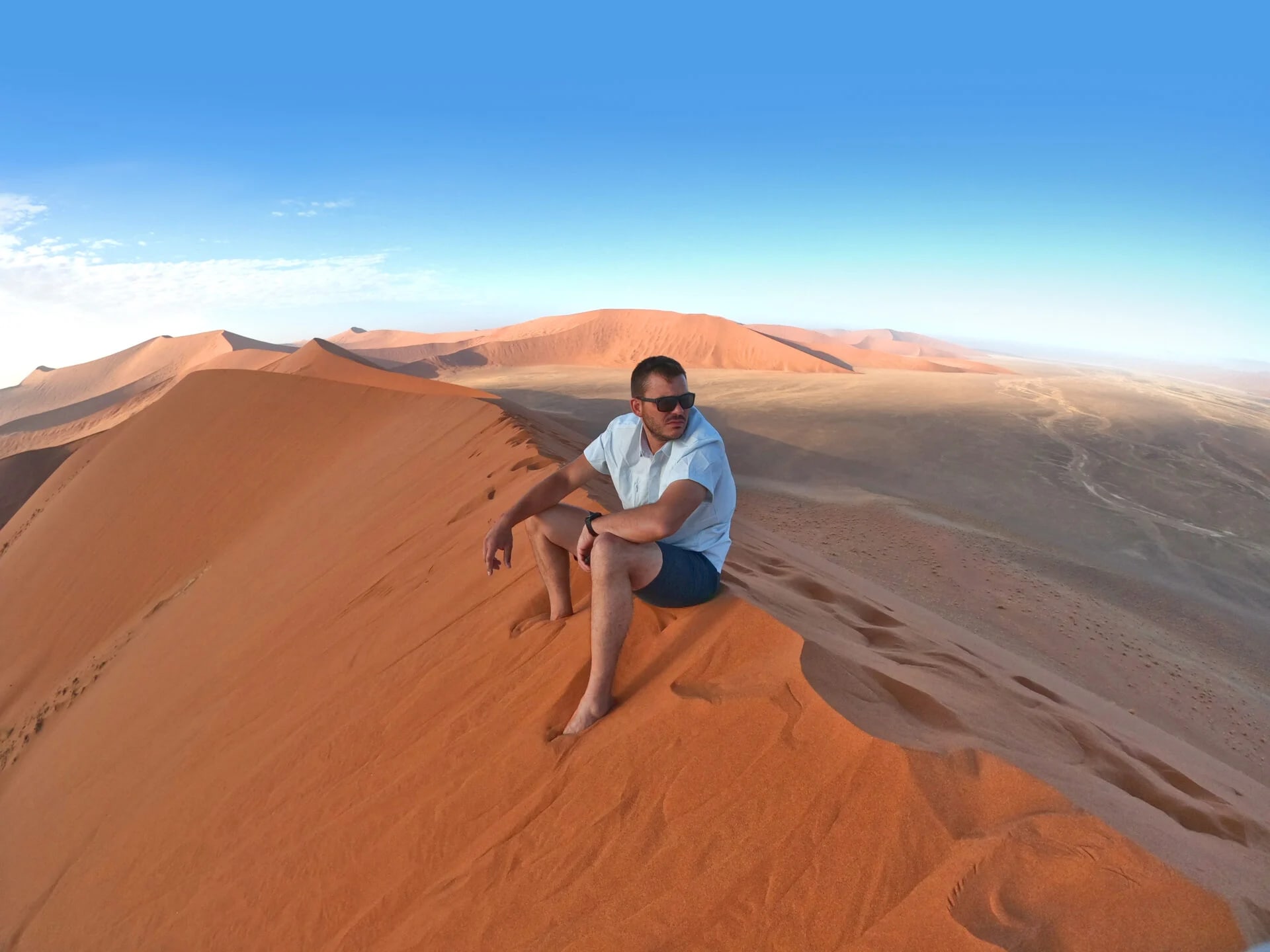
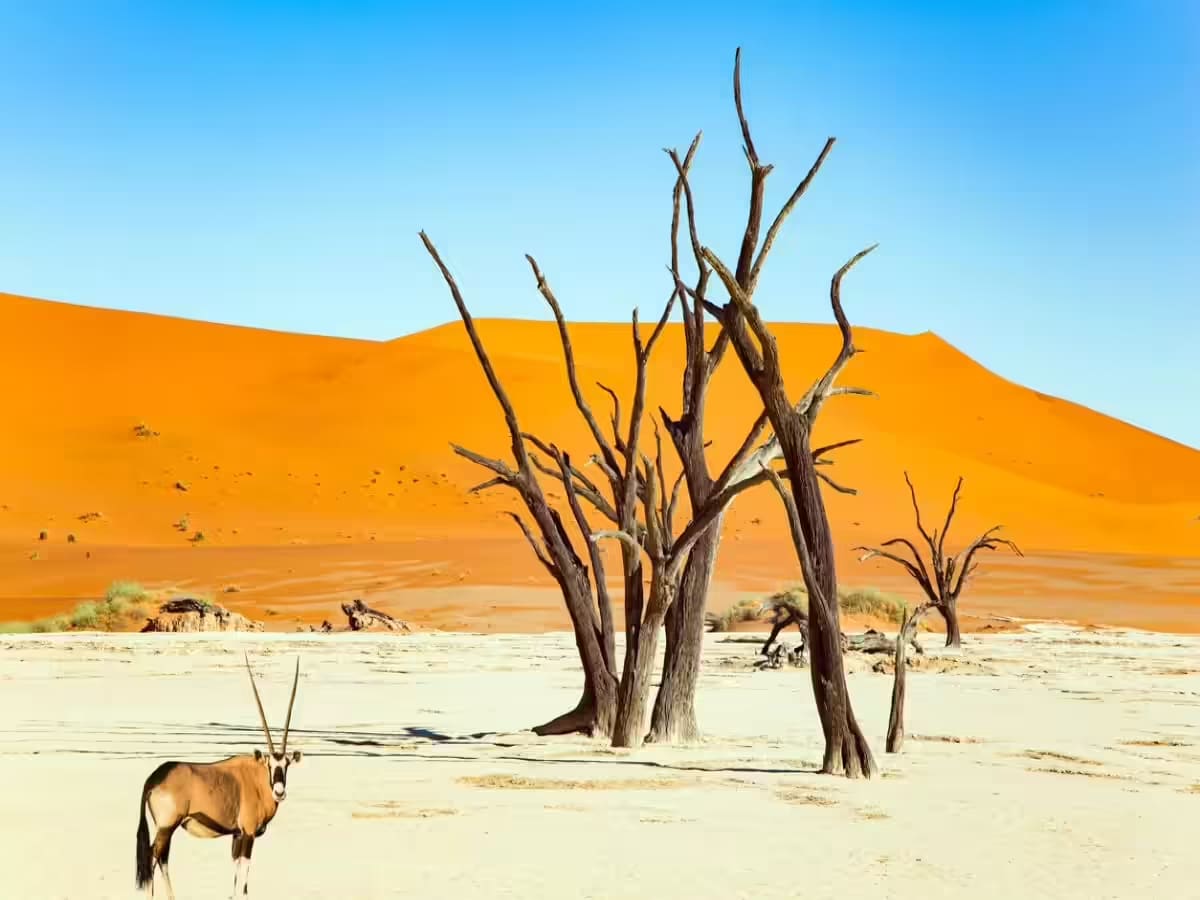
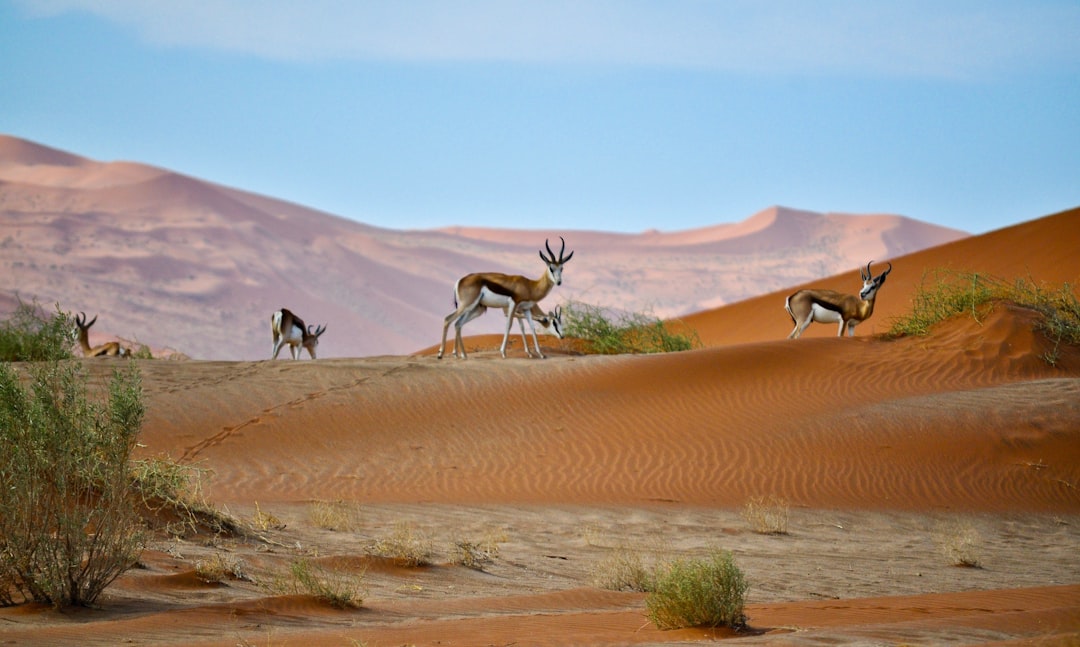
Namibia offers stunning landscape variety: red sand dunes, salt pans, rocky outcrops, and desert vistas. Etosha's vast salt pan creates otherworldly scenery. The Namib Desert provides dramatic backdrops for wildlife photos. Namibia's visual diversity rivals any African destination. Botswana features the Okavango Delta's water-based ecosystem, Chobe's river landscapes, and Moremi's diverse habitats.
Both destinations deliver unique experiences. Namibia excels in dramatic, arid landscapes. Botswana specializes in water-based wildlife viewing and lush delta scenery. Your choice depends on landscape preferences. Budget travelers choosing Namibia don't sacrifice scenery—they get different but equally memorable landscapes at lower costs.
Crowd Levels and Exclusivity
Botswana intentionally limits visitors to maintain exclusivity. Private concessions restrict vehicle numbers, creating solitary game drives. You might spend entire days seeing only your guide and vehicle. This exclusivity justifies Botswana's premium pricing for travelers seeking intimate, crowd-free experiences.
Namibia attracts more visitors, especially in Etosha during peak season. You'll encounter other vehicles at popular waterholes. However, Namibia's vast size means you can easily find solitude by venturing into less-visited areas. Mid-range and luxury Namibia operators offer private concessions with limited vehicle access, delivering Botswana-style exclusivity at Namibia prices. This flexibility makes Namibia better for budget travelers seeking occasional exclusivity without premium pricing.
Seasonal Pricing and Best Times to Visit
Peak Season Pricing (May–September)
Peak season runs May through September in both countries when weather is cool and dry. Wildlife congregates around waterholes, creating excellent viewing opportunities. Peak season pricing is highest in both destinations. Namibia peak season costs run $250–$450 per day, while Botswana peaks at $350–$700 per day.
Book peak season safaris 3–6 months ahead for best availability and rates. July and August are busiest months. If you travel in May or September, you'll find slightly lower prices and fewer crowds while maintaining excellent wildlife viewing. Peak season remains the best time for most travelers despite higher costs.
Low Season Pricing (November–March)
Low season brings discounts of up to 40% on accommodation in both countries. Namibia low season costs drop to $150–$300 per day. Botswana low season reaches $200–$450 per day. However, low season coincides with rainy weather and reduced wildlife visibility. Animals disperse across the landscape when water is abundant everywhere.
Low season suits experienced travelers comfortable with unpredictable wildlife viewing. You'll save significantly but accept lower sighting rates. Bird watching improves during rainy season. If budget is your priority and you're flexible about wildlife guarantees, low season offers exceptional value.
Shoulder Season Pricing (April, October)
Shoulder season—April and October—offers moderate pricing with good wildlife viewing. Namibia shoulder season costs $200–$350 per day. Botswana runs $250–$500 per day. Weather is pleasant, wildlife is active, and crowds are manageable. Shoulder season represents the sweet spot for value-conscious travelers seeking reliable experiences without peak season prices.
October is particularly good because dry season is ending, concentrating animals around remaining water sources. April offers similar advantages. Plan shoulder season safaris 2–3 months ahead for optimal rates. You'll save 20–30% compared to peak season while maintaining excellent wildlife viewing opportunities.
Hidden Costs and Budget Considerations
Flights and Transportation
International flights represent your largest safari expense. Round-trip flights from North America to Johannesburg cost $800–$1,500. Connections to Namibia or Botswana add $200–$400. Botswana requires additional internal flights to remote lodges ($200–$400 per person). Namibia's road accessibility eliminates most internal flight costs.
Ground transportation costs differ significantly. Namibia self-drive safaris use rental vehicles ($50–$100 daily). Botswana requires professional guides and transfers ($100–$200 daily). Over 7 days, transportation adds $700–$1,400 to Botswana costs versus $350–$700 for Namibia self-drive options.
Meals and Beverages
Budget and mid-range packages typically include meals and coffee. Luxury packages include premium beverages and gourmet dining. Alcoholic drinks often cost extra even in all-inclusive packages. Expect to spend $50–$150 daily on beverages and meals not included in your package.
Botswana lodges charge premium prices for extras: wine, spirits, and specialty meals. Namibia offers more affordable beverage options. Budget $200–$300 extra for a 7-day safari if you enjoy drinking wine or spirits regularly. This hidden cost adds significantly to Botswana trips.
Activities and Excursions
Game drives are typically included in safari packages. Specialized activities cost extra: hot air balloon rides ($300–$500), scenic flights ($400–$600), and guided walks ($100–$200). Botswana's remote locations often necessitate premium activities. Namibia offers similar activities at lower prices due to better road access.
Budget an additional $300–$1,000 for optional activities during a 7-day safari. Luxury packages sometimes include these extras, but budget and mid-range packages charge separately. This adds 10–15% to your total cost if you want enhanced experiences.
Gratuities and Tips
Guides, drivers, and lodge staff expect tips. Standard gratuities are 10–15% of daily costs for guides and 5–10% for other staff. A 7-day safari with $300 daily costs requires $210–$315 in tips. This expense applies equally to both destinations but Botswana's higher daily rates mean higher tip amounts.
Practical Comparison Table
| Category | Namibia | Botswana | Winner (Budget) |
|---|---|---|---|
| Daily Cost Range | $200–$450 | $250–$700 | Namibia |
| Park Entry Fees | $80/vehicle/day | $50–$100/person/day | Namibia |
| Internal Flights | Optional ($0–$200) | Required ($200–$400) | Namibia |
| Self-Drive Option | Yes ($150–$250/day) | No | Namibia |
| 7-Day Budget Total | $2,100–$2,800 | $1,750–$2,450 | Botswana (barely) |
| 7-Day Mid-Range Total | $3,150–$5,250 | $2,450–$3,850 | Botswana (before flights) |
| 7-Day Luxury Total | $6,300–$9,100 | $8,000–$15,000 | Namibia |
| Crowd Levels | Moderate–High | Low (exclusive) | Botswana |
| Wildlife Quality | Excellent | Excellent | Tie |
Reading the Comparison
The table reveals important insights. Budget travelers should choose Namibia for self-drive options and lower park fees. Mid-range travelers get similar experiences in both countries, but Botswana's internal flights add $200–$400 per person. Luxury travelers save 30–40% choosing Namibia over Botswana. For families and groups, Namibia's vehicle-based park fees offer better value than Botswana's per-person conservation charges.
Before booking, consider your priorities. Want exclusivity and don't mind paying? Choose Botswana. Want wildlife, scenery, and better value? Choose Namibia. Visit SafariFind to compare verified packages from operators in both countries and find the best option matching your budget and preferences.
Which Destination Should You Choose?
Choose Namibia If You Want to Save Money
Namibia is the clear choice for budget-conscious travelers. Self-drive safaris cost $150–$250 per day—less than half Botswana's rates. Group travel makes Namibia even cheaper because vehicle-based park fees don't increase with passenger numbers. A family of four pays the same Etosha entry as two travelers. Namibia delivers authentic safari experiences at prices that don't require taking out a second mortgage.
Namibia also suits independent travelers comfortable driving themselves. Renting a vehicle costs $50–$100 daily. Combine self-driving with budget lodges, and you're looking at $200–$300 daily all-in. This price point makes African safaris accessible to travelers who might otherwise skip them. Your money stretches further in Namibia across all experience levels.
Choose Botswana If You Prioritize Exclusivity
Botswana justifies its premium pricing through exclusivity. Limited visitor numbers mean you might spend entire days seeing only your guide and one other vehicle. Private concessions restrict access, creating intimate wildlife encounters impossible in busier destinations. If solitude and premium experiences matter more than cost, Botswana delivers.
Botswana suits luxury travelers, photographers seeking pristine conditions, and travelers celebrating special occasions. The higher cost buys genuine exclusivity, not just nicer amenities. Your money funds conservation efforts protecting these wild spaces. If you can afford Botswana and value exclusivity above all else, it's worth the premium. However, most travelers find Namibia's experiences equally memorable at significantly lower prices.
Choose Namibia for Diverse Landscapes
Namibia offers landscape variety unmatched by Botswana. Red sand dunes, salt pans, desert vistas, and rocky outcrops create visual diversity. Etosha's vast salt pan is unlike anywhere else on Earth. Namibia's scenery rivals Botswana while costing less. Photographers find exceptional opportunities in Namibia's dramatic landscapes without premium pricing.
Botswana specializes in water-based ecosystems. The Okavango Delta is spectacular but represents one landscape type. Namibia's variety appeals to travelers wanting diverse experiences in one trip. Combine Etosha's arid beauty with coastal dunes or desert scenery. This variety justifies choosing Namibia for first-time safari travelers wanting to experience Africa's full range.
Booking Your Safari: Next Steps
Research Before Booking
Spend time researching operators in both countries. Read reviews from past travelers. Check operator credentials and years in business. Verify that parks and lodges are currently operational. SafariFind lists verified operators with authentic traveler reviews. Filter by destination, price range, and dates to find suitable options quickly.
Compare at least three packages in each destination before deciding. Look beyond headline prices—check what's included. Some packages include drinks and activities; others charge separately. Request detailed itineraries showing daily activities and exact accommodation locations. Ask about cancellation policies and travel insurance requirements.
Get Quotes and Compare
Request quotes from verified operators on SafariFind. Most reputable companies respond within 24 hours. Compare pricing, inclusions, and cancellation terms. Ask about group discounts if traveling with friends or family. Negotiate if you're flexible on dates—shoulder season often brings better rates than peak season.
Request quotes from at least two operators in your chosen destination. Competition keeps prices reasonable. Operators often match or beat competitor prices for serious inquiries. Use quotes to negotiate better rates or added inclusions like airport transfers or activity upgrades.
Book Early for Better Rates
Book 3–6 months before your travel date for peak season trips. Early booking secures better rates and preferred lodge dates. Last-minute bookings sometimes offer discounts but limit your choices. Mid-range and luxury packages fill quickly during peak season. Booking early guarantees availability and often includes early-bird discounts of 10–15%.
For low season or shoulder season trips, book 4–8 weeks ahead. These seasons have more availability but still benefit from advance booking. Use SafariFind to browse packages from multiple operators, read authentic reviews, and request quotes. Compare verified operators to find the best combination of price, experience, and reliability. Your perfect safari is just a few clicks away on SafariFind.
Key Takeaways
- Save 30–40% by choosing Namibia: Namibia safaris cost $200–$450 daily versus Botswana's $250–$700, making Namibia the budget winner for most travelers in 2026.
- Self-drive safaris in Namibia cost 50% less: Rent a vehicle and drive Etosha yourself for $150–$250 daily, compared to Botswana's $350+ for guided tours and fly-in transfers.
- Book during shoulder season (April, October) to save 20–30%: Avoid peak season premiums while maintaining excellent wildlife viewing and pleasant weather.
- Namibia's vehicle-based park fees benefit groups: A family of four pays the same $80 daily Etosha fee as two travelers, making group travel extremely affordable compared to Botswana's per-person conservation charges.
- Compare verified packages on SafariFind before committing: Request quotes from multiple operators in both countries, read authentic reviews, and negotiate rates to find the best value matching your budget and preferences.
Frequently Asked Questions
How much does a 7-day safari cost in Namibia versus Botswana?
A 7-day Namibia safari costs $2,100–$2,800 for budget options, $3,150–$5,250 for mid-range, and $6,300–$9,100 for luxury in 2026. Botswana's equivalent safaris cost $1,750–$2,450 (budget), $2,450–$3,850 (mid-range, before flights), and $8,000–$15,000 (luxury). When including internal flights, Botswana totals are significantly higher, making Namibia the better value for most travelers.
Is self-drive safari possible in Botswana?
Self-drive safaris are rarely possible in Botswana because most wildlife areas are remote and require professional guides. Botswana's business model prioritizes exclusivity through guided-only access and fly-in lodges. Namibia's main roads connect to Etosha and other parks, making self-drive safaris easy, legal, and affordable. This structural difference makes Namibia significantly cheaper for independent travelers.
What is included in typical safari package prices?
Most safari packages include accommodation, meals, and game drives with professional guides. Luxury packages often add premium beverages and gourmet dining. Typically excluded: international flights, travel insurance, tips, alcoholic drinks (sometimes), specialized activities like hot air balloon rides, and personal expenses. Always verify what's included before booking. Request detailed itineraries showing daily inclusions and costs.
When is the best time to visit for lower prices?
Low season (November–March) offers 40% discounts but brings rain and reduced wildlife visibility. Shoulder season (April, October) provides 20–30% savings with good weather and active wildlife. Peak season (May–September) has highest prices but guarantees excellent wildlife viewing and dry conditions. For budget travelers, shoulder season represents the best value combining affordability with reliable experiences.
Should I choose Namibia or Botswana for my first African safari?
Choose Namibia for your first safari if budget matters. You'll save 30–40% while experiencing authentic African wildlife and stunning landscapes. Namibia offers diverse scenery, reliable wildlife viewing, and flexible travel options. Botswana suits first-timers wanting exclusive experiences and willing to pay premium prices. For most first-time travelers, Namibia delivers unforgettable memories without excessive costs. Find your perfect first safari on SafariFind by comparing verified operators and reading authentic traveler reviews.
Can I negotiate safari package prices?
Yes, you can negotiate, especially for groups, longer durations, or flexible dates. Request quotes from multiple operators on SafariFind and use competing offers as leverage. Operators often match or beat competitor prices. Early booking (3–6 months ahead) sometimes includes early-bird discounts of 10–15%. Last-minute bookings occasionally offer discounts but limit choices. Contact operators directly through SafariFind to discuss rates and possible inclusions like airport transfers or activity upgrades.
What hidden costs should I budget for on safari?
Budget an extra $300–$1,000 for optional activities (hot air balloons, flights), $200–$300 for beverages and meals not included, $210–$315 for tips (10–15% of daily costs), and $50–$150 for personal expenses. Travel insurance, visa fees, and airport transfers add additional costs depending on your origin. Request comprehensive quotes from SafariFind operators showing all potential expenses so you can budget accurately.
Conclusion
Namibia safaris cost significantly less than Botswana in 2026, making it the smarter choice for budget-conscious travelers. Namibia ranges from $200–$450 daily while Botswana spans $250–$700 daily. The price gap widens when considering Botswana's expensive internal flights and per-person conservation fees. For a 7-day safari, expect to save $1,000–$4,000 choosing Namibia over Botswana, depending on your experience level.
Both destinations deliver exceptional wildlife viewing and unforgettable experiences. Namibia excels in value and accessibility. Botswana excels in exclusivity and pristine wilderness. Your choice depends on budget priorities and travel style. Budget and mid-range travelers should choose Namibia. Luxury travelers seeking exclusivity might justify Botswana's premium. Families and groups benefit most from Namibia's affordable group rates and self-drive options.
Before booking, research verified operators on SafariFind. Compare packages from multiple companies. Read authentic reviews from past travelers. Request detailed quotes showing all inclusions and potential costs. Book 3–6 months ahead for peak season or 4–8 weeks for shoulder season to secure the best rates. Whether you choose Namibia's budget-friendly adventures or Botswana's exclusive experiences, SafariFind connects you with verified operators offering authentic safaris backed by real traveler reviews. Start comparing safari packages on SafariFind today and plan the African adventure of your dreams.
Plan Your Safari with SafariFind
These recommendations use real data from SafariFind, where you can compare operators, browse packages, and read verified traveler reviews before you book.
Recommended Safari Packages from SafariFind
What Travelers Say (SafariFind Reviews)
References
- What Does an African Safari Cost? | 2026 Guidelines — Go2Africa
- African Safari Pricing 2026 | Affordable Costs from $150/Day — African Budget Safaris
- How Much Does a Namibia Safari Cost? (Budget Breakdown) — Private Tours Cape Town
- Namibia Safari Cost 2026: Budget vs Luxury | SafariFind
- African Safari Cost: What a Real Safari Really Costs (2026) — African Safari Magazine
- Luxury Safari Guide Botswana vs Namibia: Which is Better for Americans 2026 — XpertTrips
- How Much Does a Botswana Safari Cost? 2026 Price Guide — SafariGo
- Botswana Safari Cost 2026 – Everything You Need to Know! — Ella McKendrick
Sources
- What Does an African Safari Cost? | 2026 Guidelines
- African Safari Pricing 2026 | Affordable Costs from $150/Day
- How Much Does a Namibia Safari Cost? (Budget Breakdown)
- Namibia Safari Cost 2026: Budget vs Luxury
- African Safari Cost: What a Real Safari Really Costs (2026)
- Luxury Safari Guide Botswana vs Namibia: Which is Better for Americans 2026
- How Much Does a Botswana Safari Cost? 2026 Price Guide
- Botswana Safari Cost 2026 – Everything You Need to Know!
Related to
Ready to start your safari adventure?
Explore curated safari packages and find your perfect African adventure with verified operators.