Seven Mistakes First-Time Safari Visitors Make and How to Avoid Them Completely
Discover Seven Mistakes First-Time Safari Visitors Make and How to Avoid Them Completely - Expert guide to safari tourism and wildlife destinations.
Seven Mistakes First-Time Safari Visitors Make
TL;DR: First-time safari visitors commonly rush through experiences, pack improperly, book too late, skip research, and ignore wildlife safety rules. Avoiding these seven mistakes ensures a safer, more enjoyable safari adventure with better wildlife sightings and memorable moments.
Why Your First Safari Matters: Common Pitfalls to Avoid
Your first safari trip is unforgettable. However, many first-time visitors make mistakes that ruin the experience. These errors range from poor planning to unrealistic expectations about wildlife sightings.
The good news? Most mistakes are easily preventable. You simply need to know what to avoid before you go. Safari veterans have learned hard lessons so you don't have to.
This guide walks you through seven mistakes first-time safari visitors make. You'll also learn practical ways to avoid each one completely. Whether you're heading to Africa, Asia, or beyond, these tips apply everywhere.
Safari tourism is growing rapidly. More travelers are discovering African wildlife and exotic landscapes. Yet without proper preparation, even experienced travelers can stumble. That's why we've compiled this essential guide to help you succeed.
Mistake #1: Trying to See Too Much in One Trip
The biggest mistake? Wanting to experience everything at once. Many first-timers pack multiple countries, parks, and regions into a single journey.
This approach backfires quickly. You spend more time traveling than observing wildlife. You arrive exhausted at each destination. You miss the subtle beauty of ecosystems.
Why This Matters for Your Experience
Safari is about immersion, not speed. Quality beats quantity every single time. Spending three days in one park beats rushing through five parks in two weeks.
When you slow down, you notice details. You see animal behavior patterns. You understand the landscape better. Your photographs improve dramatically.
How to Avoid It: Focus on One or Two Destinations
Choose one park and stay there longer. Serengeti, Kruger, or Okavango each deserve at least four to five days minimum.
If visiting two parks, they should be close together. This reduces travel time and maximizes wildlife viewing. For example, pair Serengeti with Ngorongoro Crater. Both are in Tanzania and complement each other perfectly.
Longer stays in fewer places give you better odds of epic wildlife encounters. Animals follow patterns. Multiple game drives increase your chances of witnessing predator hunts, large herds, and rare species.
When you browse safari packages on SafariFind, look for operators offering extended stays in single destinations. Many verified tour operators specialize in in-depth park experiences rather than whirlwind tours.
Mistake #2: Assuming You'll See Everything on One Game Drive
New visitors often think one game drive will deliver all the action. They expect to see lions, elephants, leopards, and buffalo in a single outing.
Reality is different. Wildlife is unpredictable. Animals move constantly. You might see amazing sights one day and nothing the next.
Understanding Safari Timing and Luck
Safari involves patience and luck. Even experienced guides can't guarantee specific animal sightings. Weather, seasons, and animal behavior all play roles.
Early morning drives offer the best wildlife activity. Animals are active during cooler hours. Afternoon drives are slower. Night drives reveal nocturnal creatures but aren't always available.
How to Avoid It: Schedule Multiple Game Drives
Plan at least three to four game drives during your stay. This multiplies your viewing opportunities significantly.
Each drive takes different routes. Different times reveal different animals. Morning drives catch predators hunting. Afternoon drives show grazing herds. Night drives reveal owls, hyenas, and genets.
Verified tour operators on SafariFind typically include multiple game drives in their packages. When requesting quotes, ask specifically how many daily drives are included. Premium operators often offer sunrise and sunset drives plus midday options.
This strategy also keeps your experience fresh. You won't feel disappointed if one drive doesn't deliver. You'll have multiple chances to capture that perfect photograph or witness dramatic wildlife moments.
Mistake #3: Assuming All African Parks Are Identical
First-timers often think one African park is the same as another. This huge mistake leads to disappointment and wasted money.
Each park is completely different. Serengeti differs from Kruger. Okavango differs from Amboseli. Each has unique ecosystems, animals, and experiences.
Understanding Park Differences
Serengeti is famous for the Great Migration. Over two million wildebeest move across plains annually. This spectacle doesn't happen in other parks.[1]
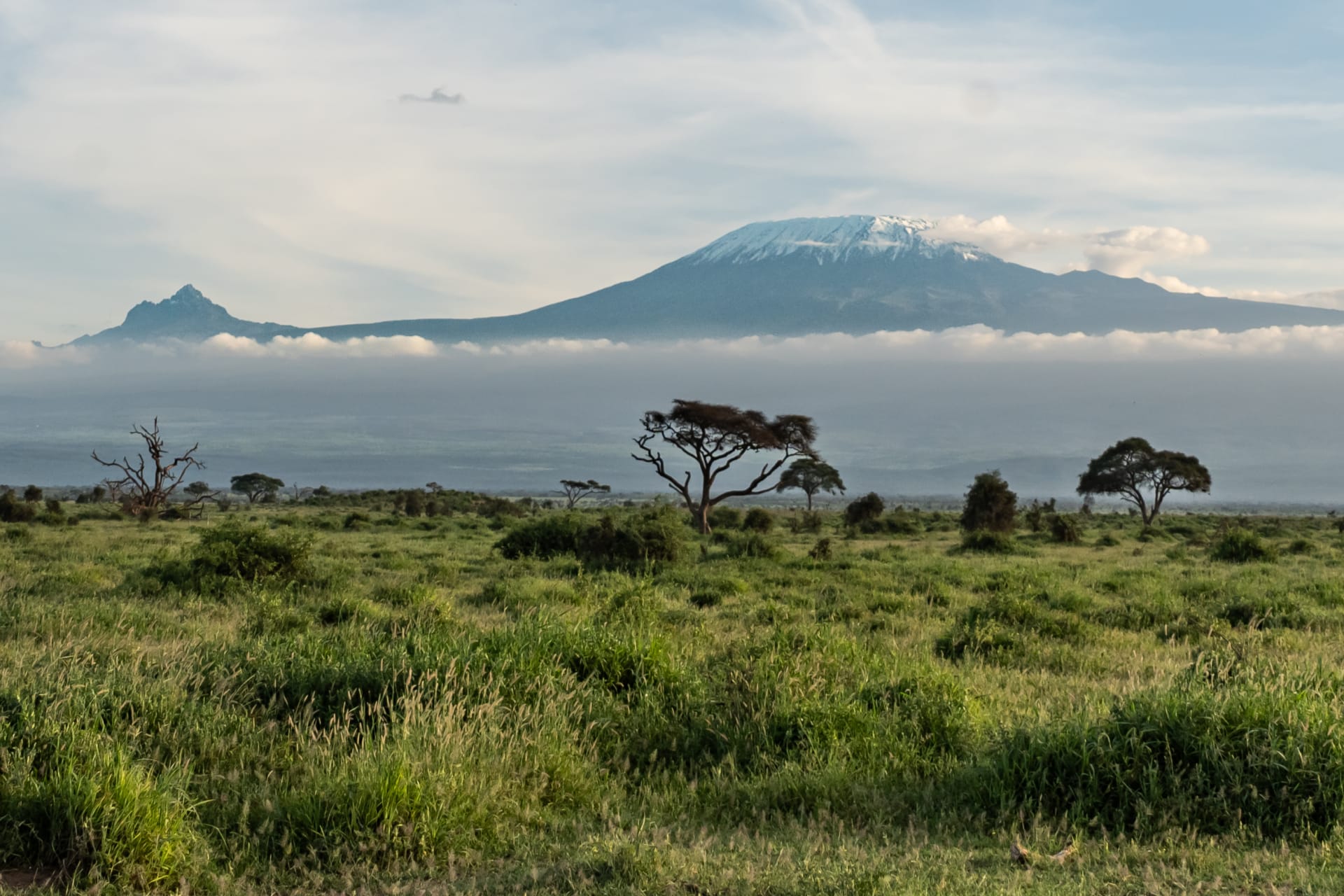
Kruger National Park in South Africa covers nearly two million hectares. It hosts the "Big Five" reliably and offers diverse landscapes.[2]
Okavango Delta in Botswana is a water-based ecosystem. You explore by boat and mokoro. It's completely different from land-based safaris.[3]
How to Avoid It: Research Each Destination
Before booking, research your specific park thoroughly. Learn about seasonal patterns, wildlife populations, and unique features.
Different parks peak at different times. Great Migration happens June through October. Other parks have different peak seasons. Timing matters tremendously.
SafariFind's verified tour operators can guide you toward the best park for your interests. Some specialize in specific regions. Request quotes from operators familiar with your chosen destination. Read authentic reviews from travelers who've visited that exact park. This research prevents booking the wrong place for your goals.
Mistake #4: Being Too Tight on Your Budget
Cost-cutting on safari often backfires badly. Budget safaris sometimes mean poor guides, uncomfortable vehicles, or unsafe practices.
You don't need luxury, but you need quality. A good mid-range safari beats a cheap poor-quality one every time.
Understanding Safari Costs
Safari costs cover guides, vehicles, park fees, and accommodation. Professional guides make enormous differences in your experience. Great guides spot hidden animals and share fascinating knowledge.
Vehicle quality matters too. Broken-down vehicles ruin experiences. Unreliable transportation creates stress and safety concerns.
How to Avoid It: Invest in Quality Experiences
Budget an appropriate amount for your safari. Cheap packages often cut corners dangerously. Mid-range packages offer better value and reliability.
When comparing packages on SafariFind, don't choose solely on price. Read verified reviews carefully. Check what's included. Compare what you actually get for your money.
A slightly pricier package with excellent reviews beats a cheap package with mediocre ratings. Professional guides cost more but deliver better sightings and safety. Quality vehicles cost more but run reliably.
Think of it this way: you're traveling far to experience wildlife. Why compromise with subpar operators? Request quotes from multiple verified operators and compare value, not just price.
Mistake #5: Leaving Booking to the Last Minute
Many first-timers book safaris just weeks before departure. This timing creates problems immediately.
Last-minute bookings mean limited choices. Popular operators get booked out. You're stuck with whoever has availability. Prices also spike for last-minute bookings.
Why Advance Planning Helps
Safari seasons fill quickly. Peak periods book months ahead. Last-minute travelers pay premium prices or get poor operators.
Advance booking gives you leverage. You can compare multiple operators. You can negotiate better rates. You can choose your preferred guides and vehicles.
How to Avoid It: Book 3-6 Months Ahead
Start planning three to six months before your trip. This timeline is ideal for most destinations.
Browse safari packages on SafariFind early. Request quotes from verified operators. Compare options without pressure. Ask questions and get detailed responses.
Early booking also lets you prepare properly. You'll have time for vaccinations, visa applications, and gear purchases. You won't feel rushed or stressed.
For peak seasons like the Great Migration, book even earlier—six to nine months ahead. Popular operators fill up quickly during these times.
Mistake #6: Skipping Research About Wildlife Safety
New safari visitors sometimes ignore basic safety rules. They assume wildlife is like zoo animals—relatively harmless.
This dangerous assumption creates problems. African wildlife is wild and unpredictable. Animals attack when threatened or surprised.
Understanding Wildlife Behavior
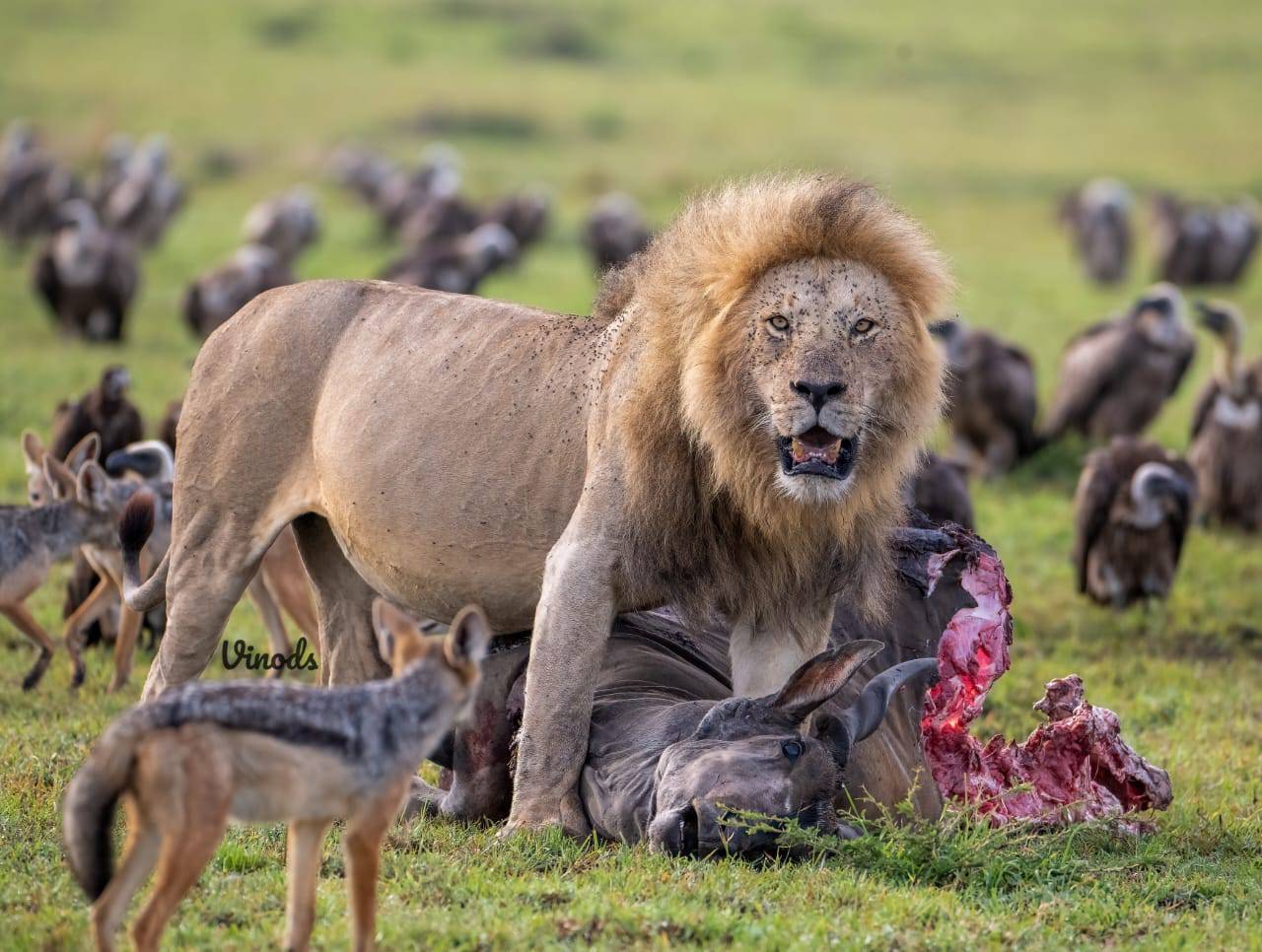
Lions kill prey regularly. Elephants charge when startled. Hippos are incredibly dangerous despite their sluggish appearance. Buffalo are unpredictable and aggressive.
Never exit your vehicle without permission. Never approach animals for photographs. Never make sudden movements or loud noises.
How to Avoid It: Follow All Safety Guidelines
Listen to your guide completely. Guides know animal behavior intimately. They understand danger signs. They know safe distances for photography.
Stay in vehicles during game drives. Exit only at designated stops. Never feed animals under any circumstances. Don't bring food into wildlife areas—it attracts animals dangerously close.
Wear neutral colors and avoid perfumes. Bright colors and strong scents can agitate animals. Move slowly and speak quietly. Sudden movements startle wildlife.
Before your trip, ask your tour operator about their safety protocols. Verified operators on SafariFind have established safety records. Read reviews mentioning guide professionalism and safety practices. Never compromise on this critical aspect of your safari experience.
Mistake #7: Packing Wrong Gear and Clothing
First-timers often pack incorrectly. They bring too much or the wrong items. This creates discomfort and limits enjoyment.
Proper gear makes enormous differences. Right clothing keeps you comfortable. Appropriate equipment enhances wildlife viewing and photography.
Essential Safari Packing Items
Binoculars are crucial for spotting distant animals. Quality binoculars reveal details you'd otherwise miss.
Neutral-colored clothing helps you blend in. Khaki, tan, and olive green work well. Avoid bright colors that startle wildlife.
Sun protection is essential. Bring sunscreen, hats, and sunglasses. African sun is intense and unforgiving.
Comfortable walking shoes are necessary. You might walk short distances from vehicles. Good shoes prevent blisters and discomfort.
How to Avoid It: Pack Smart for Safari Conditions
Layers are important because temperatures vary greatly. Early mornings are cool. Midday is hot. Evenings cool down again.
Bring a light jacket for early morning drives. Pack short-sleeved shirts for daytime. Have long pants for evening and safety.
Camera gear requires protection. Bring a quality camera bag. Pack lens cleaning supplies. Bring extra batteries and memory cards.
Most safari operators provide packing lists. Request one when booking through SafariFind. Follow the recommendations carefully. Don't try to be clever or pack differently than advised.
Travel light when possible. You'll move between vehicles and accommodations. Excess luggage creates hassles. Aim for one carry-on and one checked bag if possible.
Key Takeaways: Avoiding First-Time Safari Mistakes
Focus on fewer destinations: Choose one or two parks maximum. Spend 4-5 days minimum in each location to maximize wildlife viewing opportunities and truly immerse yourself in the ecosystem.
Schedule multiple game drives: Plan at least 3-4 daily game drives during your stay. Different times reveal different animals, and multiple drives increase your odds of witnessing rare behaviors and epic wildlife moments.
Research your specific park: Each African park is unique with different animals, landscapes, and seasonal patterns. Learn about your destination's peak season, wildlife populations, and distinct features before booking.
Invest in quality experiences: Avoid ultra-budget safaris that compromise on guides, vehicles, or safety. Mid-range packages typically offer better value. Compare verified reviews and what's included, not just price tags.
Book 3-6 months in advance: Early booking ensures better operator choices, competitive pricing, and time for proper preparation including vaccinations, visas, and gear purchases.
Frequently Asked Questions About First-Time Safari Mistakes
What are the most common safari mistakes beginners make?
First-time visitors often try to see too much, pack wrong, book too late, skip safety research, and have unrealistic expectations about wildlife sightings. These mistakes reduce enjoyment and create problems during your trip.
How many days should I spend on safari?
Plan at least 4-5 days minimum in one park. This gives you multiple game drive opportunities and increases wildlife viewing odds. Longer stays in fewer locations beat rushing through multiple parks quickly.
When is the best time to book a safari?
Book 3-6 months in advance for most destinations. For peak seasons like the Great Migration, book 6-9 months ahead. Early booking ensures better operator choices, competitive pricing, and time for preparation.
What should I wear on a safari?
Wear neutral colors like khaki, tan, and olive green. Avoid bright colors that startle wildlife. Bring layers because temperatures vary throughout the day. Pack comfortable walking shoes, a hat, and sunglasses for sun protection.
Is it safe to feed animals on safari?
Never feed animals under any circumstances. Feeding teaches wildlife to associate people and vehicles with food, creating dangerous situations. Keep all food secured and away from wildlife areas during your safari.
How do I choose between different safari operators?
Compare verified operators on SafariFind using authentic reviews from past travelers. Check what's included in packages, guide qualifications, vehicle quality, and safety records. Don't choose solely on price—value and reliability matter more.
What's the difference between African safari parks?
Each park is unique. Serengeti features the Great Migration. Kruger offers reliable Big Five sightings. Okavango is water-based. Research your specific destination's wildlife, landscapes, and seasonal patterns before booking.
Your Safari Success Starts with Smart Planning
Avoiding these seven mistakes transforms your first safari from disappointing to unforgettable. You'll see more wildlife, feel more comfortable, and create lasting memories.
The key is preparation. Research your destination. Book with verified operators who prioritize safety and quality. Pack appropriately. Set realistic expectations. Follow all wildlife safety guidelines.
Ready to plan your perfect safari? SafariFind connects you with verified tour operators offering authentic safari experiences. Browse our catalog of safari packages, compare options, and request quotes from trusted operators. Read authentic reviews from previous travelers to find the right fit for your adventure.
Your first safari deserves excellence. Avoid these common mistakes and embrace the incredible experience awaiting you. The African wilderness is calling—prepare wisely and answer that call with confidence.
References
Ready to start your safari adventure?
Explore curated safari packages and find your perfect African adventure with verified operators.