Slow Travel vs. Rushed Itineraries: Why Less Destinations Mean More Memories
Discover Slow Travel vs. Rushed Itineraries: Why Less Destinations Mean More Memories - Expert guide to safari tourism and wildlife destinations.
Slow Travel vs. Rushed Itineraries
Slow travel prioritizes quality experiences over quantity by spending more time in fewer destinations. This approach creates deeper connections with places and people, resulting in more meaningful memories than rushing through multiple locations.
What Is Slow Travel vs. Rushed Itineraries?
Imagine spending two weeks visiting 15 different cities. You see famous landmarks but never truly experience anywhere. Now picture spending those same two weeks in just three locations. You explore hidden neighborhoods, eat at local restaurants, and talk with residents. That's the difference between rushed itineraries and slow travel.
Slow travel focuses on quality experiences rather than the quantity of destinations. Instead of rushing through as many tourist sites as possible in a brief time frame, slow travelers take the time to understand a place deeply. They wander local markets, learn regional histories, and engage with communities authentically.
Understanding the Rushed Itinerary Approach
Rushed itineraries pack maximum destinations into minimum time. Travelers often spend only one or two days in each location. They follow standard tourist routes and check off famous sites from a list. This approach can feel exhausting and leave you with surface-level memories.
The problem with rushed travel becomes clear quickly. You spend more time traveling between places than actually exploring them. You eat fast meals instead of discovering local cuisine. You photograph iconic spots instead of understanding what makes them special. Meanwhile, jet lag and fatigue reduce your ability to enjoy what you're seeing.
The Slow Travel Philosophy
Slow travel rejects the "see everything" mentality. Instead, it embraces depth over breadth. When you spend more time in one place, you are no longer bound by itinerary constraints. You can explore off-the-beaten-path locations, learn local customs, and engage with residents beyond typical tourist interactions.
This approach requires patience and flexibility. You might spend an entire day in a neighborhood that wasn't on your original plan. You discover a family-run café and return there three times during your stay. You strike up conversations with locals who become unexpected friends. These unplanned moments create the most memorable travel experiences.
Why This Distinction Matters for Safari Travel
Safari travel particularly benefits from the slow approach. Wildlife viewing requires patience. Animals don't appear on schedule. When you rush between multiple game reserves, you miss the subtle behaviors and natural rhythms of ecosystems.
Slow safari travel means extended stays in one reserve. You take multiple game drives at different times of day. You learn to recognize individual animals. You understand how seasons affect wildlife patterns. You experience the real rhythm of safari life rather than a highlight reel.
On SafariFind, you'll find verified tour operators who specialize in both approaches. Some offer action-packed multi-destination safaris. Others focus on immersive experiences in single locations. Browse safari packages to find operators whose philosophy matches your travel style.
Main Information: Key Details and Considerations
The Time Investment Reality
Slow travel requires more time than rushed itineraries. A typical rushed safari visit might cover three reserves in two weeks. A slow travel approach uses those same two weeks to deeply explore one or two locations.
However, time investment doesn't mean wasted time. You're investing in memories, understanding, and genuine connection. Studies show travelers remember experiences better when they spend more time in places. Your brain processes information more deeply when you're not constantly moving.
Cost Considerations
Many travelers assume slow travel costs more money. Actually, the opposite is often true. Staying longer in one location usually means lower daily costs. You negotiate better accommodation rates for extended stays. You eat at local restaurants instead of tourist-focused venues. You skip expensive organized tours for self-guided exploration.
In safari settings, longer stays can reduce per-day costs. You book multi-day packages at better rates. You develop relationships with guides who offer local insights. You understand value better and spend money on experiences that truly matter to you.
The Mental Health Benefit
Rushed travel creates constant stress. You're always moving, always checking your watch, always worried about missing something. Your nervous system stays in high alert. You return home exhausted rather than refreshed.
Slow travel reduces this stress significantly. Your body adapts to new time zones and environments. You experience less decision fatigue when you're not constantly choosing between options. You can actually relax and enjoy your surroundings. Many travelers report feeling more mentally refreshed after slow travel experiences.
Connection Quality Over Tourist Quantity
Rushed itineraries create fleeting tourist encounters. You see places but don't know them. You meet other tourists but not local people. You experience destinations as an outsider looking in.
Slow travel transforms this dynamic. You become a temporary resident rather than a tourist. Shopkeepers recognize you. You learn about local issues and celebrations. You make genuine friends. These connections create lasting memories and deeper understanding of different cultures.
Practical Safari Example
Consider two different safari approaches to the Serengeti. A rushed itinerary might allocate three days for a quick visit. You take two game drives, see some wildlife, and move on. You experience the Serengeti as a checklist item.
A slow travel approach dedicates two weeks to one lodge. You take daily game drives at dawn and dusk. You learn about specific animal families and their territories. You understand seasonal patterns. You witness predator-prey interactions. You return to the same watering holes and see how wildlife behavior changes. This creates a completely different, far richer experience.
When planning your safari, explore verified packages on SafariFind. Compare operators who offer extended stays versus multi-park tours. Read authentic reviews from travelers who've chosen each approach. Request quotes from operators who specialize in the style that appeals to you.
Practical Guide: How to Embrace Slow Travel
Getting Started with Slow Travel Planning
Begin by identifying your core interests. Do you love wildlife, culture, hiking, or food? Choose one or two destinations that genuinely excite you. Research extensively what those places offer. This focused approach helps you make better decisions.
Next, extend your timeline. If you'd normally spend one week, plan for two. If you'd visit three countries, visit two. This simple shift changes your entire experience. You'll have time to truly settle into places rather than constantly adjusting.
Structuring Your Itinerary
Create a loose framework rather than a rigid schedule. Plan your main activities but leave plenty of flexibility. Aim for two or three planned activities per week, not per day. This leaves room for spontaneous discoveries.
Build buffer days into your schedule. These unplanned days become your favorite travel memories. Use them to explore neighborhoods, revisit favorite spots, or simply rest. These are the days you'll remember most vividly.
Accommodation Strategies
Book longer stays in fewer places. Most lodges and hotels offer better rates for week-long stays versus multiple short visits. Longer stays also mean you're not constantly packing and unpacking.
Consider staying in locally-owned accommodations. Small guesthouses and family-run lodges offer more authentic experiences than large chain hotels. You interact with owners who share local knowledge. You support local economies directly.
Building Local Connections
Eat where locals eat, not where tourists gather. Ask your accommodation host for recommendations. Sit at communal tables. Strike up conversations. These simple actions create meaningful connections.
Learn basic phrases in the local language. "Hello," "thank you," and "how are you" show respect and openness. Locals appreciate your effort and respond warmly. These small gestures open doors to authentic experiences.
Safari-Specific Slow Travel Tips
Book multi-day packages with the same guide. Guides learn your preferences and can tailor experiences accordingly. You develop rapport. The guide becomes your local expert and friend.
Stay in one lodge for at least five to seven days. This allows you to explore different areas of the reserve on different days. You understand the reserve's geography and wildlife patterns. You witness behavioral changes as weather and seasons shift.
Participate in lodge activities beyond game drives. Join nature walks with naturalists. Attend evening talks about local culture and conservation. These activities deepen your understanding without feeling rushed.
When searching for your perfect safari, use SafariFind to find verified operators offering extended-stay packages. Filter by lodge location and duration. Read reviews from travelers who've done slow safaris. Request quotes from operators whose philosophy emphasizes immersion and quality time in nature.
Why Less Destinations Create More Memories
The Science of Memory Formation
Your brain remembers experiences better when you're relaxed and engaged. Rushed travel keeps your nervous system in stress mode. Your brain prioritizes survival over memory formation. You forget details quickly.
Slow travel activates different brain functions. You're relaxed enough to notice details. You process information deeply. You connect emotionally with experiences. These conditions optimize memory formation. You retain more details and feel stronger emotional connections to memories.
Depth Over Breadth
Visiting 15 destinations briefly creates shallow memories. Each place blurs into the next. You remember photographs more than actual experiences. You struggle to recall specific details about individual locations.
Visiting three destinations thoroughly creates rich memories. You remember specific people you met. You recall favorite meals and their flavors. You remember how the light looked at sunset. You remember conversations and laughter. These specific details make memories feel real and lasting.
The Paradox of Travel
Many travelers believe visiting more places means better trips. Actually, the opposite is true. Research on travel satisfaction shows people enjoy trips more when they spend adequate time in each location. They feel less regret about missed experiences. They feel more satisfied overall.
This paradox explains why many travelers feel disappointed after rushing through multiple destinations. They've seen a lot but experienced little. They return home feeling like they missed something. Slow travel eliminates this feeling.
Creating Meaningful Moments
Meaningful travel moments rarely happen on schedule. They emerge from unplanned situations. You stumble upon a local festival. You meet someone who becomes a lifelong friend. You experience a moment of profound natural beauty. These moments require time and flexibility.
Rushed itineraries eliminate the space for these moments. Every hour is accounted for. You're always moving toward the next scheduled activity. Slow travel creates abundant space for serendipity. You're present enough to recognize meaningful moments when they arrive.
Safari Memory Examples
Rushed safari travelers remember seeing lions and elephants. They have impressive photographs. But details fade quickly. They struggle to remember specific reserve names or exact locations.
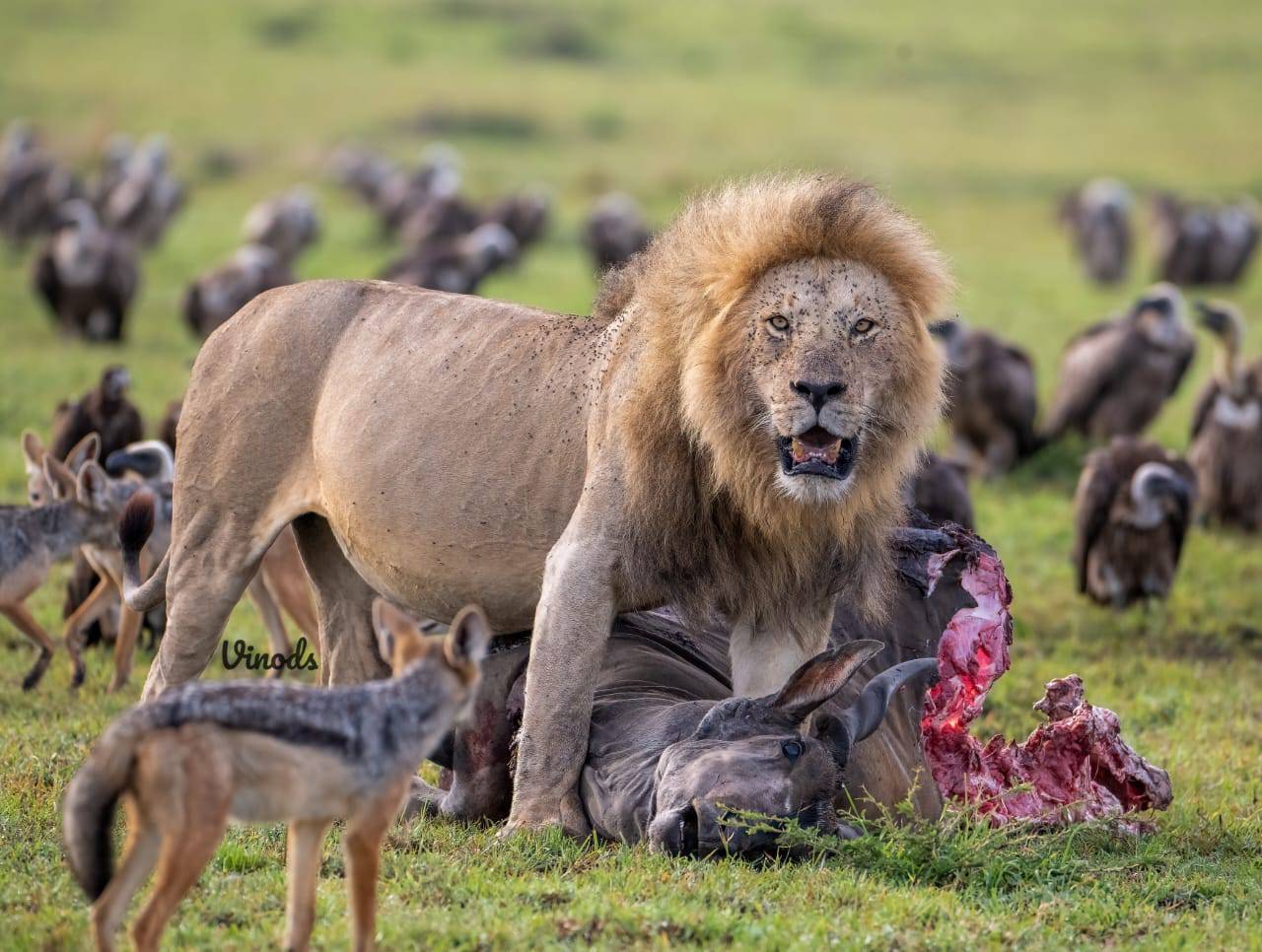
Slow safari travelers remember individual animals. They recall the lion pride's family dynamics. They remember the elephant matriarch's distinctive tusks. They remember their guide's name and family stories. They remember the lodge cook's special recipes. They remember how the savanna looked under different weather conditions. These specific memories create a vivid, lasting experience.
When booking your safari on SafariFind, prioritize operators offering extended stays. Compare multi-day packages. Look for reviews mentioning guide quality and personal connections. Request quotes for week-long stays rather than quick trips. These choices directly impact memory quality and travel satisfaction.
Key Takeaways
Prioritize depth over destinations: Spend a week in one place rather than one day in seven places. This creates richer experiences and more detailed memories that last longer.
Build flexibility into your schedule: Leave unplanned buffer days for spontaneous discoveries. These unscheduled moments often become your favorite travel memories and best stories.
Invest in local connections: Eat where locals eat, learn basic language phrases, and chat with residents. Genuine connections with people create more meaningful experiences than any tourist attraction.
Choose quality accommodations over quantity: Stay longer in fewer lodges to reduce costs and build relationships with hosts. Longer stays unlock local knowledge and insider recommendations unavailable to brief visitors.
Use SafariFind to find slow-travel operators: Filter for verified tour operators offering extended-stay packages and multi-day experiences. Read authentic reviews from travelers who prioritized immersion, then request personalized quotes for your ideal pace.
Frequently Asked Questions
Does slow travel cost more money than rushing through destinations?
Usually not. Longer stays in one location reduce daily costs through negotiated accommodation rates and local dining. Multi-day safari packages offer better per-day pricing than single-day visits. You also skip expensive rushed-tour premiums, making slow travel often more budget-friendly overall.
How much time should I spend in each destination for slow travel?
Aim for at least one week in each destination. This allows your body to adjust, local patterns to emerge, and genuine connections to form. For safaris specifically, five to seven days in one reserve lets you experience different wildlife behaviors and ecosystem rhythms thoroughly.
Will I miss important attractions if I don't visit multiple places?
No. Deep exploration of one or two destinations reveals far more than surface visits to many. You'll discover hidden gems locals know about. You'll understand why attractions matter to communities. You'll remember what you experienced far better than rushing through checklists.
How do I plan a slow travel safari on SafariFind?
Browse safari packages filtering for extended stays. Read reviews mentioning guide quality and personal experiences. Compare operators offering five-plus-day single-reserve stays. Request quotes emphasizing immersion over multi-park tours. Ask operators about flexible itineraries allowing spontaneous exploration.
Can slow travel work for shorter vacations?
Yes. Even two weeks allows slow travel in two destinations instead of four. Focus on fewer places and accept that you won't see everything. The quality of experiences in two locations beats rushed visits to four, creating better memories and less travel fatigue.
What's the best way to meet locals while traveling slowly?
Stay in locally-owned accommodations, eat at neighborhood restaurants, learn basic language phrases, and ask hosts for recommendations. Participate in community activities and cultural events. Show genuine interest in people's lives. These approaches create authentic connections unavailable to rushed travelers.
How does slow travel improve wildlife viewing on safari?
Extended stays let you visit different areas on different days and times. You recognize individual animals and family groups. You understand seasonal behavior patterns. You witness predator-prey interactions and ecosystem relationships. This creates far richer wildlife understanding than brief visits.
Conclusion
Slow travel transforms how you experience the world. By choosing fewer destinations and spending more time in each, you create deeper connections with places and people. You build genuine memories rather than collecting photographs. You return home refreshed rather than exhausted.
The contrast is stark. Rushed itineraries leave you with vague impressions and fading details. Slow travel leaves you with vivid memories, meaningful friendships, and lasting impact. You understand destinations rather than simply visiting them.
For safari travel specifically, slow travel becomes essential. Wildlife viewing requires patience and presence. Animals don't appear on schedule. By extending your stays in single reserves, you experience authentic safari life and genuine wildlife encounters. You understand ecosystems rather than just photographing them.
Ready to experience slow travel? Explore verified safari packages on SafariFind today. Browse operators specializing in extended-stay experiences. Read authentic reviews from travelers who've chosen quality over quantity. Request personalized quotes for week-long safaris in your preferred destinations. Find your perfect safari operator and book an experience that creates memories lasting a lifetime.
References
Ready to start your safari adventure?
Explore curated safari packages and find your perfect African adventure with verified operators.