Vaccinations & Health Rules for Botswana 2026: German Citizens
German citizens traveling to Botswana need a yellow fever certificate only if arriving from endemic countries; no vaccinations are required for direct travel from Germany. Malaria prophylaxis is strongly recommended for northern regions and the rainy season.
Quick Answer: What Vaccinations Do German Citizens Need for Botswana?
Required: Yellow fever certificate only if you've recently visited a yellow fever–endemic country or transited through one for more than 12 hours. Germany is not a yellow fever risk country, so direct travel from Germany does not require yellow fever proof.
Strongly recommended: Hepatitis A, Hepatitis B, Typhoid, Polio (booster), and Malaria prophylaxis (for northern regions and November–May).
Consider: Rabies (especially for long stays or wildlife contact), Measles-Mumps-Rubella (MMR), and routine diphtheria–tetanus–pertussis (DPT) updates.
Yellow Fever Certificate: Entry Requirements for German Travelers
Botswana requires a yellow fever vaccination certificate (International Certificate of Vaccination or Prophylaxis, ICVP) only if you are arriving from or have transited through a country with yellow fever transmission risk. Since Germany has no yellow fever circulation, direct travel from Germany to Botswana does not require yellow fever proof.
However, if your itinerary includes a stopover or connection through a yellow fever–endemic country (e.g., Kenya, Tanzania, Uganda, parts of South America), you must carry a valid yellow fever certificate. This applies even to short airport layovers exceeding 12 hours in transit zones.
Key Yellow Fever Certificate Rules
- Validity: One yellow fever vaccination provides lifetime protection. Since 2016, WHO no longer requires 10-year boosters.
- Timing: The certificate is valid only from 10 days after vaccination, so schedule your shot 4–6 weeks before departure.
- Original document required: You must carry the physical yellow card (ICVP). Photocopies or smartphone photos are not accepted at borders.
- Age: Botswana requires yellow fever certificates for travelers aged 1 year and over.
- Issuer: Only authorized travel clinics can issue valid yellow fever certificates—your general physician cannot.
Recommendation: Even if you believe you don't need yellow fever certification for your route, carry it if any leg of your journey touches a yellow fever risk country. Border officials and connecting flight staff may request it unexpectedly.
Recommended Vaccinations: Timing & Details
While yellow fever is the only entry requirement for German citizens, the CDC and WHO recommend several additional vaccinations to protect against diseases present in Botswana. Consult a travel medicine clinic 4–6 weeks before departure to ensure adequate time for vaccination series and immunity development.
Routine & Strongly Recommended Vaccines
| Vaccine | Disease Transmission | Recommendation for Botswana | Timing Before Travel |
|---|---|---|---|
| Hepatitis A | Contaminated food & water | Strongly recommended for most travelers | 2 doses: 0 & 6–12 months |
| Hepatitis B | Blood & body fluids | Recommended, especially for longer stays or repeated visits | 3 doses: 0, 1, & 6 months |
| Typhoid | Contaminated food & water | Recommended for most travelers, especially those visiting rural areas or staying with local contacts | Single dose (oral or injection); booster every 2–3 years |
| Polio | Food & water | Single booster dose recommended; cases identified in neighboring regions | One dose as adult booster |
| Measles-Mumps-Rubella (MMR) | Airborne respiratory droplets | Ensure full vaccination (2 doses). Measles cases rising globally. | 2 doses, at least 2 weeks before travel |
| Diphtheria-Tetanus-Pertussis (DPT) | Airborne respiratory droplets | Recommended to update routine immunity | Booster if >10 years since last dose |
| Influenza | Airborne | Annual vaccine recommended | Once annually, before travel season |
| COVID-19 | Airborne | Current recommendations vary; check with your doctor | Per current CDC/RKI guidelines |
Vaccines for Specific Risk Groups or Longer Stays
Rabies: Botswana has infected dogs and wildlife carrying rabies. Pre-exposure vaccination is recommended for travelers planning long-term stays (3+ months), those working with animals, or anyone who may have difficulty accessing post-exposure prophylaxis (PEP) quickly. If you are bitten, rabies vaccines may only be available in larger urban facilities.
Pneumonia (Pneumococcal): Recommended for travelers aged 65+ or those with immunocompromise (two separate vaccines).
Meningitis: Consider for certain risk groups or prolonged stays in crowded settings.
Malaria: Risk Zones, Prophylaxis & Prevention
Malaria is a significant health risk in parts of Botswana, particularly in the north. Unlike yellow fever, malaria prophylaxis is not a legal entry requirement but is medically essential if you are visiting high-risk areas.
Where Malaria Occurs in Botswana
High-risk zones (November–May rainy season):
- Chobe District (including Kasane)
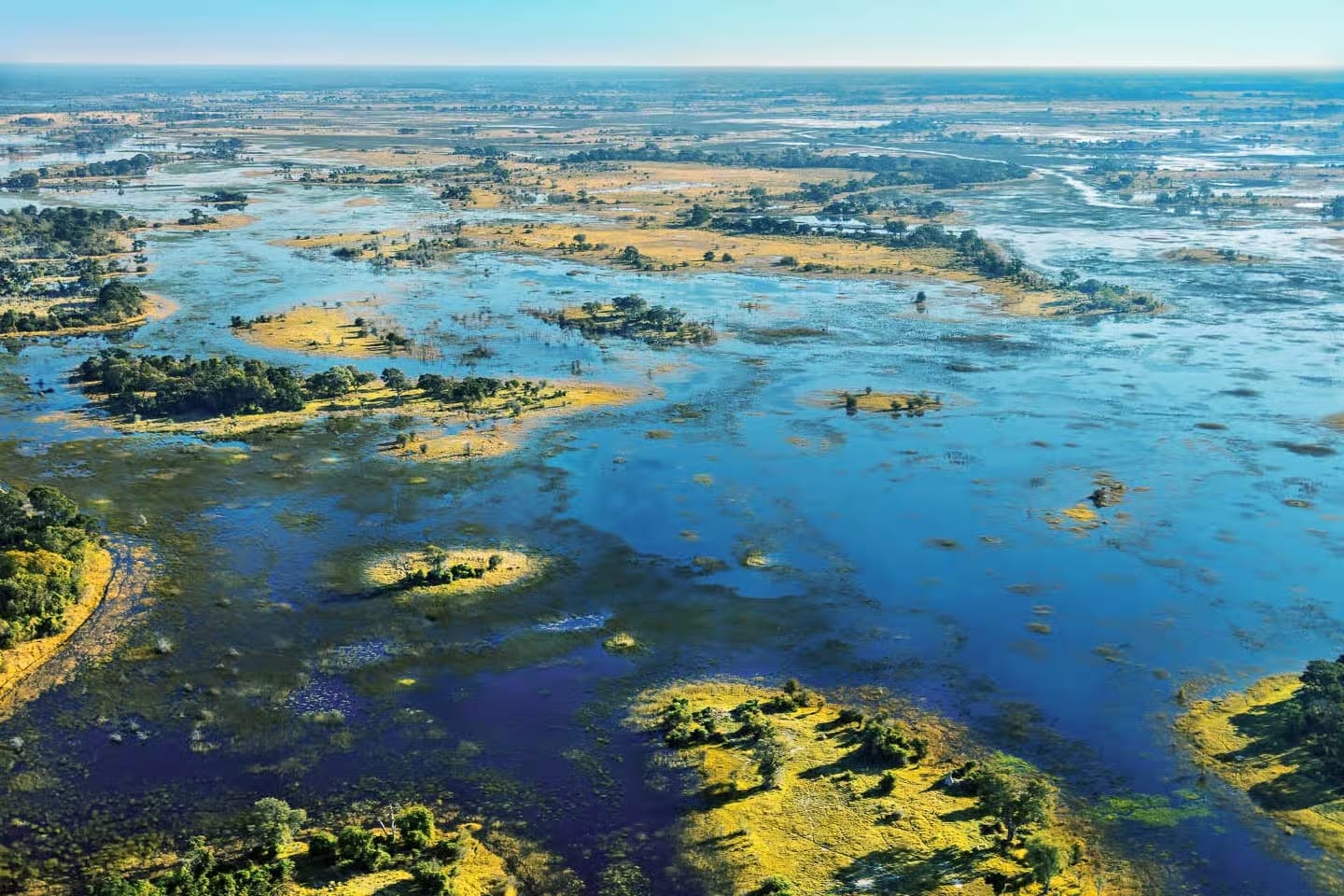
- Okavango Delta & Ngamiland
- Bobirwa, Boteti, Tutume districts
Low/no risk: Gaborone and southern urban areas are malaria-free.
Transmission type: Malaria in Botswana is predominantly Plasmodium falciparum (the most dangerous form).
Malaria Prophylaxis Recommendations
Start antimalarial medication 1–2 weeks before arrival (depending on the drug), continue daily during your stay, and continue for 4 weeks after departure. Common options include atovaquone-proguanil (Malarone), doxycycline, or mefloquine—your travel medicine doctor will recommend the best option based on your health history and drug interactions.
Do not rely on over-the-counter products. Prescription antimalarial medications must be sourced from a travel clinic or your doctor before you depart Germany.
Mosquito Bite Prevention
- Insect repellent: Use DEET-based repellent (20–30%) on exposed skin.
- Clothing: Wear long-sleeved shirts and long trousers, especially during dawn, dusk, and evening (peak mosquito hours).
- Accommodation: Stay in air-conditioned or screened rooms. Use an insecticide-treated mosquito net if sleeping outdoors.
- Timing: Malaria risk is highest during the rainy season (November–May); travel during dry months (June–October) reduces risk.
Health Documents & Travel Insurance
What to Carry
- International Certificate of Vaccination or Prophylaxis (ICVP): Original yellow card (if applicable).
- Prescription medications: Carry enough for your entire stay in original, labeled containers. Bring a copy of prescriptions and a letter from your doctor in case of customs questions.
- Travel health insurance: Strongly recommended and essential for medical evacuation, emergency care, and trip cancellation.
- Medical records: A summary of your medical history, allergies, and current medications in English.
Travel Insurance
The U.S. State Department (which sets standards many insurers follow) recommends comprehensive travel insurance covering:
- Medical evacuation and emergency medical care
- Hospitalization
- Trip cancellation
- Lost luggage and personal belongings
Medical facilities in Gaborone and larger towns are adequate, but remote safari areas may have limited services. Evacuation insurance is critical if you plan to visit the Okavango Delta or Chobe.
HIV/AIDS Entry Restrictions
Botswana has no known HIV/AIDS entry restrictions for visitors or foreign residents.
Medications: What You Can Bring to Botswana
Prescription Medications
- Bring sufficient quantities in original labeled containers for your entire stay.
- Carry a copy of the prescription or a letter from your doctor stating the medication name, dosage, and medical reason.
- Common medications (insulin, asthma inhalers, heart medications) are generally allowed, but check Botswana's customs regulations if you have unusual prescriptions.
Over-the-Counter Medications
Pack a basic medical kit with:
- Pain relievers (paracetamol, ibuprofen)
- Antihistamines (for allergic reactions & mosquito bites)
- Anti-diarrheal medication (loperamide)
- Antacid
- Hydration salts (oral rehydration solution packets)
- First-aid supplies (bandages, antiseptic cream, blister treatment)
Malaria prophylaxis: This must be obtained by prescription from a travel clinic before departure—it is not available over-the-counter and cannot be reliably sourced in Botswana.
Health Facilities & Emergency Care in Botswana
Quality of Care
Medical facilities in Gaborone and other major towns (Francistown, Kasane) are modern and adequate for routine and emergency care. However, remote safari areas have very limited medical resources. Serious injuries or illnesses in the Okavango Delta or Chobe may require emergency evacuation by air.
What to Do in a Medical Emergency
- Contact your accommodation or safari operator immediately.
- Call your travel insurance provider's emergency line (have your policy number ready).
- For life-threatening emergencies, dial the local emergency number or go to the nearest hospital in a major town.
- Ensure your insurance covers evacuation—many safari areas are accessible only by helicopter.
Pharmacies & Medications in Botswana
Pharmacies in Gaborone stock many common medications, but availability of specialized drugs is limited. Do not rely on sourcing prescription medications (including malaria prophylaxis) in Botswana. Bring all required medications from Germany.
Food & Water Safety
Hepatitis A and Typhoid are both food- and water-borne diseases. Reduce your risk by:
- Drinking water: Drink bottled or boiled water. Avoid tap water and ice from unknown sources.
- Food: Eat hot, well-cooked food. Avoid raw vegetables and unpasteurized dairy products unless you are certain of their safety.
- Hand hygiene: Wash your hands frequently with soap and clean water, especially before eating and after using the toilet.
Preparing Before You Travel: Timeline
4–6 weeks before departure:
- Schedule a travel medicine consultation.
- Discuss your itinerary, health history, and any medications you take.
- Receive vaccinations and begin any required medication (e.g., malaria prophylaxis).
- Arrange yellow fever vaccination if needed (remember: valid 10 days after injection).
- Obtain travel insurance and verify coverage details.
2 weeks before departure:
- Confirm all vaccinations are complete and you have physical certificates.
- Collect any remaining prescription medications.
- Review your travel insurance policy and print or save emergency contact details.
- Check currency declaration rules if bringing cash (amounts exceeding 10,000 BWP / ~1,000 USD must be declared).
At the airport/border:
- Carry your original yellow fever certificate (ICVP) if applicable—in your carry-on, not checked luggage.
- Have your passport ready (must be valid 6 months beyond departure; see Botswana Entry Requirements 2026 for visa details).
- Declare cash over the threshold if applicable.
Comparing Your Trip: Safari Costs & Health Considerations
If you're planning a Botswana safari package, factor health costs into your budget. Vaccinations, malaria prophylaxis, and travel insurance typically cost €150–€400 total, depending on which vaccines you already have immunity to. Malaria prophylaxis alone can cost €50–€150 for a 2-week trip. Ensure your insurance covers medical evacuation (essential for remote Okavango safaris), which can add €30–€80 to your premium.
German citizens do not require a visa for Botswana, but you should review Botswana visa rules for German citizens and general Botswana entry requirements before booking.
Important Note on Accuracy
Last checked July 2026 — always confirm with official sources before travelling. Vaccination requirements, malaria transmission zones, and health regulations can change. Before departure, consult:
- Travel medicine clinic: Your doctor or a specialized travel clinic in Germany (e.g., through your Krankenkasse or a travel health service).
- Official sources:
- U.S. State Department Travel Advisory for Botswana (https://travel.state.gov)
- CDC Travelers' Health (https://www.cdc.gov/travel)
- WHO Yellow Fever Country List (https://www.who.int)
- Botswana Ministry of Health (if available)
- Your travel insurance provider: Confirm coverage for medical evacuation and any pre-existing conditions.
This article is informational and not a substitute for professional medical or legal advice. Requirements change; verify all details with official sources and your healthcare provider before you travel.
 Ask Tembo about this guide
Frequently Asked Questions
Do German citizens need a yellow fever vaccination certificate to enter Botswana?
Only if you are arriving from or have transited through a yellow fever–endemic country. Since Germany has no yellow fever, direct travel from Germany does not require yellow fever proof. However, if your itinerary includes a stopover in a yellow fever risk country (e.g., Kenya, Tanzania, Uganda), you must carry a valid yellow fever certificate, even for short layovers over 12 hours.
How long before travel should I get vaccinated for Botswana?
Schedule your travel medicine consultation 4–6 weeks before departure. Yellow fever vaccination becomes valid 10 days after injection, so plan accordingly. Other vaccines (Hepatitis A, Typhoid) may require multiple doses spaced weeks apart.
Is malaria prophylaxis required to enter Botswana?
No, malaria prophylaxis is not a legal entry requirement. However, it is medically essential if you are visiting northern regions (Chobe, Okavango, Bobirwa, Boteti, Ngamiland, Tutume) during the rainy season (November–May). Gaborone and southern areas are malaria-free.
What vaccines are recommended for a Botswana safari?
Strongly recommended: Hepatitis A, Hepatitis B, Typhoid, Polio (booster), and Malaria prophylaxis (for northern areas). Also consider: Measles-Mumps-Rubella (MMR), Diphtheria-Tetanus-Pertussis (DPT), Influenza, and Rabies (for long stays or wildlife contact).
Can I get malaria prophylaxis in Botswana, or must I bring it from Germany?
You must bring malaria prophylaxis from Germany. Prescription antimalarial medications are not reliably available in Botswana and must be sourced from a travel clinic or doctor before departure.
Is travel insurance required for Botswana?
Travel insurance is not legally required but is strongly recommended, especially for safari travel in remote areas. Ensure your policy covers medical evacuation, emergency hospitalization, and trip cancellation. Medical facilities in Gaborone are adequate, but evacuation from the Okavango or Chobe may require expensive air transport.
What is the yellow fever certificate validity period?
One yellow fever vaccination provides lifetime protection. As of 2016, WHO no longer requires 10-year boosters. If you were vaccinated in the past and have the certificate, you do not need a repeat dose, regardless of how long ago it was.
Can I use a photocopy or photo of my yellow fever certificate?
No. Only the original physical yellow card (International Certificate of Vaccination or Prophylaxis, ICVP) is accepted at borders. Photocopies and smartphone photos are not valid. Keep the physical card in your carry-on with your passport.
Are there any HIV/AIDS entry restrictions for visitors to Botswana?
No. Botswana has no known HIV/AIDS entry restrictions for visitors or foreign residents.
What is the best time to visit Botswana to avoid malaria risk?
The dry season (June–October) has lower malaria transmission, especially in northern regions. The rainy season (November–May) carries higher risk, particularly in the Okavango, Chobe, and northern districts. If visiting during the rainy season, malaria prophylaxis is essential.
Can I bring prescription medications to Botswana?
Yes, bring sufficient quantities in original labeled containers for your entire stay, along with a copy of the prescription or a letter from your doctor. Common medications (insulin, asthma inhalers) are generally allowed. Do not rely on sourcing specialized prescriptions in Botswana.
What should I do if I fall ill in a remote safari area?
Contact your accommodation or safari operator immediately, then call your travel insurance provider's emergency line. For serious illness or injury in remote areas (Okavango, Chobe), medical evacuation by helicopter may be necessary. Ensure your insurance covers evacuation costs.
Sources
- Botswana Travel Advisory | Travel.State.gov(official)
- Botswana - Traveler view | Travelers' Health | CDC(official)
- Yellow Fever Vaccination Requirements Country List 2020 | WHO(official)
- International Travel and Health – Vaccination Requirements & WHO Recommendations | WHO 2022(official)
- Yellow Fever Vaccine and Malaria Prevention Information, by Country | CDC(official)
- Kenya Health Entry Requirements: Vaccines, Insurance, Malaria & Travel Health Advice(official)
- Botswana Travel Advice – Health Requirements | Okavango Delta
- Travel Vaccines and Advice for Botswana | Passport Health USA
- What Vaccinations Do I Need for Africa? | 2026 Guidelines | Go2Africa
- Pre-Departure Checklist for External Visitors | Botswana-UPenn Partnership | Perelman School of Medicine
- Guide to Yellow Fever and Your Southern Africa Trip: Clearing Up the Confusion | Africa Overland Tours
- Travel Health Guide - Botswana | VaccinationGuide
Related to
Ready to start your safari adventure?
Explore curated safari packages and find your perfect African adventure with verified operators.