Vaccinations & Health Rules for Rwanda 2026: American Citizens
Yellow fever vaccination is required only if you're arriving from a yellow fever-endemic country; CDC recommends Hepatitis A, typhoid, and malaria prophylaxis for most US travelers. Confirm all requirements with your doctor 6 weeks before departure.

Quick Answer: Vaccination Requirements for US Citizens Traveling to Rwanda
Yellow fever vaccine: Required only if arriving from a yellow fever-endemic country; not required for direct travel from the United States . Other vaccines: Hepatitis A, typhoid, and routine immunizations are recommended; malaria prophylaxis is advised year-round . No COVID-19 testing is currently required for entry or departure .
Before you travel, consult a travel medicine provider or visit a travel clinic at least 6 weeks before your trip to confirm current requirements and receive personalized health advice based on your itinerary.
Yellow Fever Vaccination: Entry Requirements for American Travelers
Do You Need a Yellow Fever Certificate?
Rwanda's entry rules for yellow fever vaccination depend on your country of origin:
- Direct travel from the United States: Yellow fever vaccination certificate is not required .
- Transit or residence in yellow fever-endemic countries: If you have traveled through or lived in a country with active yellow fever transmission, you must present a valid International Certificate of Vaccination or Prophylaxis (ICVP) showing yellow fever vaccination .
Rwanda is not classified as a yellow fever-endemic country by the WHO, and the U.S. CDC does not recommend yellow fever vaccination for travelers to Rwanda . However, if your itinerary includes other African countries with yellow fever risk before or after Rwanda, vaccination may be required by those destinations .
Vaccination Timing and Certificate Validity
If you require a yellow fever certificate:
- Vaccination must be administered at least 10 days before entry to Rwanda to be effective .
- The ICVP is valid for the life of the person vaccinated; no booster is required under current International Health Regulations .
- Only a licensed travel clinic or designated yellow fever vaccination center can issue an official ICVP .
Important: If your full itinerary includes layovers or transit through countries on the WHO yellow fever transmission list for more than 12 hours, you may need a certificate even if your final destination is Rwanda . Confirm with your airline and consult your doctor about your specific routing.
Recommended Vaccinations for US Citizens Traveling to Rwanda
Routine Vaccinations
Before any international travel, ensure you are up-to-date with routine vaccinations recommended in the United States, regardless of destination . These include:
- Measles, mumps, and rubella (MMR)
- Diphtheria, tetanus, and pertussis (DPT/Tdap)
- Polio (IPV)
- Varicella (chickenpox)
- Influenza (seasonal flu)
- Meningococcal disease
Hepatitis A
Recommendation: CDC recommends Hepatitis A vaccination for most travelers to Rwanda .
- Who should get it: All unvaccinated travelers, especially those staying with friends or relatives, visiting rural areas, or eating at smaller establishments .
- Dosing: Two doses are needed for long-term protection (at least 6 months apart). Infants aged 6–11 months may receive a dose that does not count toward the routine series .
- Timing: Ideally complete the series before travel, but even one dose provides some protection .
- Alternative: Unvaccinated travelers over 40 years old, immunocompromised individuals, or those with chronic medical conditions departing in less than 2 weeks may receive an initial vaccine dose plus immune globulin at the same appointment .
Typhoid
Recommendation: CDC recommends typhoid vaccination for most travelers to Rwanda .
- Who should get it: Particularly those staying with friends or relatives, visiting smaller cities, or traveling to rural areas .
- Vaccine options: Oral (live attenuated) or injectable (inactivated) vaccines are available; your doctor can recommend the best option for you.
- Timing: Complete vaccination at least 1–2 weeks before departure for the injectable form .
Rabies
Recommendation: CDC recommends rabies vaccination for specific travelers .
- Who should consider it: Adventure travelers, wildlife workers, veterinarians, children, cave explorers (spelunkers), and those planning close contact with animals—especially if traveling to remote areas where post-exposure treatment may be delayed .
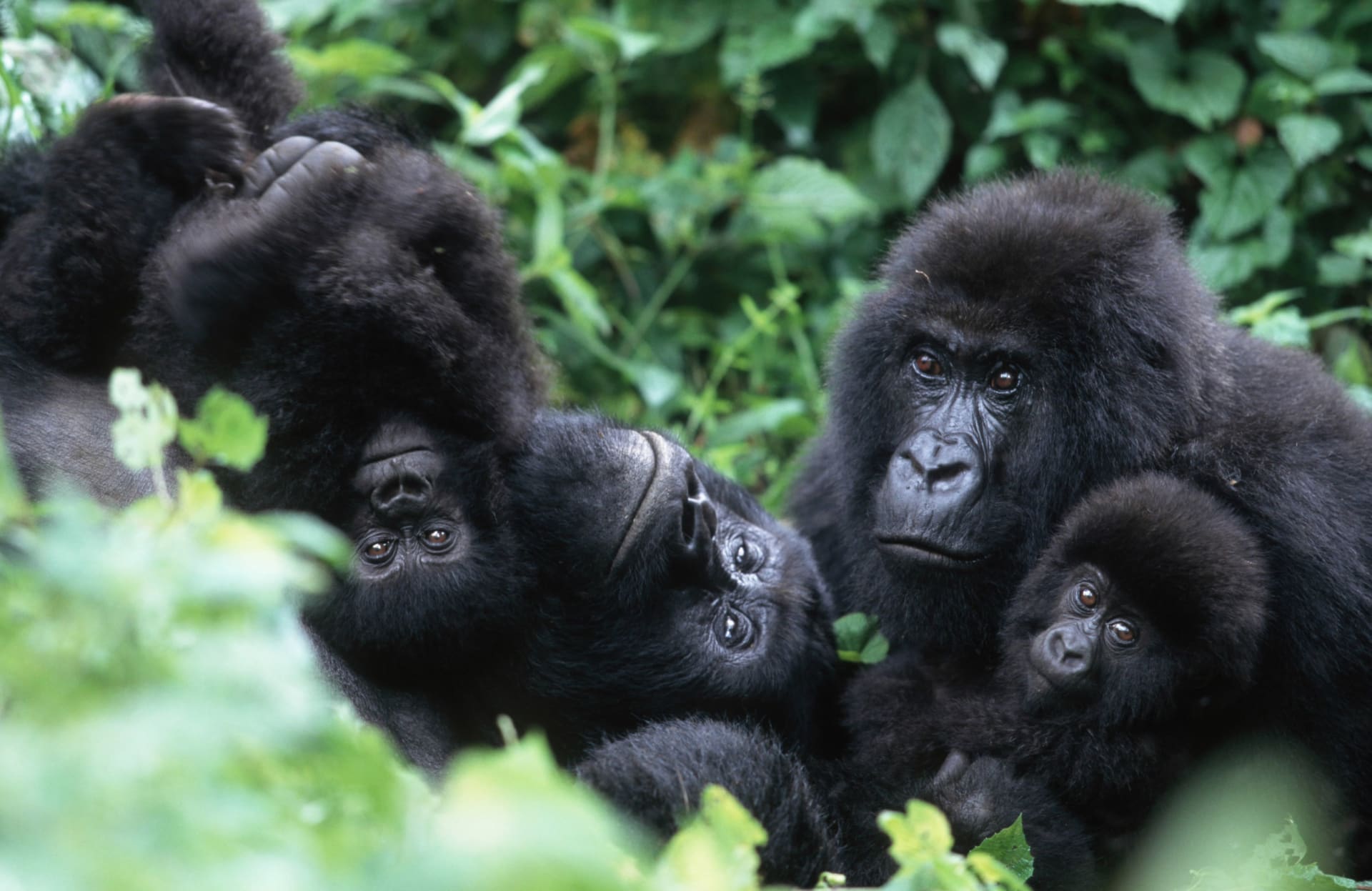
- For gorilla trekking: Rabies vaccination is strongly recommended because gorillas are extremely vulnerable to human diseases, and a simple human cold can be fatal to them. Trek operators may require proof of good health and vaccination .
- Dosing: Pre-exposure rabies vaccination typically requires 3 doses given over 3–4 weeks .
Other Vaccines to Discuss with Your Doctor
Depending on your travel plans, age, immune status, and personal risk factors, your healthcare provider may recommend:
- Hepatitis B: For travelers with potential exposure to blood or bodily fluids, or those planning extended stays .
- Cholera: Recommended for unvaccinated travelers 1 year and older .
- Meningococcal disease: Consider if traveling during rainy season or staying in crowded accommodations.
- Mpox, chikungunya, dengue: Risk varies by season and specific location; your doctor can assess your individual risk .
Malaria: Risk, Prophylaxis, and Prevention
Malaria Risk in Rwanda
Malaria is endemic throughout Rwanda year-round, with higher transmission during rainy seasons . Risk exists in all areas, including Kigali . The disease is spread by infected Anopheles mosquitoes, primarily between dusk and dawn.
Malaria Prophylaxis Recommendations
CDC recommendation: Malaria prophylaxis is advised for all travelers to Rwanda . Your doctor will prescribe an appropriate antimalarial medication based on drug resistance patterns, your medical history, and your itinerary.
Common antimalarial options include:
- Atovaquone-proguanil (Malarone)
- Doxycycline
- Mefloquine (Lariam)
- Tafenoquine (Arakoda): A newer option requiring G6PD deficiency testing before prescription .
Begin prophylaxis 1–2 days before arrival (depending on the medication), continue daily during your stay, and continue for 4 weeks after departure . Do not self-medicate; obtain a prescription from a travel medicine provider.
Personal Protective Measures
Combine prophylaxis with mosquito avoidance:
- Sleep under insecticide-treated bed nets or in screened/air-conditioned rooms.
- Wear long, lightweight, light-colored clothing during dawn and dusk.
- Apply insect repellent containing 20–30% DEET, picaridin, or oil of lemon eucalyptus to exposed skin .
- Avoid outdoor activities during peak mosquito hours (dusk to dawn).
If You Suspect Malaria
Malaria symptoms can appear weeks or even months after exposure. Seek immediate medical attention if you develop fever, chills, headache, muscle aches, or fatigue during or after your trip . Malaria treatment is available at pharmacies and clinics in Kigali and other urban centers .
Other Health Risks and Preventive Measures
Foodborne and Waterborne Illness
Travelers' diarrhea and other foodborne illnesses are common risks. Reduce your risk by:
- Drinking only bottled or boiled water.
- Avoiding raw or undercooked food, unpasteurized dairy, and food from street vendors.
- Washing hands frequently with soap and clean water.
- Carrying loperamide (Imodium) for self-treatment of mild diarrhea and an antibiotic (prescribed by your doctor) for moderate to severe cases .
Insect-Borne Diseases
In addition to malaria, mosquitoes in Rwanda can transmit dengue, chikungunya, and Zika virus. Use the same mosquito avoidance measures recommended for malaria prevention .
Animal Exposure and Rabies
Avoid contact with free-roaming dogs and other animals. If bitten or scratched:
- Wash the wound immediately with soap and clean water for about 15 minutes.
- Seek medical care as soon as possible for post-exposure rabies prophylaxis .
- Treatment to prevent rabies is available in Rwanda.
Current Health Alerts
Ebola Risk Assessment: As of July 2026, there are no confirmed Ebola cases in Rwanda . However, the U.S. Department of State and CDC have issued travel health notices for the nearby Democratic Republic of the Congo (DRC) due to Ebola outbreaks . The U.S. government has limited ability to provide emergency consular services in Rwanda due to regional health concerns, and travelers should avoid the Rwanda-DRC border region within 10 kilometers .
Marburg Virus Disease (MVD): Rwanda has implemented enhanced screening procedures for travelers departing by air. All travelers aged 12 years and above must show proof of full vaccination against COVID-19 before departing Rwanda by air; fully vaccinated means two doses plus a booster (administered 3 months after the second dose) for those 18 and older .
Health Documentation and Travel Insurance
Required Health Documents
- International Certificate of Vaccination or Prophylaxis (ICVP): If required (yellow fever certificate for travel from endemic countries), carry the original certificate .
- Vaccination records: Keep a personal record of all vaccinations received; some lodges or tour operators may request proof of certain vaccinations.
- Prescription documentation: Carry copies of prescriptions for any medications, including malaria prophylaxis and antibiotics, in their original containers with pharmacy labels .
Travel Health Insurance
Comprehensive travel insurance is strongly recommended and should include:
- Medical evacuation coverage (critical given Rwanda's limited emergency services in remote areas).
- Emergency medical treatment abroad.
- Coverage for pre-existing conditions, if applicable.
- Trip cancellation or interruption due to health emergencies.
Verify that your policy covers activities you plan to undertake, such as gorilla trekking, and confirm coverage limits for emergency evacuation.
Medications: What You Can Bring to Rwanda
Importing Medications into Rwanda
Rwanda permits travelers to bring personal medications for their own use. To avoid customs issues:
- Keep all medications in their original labeled containers with your name, medication name, dosage, and pharmacy information.
- Carry copies of prescriptions or a letter from your doctor describing the medication and dosage.
- Pack medications in carry-on luggage (not checked baggage) to prevent loss and ensure access.
- Do not bring large quantities; bring enough for your trip plus a few extra days .
Controlled Substances
If you take controlled medications (e.g., opioids, sedatives, or stimulants), obtain a letter from your doctor stating the medical necessity and carry the original prescription. Controlled substances are heavily restricted in Rwanda; non-compliance can result in serious legal consequences.
Over-the-Counter Medications to Pack
While pharmacies operate in Kigali and larger towns, availability and cost may vary. Consider bringing:
- Antimalarial (if you prefer to bring your own rather than purchasing in Rwanda)
- Loperamide (Imodium) for diarrhea
- Antibiotic for dysentery (prescribed by your doctor)
- Antihistamines
- Acetaminophen or ibuprofen
- Antacids
- Hydrocortisone cream for minor skin irritations
- First-aid supplies (bandages, antiseptic, blister treatment)
Health Facilities and Emergency Services in Rwanda
Medical Care in Kigali
Kigali has several private clinics and hospitals offering reasonable healthcare standards:
- King Faisal Hospital: The largest private facility, with emergency services and inpatient care.
- Kigali Central Hospital: Government facility with basic services.
- Private clinics offering consultations and basic treatment are widely available.
Medical care outside Kigali is limited. Remote areas may lack adequate facilities, which is why travel insurance with evacuation coverage is essential .
Emergency Contacts
- Rwanda toll-free emergency line: 114
- U.S. Embassy emergency assistance (24/7): +1-202-501-4444 (from abroad) or +1-888-407-4747 (from the U.S. and Canada)
Pharmacy Availability
Pharmacies ("pharmacies" or "drugstores") operate in Kigali and urban centers. Many medications available by prescription in the U.S. may be sold over-the-counter in Rwanda. However, quality and authenticity can vary; purchase medications only from licensed, reputable pharmacies.
Before You Travel: Pre-Departure Checklist
6 weeks before departure:
- Schedule an appointment with a travel medicine provider or travel clinic.
- Review your routine vaccination status and update if necessary.
- Discuss yellow fever, Hepatitis A, typhoid, rabies, and malaria risk based on your itinerary.
- Obtain prescriptions for malaria prophylaxis and any other medications.
2–4 weeks before departure:
- Receive any recommended vaccinations (allowing time for immunity to develop).
- If traveling to other African countries before or after Rwanda, confirm their specific vaccination requirements.
- Obtain an International Certificate of Vaccination if required.
1–2 weeks before departure:
- Begin malaria prophylaxis as directed by your doctor.
- Pack all medications in original containers with prescriptions.
- Confirm your travel insurance includes medical evacuation.
- Review the latest Rwanda travel health and security guidance from the U.S. State Department .
Upon arrival in Rwanda:
- If required, present your yellow fever certificate at immigration.
- Take precautions against mosquitoes immediately (use repellent, wear protective clothing).
- Carry contact information for your nearest medical facility and the U.S. Embassy.
Planning Your Rwanda Safari with Health in Mind
If you're planning a safari to Rwanda, health preparation is part of responsible travel planning. Whether you're interested in gorilla trekking in Volcanoes National Park or wildlife viewing in national parks, ensure you're vaccinated and taking malaria prophylaxis. For gorilla trekking specifically, be in good health—trek operators enforce strict health policies because gorillas are highly susceptible to human illness.
SafariFind allows you to compare Rwanda safari operators and packages to find tours that match your health needs and budget. Many operators can assist with travel clinic referrals and pre-departure health planning.
Key Takeaways
- Yellow fever vaccination is not required for direct travel from the United States to Rwanda, but is mandatory if arriving from a yellow fever-endemic country .
- Hepatitis A and typhoid vaccination are recommended for most travelers .
- Malaria prophylaxis is strongly recommended year-round .
- Consult a travel medicine provider at least 6 weeks before travel to confirm current requirements and receive personalized advice .
- Obtain comprehensive travel insurance with medical evacuation coverage .
- Carry all medications in original labeled containers with prescriptions .
- Avoid the Rwanda-DRC border region within 10 kilometers due to regional unrest and health concerns .
Last checked July 2026 — always confirm with official sources before travelling.
Frequently Asked Questions
Do American citizens need a yellow fever vaccination to enter Rwanda?
No, if you are traveling directly from the United States to Rwanda, a yellow fever vaccination certificate is not required . However, if you have traveled through or lived in a country with active yellow fever transmission before arriving in Rwanda, you must present a valid International Certificate of Vaccination showing yellow fever vaccination .
What vaccinations does the CDC recommend for travelers to Rwanda from the US?
The CDC recommends Hepatitis A, typhoid, and routine vaccinations (MMR, tetanus, polio, etc.) for most travelers to Rwanda . Rabies vaccination is recommended for adventure travelers, wildlife workers, and those planning close animal contact, especially gorilla trekking . Malaria prophylaxis is advised year-round .
Is malaria prophylaxis required for travel to Rwanda?
Malaria prophylaxis is strongly recommended for all travelers to Rwanda, as malaria is endemic year-round . Your doctor will prescribe an appropriate antimalarial medication based on your medical history and itinerary. Begin prophylaxis 1–2 days before arrival and continue for 4 weeks after departure .
How long before traveling to Rwanda should I get vaccinated?
Schedule a travel medicine appointment at least 6 weeks before departure to allow time for vaccines to take effect and for your doctor to assess your individual health risks . Yellow fever vaccination must be given at least 10 days before arrival to be effective .
Can I bring my prescription medications to Rwanda?
Yes, you can bring personal medications for your own use. Keep all medications in original labeled containers with your name, dosage, and pharmacy information, and carry copies of prescriptions or a doctor's letter. Pack medications in carry-on luggage and bring only enough for your trip plus a few extra days .
What is the current COVID-19 requirement for entering Rwanda?
As of July 2026, COVID-19 testing is no longer required for entry into Rwanda . However, all travelers aged 12 years and above must show proof of full COVID-19 vaccination before departing Rwanda by air .
Is there a risk of Ebola in Rwanda as of 2026?
As of July 2026, there are no confirmed Ebola cases in Rwanda . However, the U.S. CDC and State Department have issued travel health notices for the Democratic Republic of the Congo (DRC) due to Ebola outbreaks. Travelers should avoid the Rwanda-DRC border region within 10 kilometers .
What should I do if I think I have malaria during or after my trip to Rwanda?
Seek immediate medical attention. Malaria symptoms can appear weeks or even months after exposure, including fever, chills, headache, and muscle aches. Treatment is available at clinics and hospitals in Kigali and other urban centers in Rwanda .
Do I need travel insurance for a Rwanda safari?
Yes, comprehensive travel insurance is strongly recommended and should include medical evacuation coverage, emergency medical treatment, and coverage for pre-existing conditions. This is especially important given limited medical facilities in remote safari areas .
What is required for gorilla trekking in Rwanda regarding health?
Gorillas are extremely vulnerable to human diseases, and trek operators enforce strict health policies. Rabies vaccination is strongly recommended, and you must be in good health with no symptoms of illness. Ensure routine vaccinations are current and discuss any health concerns with your doctor before booking a trek .
How do I obtain a yellow fever vaccination certificate?
Only a licensed travel clinic or designated yellow fever vaccination center can administer the vaccine and issue an official International Certificate of Vaccination or Prophylaxis (ICVP). The vaccine must be given at least 10 days before travel to be effective .
What are the passport validity requirements for entering Rwanda from the US?
Your passport must be valid at the time of entry and have at least 6 months' validity beyond your arrival date, plus 1 blank page for the entry stamp .
Sources
- Rwanda Travel Advisory | Travel.State.gov(official)
- Rwanda - Traveler view | Travelers' Health (CDC)(official)
- Yellow Fever Vaccine and Malaria Prevention Information, by Country(official)
- MVD: Info note for travelers | Rwanda in USA(official)
- Travel Advisory: Rwanda May 2026 - U.S. Embassy in Rwanda(official)
- Information for Travellers | Rwanda Biomedical Centre(official)
- What Vaccinations Do You Need for an East Africa Safari in 2026? | Asilia Africa
- Rwanda - Medical Summary | TripPrep.com
- Rwanda Health & Vaccinations - Malaria and Yellow Fever | Chalo Africa
- What Vaccinations Do I Need for Africa? | 2026 Guidelines | Go2Africa
- Travel Information | AfPIF
Related to
Ready to start your safari adventure?
Explore curated safari packages and find your perfect African adventure with verified operators.