What I Wish I Knew Before Going on a Safari
Discover What I Wish I Knew Before Going on a Safari - Expert guide to safari tourism and wildlife destinations.
What I Wish I Knew Before Going on Safari
Going on a safari requires more preparation than you might think. From packing the right gear to understanding wildlife behavior, knowing these key tips before your trip will transform your experience and help you avoid costly mistakes.
What Is What I Wish I Knew Before Going on Safari?
A safari is one of the most thrilling adventures you can take. But many first-time safari goers arrive unprepared for the realities of the experience. They pack wrong clothes, miss critical wildlife moments, and spend money on things they don't need.
This guide shares the insider knowledge that experienced travelers wish they had known before their first safari. You'll learn about practical gear, wildlife viewing tips, health considerations, and budget strategies that make the difference between a good safari and an unforgettable one.
Whether you're planning a trip to Tanzania, Kenya, or Botswana, these lessons apply across Africa's best safari destinations. By learning from others' experiences, you'll maximize your wildlife viewing, stay comfortable in the bush, and make memories that last a lifetime.
The truth is simple: preparation transforms your safari from stressful to spectacular. Let's explore what seasoned safari travelers wish they'd known from the start.
Understanding Safari Basics Before You Book
Know the Difference Between Safari Types
Not all safaris are the same. Game drives focus on wildlife viewing from vehicles. Walking safaris put you on foot in the bush with guides. Boat safaris explore rivers and wetlands. Each offers different experiences and requires different preparation.
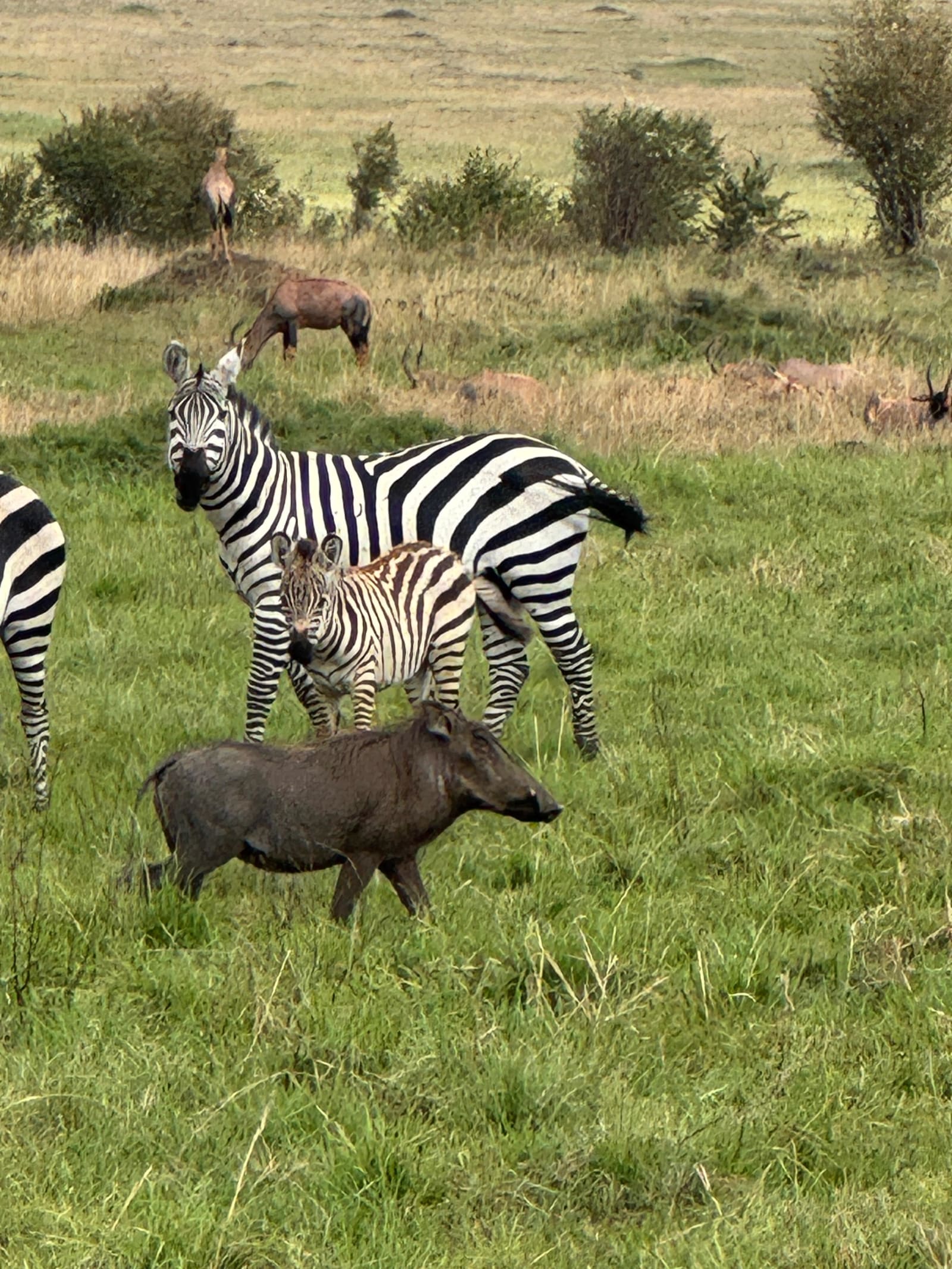
Game drives are the most popular choice. You sit in a safari vehicle early in the morning and late in the afternoon when animals are most active. This is when you'll see the big cats, herds of zebras, and countless birds.
Walking safaris let you experience the bush up close. You move quietly through grasslands with an armed guide. This creates intimate wildlife moments but requires better fitness and comfort with wilderness.
Understand what type of safari appeals to you. Then pack and prepare accordingly. SafariFind lets you browse detailed safari packages and read authentic traveler reviews to find the right fit for your style.
Research Your Destination's Season
When you visit matters as much as where you visit. Each season brings different wildlife patterns, weather, and experiences.
The dry season (June to October in East Africa) offers the best wildlife viewing. Fewer water sources mean animals concentrate around remaining waterholes. You'll see massive herds and predator activity. However, this is peak tourism season, so expect crowds and higher prices.
The wet season (November to May) brings lush landscapes and fewer tourists. Bird watching is excellent. But animals spread out to find water and grass, making them harder to spot. Roads become muddy and challenging.
The shoulder seasons offer a middle ground. You get decent wildlife viewing with fewer tourists than peak season. Prices drop significantly during these times.
Check the specific destination's calendar before booking. Different parks have different seasonal patterns.
Packing and Gear: The Real Essentials
Clothing Colors and Materials Matter More Than You Think
Most new safari goers pack wrong. They bring bright colors, white clothes, and heavy fabrics. These choices make wildlife spotting harder and your experience uncomfortable.
Wear neutral earth tones: khaki, tan, olive green, and brown. These colors blend into the landscape. They don't startle animals or reflect sunlight in ways that interfere with wildlife viewing. Your guide will notice a huge difference in how close you get to animals.
Choose lightweight, breathable fabrics. Cotton and merino wool work well. You'll be sitting in a vehicle for hours in African heat. Moisture-wicking materials keep you comfortable. Loose-fitting clothes allow air circulation.
Bring long sleeves and long pants even in heat. They protect against sun, insects, and thorns. Tuck pants into socks at dawn and dusk to prevent tick bites. Wear closed-toe hiking boots or sturdy shoes, not sneakers or sandals.
Binoculars and Camera Gear Are Game-Changers
Quality binoculars transform your safari. They let you spot distant birds, scan treetops for leopards, and see details you'd miss with the naked eye. Bring binoculars with at least 8x42 magnification. Test them before you go.
A good camera is essential if photography matters to you. A smartphone works for basic shots, but a DSLR or mirrorless camera with a telephoto lens captures wildlife detail. A 70-200mm lens is ideal for safari photography.
However, don't let camera gear consume your entire safari. Many travelers spend the whole trip focused on getting the perfect photo. They miss the actual experience unfolding before them. Balance documentation with presence.
Bring extra batteries and memory cards. Electronics drain quickly in African heat. You won't find replacements in remote areas.
Sun Protection Is Non-Negotiable
The African sun is intense. Altitude and reflection off dust amplify UV rays. Sunburn happens fast, even on cloudy days.
Pack high-SPF sunscreen (50+) and reapply every two hours. Bring lip balm with SPF. Wear a wide-brimmed hat that covers your neck. Sunglasses protect your eyes and reduce glare when spotting wildlife.
Consider lightweight long sleeves designed for sun protection. They keep you cooler than you'd expect while blocking UV rays.
Health and Safety Considerations
Malaria Prevention Starts Before You Leave Home
Malaria is real in many safari destinations. Talk to your doctor about antimalarial medication. Some people take pills before travel, during their stay, and after returning home. Others use different prevention methods.
Start this conversation at least 4-6 weeks before your trip. Your doctor needs time to evaluate which medication works best for you and your destination.
Use insect repellent with DEET throughout your stay. Mosquitoes that carry malaria are most active at dawn and dusk. Wear long sleeves and pants during these times. Sleep under mosquito nets.
Symptoms of malaria include fever, chills, and body aches. If you develop these symptoms during or after your trip, seek medical attention immediately and mention your safari travel.
Vaccinations and Routine Health Care
Visit a travel medicine clinic 4-6 weeks before your safari. They'll review which vaccinations you need based on your destination. Yellow fever, typhoid, and hepatitis A are common recommendations for African safaris.
Make sure your routine vaccinations are current: tetanus, measles, and others. Bring copies of your vaccination records.
Pack a comprehensive travel medical kit. Include pain relievers, anti-diarrheal medication, antihistamines, antibiotic ointment, and bandages. African medical facilities vary in quality. Remote lodges may be hours from hospitals.
Consider travel insurance that covers medical evacuation. If you need emergency care, evacuation to a major city can cost tens of thousands of dollars.
Water and Food Safety
Drink only bottled or boiled water. Avoid ice in drinks. Don't brush your teeth with tap water. This sounds extreme, but parasites and bacteria cause serious illness.
Eat food that's been cooked thoroughly. Avoid raw vegetables unless they've been washed in bottled water. Reputable safari lodges follow strict food safety standards, but street food carries higher risk.
Your digestive system needs time to adjust to unfamiliar bacteria. Even if water is technically safe, it may upset your stomach. Play it safe with bottled water throughout your trip.
Wildlife Viewing Tips and Expectations
You Won't See Everything, and That's Okay
Many safari goers expect to see the "Big Five" (lion, leopard, rhino, elephant, buffalo) in a single trip. This rarely happens. Even experienced guides can't guarantee any specific animal sighting.
The Big Five are called that because they were the most dangerous animals to hunt, not because they're the most common. Leopards are particularly elusive. You might spend a week on safari and never see one.
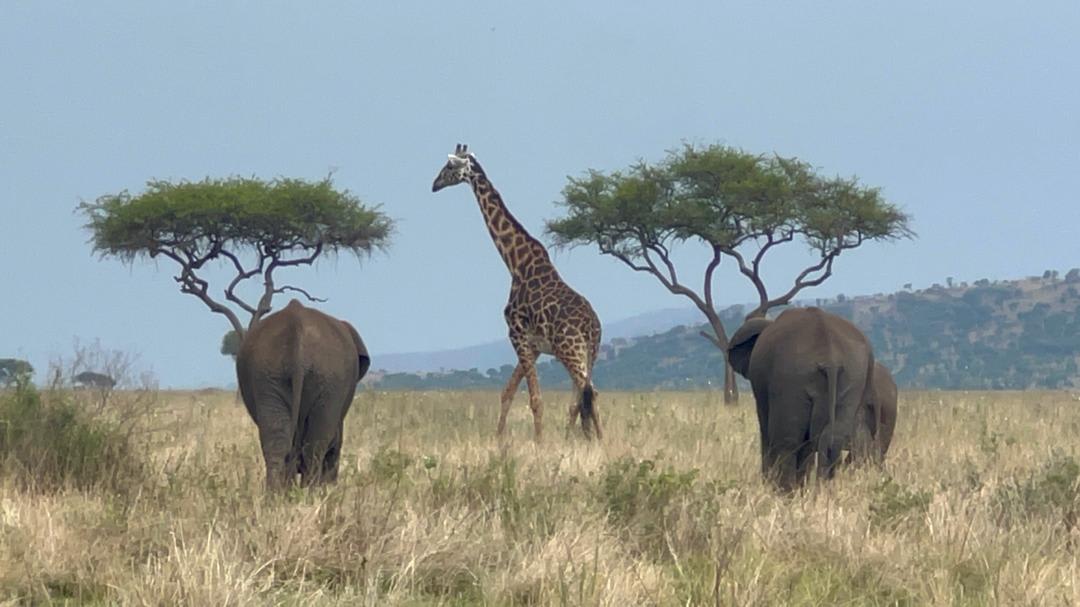
Adjust your expectations. A great safari includes unexpected moments: a giraffe herd at sunset, wild dogs hunting, a baby elephant playing in mud. These experiences are just as memorable as seeing a lion.
Bring a field guide specific to your destination. Learning to identify bird species, reptiles, and insects deepens your appreciation for the entire ecosystem. You'll feel like a naturalist rather than just a tourist.
Timing and Location Make All the Difference
Early morning game drives (starting before sunrise) offer the best wildlife viewing. Most predators hunt at dawn. Herbivores are most active in cool morning temperatures.
Afternoon drives (starting around 3-4 PM) are second best. Late afternoon light is beautiful for photography, and you'll catch animals moving before evening.
Midday game drives are generally slower. Animals rest in shade during heat. However, birds are active, and you might see unexpected moments.
Your guide's knowledge of the landscape matters enormously. They know where animals typically gather, which waterholes attract herds, and how to track recent animal activity. A great guide makes your safari exceptional. SafariFind's verified tour operators include detailed reviews from travelers who can speak to guide quality.
Silence and Patience Pay Off
Safari vehicles are enclosed but not soundproof. Loud talking scares wildlife. Your guide will ask you to stay quiet during game drives. This isn't unfriendly—it's essential for viewing.
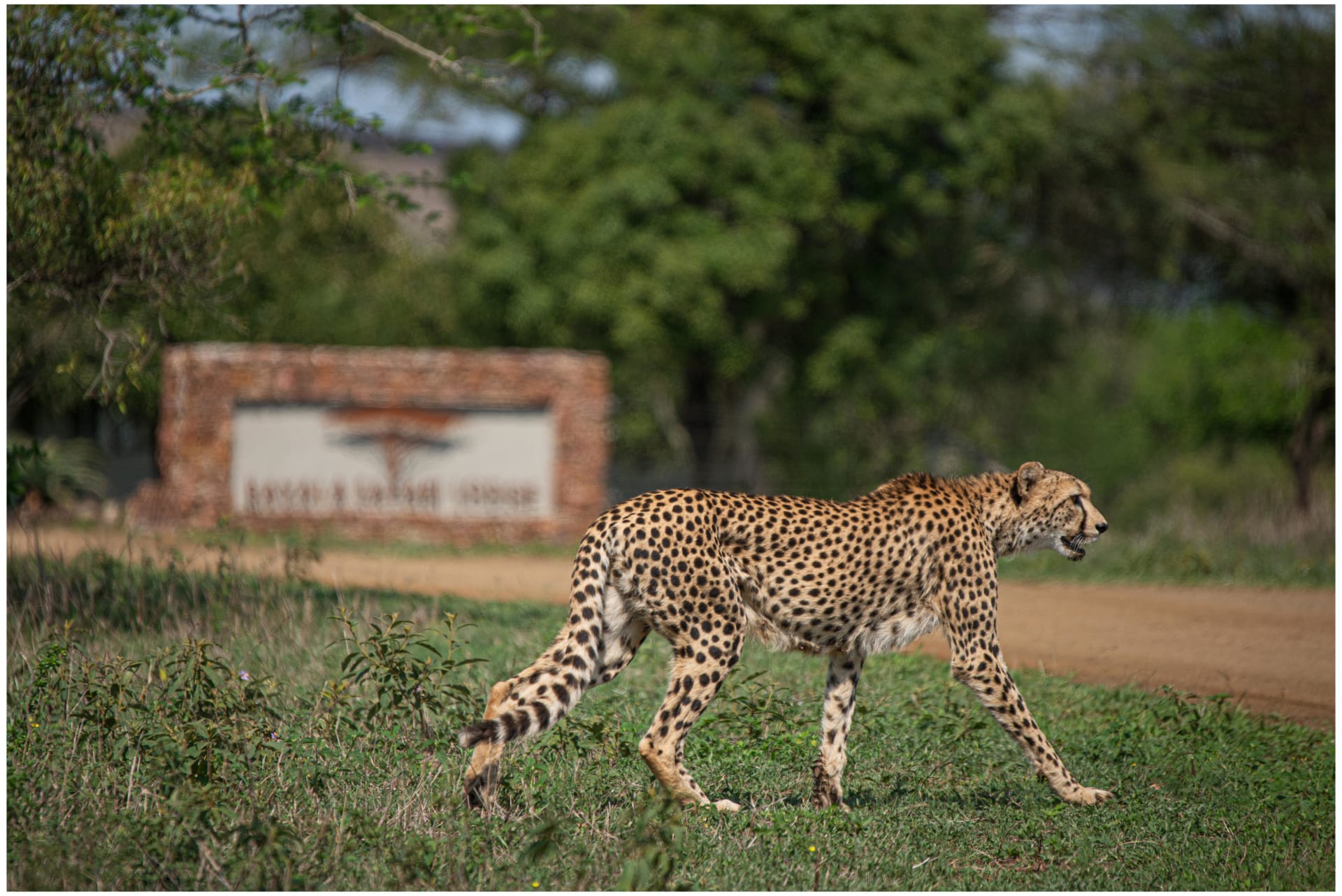
Patience separates amazing safaris from mediocre ones. The best moments often come after long periods of waiting and watching. A cheetah stalking prey. A herd of elephants at a waterhole. These scenes require sitting quietly and observing.
Bring a book or journal for slower periods. You'll have moments when wildlife is sparse. Use this time to reflect, write, or simply enjoy the landscape.
Budget Reality and Money-Saving Strategies
Safari Costs Vary Enormously
Budget safaris start around $100-150 per person per day. Mid-range options run $200-400 daily. Luxury safaris exceed $1,000 per person per day. Each tier offers different experiences.
Budget safaris use shared vehicles with other tourists. You'll stay in basic but clean accommodations. Food is simple but adequate. This works well for wildlife viewing since animals don't care about your comfort level.
Mid-range safaris offer private or semi-private vehicles, better lodges, and more personalized service. You'll have more control over your itinerary and viewing experience.
Luxury safaris provide exclusive experiences: private guides, high-end lodges, gourmet meals, and small group sizes. These are wonderful if budget allows, but they're not necessary for amazing wildlife viewing.
Smart Booking Strategies Save Thousands
Travel during shoulder season (March-April or September-October) instead of peak season. You'll save 30-50% on accommodations and activities while still getting good wildlife viewing.
Book package deals that include accommodations, meals, and game drives. These bundled rates are cheaper than booking separately. Multi-day packages offer better per-day pricing than single-day excursions.
Compare multiple operators before booking. SafariFind lets you browse packages from verified tour operators, read authentic traveler reviews, and request quotes. This comparison shopping often reveals significant price differences for similar experiences.
Ask about group discounts if you're traveling with friends. Some operators offer reduced rates for groups of 4 or more.
Hidden Costs to Budget For
Your safari package price doesn't include everything. Tipping guides and staff (10-15% of your package cost) is customary. Park entrance fees vary by destination. Some parks charge $20-30 per person daily.
Travel to and from the safari destination costs extra. Internal flights within Africa can be expensive. Factor this into your total budget.
Optional activities like hot air balloon rides, walking safaris, or night drives add $50-300 per activity. Souvenir shopping and meals outside your package add up quickly.
Build a contingency fund of 10-15% of your total safari cost for unexpected expenses.
Practical Guide: Preparing for Your Safari
Create a Pre-Trip Checklist
Start planning 2-3 months before your safari. Here's what to do:
Research destinations and decide which appeals to you
Check visa requirements for your chosen country
Schedule a travel medicine appointment for vaccinations
Get travel insurance with medical evacuation coverage
Book your safari through a reputable operator
Arrange flights and ground transportation
Gather required documents: passport, visas, vaccination records
Start antimalarial medication if recommended
Purchase or borrow safari gear
Notify your bank of travel dates to prevent card blocks
Communicate With Your Tour Operator
Once booked, connect with your operator. Ask questions about what's included, what to bring, and what to expect. Reputable operators provide detailed pre-trip information packets.
Confirm your itinerary details: pickup times, accommodation locations, included meals, and game drive schedules. Clarify payment methods and cancellation policies.
Ask about your specific guide if possible. Request guides with experience and good reviews. Some operators assign guides based on your preferences.
SafariFind's verified operators maintain high communication standards. Reading reviews from past travelers reveals how responsive and helpful operators are before and during your safari.
Physical Preparation
Safari isn't extremely strenuous, but some fitness helps. You'll sit in vehicles for hours, walk to viewpoints, and move around your lodge. General fitness and flexibility make this more comfortable.
Practice sitting in vehicles for extended periods. Do flexibility exercises, especially for your back and hips. Build walking endurance if you plan walking safaris.
If you have health concerns, discuss them with your doctor. Altitude, heat, and vehicle motion affect different people differently. Knowing your limitations helps you prepare.
Conclusion
Going on a safari is an incredible experience that connects you with nature and wildlife in profound ways. But preparation determines whether that experience is comfortable, safe, and truly memorable.
The travelers who enjoyed their safaris most weren't necessarily those with the biggest budgets. They were the ones who researched, packed smart, managed expectations, and stayed flexible. They came prepared for the realities of African travel while remaining open to unexpected moments.
Use this guide to avoid common first-timer mistakes. Plan your health care early. Pack the right gear in the right colors. Understand what wildlife viewing actually looks like. Budget realistically and book through verified operators.
Ready to turn these insights into action? Explore verified safari packages and tour operators on SafariFind. Browse detailed itineraries, read authentic reviews from travelers who've been there, and request quotes from operators that match your style and budget. Your perfect safari adventure awaits—and now you're prepared for it.
Key Takeaways
Pack neutral colors and lightweight fabrics: Khaki, tan, and olive green clothing helps you blend into the landscape, improving wildlife viewing and keeping you comfortable in African heat.
Plan health care 4-6 weeks ahead: Visit a travel medicine clinic for vaccinations, discuss malaria prevention, and get travel insurance with medical evacuation coverage.
Adjust wildlife expectations realistically: You likely won't see all the Big Five in one trip, and that's okay. Focus on the unexpected moments that make safaris truly memorable.
Travel during shoulder season for savings: Visit during March-April or September-October to save 30-50% compared to peak season while still enjoying excellent wildlife viewing.
Book through verified operators and compare packages: Use SafariFind to browse operators, read authentic traveler reviews, and request quotes to find the safari experience that matches your budget and preferences.
Frequently Asked Questions
What's the best time to go on a safari?
The dry season (June-October in East Africa) offers the best wildlife viewing because animals concentrate around water sources. However, this is peak tourism season with higher prices and crowds. Shoulder seasons (March-April, September-October) offer a good balance of wildlife viewing, fewer tourists, and lower costs.
How much should I budget for a safari?
Safari costs range from $100-150 daily for budget options to $1,000+ for luxury experiences. Mid-range safaris ($200-400 daily) offer the best value for most travelers. Factor in additional costs like park fees ($20-30 daily), tips (10-15% of package), flights, and optional activities.
Do I need special vaccinations for a safari?
Yes, visit a travel medicine clinic 4-6 weeks before your trip. Common safari vaccinations include yellow fever, typhoid, and hepatitis A. Malaria prevention is critical—discuss antimalarial medication options with your doctor based on your specific destination.
What should I wear on a safari?
Wear neutral earth tones: khaki, tan, olive green, and brown. Choose lightweight, breathable fabrics like cotton or merino wool. Wear long sleeves and long pants for sun and insect protection. Bring sturdy closed-toe hiking boots. Avoid bright colors and white clothing that startle wildlife.
Can I get good wildlife photos with just my smartphone?
Smartphones capture basic safari photos, but a DSLR or mirrorless camera with a telephoto lens (70-200mm) captures superior wildlife detail. If photography is important to you, invest in quality gear. However, don't let camera focus consume your entire safari—balance documentation with experiencing the moment.
How do I choose between budget, mid-range, and luxury safaris?
Budget safaris use shared vehicles and basic accommodations but offer good wildlife viewing. Mid-range safaris provide better comfort and more control over your itinerary. Luxury safaris offer exclusive experiences and personalized service. Wildlife viewing quality doesn't increase proportionally with price—all tiers see similar animals.
What's included in a typical safari package?
Most packages include accommodations, meals, game drives, and a guide. However, always confirm what's included before booking. Park entrance fees, tips, flights, and optional activities are typically extra. Read package details carefully and ask your operator about anything unclear.
References
Ready to start your safari adventure?
Explore curated safari packages and find your perfect African adventure with verified operators.


![[2026 Updated] How Much Does the Great Wildebeest Migration Safari Actually Cost in 2025](https://res.cloudinary.com/dqqbqb7kj/image/upload/f_auto,q_auto,w_800,c_limit/v1764510103/blog-images/featured/re2pjfuiqv2aufpscaol.jpg)