Loading SafariFind...

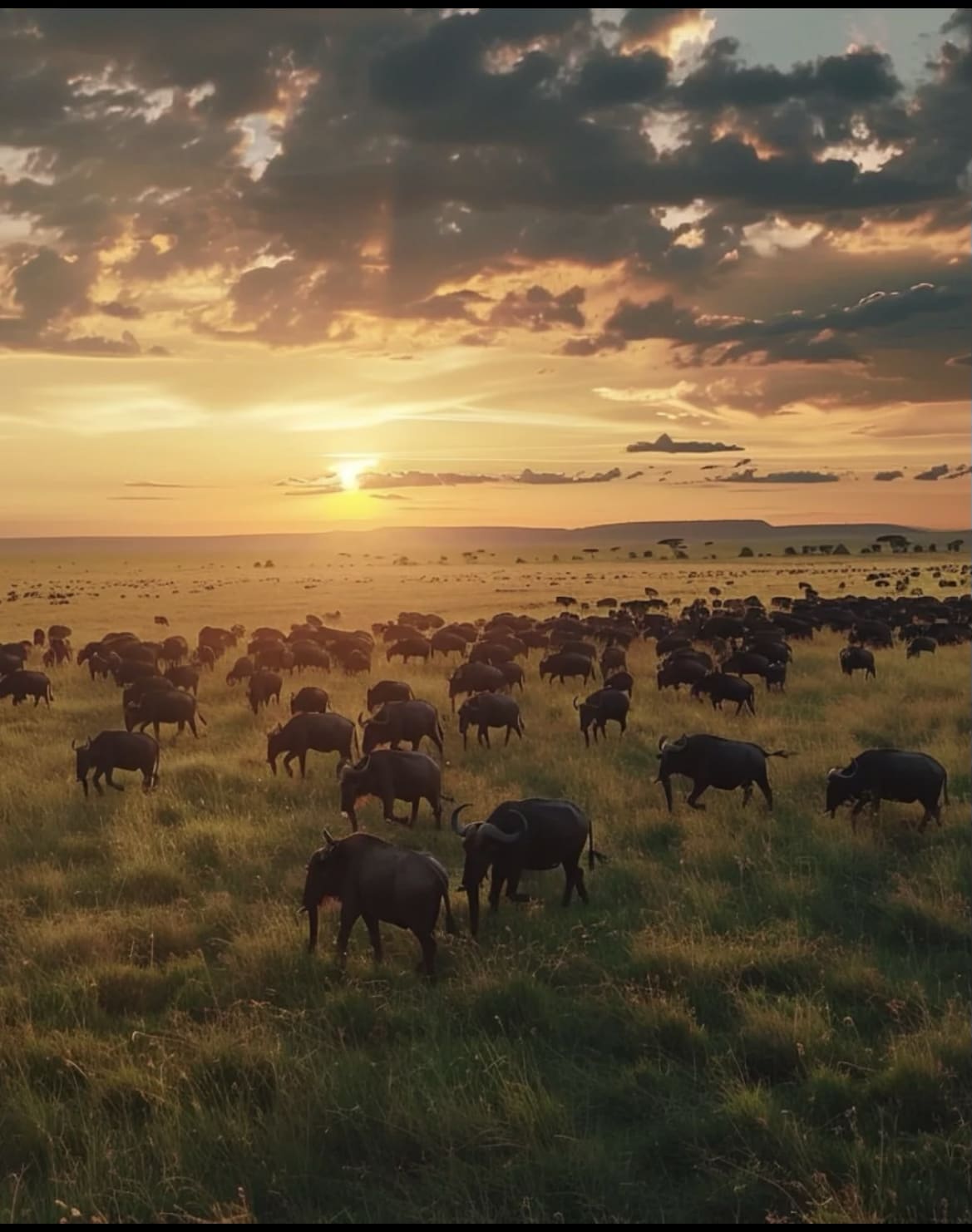
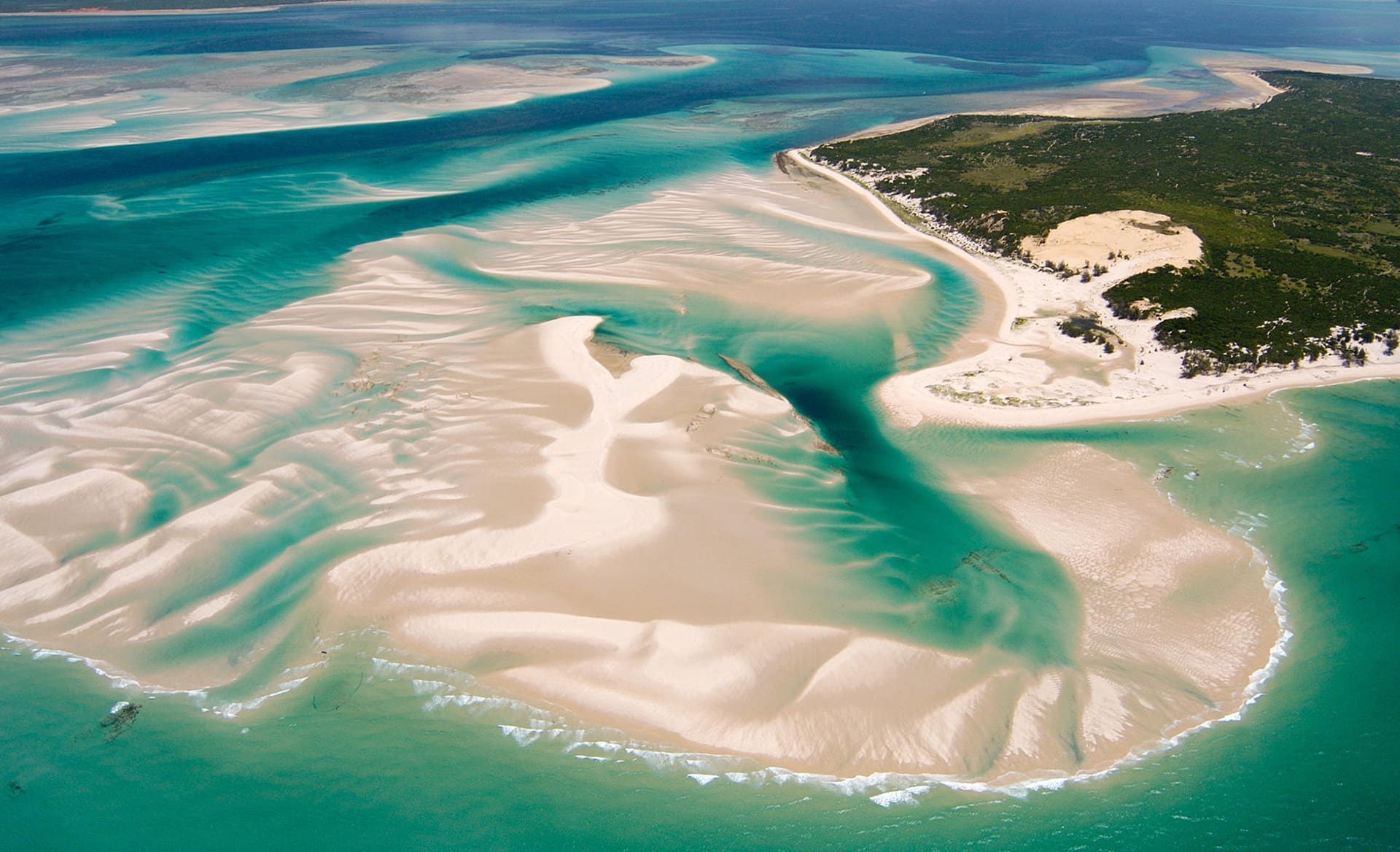
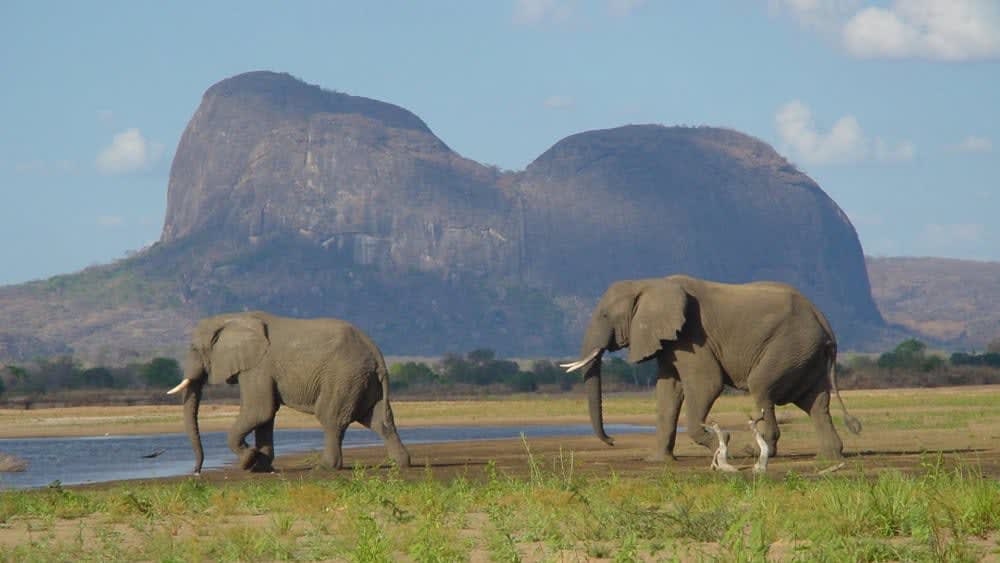
<p>Mozambique: Africa's Emerging Safari Destination Nestled on southeastern Africa's Indian Ocean coast, Mozambique offers an extraordinary safari experience combining pristine wilderness with rich cultural heritage. This diverse nation showcases abundant wildlife across vast, unspoiled landscapes, from coastal reserves to inland savannas. The country's safari highlights feature iconic African species including elephants, lions, buffalo, and diverse bird populations. Mozambique's protected areas provide intimate wildlife encounters with fewer crowds than established safari destinations, offering genuine adventure seekers exceptional value and authentic experiences. Beyond wildlife, Mozambique's cultural significance enriches any safari journey. The nation's diverse ethnic groups, vibrant traditions, and historical landmarks provide meaningful cultural immersion. Ancient Swahili heritage sites and local communities offer visitors deeper understanding of East African history and contemporary life. Tourism appeal lies in Mozambique's unique combination of elements: untamed natural beauty, exceptional biodiversity, competitive pricing, and warm hospitality. The country presents an ideal destination for discerning travelers seeking authentic African safari experiences away from overcrowded circuits. With improving infrastructure and growing tourism development, Mozambique represents an increasingly accessible frontier for wildlife enthusiasts and cultural explorers alike.</p>
<h1>Mozambique: Africa's Emerging Safari Destination</h1><h2>Overview: Geography, Climate, and Character</h2><p>Mozambique, located on the southeastern coast of Africa, represents one of the continent's most intriguing and underexplored safari destinations. This East African nation stretches across diverse landscapes, from pristine Indian Ocean coastlines to vast interior savannas and woodland ecosystems. The country's strategic location and varied topography create an ideal environment for wildlife viewing and adventure tourism.</p><p>The climate in Mozambique is tropical along the coast and subtropical inland, with a warm season from October to March and a cooler, dry season from May to September. The dry season, particularly June through August, offers optimal conditions for safari activities when wildlife congregates around water sources and vegetation is sparse, making animal spotting more rewarding.</p><p>With a population of approximately 30 million people, Mozambique remains less densely populated than many neighboring African nations, preserving vast tracts of wilderness. The country's relatively underdeveloped tourism infrastructure compared to established safari destinations like Kenya and Tanzania means visitors can experience a more authentic, less crowded African wilderness adventure.</p><h2>Wildlife and Safari Destinations</h2><h3>Gorongosa National Park: Africa's Conservation Success Story</h3><p>Gorongosa National Park stands as perhaps Africa's greatest wildlife restoration story and represents the crown jewel of Mozambique's safari offerings. This expansive park, located in Sofala Province, has undergone remarkable transformation through innovative conservation practices and public-private partnerships. The park's management agreement, extended by the Government of Mozambique in 2018 for an additional 25 years, demonstrates long-term commitment to wildlife preservation.</p><p>The park encompasses diverse ecosystems supporting impressive biodiversity, including elephants, buffalo, lions, leopards, and numerous antelope species. Gorongosa's restoration efforts have successfully rebuilt wildlife populations that were devastated during Mozambique's civil conflict, creating a compelling narrative of ecological recovery and sustainable development.</p><p>What distinguishes Gorongosa is its "Park for Peace" model, which integrates conservation with community development and human wellbeing for surrounding populations. This approach ensures that local communities benefit directly from wildlife tourism, creating economic incentives for conservation while supporting the Greater Gorongosa landscape as an engine for regional sustainable development.</p><h3>Other Key Safari Destinations</h3><p>Beyond Gorongosa, Mozambique offers several other significant wildlife areas worthy of exploration. These protected regions harbor diverse fauna and provide visitors with varied safari experiences across different ecosystems and wildlife viewing opportunities throughout the country.</p><p>The nation's protected areas represent crucial habitats for African megafauna and endemic species, contributing significantly to the continent's biodiversity conservation efforts. Each reserve offers unique characteristics and wildlife concentrations, allowing visitors to tailor their safari experiences based on specific interests.</p><h2>Cultural Heritage and Local Communities</h2><p>Mozambique's cultural richness complements its natural attractions, offering visitors comprehensive insights into African traditions and contemporary life. The country comprises numerous ethnic groups, each with distinct customs, languages, and cultural practices that enhance the overall safari experience.</p><p>Local communities in safari regions actively participate in tourism activities and conservation initiatives, providing authentic cultural encounters alongside wildlife viewing. Visitors can engage with traditional crafts, local cuisine, and cultural performances that reflect Mozambique's diverse heritage and living traditions.</p><p>The integration of cultural tourism with wildlife safaris creates holistic travel experiences where visitors gain deeper understanding of both natural and human environments. This approach supports local economies while promoting cultural preservation and cross-cultural understanding.</p><h2>Tourism Infrastructure and Accessibility</h2><h3>Transportation and Airports</h3><p>Mozambique's primary international gateway is Maputo International Airport, which connects to major African and international hubs, facilitating access for safari-bound travelers. Secondary airports in cities like Beira provide additional entry points for visitors heading to northern safari regions, including Gorongosa National Park.</p><p>Road travel within Mozambique requires careful planning, as infrastructure varies significantly between regions. While main routes connecting major cities and parks are generally navigable, visitors should exercise caution and consider hiring experienced local drivers familiar with regional road conditions.</p><h3>Accommodations and Lodging</h3><p>Safari accommodations in Mozambique range from luxury lodges offering five-star amenities to more modest camps providing authentic wilderness experiences. Gorongosa National Park and surrounding areas feature several well-established lodges catering to international tourists seeking comfortable yet immersive safari experiences.</p><p>The diversity of accommodation options allows visitors to select experiences matching their budgets and preferences, from all-inclusive luxury resorts to budget-friendly camping facilities. Many lodges employ experienced guides and provide comprehensive safari packages including game drives, walking tours, and educational programs about local ecology and conservation.</p><h2>Conservation Efforts and Environmental Initiatives</h2><p>Mozambique has demonstrated increasing commitment to wildlife conservation through various governmental and non-governmental initiatives. Gorongosa National Park exemplifies successful conservation models, featuring advanced research programs and wildlife management strategies that serve as templates for other African protected areas.</p><p>The country participates in international environmental agreements and conservation frameworks aimed at protecting African biodiversity. These collaborative efforts involve partnerships with international conservation organizations, academic institutions, and local communities working toward sustainable wildlife management.</p><p>Conservation programs at Gorongosa and other protected areas include wildlife monitoring, habitat restoration, anti-poaching initiatives, and community engagement projects. The Masters in Conservation Biology program at Gorongosa demonstrates commitment to developing local expertise in wildlife management and ecological research, building capacity for long-term conservation success.</p><p>These conservation efforts directly benefit safari tourism by maintaining healthy wildlife populations and pristine ecosystems that enhance visitor experiences while contributing to global biodiversity preservation objectives.</p><h2>Conclusion: An Emerging Safari Destination</h2><p>Mozambique represents a compelling safari destination for adventurous travelers seeking authentic African wilderness experiences. Gorongosa National Park and other protected areas offer outstanding wildlife viewing opportunities, cultural encounters, and participation in meaningful conservation initiatives.</p><p>As Mozambique continues developing its tourism infrastructure while maintaining conservation priorities, the country is positioned to become an increasingly prominent safari destination. Visitors choosing Mozambique contribute directly to wildlife protection, community development, and sustainable environmental practices that ensure these natural treasures remain viable for future generations.</p><p><strong>Sources:</strong></p><ul><li><p>African Studies Center, University of Pennsylvania - Mozambique Country Resources</p></li><li><p>CIA World Factbook - Mozambique</p></li><li><p>Gorongosa National Park Official Website</p></li><li><p>U.S. State Department - Mozambique Background Information</p></li></ul><p></p>