1 / 4
1 / 4🇹🇿 TanzaniaUNESCO site
Barranco Wall
Elevation
4,035 m
Entry fee
$82
Ideal stay
Loading SafariFind...
1 / 4Elevation
4,035 m
Entry fee
$82
Ideal stay
SafariFind app
Keep up with your inquiries and bookings, and message operators wherever you are.

Nearest airport
Kilimanjaro International Airport (JRO), 85 km from Kilimanjaro National Park gate; Arusha Airport (ARK), 65 km from park gate
Nearest town: Arusha, 65 km south—primary gateway city for Kilimanjaro climbing expeditions, with hotels, tour operators, and climbing permit offices
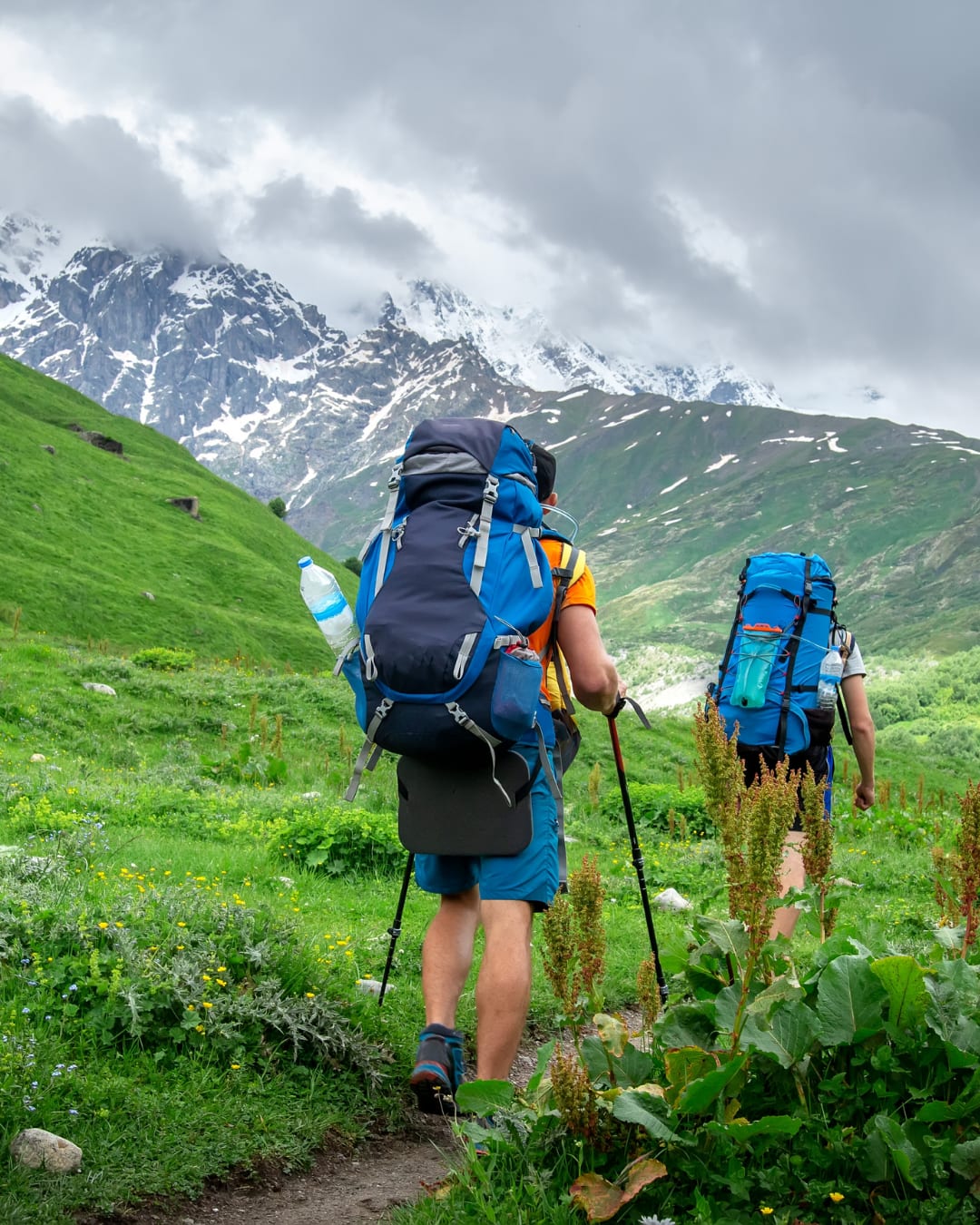 7 daysPrivate
 Trek Afrika Adventures
 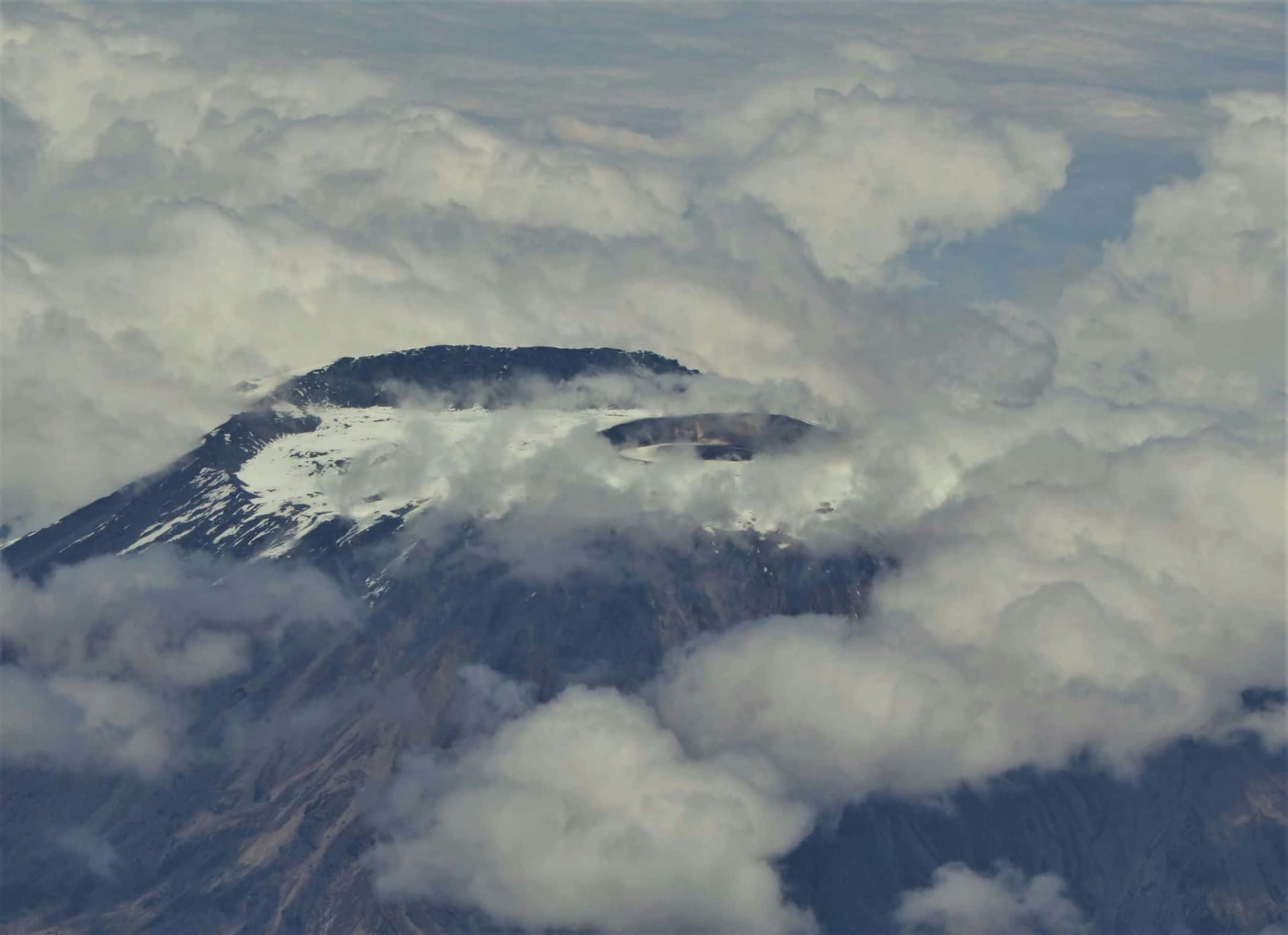 8 daysPrivate
 VISION SAFARI & TOURS
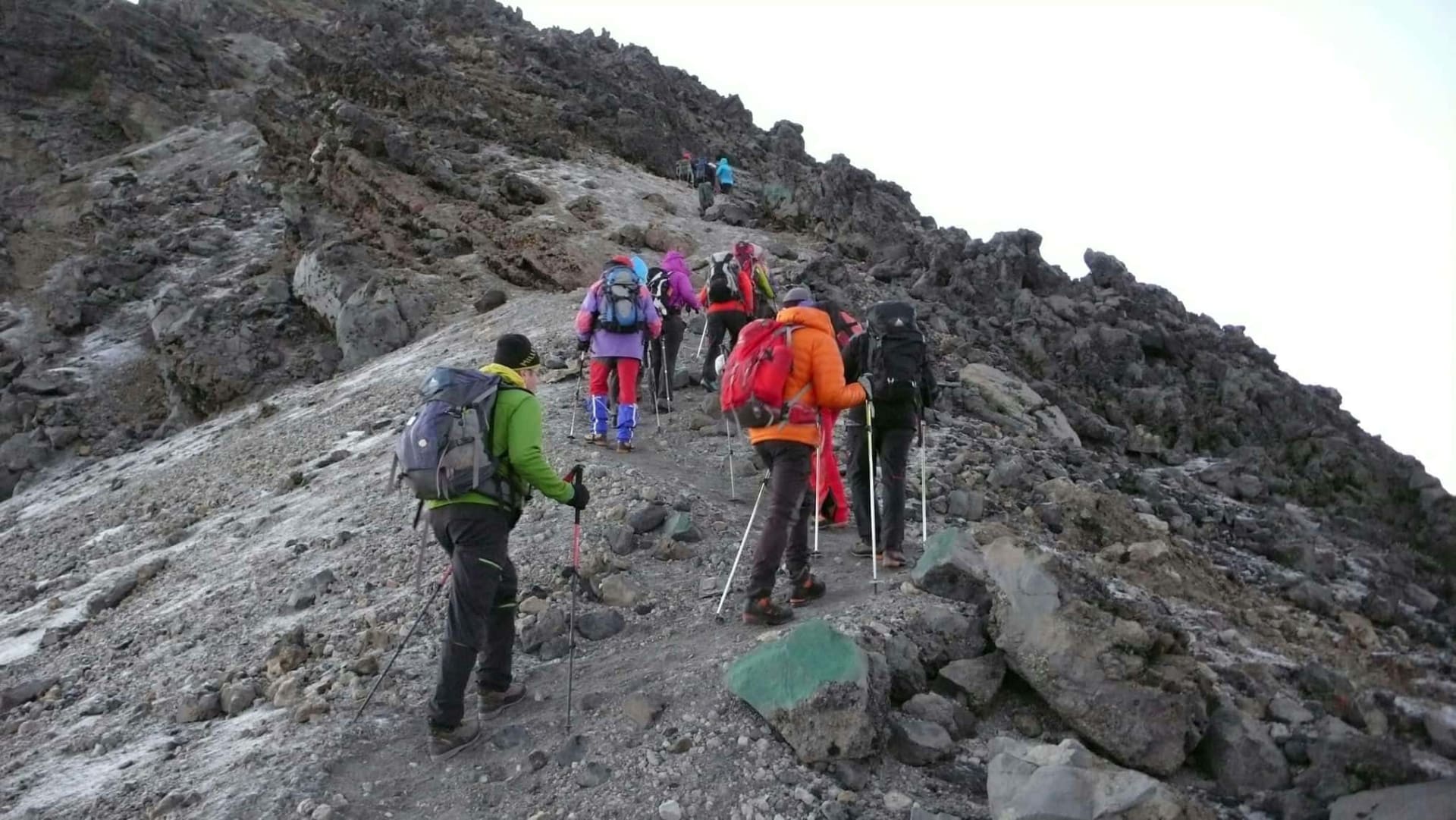 7 daysPrivateVISION SAFARI & TOURS
Barranco Wall is accessed as part of a Kilimanjaro climbing expedition, not as a standalone destination. A 7-day Machame Route climb (which includes Barranco Wall on Day 4) costs $1,200-$2,500 per person with mid-range operators, including park fees ($82 entry), guide services, porter wages, and meals. Budget operators charge $900-$1,500, while luxury operators charge $2,500-$5,000+. Daily costs average $180-$250 per person when split across a full climb. Park fees alone are $82 for non-residents, paid at the gate. Most packages include Barranco Camp accommodation, meals, and guide services through the wall crossing.
The best climbing seasons are January-February and July-September, when dry conditions provide stable weather and clear visibility. January-February offers fewer crowds and cooler temperatures ideal for acclimatization, though occasional rain is possible. July-September features the most reliable weather with the lowest precipitation and clearest skies—this is peak season with more climbers on the trail. December-March and June-October are the full operating seasons when all routes are open. Avoid March-May and November (rainy seasons) when muddy trails increase slip risk, visibility drops dramatically, and rapid weather changes worsen altitude sickness symptoms.
At Barranco Wall's 4,000-meter elevation, wildlife is limited to alpine-adapted species. You may spot alpine hyrax (small rock-dwelling mammals), malachite sunbirds with iridescent plumage, and lammergeiers (rare bearded vultures) soaring above the ridge on clear days. Augur buzzards are occasionally visible as raptors. The ecosystem features endemic alpine plants like giant groundsels (Dendrosenecio) found nowhere else in Tanzania. Lower sections near Barranco Camp (3,960 meters) may host colobus monkeys and serval cats in forested areas. The wall itself supports rock hyrax colonies and altitude-adapted insects, but large mammals are absent at this elevation.
Fly into Kilimanjaro International Airport (JRO), 85 km from the park gate (approximately 2 hours by road), or Arusha Airport (ARK), 65 km away. From Arusha, arrange a transfer to Kilimanjaro National Park's Machame Gate (15 km, 30-45 minutes). Begin a 7-day Machame Route climb; Barranco Wall is encountered on Day 4 after hiking from Machame Camp through the moorland and cloud forest zones. Alternative routes reaching the wall are the Lemosho Route (8 days, wall on Day 5), Shira Route (7 days, wall on Day 4), and Northern Circuit Route (9 days, wall on Day 6). All routes require hiring a guide and porter through a registered tour operator.
Barranco Wall is not recommended for children under 12 due to the altitude (4,000 meters), scrambling difficulty, and risk of altitude sickness in young climbers. Children 12-16 can climb with excellent fitness, proper acclimatization, and experienced guides, though success rates are lower than for adults. The wall itself is a 1-2 hour non-technical scramble, but reaching it requires 3-4 days of trekking at increasing elevation—the cumulative altitude exposure is the primary risk, not the wall itself. Families should consult their pediatrician and consider hiring private guides with pediatric altitude experience. Some operators offer family packages with slower acclimatization schedules and flexible itineraries.
You encounter Barranco Wall as part of a multi-day Kilimanjaro climb, not as a standalone destination. The wall itself takes 1-2 hours to scramble, but the full experience requires 6-9 days: 3-4 days of approach hiking to Barranco Camp, 1 day at Barranco Camp for acclimatization, 1-2 hours crossing the wall, and 2-4 additional days for summit push and descent. The 7-day Machame Route (most popular) encounters the wall on Day 4 and is the minimum recommended duration. The 8-day Lemosho Route offers better acclimatization before the wall. Shorter 6-day routes skip the wall entirely. Longer 9-day Northern Circuit routes provide maximum acclimatization and lower summit failure rates.
Barranco Camp (3,960 meters) is the primary accommodation before crossing the wall. This is a basic mountain camp with dome tents, basic toilets, and communal dining—not a hotel. Conditions are rustic but adequate for acclimatization. You spend one night here before ascending the wall on Day 4 (Machame Route) or Day 5 (Lemosho Route). After crossing the wall, you move to Karanga Camp (4,035 meters) for the next night. There are no luxury lodges at Barranco Wall itself; all accommodation is camping. Budget camps charge $30-$50 per night, mid-range camps $50-$80, and premium camps $80-$120. All camps provide meals, though food quality varies by operator.
Yes—Barranco Wall is consistently rated the single most memorable moment of a Kilimanjaro climb by the majority of successful summiteers. Despite its intimidating appearance and nickname "the Terrifying Barranco Wall," it is a non-technical scramble that requires no specialized equipment, making it accessible to fit hikers. The psychological breakthrough of conquering a steep 300-meter rock face, combined with panoramic views and a genuine sense of accomplishment, creates a transformative experience. Unlike the final summit push (which is a grueling high-altitude slog), the Barranco Wall is exhilarating and manageable. Most climbers who approach with anxiety discover it becomes their favorite memory. If you're considering a Kilimanjaro climb, choosing a route that includes the Barranco Wall (Machame, Lemosho, Shira, or Northern Circuit) significantly increases the overall experience value.
Yes—a guide is legally required for all Kilimanjaro climbing routes, including the Barranco Wall section. Tanzania National Parks Authority mandates that all climbers hire a registered guide through an official tour operator. Guides provide safety briefings, route navigation, altitude sickness monitoring, and psychological support during the scramble. Self-guided climbing is prohibited and permits will not be issued without a guide. Guides trained on Barranco Wall have crossed it hundreds of times and can provide specific hand-placement advice, crowd management during busy periods, and emergency response if anyone struggles. The guide cost is included in your climbing package ($1,200-$5,000 depending on operator tier). Hiring an experienced, well-reviewed guide is essential for both safety and maximizing the experience.
Barranco Wall is part of a Kilimanjaro climbing expedition, not a traditional safari. Book through verified Kilimanjaro tour operators that offer climbing packages including the Machame, Lemosho, Shira, or Northern Circuit routes. You can compare certified operators, read verified traveler reviews, and book climbing packages through SafariFind.com, which connects you with operators specializing in Kilimanjaro expeditions. SafariFind allows you to filter by route, duration, budget, and customer ratings, ensuring you find an operator with proven safety records and positive Barranco Wall reviews. Booking directly through SafariFind simplifies comparing prices (typically $1,200-$5,000 for 7-9 days) and verifying operator credentials. Most operators require booking 6-8 weeks in advance to secure permits and arrange logistics.
© 2026 SafariFind. All rights reserved.
 Ask about this