 1 / 2
1 / 2🇧🇮 Burundi
Bururi Forest Nature Reserve
Size
33 km²
Elevation
1,800 m
Entry fee
$7
Ideal stay
Loading SafariFind...
1 / 2Size
33 km²
Elevation
1,800 m
Entry fee
$7
Ideal stay
SafariFind app
Keep up with your inquiries and bookings, and message operators wherever you are.

2 days
Established
1951
Nearest airport
Bujumbura International Airport (BJM), 160 kilometers north; 4–5 hour drive via paved and unpaved roads
Nearest town: Bururi town, 20 kilometers from reserve entrance; modest guesthouses, INECN office, guide arrangements, fuel and supplies available
Park entry fee is approximately 5,000 Burundian francs (about USD $6.50). Local guide services cost an additional 5,000 Burundian francs per day. Total daily cost averages USD $80–100 per person including accommodation in Bururi town, meals, and guide services. Budget safari packages through verified operators on SafariFind typically range USD $250–350 for 2–3 days including transport from Bujumbura, guides, and basic lodging.
June through September offers optimal conditions with drier weather, more passable trails, and peak wildlife activity. Temperatures remain cool (15–20°C in forest) year-round. Avoid April–May and October–November when rainfall reaches peak levels (1,200–2,400 mm annually) and forest roads become muddy and difficult to access. December–March is possible but requires high-clearance vehicles due to wet conditions.
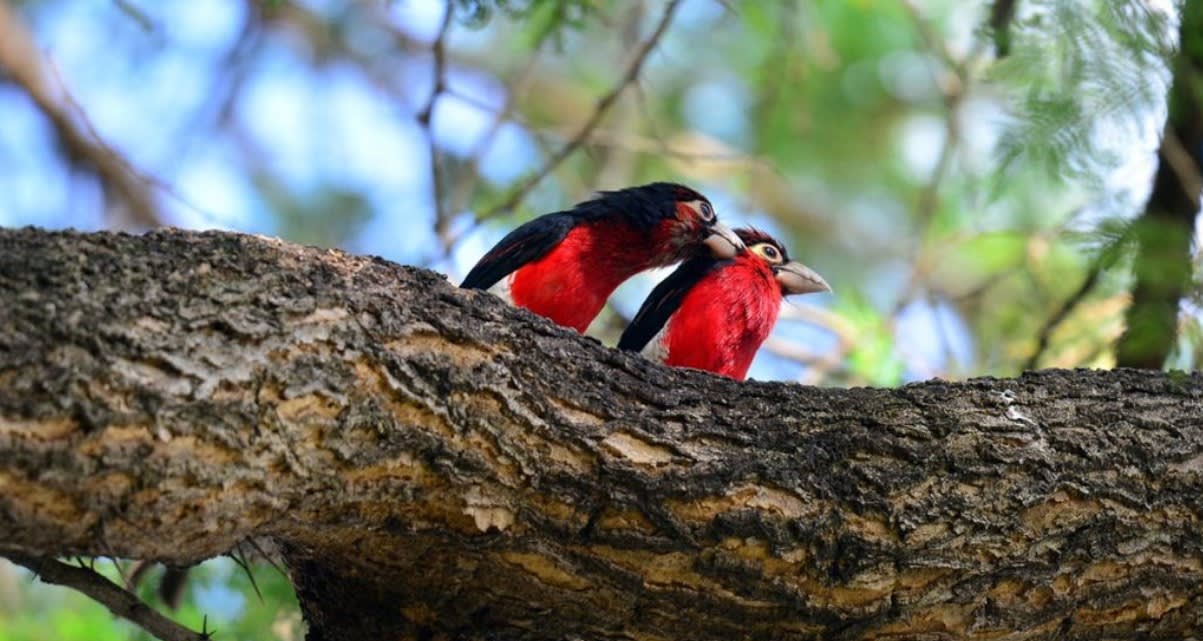
The reserve protects five primate species including the eastern chimpanzee (Pan troglodytes schweinfurti), black-and-white colobus monkeys, and red-tailed monkeys. Bird watching is exceptional with 117 recorded species, including Albertine Rift endemics like the stripe-breasted tit and Ruwenzori turaco. Small mammals include tree hyraxes and duiker species. Chameleons and other reptiles inhabit the forest canopy and understory. Leopards have been reported by locals but lack confirmed sightings by reserve management.
Fly into Bujumbura International Airport (BJM), then drive 160 kilometers south to Bururi town (4–5 hours via paved and unpaved roads). From Bururi town, the reserve entrance is 20 kilometers further. A high-clearance 4x4 vehicle is strongly recommended, especially during rainy seasons. Local taxi-brousse services connect Bujumbura to Bururi town but rarely extend to the reserve entrance. Arrange transfers through your safari operator or hire a private driver in Bururi.
The reserve is moderately suitable for families with children aged 10 and older. Forest hiking involves muddy trails, stream crossings, and uneven terrain requiring sturdy boots and good fitness. Early morning walks begin before dawn (6:00–7:00 AM), which young children may find challenging. Accommodation in Bururi town is basic (modest guesthouses only). Malaria risk requires prophylaxis for all family members. The reserve offers excellent educational value for nature-interested families but lacks specialized child facilities or easy short walks.
Two to three days is recommended. A 2-day visit allows one full day of forest hiking, primate tracking, and bird watching with a guide, plus time for the journey from Bujumbura. Three days permits more extensive exploration of multiple forest trails, the Siguvyaye River waterfalls, and a second day of wildlife observation. One-day visits are logistically possible but leave minimal time for forest exploration after the 4–5 hour drive from Bujumbura.
No accommodation exists within the reserve itself. Visitors stay in Bururi town, 20 kilometers from the reserve entrance, where modest guesthouses are available at budget-friendly rates (USD $15–30 per night). The INECN office in Bururi town arranges guide services and park entry. Larger hotels and more comfortable lodging are available in Bujumbura (160 kilometers north) but require a longer daily drive. Plan to stay in Bururi town to minimize travel time and maximize time in the forest.
Yes, the reserve is exceptional for travelers seeking authentic, uncrowded montane forest experiences. It protects 268 plant species representing 9% of Burundi's total flora and harbors five primate species including the eastern chimpanzee—a species increasingly difficult to observe elsewhere in Central Africa. The reserve is designated an Important Bird Area with 117 recorded bird species, including multiple Albertine Rift endemics. Unlike crowded safari circuits in Rwanda, Uganda, and Tanzania, Bururi offers genuine wilderness with minimal tourist infrastructure and essentially no crowds. It is best suited for experienced travelers comfortable with basic accommodation and challenging forest conditions.
Yes, a local guide is essential and required by reserve management. Guides cost approximately 5,000 Burundian francs (USD $6.50) per day and are arranged through the INECN office in Bururi town or at the reserve entrance. Guides provide critical knowledge of primate locations, bird identification, trail navigation, and safety protocols in this remote montane ecosystem. Self-guided hiking is not permitted. Guides enhance wildlife spotting success significantly, particularly for chimpanzee tracking and forest bird observation.
Compare safari packages and book through verified operators on SafariFind.com, which connects you with established tour companies with active relationships with Burundi's tourism authorities (OBTH) and INECN. SafariFind allows you to review operator credentials, read traveler reviews, and compare pricing for multi-day packages that include transport from Bujumbura, guides, accommodation in Bururi, and park fees. Confirm your operator has English-speaking guides and current knowledge of chimpanzee habituation status, as sighting reliability depends on ongoing habituation programs.
© 2026 SafariFind. All rights reserved.
