Loading SafariFind...

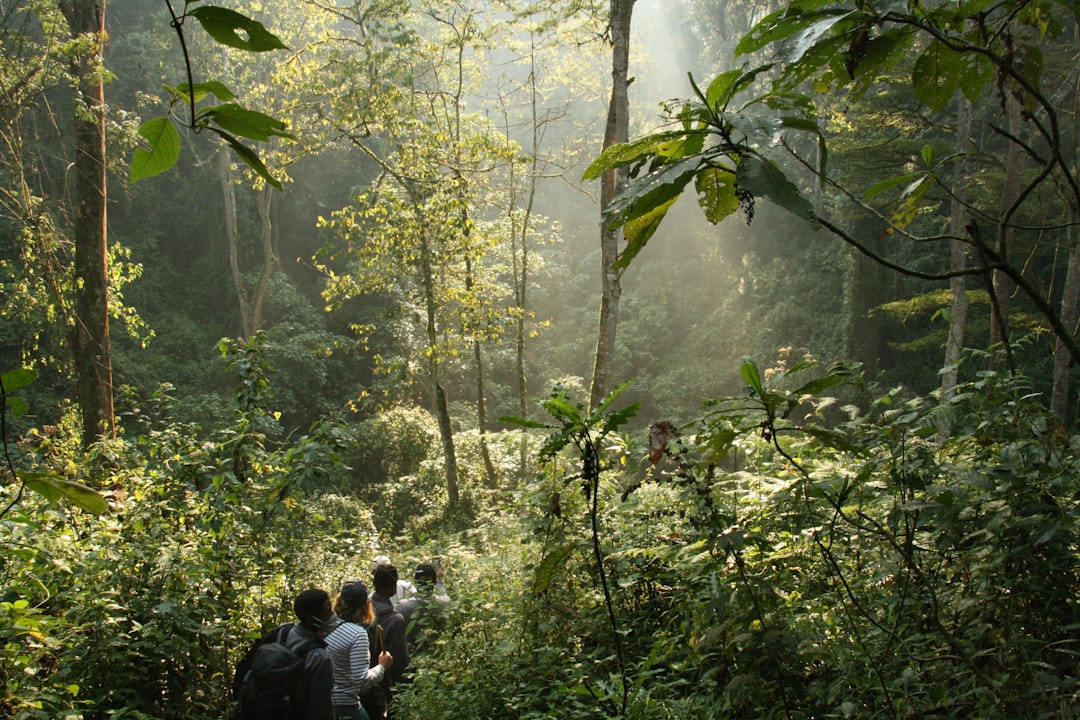
Bwindi Impenetrable National Park stands as one of Africa's most ancient and biologically diverse rainforests, located in south-western Uganda near Kisoro on the edge of the Rift Valley. Established as a national park in 1991—after serving as a forest reserve since 1932—Bwindi spans 321 square kilometers across altitudes ranging from 1,160 to 2,607 meters above sea level. The park's name perfectly captures its character: a densely forested terrain so thick and impenetrable that it has protected some of the world's rarest wildlife for over 25,000 years.
Bwindi is managed by the Uganda Wildlife Authority (UWA) as part of the Bwindi Mgahinga Conservation Area, which forms a critical component of the Greater Virunga Landscape spanning south-western Uganda, eastern Democratic Republic of Congo, and north-western Rwanda. This regional approach to conservation ensures the protection of species that cross international borders.
Bwindi Impenetrable National Park is renowned worldwide as a premier destination for mountain gorilla trekking. The park protects approximately 400 mountain gorillas—nearly half of the world's remaining population. These endangered primates are found only in four locations globally: Bwindi and Mgahinga Gorilla National Park in Uganda, Volcanoes National Park in Rwanda, and Virunga National Park in the Democratic Republic of Congo.
A historic milestone occurred in April 1993 when the Mubare gorilla group became the first to be habituated for tourism in Uganda. Today, Bwindi boasts 25 habituated gorilla groups, with nine available for guided tourism experiences and one dedicated to research. This careful management allows visitors to observe these majestic primates in their natural habitat while minimizing disturbance to the animals.
Beyond mountain gorillas, Bwindi hosts an impressive array of primate species. Visitors may encounter chimpanzees, colobus monkeys, and at least seven additional primate species throughout the park. This extraordinary concentration of primates makes Bwindi one of the most remarkable destinations for primate observation in Africa.
The park's vegetation is extraordinarily diverse, supporting over 150 species of trees, more than 1,000 flowering plant species, and over 100 different types of ferns. This botanical richness creates an astounding ecosystem that sustains remarkable wildlife diversity.
Bwindi's fauna extends far beyond primates. The park is home to at least 120 mammalian species and nearly 350 bird species. Insect biodiversity is equally impressive, with 220 species of butterflies and hundreds of other insect species recorded. This ecological complexity earned Bwindi designation as a UNESCO World Heritage Site in recognition of its habitat diversity and protection of endangered species.
The park comprises dense montane forest and thick lowland forest, creating challenging but rewarding trekking terrain. The landscape is predominantly hilly and ridged, with only two level areas: the Mubwindi swamp (approximately 1 square kilometer) and Ngoto swamp (approximately 0.1 square kilometers). This varied topography contributes to the park's ecological diversity and creates the "impenetrable" terrain for which it is named.
Bwindi can be visited year-round, though the park's mist-covered terrain means wet conditions are common throughout the year. The drier seasons—June to July and December to January—typically offer the best trekking conditions, with clearer visibility and more stable ground. However, gorilla sightings are possible during all seasons, and the lush vegetation during rainy periods creates spectacular scenery.
It is advisable to check current weather patterns and gorilla activity reports before planning your visit, as conditions can vary significantly by season and location within the park.
The primary activity at Bwindi is guided mountain gorilla trekking. Visitors are matched with habituated gorilla groups and led by experienced guides through the forest to locate and observe these remarkable animals. Treks vary in difficulty and duration depending on gorilla group location and movement patterns. This intimate wildlife experience is often described as life-changing, offering unparalleled opportunities to observe gorillas exhibiting natural behaviors in their native environment.
Beyond gorillas, visitors can undertake guided walks to observe chimpanzees, colobus monkeys, and other primate species. These excursions provide excellent opportunities for wildlife photography and naturalist education.
Guided nature walks through the park allow visitors to appreciate the forest's botanical diversity and observe the nearly 350 bird species. The park's ancient rainforest ecosystem offers excellent birdwatching opportunities for both casual observers and serious birders.
Bwindi Impenetrable National Park is located in the remote south-western region of Uganda, approximately 8-10 hours' drive from Kampala depending on road conditions. Most visitors fly from Kampala to regional airstrips, then transfer by vehicle to park accommodations. Several airstrips near the park provide access to chartered flights, significantly reducing travel time.
The journey through Uganda's rural landscape offers its own rewards, with opportunities to experience local culture and stunning highland scenery. Visitors should arrange transportation through established tour operators or their accommodation providers.
According to current Uganda Wildlife Authority rates, park entry fees are:
Gorilla trekking permits are separate and should be arranged in advance through the Uganda Wildlife Authority or registered tour operators, as availability is limited and demand is high.
The park offers various accommodation options ranging from budget guesthouses to luxury lodges, many located near park entrances. All accommodations should be booked in advance, particularly during peak seasons. Basic services including guides, meals, and equipment rental are available, though options are more limited than in larger tourism centers.
Gorilla trekking requires moderate to good physical fitness, as trails are steep, muddy, and can involve several hours of hiking through challenging terrain. Visitors should be prepared with appropriate footwear, rain gear, and physical conditioning. Medical clearance may be recommended for those with health concerns.
Visitors should consult with healthcare providers regarding necessary vaccinations before travel. Malaria prophylaxis may be recommended depending on individual circumstances. The park's remote location means medical facilities are limited, so comprehensive travel insurance is strongly advised. Visitors must follow guide instructions carefully to ensure safety and minimize impact on wildlife.
Respect for the park's ecosystem and wildlife is paramount. Maintain distances specified by guides, keep noise levels low, and never attempt to touch animals. Photography should be done responsibly without flash when observing sensitive species. Support local communities by purchasing goods from local vendors and staying at locally-owned accommodations.
Bwindi Impenetrable National Park represents one of Earth's most precious natural treasures. A visit offers not only the opportunity to encounter endangered mountain gorillas but also to experience one of Africa's most biodiverse ecosystems and contribute to global conservation efforts.
3 Days
$40 entry fee
$350 /day avg
Explore curated experiences for Bwindi Impenetrable National Park
We are currently curating the best experiences for this destination. Please check back soon!
Book your dream safari to Bwindi Impenetrable National Park today. We have great packages waiting for you.
View Packages