 1 / 4
1 / 4🇧🇼 Botswana
Chobe National Park
Size
11,700 km²
Elevation
910 m
Entry fee
$80
Loading SafariFind...
1 / 4Size
11,700 km²
Elevation
910 m
Entry fee
$80
SafariFind app
Keep up with your inquiries and bookings, and message operators wherever you are.

Ideal stay
3 days
Nearest airport
Kasane Airport (BCP) or Maun International Airport (MUB)
Nearest town: Kasane
 5 daysPrivate
 Mzilikazi Way Safaris
  14 daysPrivate
 Johills Safaris
 7 daysGroup Joining
 Africa Uncovered Safaris
 7 daysPrivate
 Africa Beast Safaris
 13 daysPrivateAfrica Beast Safaris
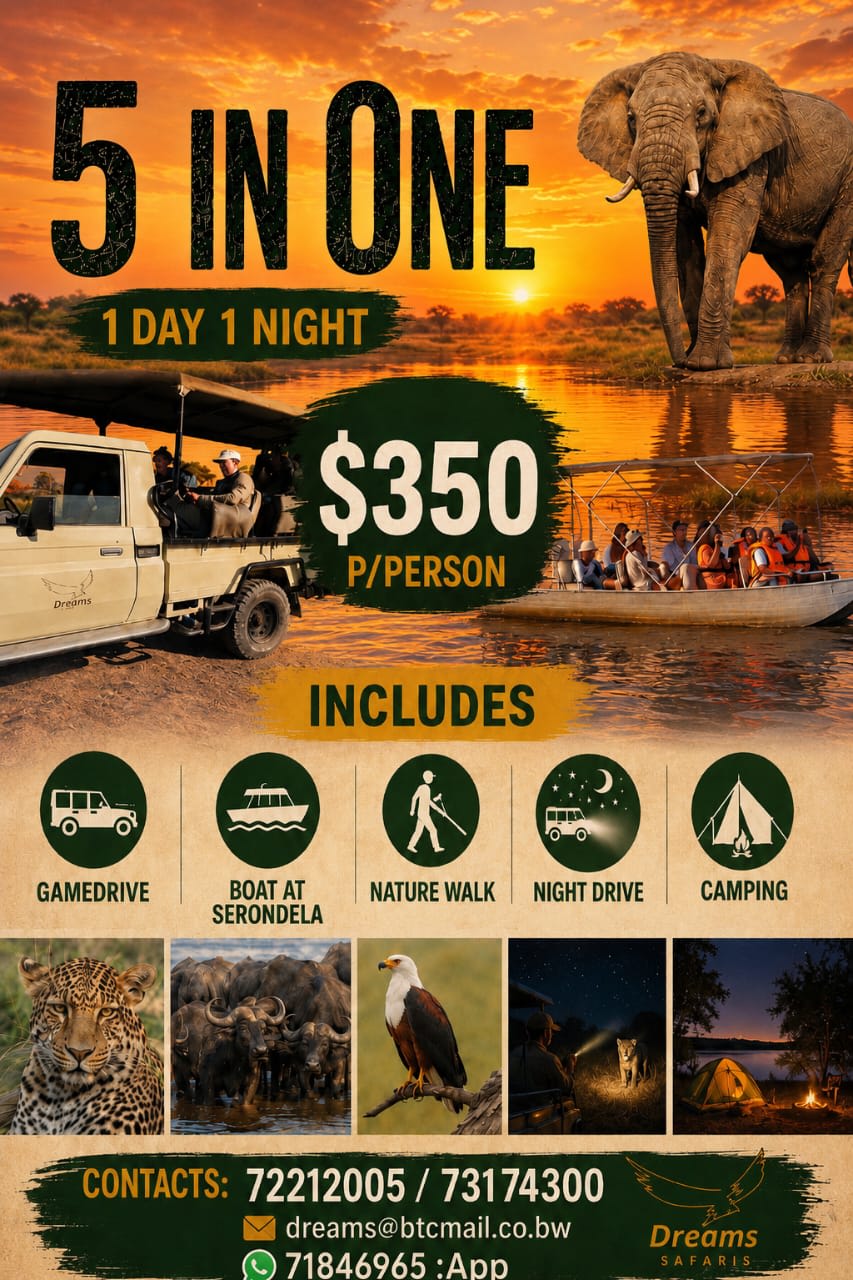 2 daysPrivate
 dreams safaris
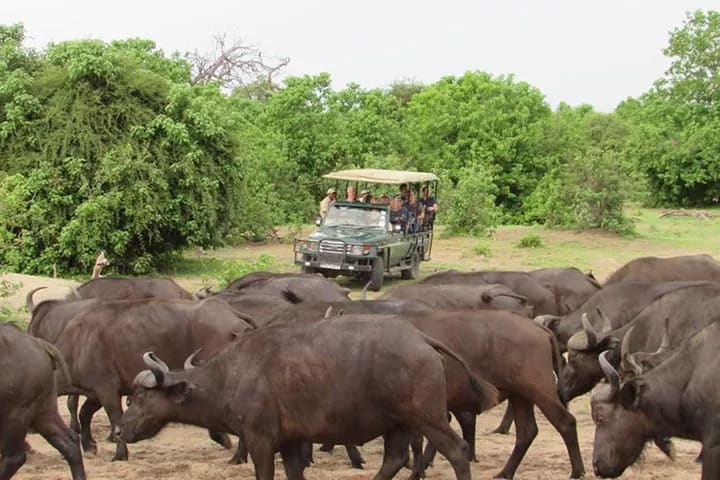 4 daysGroup JoiningAfrica Beast Safaris
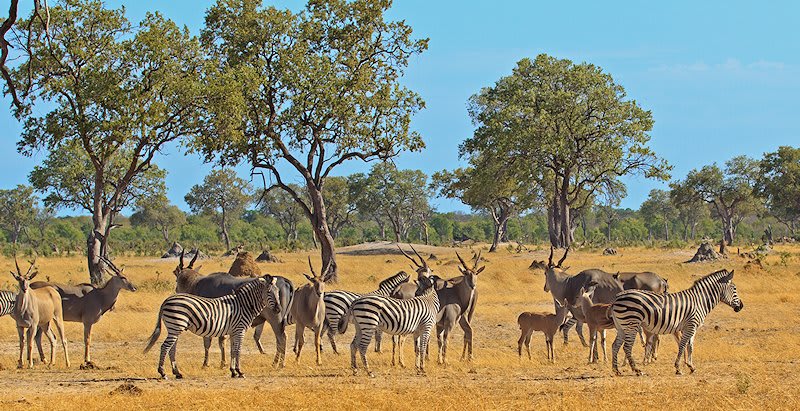 15 daysPrivateAfrica Beast Safaris
 7 daysGroup JoiningAfrica Beast Safaris
 4 daysPrivateMzilikazi Way Safaris
  7 daysPrivate
 Africa Incoming
 7 daysPrivateAfrica Incoming
Chobe offers multiple viewing methods: guided game drives provide comprehensive park exploration and expert wildlife spotting, while Chobe River cruises offer unique perspectives for observing elephants, buffalo, and hippos at water sources. Early morning and late afternoon drives yield the highest wildlife activity. Walking safaris with experienced guides provide immersive experiences. Combining both game drives and river cruises during your stay maximizes wildlife encounters.
While self-driving with a rental vehicle is permitted with a valid international driver's license, hiring a professional guide is highly recommended. Guides possess extensive knowledge of animal behavior, park geography, and safety protocols. They significantly enhance your experience by locating wildlife, providing ecological information, and ensuring proper distances from dangerous animals. Most visitors book guided tours through lodges or tour operators for optimal wildlife viewing and safety.
Essential items include binoculars, camera with zoom lens, lightweight breathable clothing in neutral colors, sun protection (hat, sunscreen, sunglasses), insect repellent, and comfortable walking shoes. Bring layers for early morning/evening temperature variations. Medications for malaria prevention are recommended; consult your doctor. Pack a light jacket for cooler months (May-August). Avoid bright colors that may startle wildlife. Most lodges provide basic amenities, but confirm accommodation specifics when booking.
Yes, Chobe is in a malaria-endemic region. Consult your doctor before traveling to obtain appropriate antimalarial medication. Use insect repellent containing DEET, wear long sleeves and pants during dawn and dusk, and sleep under mosquito nets. Many lodges provide screened rooms and mosquito nets. Risk is lower during the dry season (May-October) when mosquito populations decrease. Take precautions seriously, as malaria is a genuine health concern in northern Botswana.
A minimum of 3 days allows for comprehensive park exploration including multiple game drives and a river cruise. However, 4-5 days provides a more relaxed pace and better wildlife viewing opportunities, as animals follow seasonal patterns. Many visitors combine Chobe with other Botswana destinations like the Okavango Delta (1-2 hours away) or Makgadikgadi Pans for a week-long safari. Even 2 days provides worthwhile wildlife experiences if time is limited.
© 2026 SafariFind. All rights reserved.
