The Complete Guide to Chyulu Hills National Park, Kenya
Overview and Location
Chyulu Hills National Park stands as one of Kenya's most spectacular yet underrated natural reserves, officially gazetted in 1983. Located in southeastern Kenya near the town of Kibwezi, this protected area encompasses approximately 741 square kilometers and forms a crucial part of the larger Tsavo Conservation Area, which also includes Tsavo East and Tsavo West National Parks. The park comprises the eastern flank of the Chyulu Hills, a dramatic volcanic mountain range that stretches between Amboseli and Tsavo national parks, creating a geographical bridge between these two iconic safari destinations.
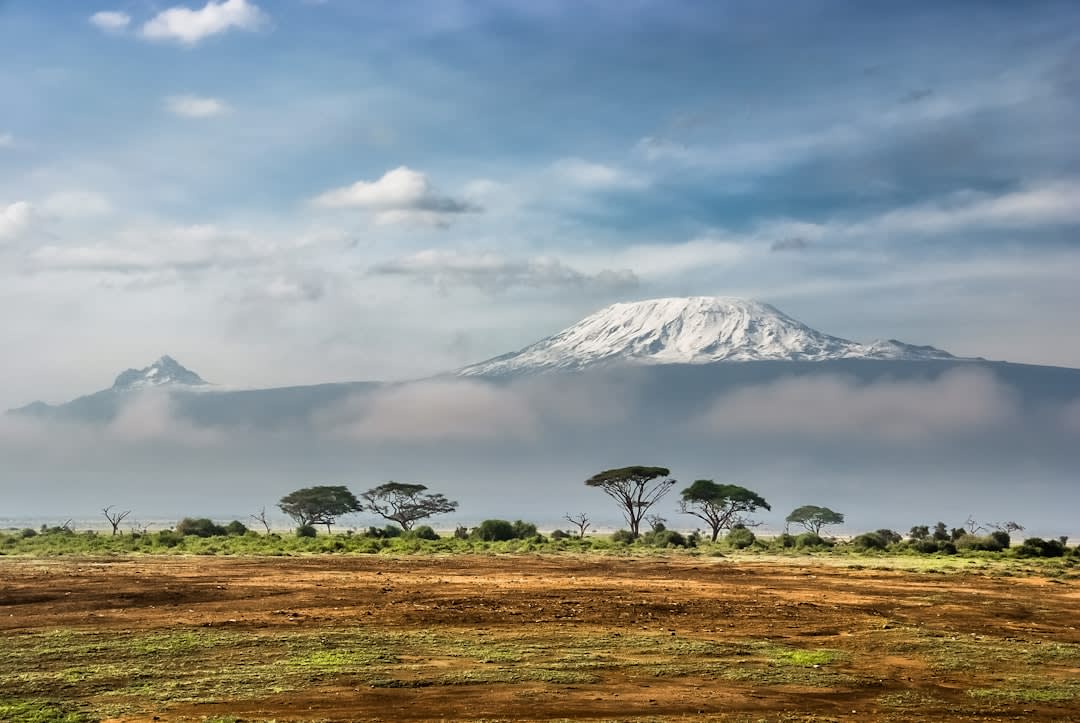
The landscape is characterized by verdant rolling hills of endless green bush beneath great blue skies, offering spectacular vistas that captivate nature lovers and photographers alike. The terrain features gently undulating grasslands interspersed with dense areas of primeval forest, alongside a magical landscape of black frozen lava studded with blazing red-hot poker trees—a striking testament to the region's volcanic heritage.
Wildlife and Natural Features
Diverse Ecosystems
Chyulu Hills National Park boasts pockets of savannah grassland and mountain forest, including notable areas such as Kinyozi hills, Army satellite, Kibarani, and Mukau. While the park may not have the same density of wildlife as some of Kenya's more famous reserves, it still offers a unique and rewarding wildlife experience for patient and observant visitors.
Fauna
The park is home to a variety of wildlife species including elephants, buffalos, giraffes, zebras, elands, and various big cats. The more time visitors spend exploring the park, the higher the likelihood of encountering diverse animals. The region is particularly renowned among birdwatchers, with numerous bird species populating the landscape. Notable species include the striking Trumpet Hornbill, the rare Basra reed warbler, yellow-billed greenbul, and blue-eared starling, each adding vibrant color and song to this thriving ecosystem.
Flora and Endemic Species
The park is a habitat for unique plants with cosmetic and medicinal values, including Olea Africana, sandalwood, and acocanthera. Most notably, Chyulu Hills is home to the endemic butterfly Pentilatropicalis Chyullu, found nowhere else on Earth. This biodiversity makes the park a significant area for conservation and ecological research.
Ecological Significance
Perhaps most importantly, the Chyulu ecosystem holds immense ecological significance as a vital water catchment area for Kenya's coastal towns. The hills hold no permanent surface water on their surface; however, rainfall percolating through the porous volcanic rock feeds many permanent freshwater sources in the surrounding plains. Most notably, the Chyulu Hills are responsible for feeding Tsavo West's famous Mzima Springs—a critical freshwater source for both wildlife and neighboring communities. This hydrological function makes the park invaluable to Kenya's water security.
Best Time to Visit
While the research materials do not specify exact seasons, visitors should plan their trip during Kenya's dry seasons when wildlife viewing is optimal and hiking conditions are most favorable. The park's high altitude and forest areas mean weather can be variable, so visitors should pack layers and be prepared for changing conditions. The less crowded nature of Chyulu Hills compared to other Kenyan parks means that even during shoulder seasons, visitors can enjoy a more intimate safari experience.
Activities and Experiences
Hiking Safaris
The gently undulating grasslands, dense primeval forests, and breathtaking landscape views make Chyulu Hills exceptional for hiking safaris. The volcanic terrain and forested ridges provide diverse trekking routes suitable for various fitness levels. These walking safaris offer opportunities for close encounters with nature and detailed observation of flora and fauna that might be missed from a vehicle.
Game Viewing
Traditional game drives through the park's various zones provide opportunities to spot elephants, buffalos, and other wildlife. The park's less-crowded nature compared to Amboseli or Tsavo offers a more peaceful and authentic safari experience.
Birdwatching
With numerous bird species throughout the park, including endemic and rare species, birdwatching is a premier activity. The diverse habitats—from grasslands to forest—support different bird populations, making comprehensive birdwatching expeditions highly rewarding.
Picnicking and Relaxation
The park's stunning natural beauty makes it ideal for leisurely picnicking excursions and tranquil afternoons spent observing wildlife and enjoying the landscape. The remote and peaceful setting provides an ideal escape from more crowded tourist destinations.
Cultural Visits
The surrounding areas offer opportunities to engage with local communities and learn about traditional ways of life in this region of Kenya.
Getting There
Access Points
Chyulu Gate serves as an excellent and convenient entry point into the Chyulu Hills area and provides access to Tsavo West National Park. The gate is located in the southern region of Tsavo and is easily accessible from both Mombasa and Nairobi, making it a flexible option for travelers coming from either direction.
Travel Routes
Visitors traveling from Nairobi typically drive south toward the Tsavo region, while those from Mombasa can access the area via the coastal route. The drive times vary depending on the specific starting point and road conditions, but the park's location makes it accessible for both day trips and extended safari expeditions.
Practical Information
Entry Fees
Chyulu Hills National Park charges the following entry fees as set by Kenya Wildlife Service:
Category East African Citizen (KSH) Resident (KSH) Non-Resident (USD) African Citizen (USD) Adult 500 675 40 20 Child 250 350 20 10
Accommodation
A wide range of accommodation options exists near Chyulu Gate and the park entrance, ranging from budget camping sites to more comfortable lodge facilities. Visitors should book accommodations in advance, particularly during peak seasons, to ensure availability.
What to Bring
Essential items include binoculars for wildlife and birdwatching, sturdy hiking boots for trekking, sun protection (hat, sunscreen, sunglasses), layers for varying weather conditions, and a camera to capture the stunning landscapes and wildlife. A good field guide to Kenyan birds and mammals enhances the experience.
Park Management
The park is managed by Kenya Wildlife Service (KWS) and is carefully maintained to preserve its unique landscape and biodiversity. Visitors should follow all park regulations and guidelines to ensure their safety and the protection of the environment.
Conclusion
Chyulu Hills National Park offers a unique alternative to Kenya's more crowded safari destinations, combining stunning volcanic landscapes, diverse wildlife, rich birdwatching opportunities, and ecological significance. Whether you seek adventure through hiking, wildlife viewing, or simply peaceful communion with nature, Chyulu Hills provides an authentic and rewarding Kenyan safari experience. Its role as a vital water catchment area adds another dimension to visits here—you're not just observing nature, but supporting conservation of a landscape critical to Kenya's ecological and hydrological health.