 1 / 4
1 / 4🇲🇿 Mozambique
Gorongosa National Park
Size
4,000 km²
Elevation
1,863 m
Entry fee
$12
Loading SafariFind...
1 / 4Size
4,000 km²
Elevation
1,863 m
Entry fee
$12
SafariFind app
Keep up with your inquiries and bookings, and message operators wherever you are.

Ideal stay
5 days
Nearest airport
Johannesburg's OR Tambo International Airport (JNB), South Africa — approximately 1,500 km; travelers typically fly Johannesburg to Gorongosa via charter flights or domestic connections through Beira or Inhambane
Nearest town: Beira, Mozambique — approximately 150 km south; Inhambane — approximately 200 km south; both serve as entry points for road transfers to the park
 7 daysMozambiqueGroup Joining
 7 daysMozambiquePrivate
 Kilimanjaro Safaris
 7 daysMozambiquePrivateKilimanjaro Safaris
 7 daysMozambiquePrivateKilimanjaro Safaris
 7 daysMozambiquePrivate
 7 daysMozambiquePrivate
Park entry is $12 USD per day. Safari costs vary: exclusive-use game drive vehicles cost $595 for morning or midday drives, $650 for afternoon drives, and $1,500 for full-day excursions. Accommodation ranges from $25-35 per night for campsites to $200+ per night for luxury lodges like Muzimu and Chicari Camp. Meals at camps typically cost $15-30 per day. A typical 5-day safari averages $425 per person per day including accommodation, meals, and guided activities. Compare verified operators on SafariFind to find packages matching your budget.
July to October (dry season) is optimal for wildlife viewing and road access. Conditions improve progressively through October as vegetation thins and animals concentrate around remaining water sources. The park closes mid-December through end of March due to heavy rains flooding the road network. November-December and April-May are shoulder seasons with fewer visitors and moderate conditions. Avoid December-March entirely for game viewing—wildlife disperses widely and travel becomes difficult.
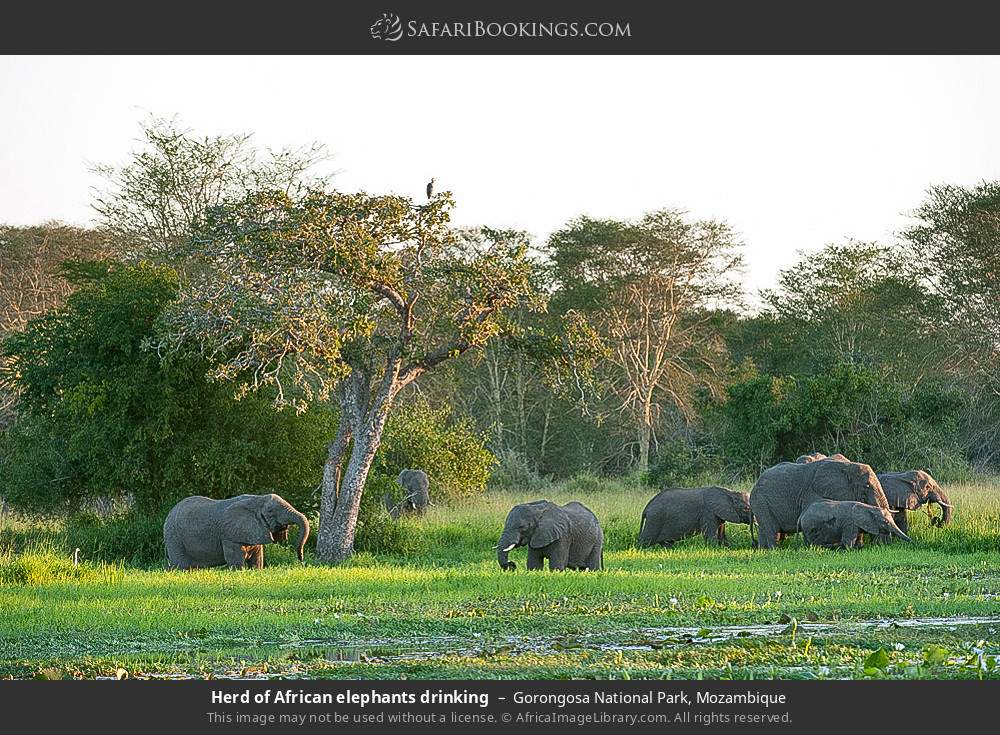
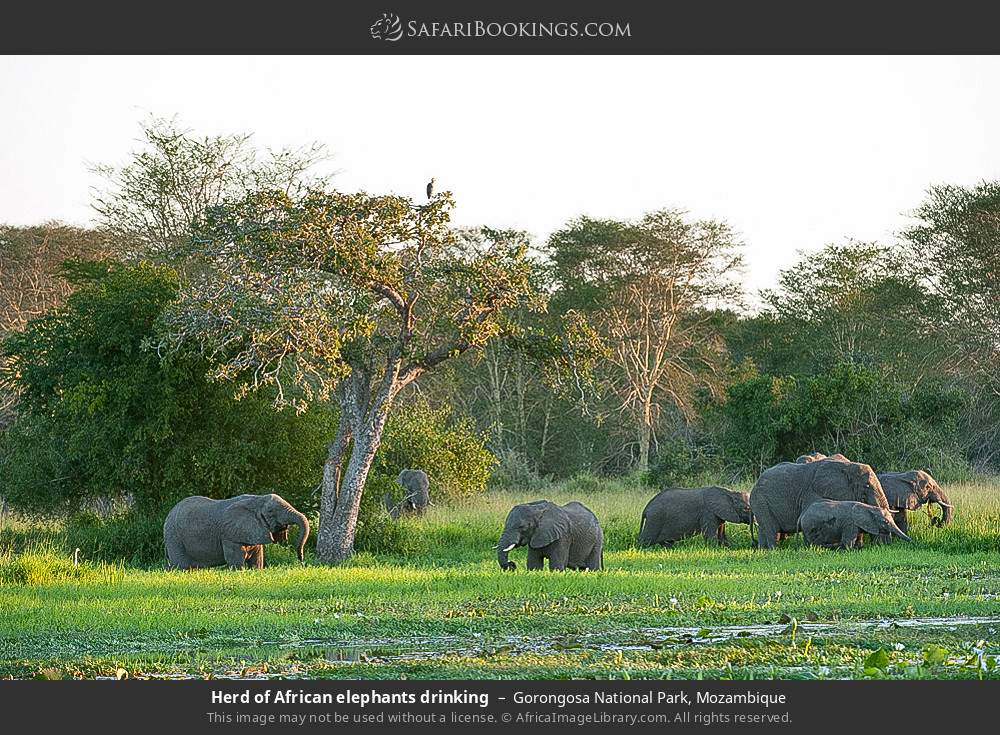
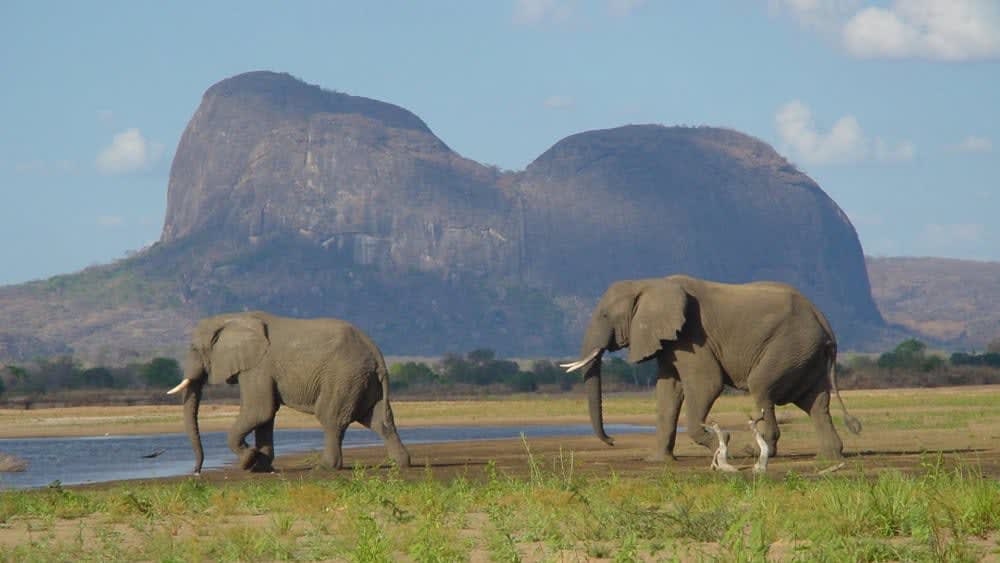
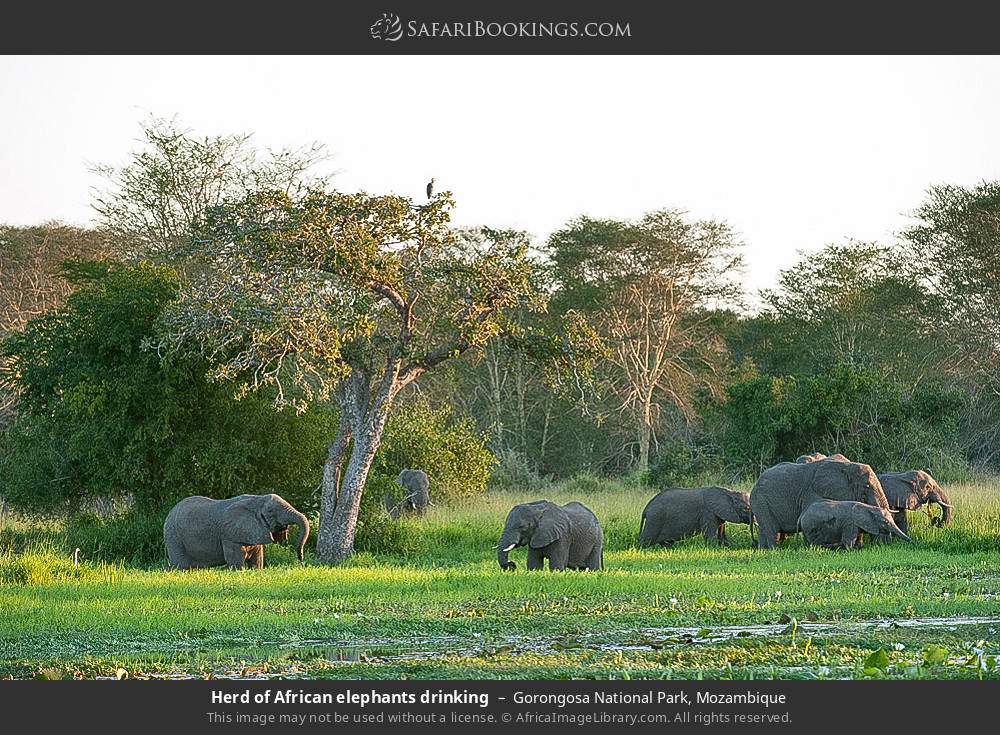
Gorongosa hosts lions, African elephants, buffalo, zebras, greater kudu, sable antelope, waterbuck, hippos, Nile crocodiles, and African wild dogs—populations steadily recovering from the civil war. The park contains over 500 bird species, including the endemic green-headed oriole found only on Mount Gorongosa rainforest slopes. Lake Urema boat safaris offer excellent hippo and crocodile viewing. Wildlife sightings increase through the dry season (July-October) as animals concentrate around water sources.
Most travelers fly into Johannesburg's OR Tambo International Airport (JNB) in <a href="/destinations/south-africa">South Africa</a>, then take a charter flight directly to park airstrips near Chitengo Camp (approximately 2 hours). Alternatively, fly to Beira or Inhambane in Mozambique and drive 3-4 hours via 4WD vehicle to the park (road conditions require dry season travel April-November). International flights from North America/Europe typically connect through Johannesburg. Book charter flights and ground transfers through your safari operator in advance.
Gorongosa can accommodate children, though the park is recommended for travelers 14 and older due to activity intensity and remote location. Children under 12 are not permitted on boat safaris. Walking safaris and some activities may have age restrictions or require additional documents for minors. Family-friendly lodges like Chitengo Camp offer pools and relaxed pacing. Consult your safari operator about child-appropriate activities and any visa requirements for minors before booking.
A minimum of 3-4 days allows time for multiple game drives, walking safaris, and one boat trip on Lake Urema. Five days is recommended to fully experience wildlife viewing, Mount Gorongosa hike, conservation lab visit, and community cultural visits. Seven days enables a comprehensive exploration including coffee plantation tours and remote area access. Longer stays increase wildlife sighting probability and allow deeper immersion in the park's restoration story.
Chitengo Safari Camp, the main hub, offers modern cabanas with air conditioning, restaurants, and swimming pools (open year-round except December-March). Luxury options include Muzimu Lodge and Chicari Camp, both featuring luxury tents on remote pans with excellent wildlife access. Budget travelers can use campsites near Chitengo with hot water showers, fire pits, and covered gazebos ($25-35 per tent nightly, advance reservation required). All accommodations source meals from local communities using fresh, locally-grown ingredients.
Yes—Gorongosa represents Africa's greatest wildlife restoration story, with lions, elephants, and buffalo populations thriving after near-total collapse during the civil war. The park combines exceptional wildlife viewing with meaningful conservation experiences: you can tour the E.O. Wilson Biodiversity Lab, visit community projects, and hike Mount Gorongosa's rainforest. Unlike crowded East African parks, Gorongosa offers pristine, untouched wilderness with exclusive access to remote areas. National Geographic, Time, and Condé Nast Traveler recognize it as one of the world's best destinations.
Guides are required for all game drives and walking safaris. Expert local guides—many from surrounding communities—share detailed knowledge of wildlife behavior, restoration efforts, and park ecology. Guides enhance safety (armed guides accompany walking safaris), increase wildlife sighting probability, and provide irreplaceable context about the park's conservation story. Self-drive is not permitted; all visitors must book guided safari packages through verified operators on SafariFind or directly with Chitengo Camp.
You can compare safari packages, read verified traveler reviews, and book through trusted operators on SafariFind.com. This lets you compare prices, accommodation options, and itineraries from multiple verified safari companies. Alternatively, contact Chitengo Camp directly at safari@gorongosa.net for packages. Most travelers book 4-8 weeks in advance, especially for July-October peak season. SafariFind provides transparent pricing, operator ratings, and booking support to ensure you find the best package for your budget and interests.
More places in Mozambique
© 2026 SafariFind. All rights reserved.
