1 / 4
1 / 4🇪🇹 EthiopiaUNESCO site
Harar
Size
0 km²
Elevation
1,875 m
Ideal stay
Loading SafariFind...
1 / 4Size
0 km²
Elevation
1,875 m
Ideal stay
SafariFind app
Keep up with your inquiries and bookings, and message operators wherever you are.

Established
1520
Nearest airport
Dire Dawa International Airport (DIR), 52 km northwest; Ethiopian Airlines operates daily flights from Addis Ababa. Alternative: Jijiga Airport (JIJ), 100 km east, also served by daily Ethiopian Airlines flights from Addis Ababa
Nearest town: Dire Dawa, 52 km northwest — main regional hub with airport, hotels, and services; Addis Ababa, 510 km west — Ethiopia's capital and primary international gateway
Harar itself has no entrance fee—the walled city is free to explore. A 3-day Harar cultural tour package typically costs $150-250 per person per day including accommodation, local guide, and city tours. Combining Harar with nearby Awash National Park or Babile Elephant Sanctuary adds $50-100 per day. Budget accommodations cost $20-40 per night, while mid-range hotels range from $60-120 per night. Compare verified safari packages on SafariFind.com to find operators offering the best value for your budget.
October to February is ideal, with cool, dry weather (15-20°C) and clear skies perfect for photography and exploring the walled city. The rainy season (July-August) brings muddy streets and reduced visibility, making it less appealing for visitors. Peak season is November to January, when prices are higher but conditions are optimal. For combining city tours with wildlife viewing at nearby Babile Elephant Sanctuary, the dry season (October-February) offers the best game-viewing conditions.
While Harar itself is primarily a cultural destination, the surrounding region offers wildlife viewing. Babile Elephant Sanctuary (25 km away) protects African elephant herds. Awash National Park (300 km via Dire Dawa) features oryx, warthog, hamadryas baboons, and olive baboons. Lakes Adele and Lange near Harar are excellent for birdwatching, with wader species and waterfowl. The region is not a traditional safari destination but offers cultural immersion combined with accessible wildlife experiences.
Fly from Addis Ababa to Dire Dawa International Airport (1.5-hour flight on Ethiopian Airlines), then take a 1-hour taxi drive (52 km) to Harar. Alternatively, fly to Jijiga Airport (100 km east), though Dire Dawa is more convenient. Overland, drive from Addis Ababa (510 km, approximately 8-10 hours) via Adama and Awash National Park on a well-paved road. Most visitors fly to Dire Dawa for time efficiency and comfort.
Yes, Harar is family-friendly for children aged 8 and older. The walled city's walking tours are manageable for school-age children interested in history and culture. However, very young children may find the narrow alleyways and long walks tiring. The hyena feeding experience at dusk is typically suitable for ages 12+. Family-friendly mid-range hotels are available in Harar. Combine Harar with the nearby Babile Elephant Sanctuary for child-friendly wildlife viewing, though ensure children have malaria prophylaxis given the region's malaria risk.
Three days is the recommended minimum: one full day for exploring the walled medina and visiting mosques, one day for the Arthur Rimbaud Museum and market shopping, and one day for nearby attractions like Babile Elephant Sanctuary or the hyena feeding experience. A 4-5 day itinerary allows time to combine Harar with Awash National Park or Rift Valley lakes. One day is insufficient to experience the city's depth; two days is the bare minimum for rushed visitors.
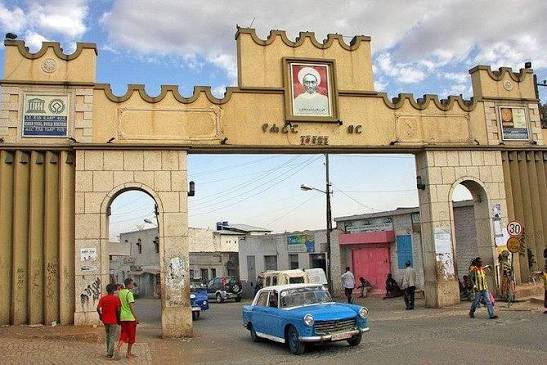
Mid-range hotels near the walled city offer the best location, including properties with views over the medina. Budget options ($20-40/night) are available but often have basic amenities. Mid-range hotels ($60-120/night) offer better comfort and are within walking distance of the Harar Gate. Few lodges exist inside the walled city itself; most accommodations are in the modern town adjacent to Jugol. For luxury travelers, Dire Dawa (52 km away) has higher-end options, though staying in Harar itself is recommended to experience the city's evening and early-morning atmosphere.
Yes, Harar offers a unique cultural experience unavailable elsewhere in Africa. As Islam's fourth-holiest city with 82 mosques in just 48 hectares—the world's highest concentration—it provides unparalleled Islamic heritage. The walled medina preserves 10th-century architecture and living Harari culture, with the Harari language still spoken officially. Unlike typical African safaris, Harar combines history, spirituality, and authentic cultural immersion. The hyena feeding tradition, traditional markets, and Arthur Rimbaud Museum add depth. It's best visited as part of a broader Ethiopia itinerary combining Addis Ababa, Lalibela, and Awash National Park.
A local guide is highly recommended and typically essential for understanding Harar's complex history, Islamic significance, and cultural protocols. Guides (available at hotels or through tour operators) cost $15-25 per day and provide context that transforms a visit from sightseeing to cultural understanding. They navigate the medina's confusing alleyways, facilitate mosque access, and arrange experiences like hyena feeding. Self-guided walking is possible in the main market areas, but you'll miss historical details and may have difficulty accessing mosques without a guide's connections. Most visitors book guides through their accommodation or via SafariFind-verified operators.
You can compare safari packages, read verified traveler reviews, and book through trusted operators on SafariFind.com. This marketplace connects you with experienced Ethiopia tour operators offering Harar city tours, combined cultural-wildlife itineraries, and multi-day packages. SafariFind allows you to compare prices across operators, read genuine customer feedback, and customize your itinerary before booking. Most packages include accommodation, local guides, meals, and transportation from Dire Dawa. Booking through SafariFind ensures you're working with vetted, reliable operators rather than unverified local contacts.
More places in Ethiopia
© 2026 SafariFind. All rights reserved.

 Ask about this