How much does it cost to visit Kaokoland?
Kaokoland has no single regional entrance fee or standard daily rate because it is not one national park. Costs depend on whether you choose a guided camping trip, lodge safari or fly-in itinerary; request current quotes and compare inclusions before booking.
What is the best time to visit Kaokoland?
May to October is usually the best time to visit Kaokoland because dry weather improves access and wildlife viewing. April to July is a strong period around the Kunene River, while July to September brings the highest demand and April to June or October can be quieter.
What wildlife can you see at Kaokoland?
Kaokoland supports desert-adapted elephants, desert-adapted lions, black rhinos, giraffes, brown hyenas, springbok and ostriches. Crocodiles and concentrated birdlife occur along the Kunene River, but Kaokoland is not a conventional Big Five park and sightings are unpredictable.
How do you get to Kaokoland?
Travelers reach Kaokoland by guided 4x4 from southern gateways such as Sesfontein or by charter flight from Windhoek into remote camps. Public transport is unavailable, and road journeys require careful planning because routes are rough, remote and poorly signposted.
Is Kaokoland good for families with children?
Kaokoland can suit families with older children who manage long drives, heat and basic camp conditions, but it is less suitable for young children on demanding 4x4 routes. Check each camp's age policy and choose a lodge or fly-in itinerary with shorter transfers and guided activities.
How many days do you need at Kaokoland?
Allow at least three days for a useful Kaokoland visit, including wildlife tracking, cultural activities and landscape drives. Five to seven days gives travelers more time for remote river valleys, Himba visits, waterfalls and weather-related travel delays.
Where should I stay at Kaokoland?
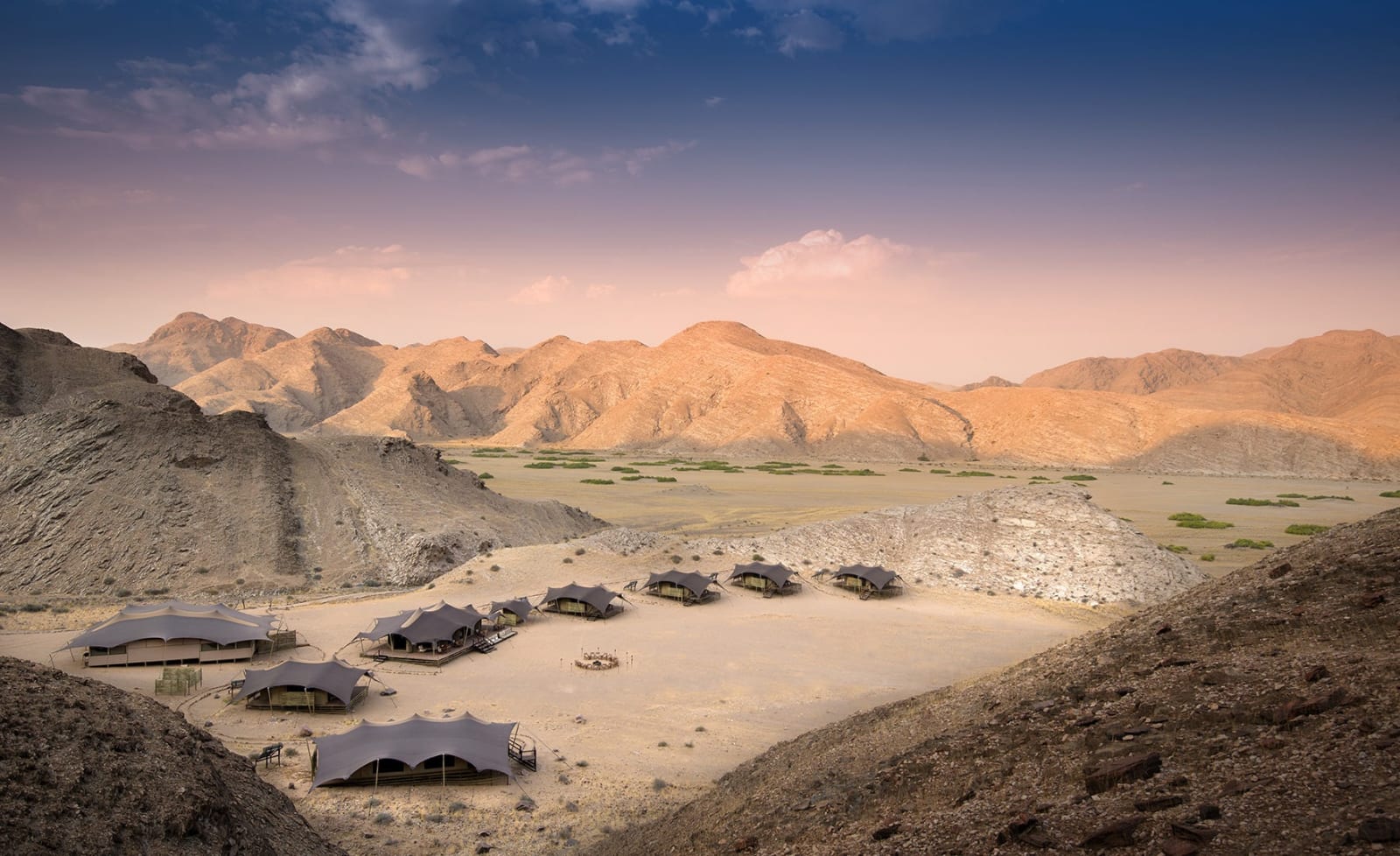
Accommodation includes remote tented camps, mobile wilderness camps, lodge-style camps and basic guided camping sites. Hoanib and Kunene-area camps suit wildlife and river experiences, while Epupa-area stays are convenient for waterfalls and Himba cultural activities.
Is Kaokoland worth visiting?
Kaokoland is worth visiting for travelers who value remote desert landscapes, low visitor density, desert-adapted wildlife and Himba cultural experiences. It requires more planning than Etosha and offers fewer predictable waterhole sightings, but its wilderness setting and specialist tracking make it distinct.
Do I need a guide at Kaokoland?
An experienced guide is strongly recommended because routes are rough, poorly signposted and remote, and some passes require advanced 4x4 skills. Self-drive is possible for well-prepared travelers with suitable vehicles, supplies, recovery equipment, communication gear and convoy support.
How do I book a safari to Kaokoland?
You can compare safari packages, read verified traveler reviews, and book through trusted operators on SafariFind.com. This lets you compare prices and find the best itinerary for your budget and interests.
 1 / 3
1 / 3