Kilimanjaro National Park: A Comprehensive Travel Guide
Overview & Location
Kilimanjaro National Park stands as one of Africa's most iconic natural destinations, protecting the continent's highest peak and largest free-standing volcanic mass. Established in 1973 and designated a UNESCO World Heritage Site in 1987, the park encompasses 1,688 square kilometers of pristine wilderness in Tanzania's northern region.
Located approximately 300 kilometers south of the equator in the Kilimanjaro Region, the park sits near the city of Moshi and is easily accessible from Arusha. The park's coordinates are 3°04'S 37°22'E, placing it at the heart of Tanzania's northern safari circuit.
The Mountain Itself
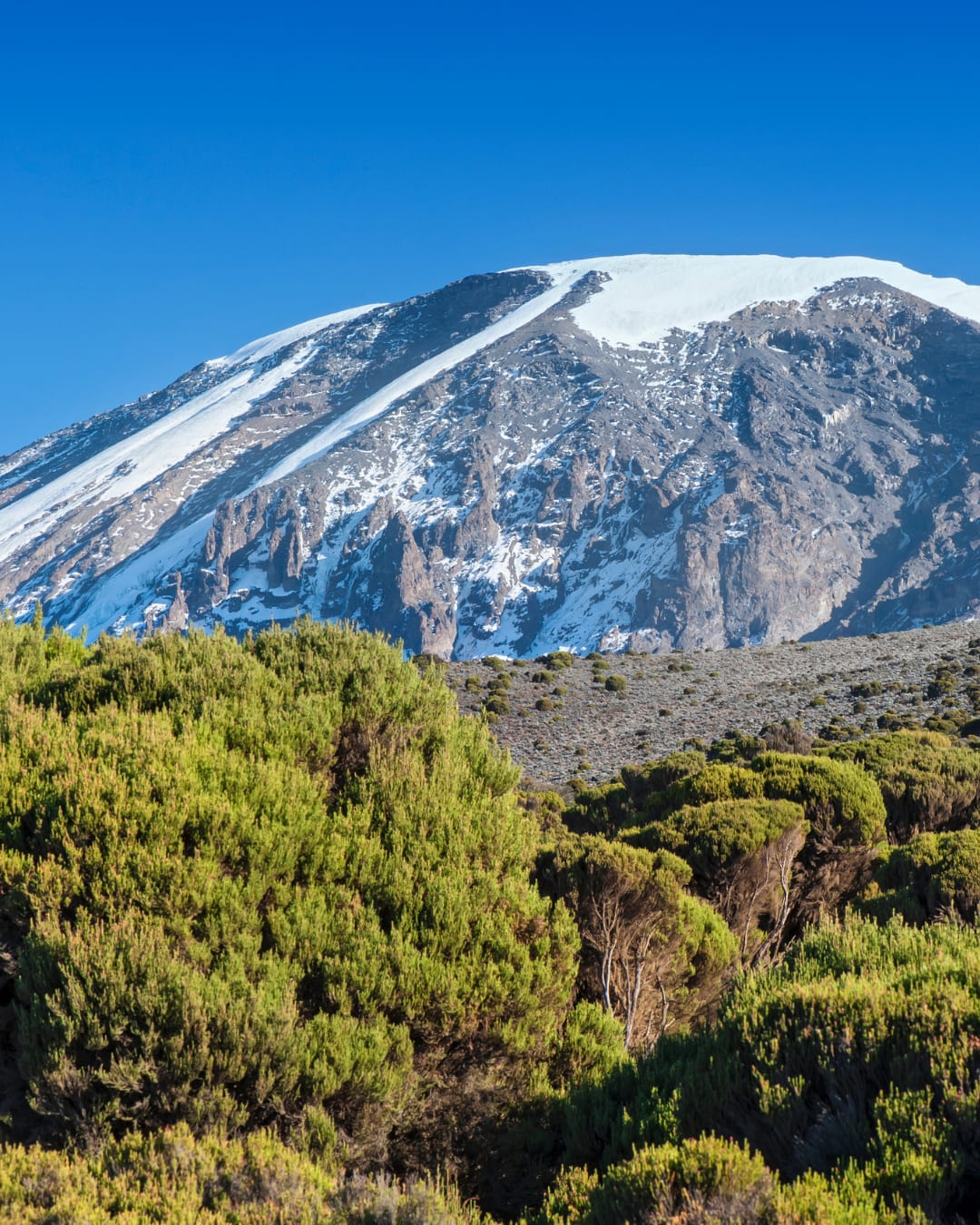
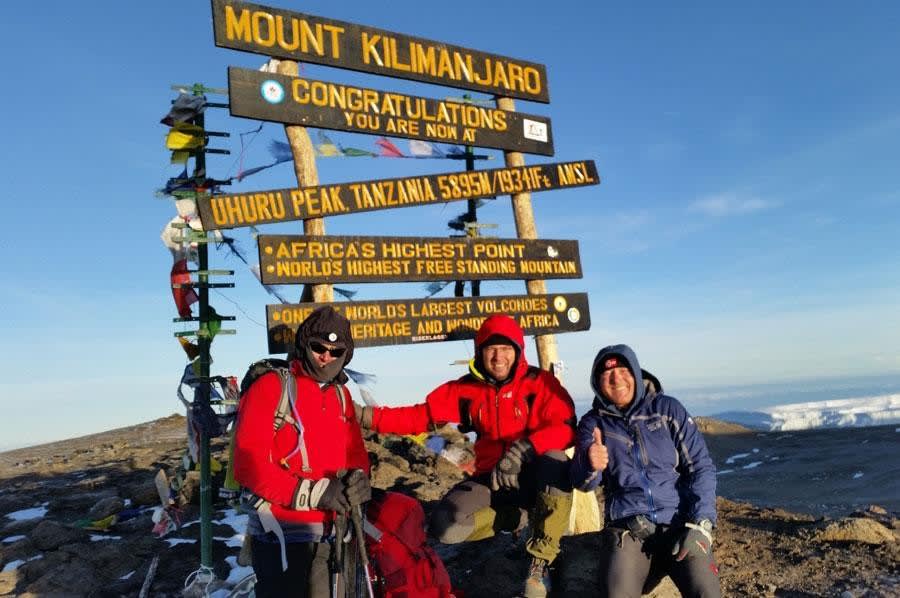
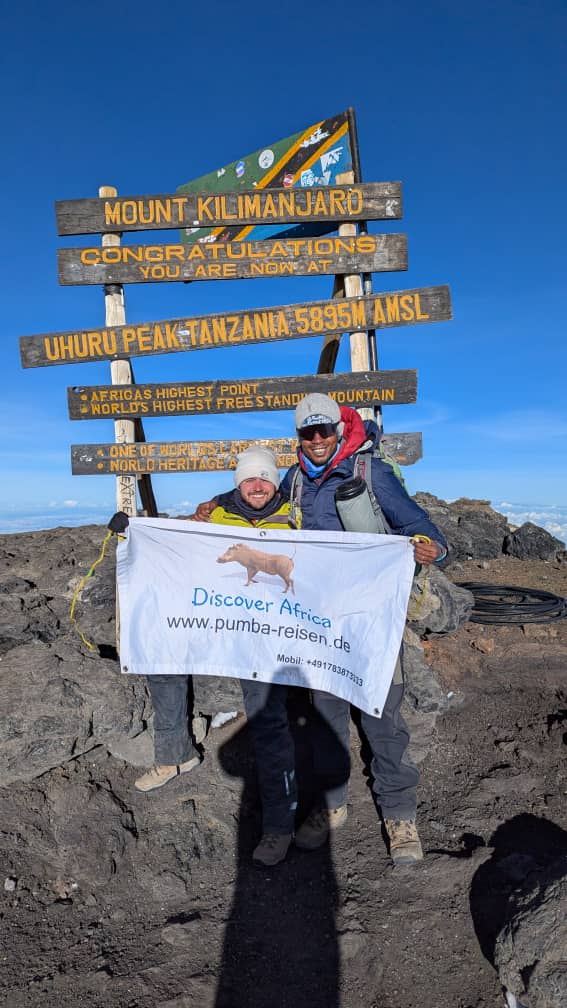
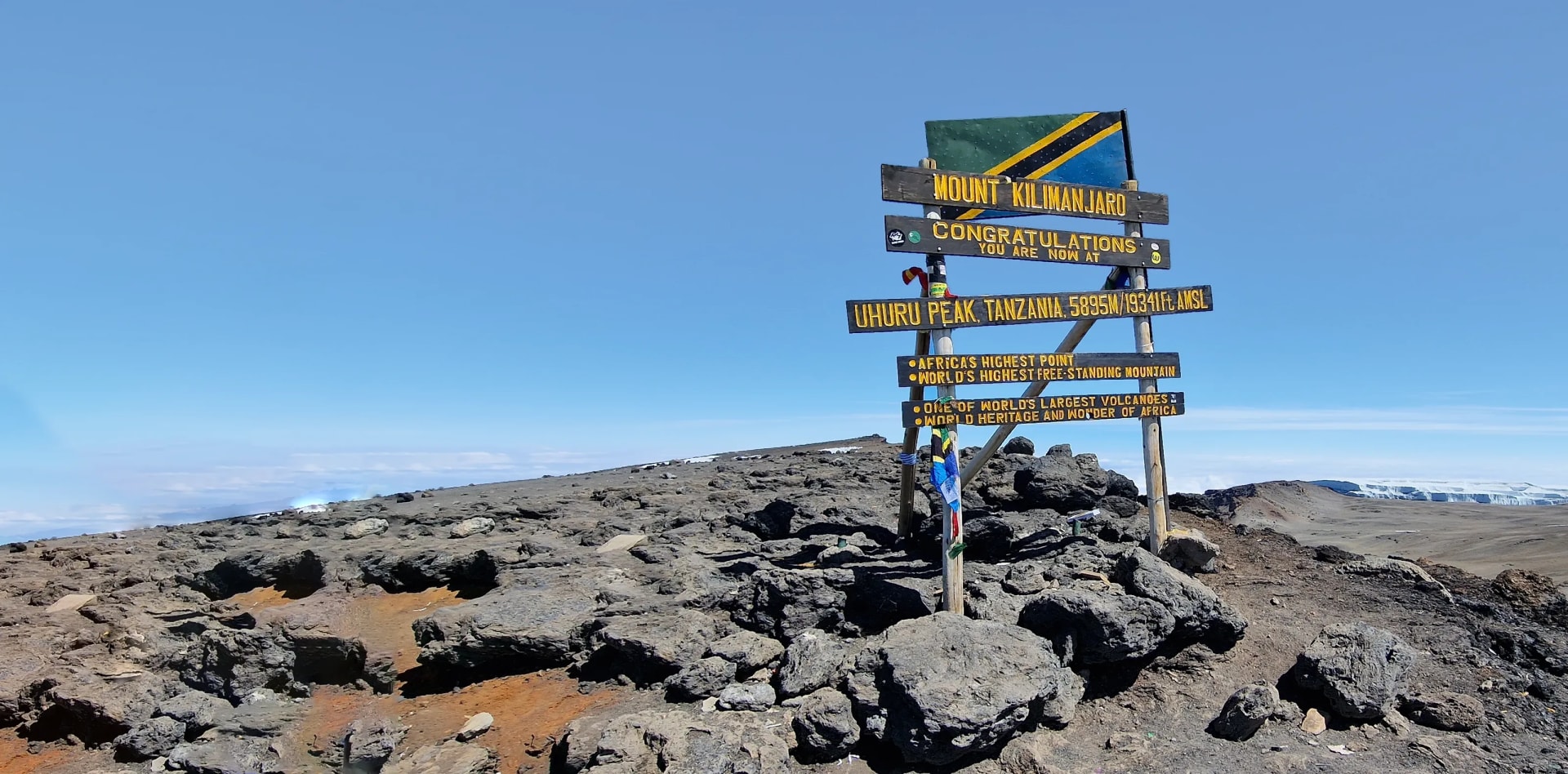
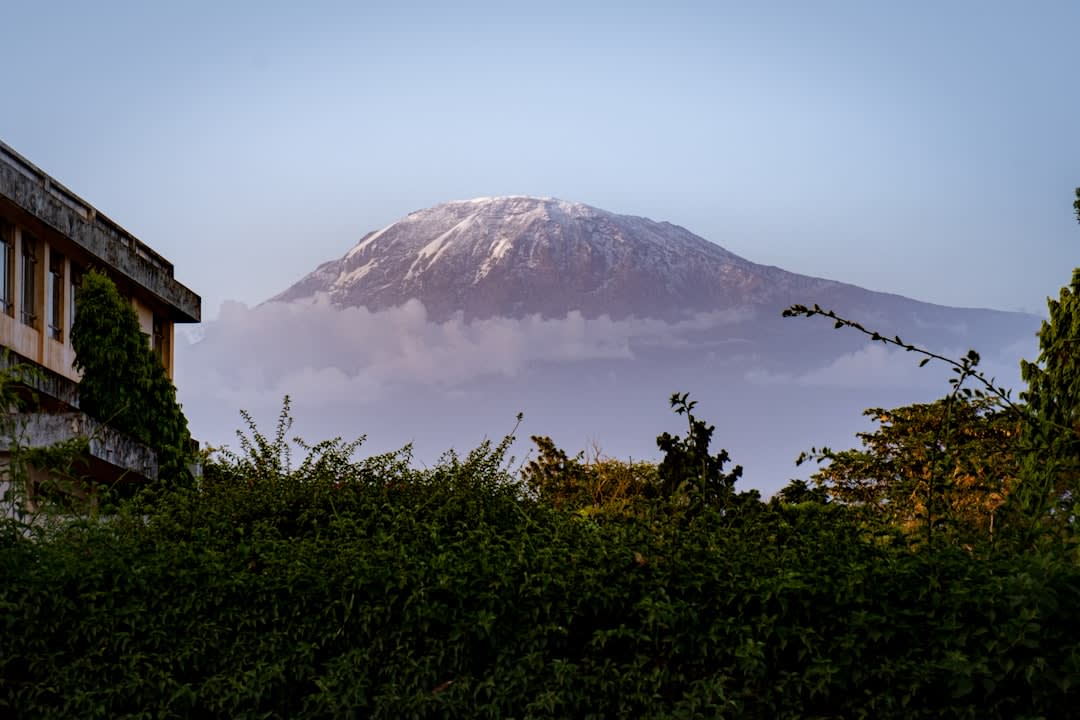
Mount Kilimanjaro rises 5,895 meters (19,341 feet) above sea level, towering 4,877 meters above the surrounding plains in complete isolation. This superlative natural phenomenon features three prominent volcanic peaks: Kibo, Mawenzi, and Shira. The snow-capped summit creates a spectacular visual landmark visible across the surrounding savannah, making it instantly recognizable worldwide.
Wildlife & Natural Features
Diverse Ecosystems
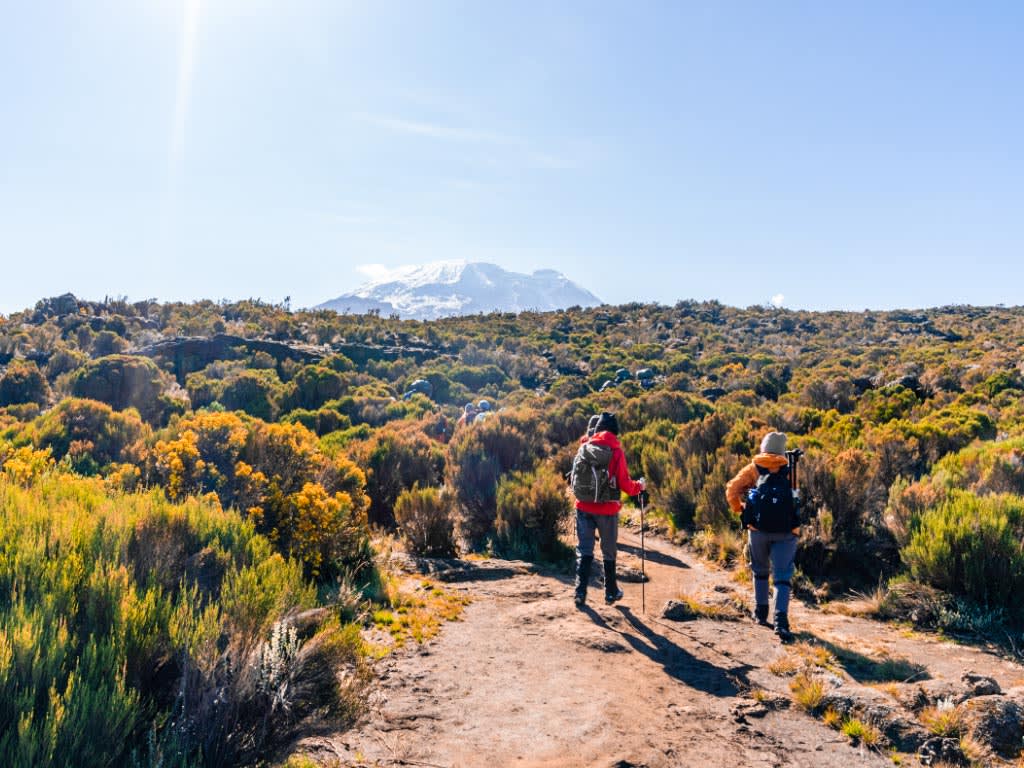
One of Kilimanjaro's most remarkable characteristics is its incredible ecological diversity. The park protects multiple distinct ecosystems within a single ascent, ranging from tropical rainforests at lower elevations to alpine moorlands, glaciers, and arctic desert conditions at the summit. This variety allows visitors to experience dramatically different environments during a single trek.
The park includes the entire mountain above the tree line (approximately 2,700 meters) and extends downward to encompass the montane forest belt above 1,820 meters. This comprehensive protection ensures the preservation of complete ecological zones.
Wildlife Viewing
While Kilimanjaro is primarily known for mountaineering rather than traditional safari experiences, the park's forested regions support various wildlife species. The surrounding regions of Tanzania, including the adjacent Serengeti National Park and Maasai Mara, are renowned for the Big Five (Cape buffalo, elephants, leopards, lions, and rhinoceros), making the area excellent for multi-destination adventures combining mountain climbing with wildlife safaris.
Flora & Vegetation Zones
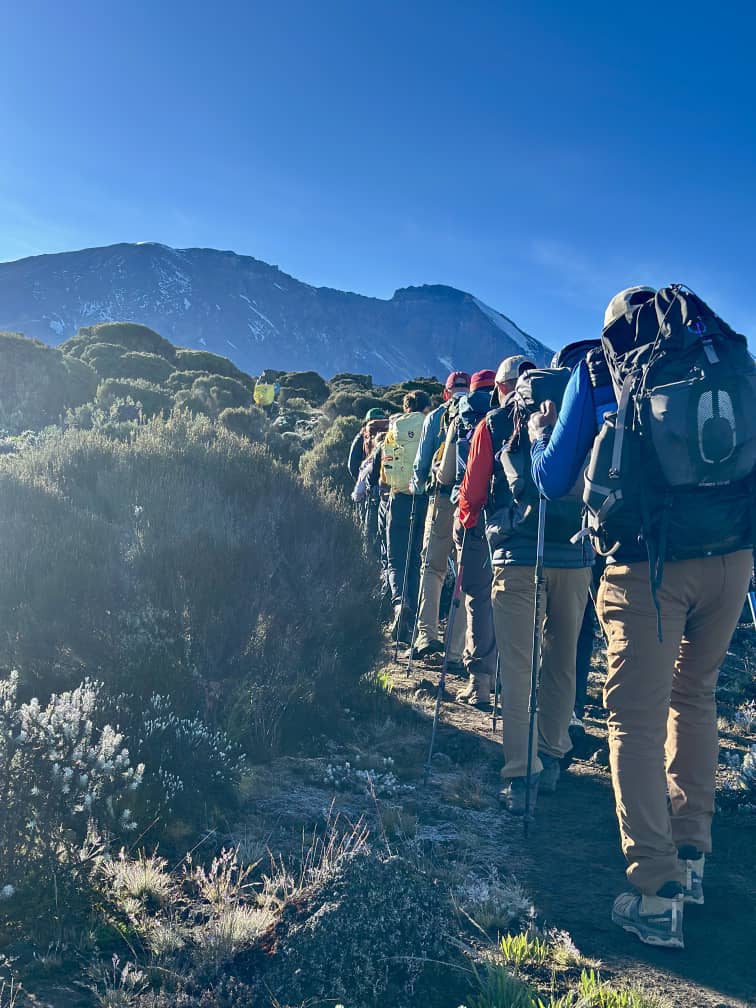
The park's montane forest belt features lush vegetation that transitions through distinct altitude zones. As elevation increases, visitors encounter alpine moorlands with unique high-altitude vegetation, followed by barren volcanic terrain and permanent glaciers near the summit. This progression of ecosystems provides extraordinary botanical diversity.
Best Time to Visit
The optimal climbing seasons align with Tanzania's dry periods. The primary climbing season runs from June through October, when weather conditions are most stable and visibility is excellent. This period offers the best chances for successful summit attempts with minimal precipitation.
A secondary climbing season occurs from January through February, during Tanzania's short dry season. While slightly less popular, this period provides acceptable climbing conditions with fewer crowds on the mountain.
The rainy seasons (November-December and March-May) present challenging conditions with reduced visibility, muddy trails, and increased risk of altitude sickness. Most experienced guides recommend avoiding these months for climbing attempts.
Activities & Experiences
Mountain Trekking & Climbing
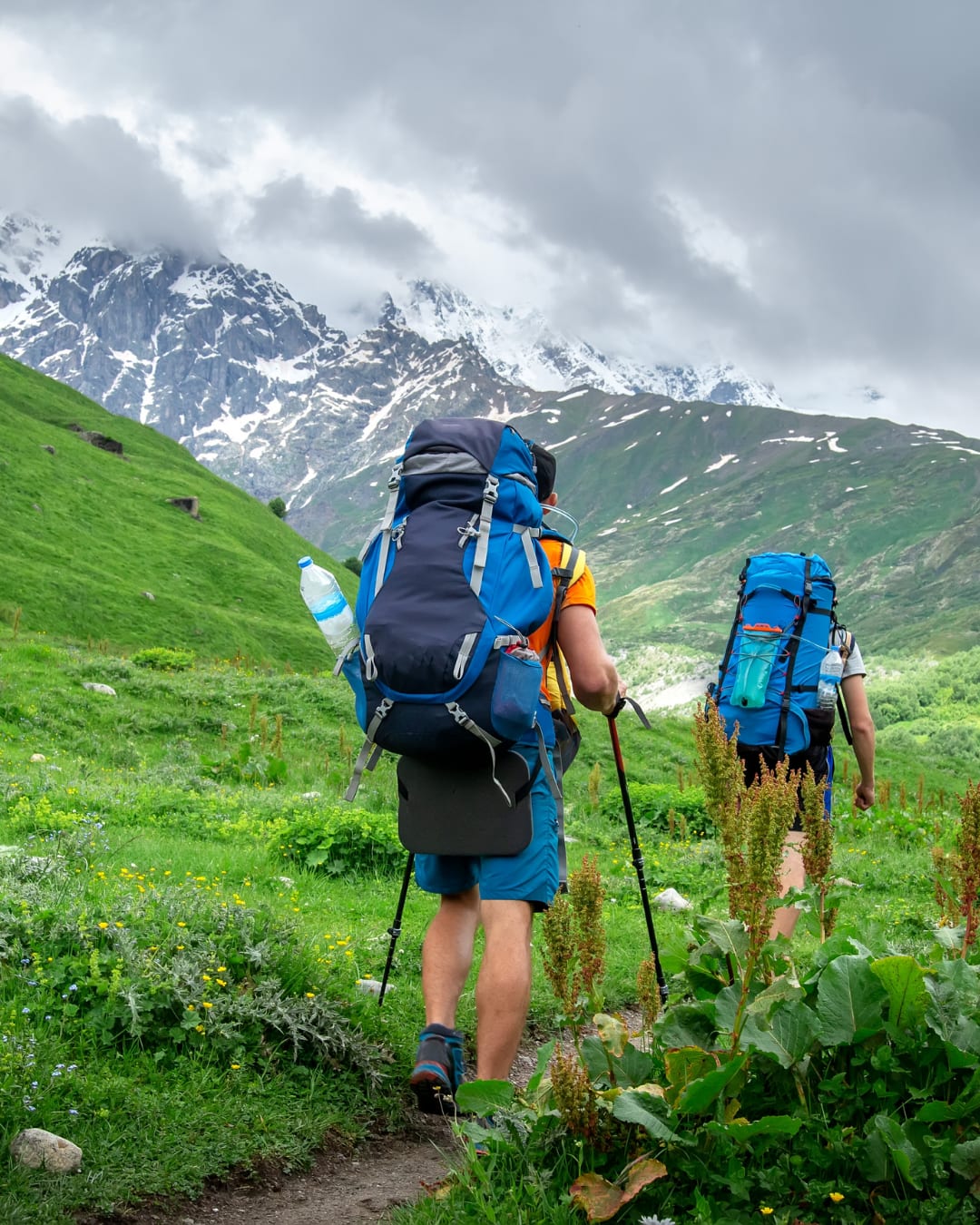
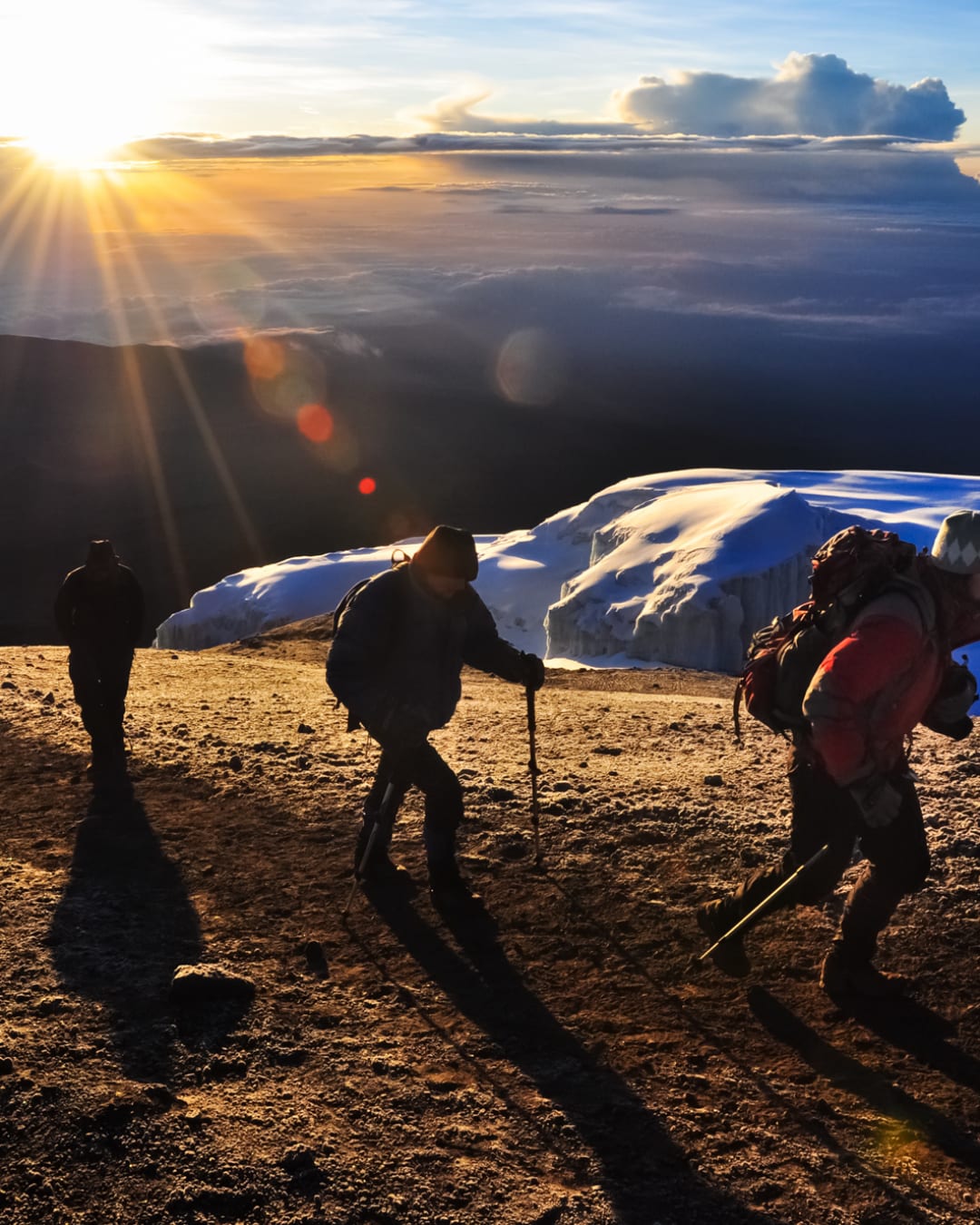
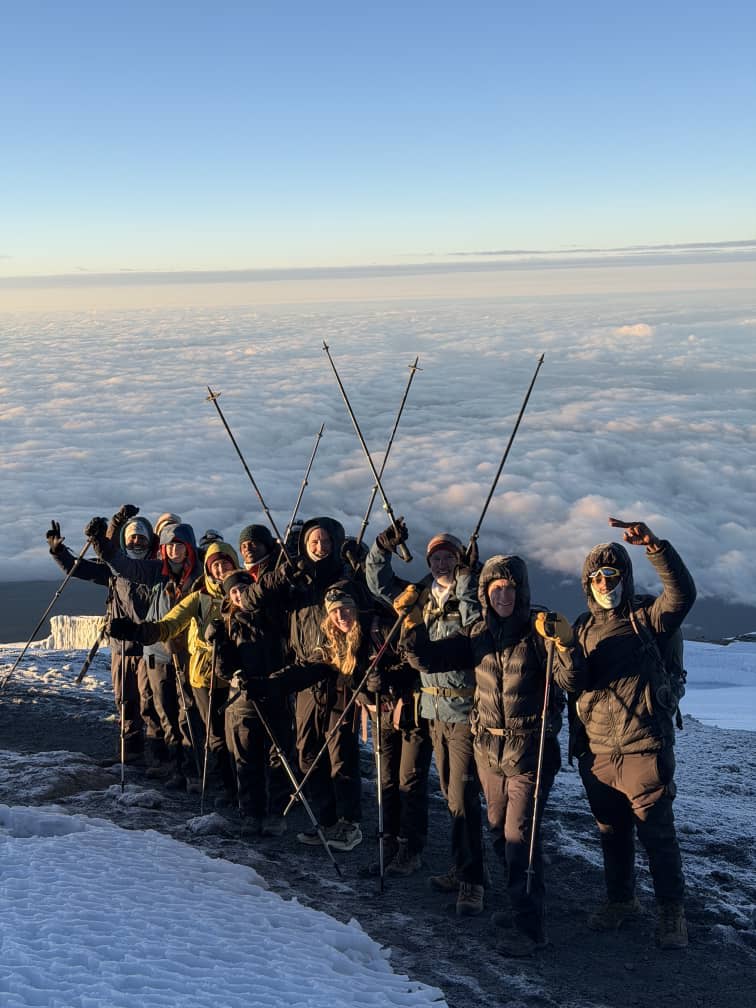
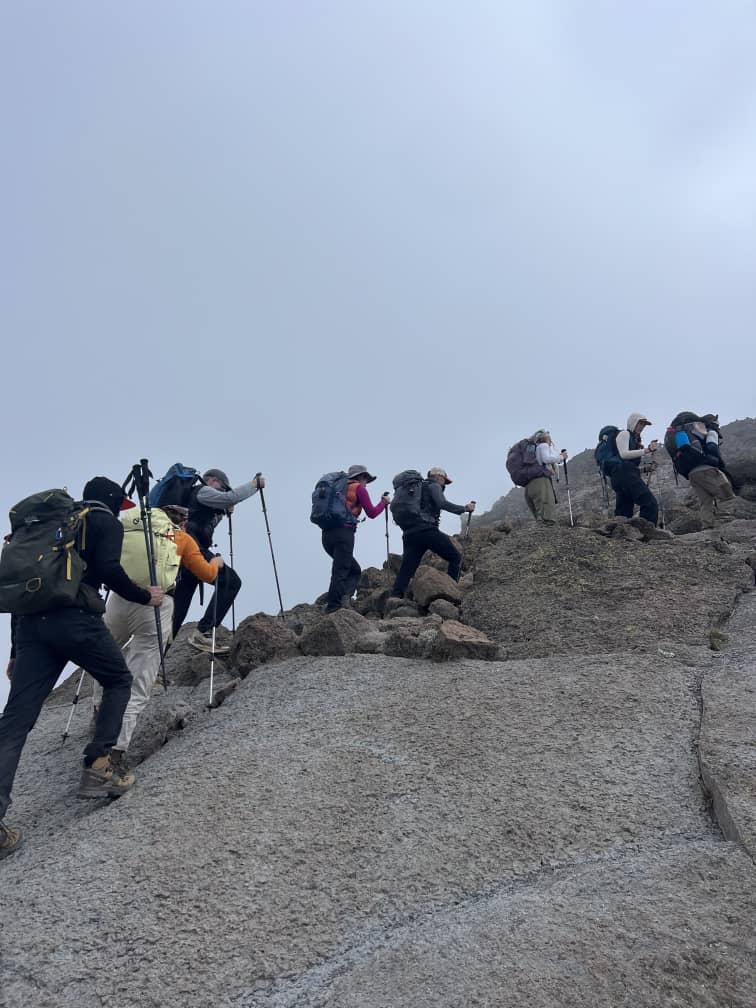
The primary activity at Kilimanjaro National Park is trekking to Uhuru Peak, the mountain's highest point. Multiple established routes accommodate different experience levels and preferences, ranging from 5 to 8-day expeditions. Each route offers distinct perspectives of the mountain's ecosystems and varying difficulty levels.
Trekkers experience a progressive altitude challenge, allowing for acclimatization while ascending through diverse environmental zones. The trek attracts adventure seekers from around the globe, with approximately 52,000 annual visitors attempting the climb.
Cultural Experiences
The park sits within the territory of the Chagga people, who have inhabited the Kilimanjaro region for centuries. Visitors can engage with local Chagga culture, learning about traditional practices and the mountain's cultural significance. Many tour operators incorporate cultural visits into climbing itineraries.
Nature & Photography
Beyond mountaineering, the park offers exceptional opportunities for nature photography and hiking at lower elevations. The dramatic landscape, diverse vegetation zones, and iconic snow-capped peak provide endless photographic subjects. Day hikes through the montane forest offer accessible ways to experience the park's natural beauty without committing to a full summit attempt.
Getting There
Air Access
Kilimanjaro International Airport (JRO) near Arusha serves as the primary international gateway, located approximately 50 kilometers from the park. Major airlines operate regular flights from European capitals and other African hubs. Alternatively, visitors can fly into Dar es Salaam's Julius Nyerere International Airport and travel overland (approximately 5-6 hours) to reach the park.
Ground Transportation
The nearest town, Moshi, lies approximately 50 kilometers from the park entrance and serves as a logistical hub for climbing expeditions. Arusha, another major town, sits about 80 kilometers away and offers additional accommodation and services. Reputable tour operators in both towns arrange transportation to park gates and manage climbing logistics.
Park Entrance Gates
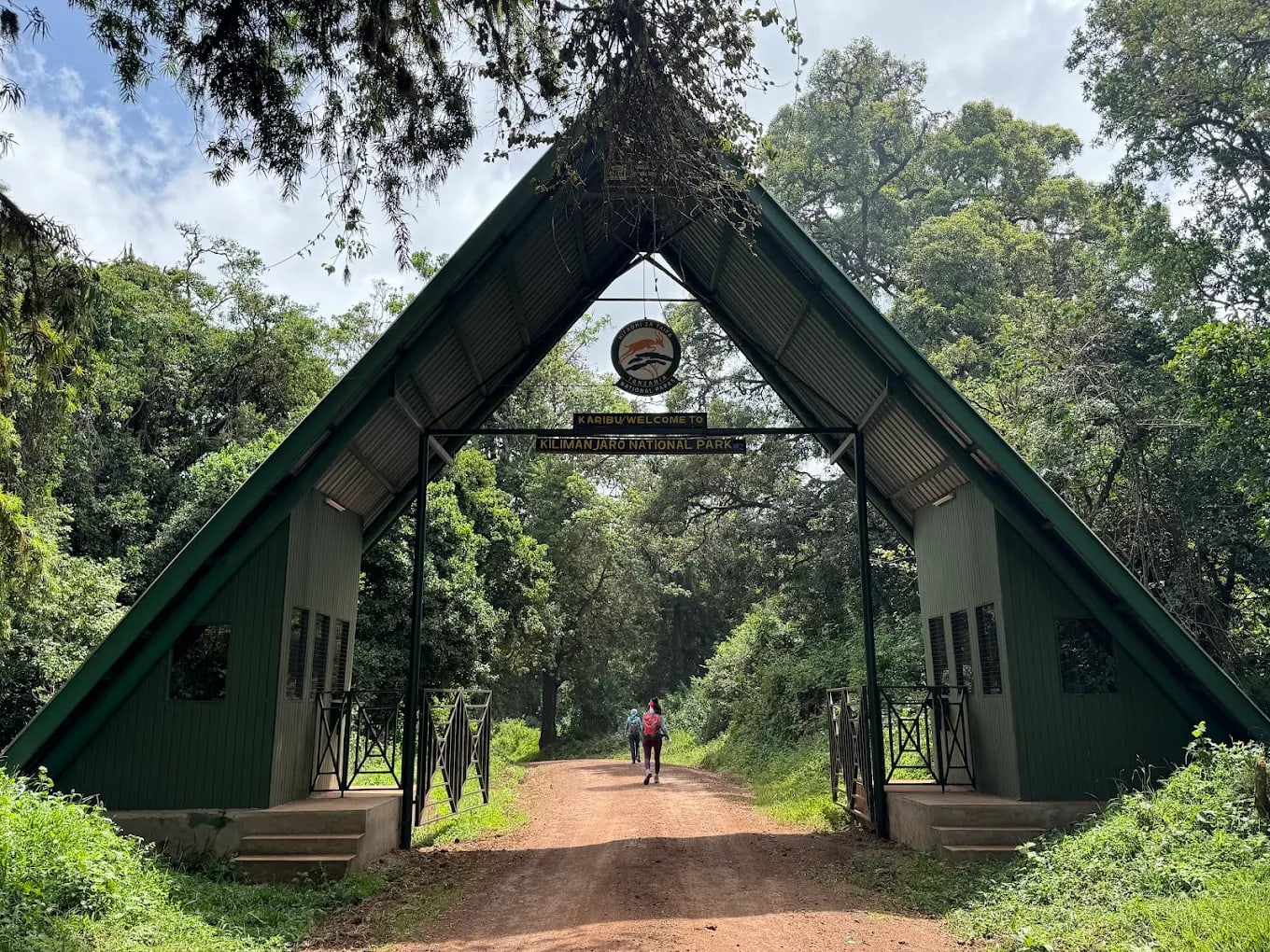
The park features multiple entrance gates serving different climbing routes, with Marangu Gate being the most accessible and popular entry point. Each gate provides different trekking experiences and varying crowd levels.
Practical Information
Park Administration & Management
Kilimanjaro National Park is administered by the Tanzania National Parks Authority (TANAPA), which implements comprehensive management plans focused on maintaining the property's aesthetic and natural integrity. The park maintains ranger presence for surveillance and environmental protection.
Climbing Preparations
Successful Kilimanjaro climbs require proper preparation including physical conditioning, appropriate gear, and acclimatization strategies. Altitude sickness is a significant concern, and climbers should allow sufficient time for acclimatization at each elevation level.
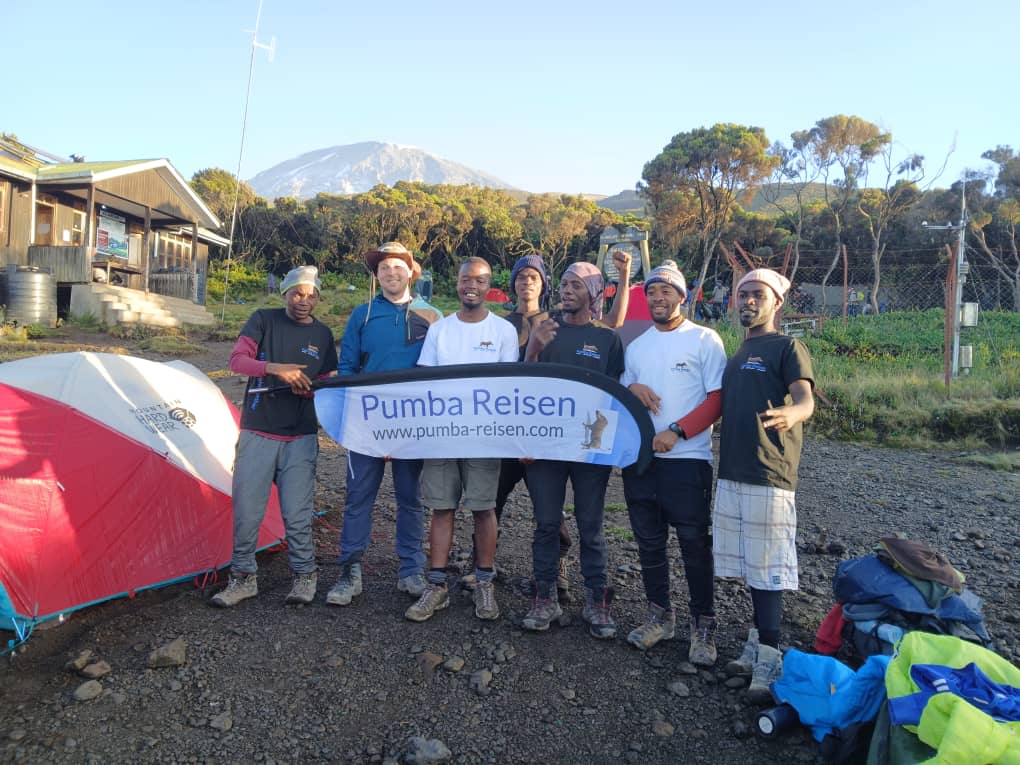
Essential gear includes layered clothing (temperatures drop to below freezing at the summit), sturdy hiking boots, sleeping bags rated for extreme cold, and high-altitude camping equipment. Most climbers hire experienced local guides and porters through established operators.
Health & Safety Considerations
Visitors should consult healthcare providers regarding altitude sickness prevention and obtain necessary vaccinations for Tanzania. Travel insurance covering high-altitude mountaineering is strongly recommended. The park's effective ranger presence and established infrastructure support visitor safety throughout climbing expeditions.
Visitor Information
The park welcomes approximately 52,000 visitors annually, with climbing permits required for all mountaineering attempts. Booking through authorized tour operators ensures compliance with park regulations and access to qualified guides. Most climbing packages range from 5 to 8 days, with costs varying based on route selection and service level.
Best Practices for Visitors
Responsible tourism is essential for preserving Kilimanjaro's natural integrity. Visitors should follow Leave No Trace principles, respect porter welfare standards, and support operators committed to sustainable practices. Engaging respectfully with local Chagga communities enriches the climbing experience while supporting regional economic development.
Kilimanjaro National Park represents a unique opportunity to experience Africa's highest peak within a comprehensively protected ecosystem. Whether attempting the summit or exploring lower elevations, visitors discover an extraordinary natural phenomenon that justifies its status as a UNESCO World Heritage Site and one of the world's most iconic mountain destinations.