 1 / 5
1 / 5🇿🇦 South Africa
Kruger National Park
Size
19,623 km²
Elevation
250 m
Entry fee
Loading SafariFind...
1 / 5Size
19,623 km²
Elevation
250 m
Entry fee
SafariFind app
Keep up with your inquiries and bookings, and message operators wherever you are.

$65
Ideal stay
3 days
Established
1898
Nearest airport
O.R. Tambo International Airport, Johannesburg
Nearest town: Hoedspruit (north), Skukuza (central), Nelspruit (west)
 4 daysPrivate
 Go Safari
 10 daysPrivate
 Africa Incoming10 daysPrivateAfrica Incoming
 7 daysPrivateAfrica Incoming7 daysPrivateAfrica Incoming
 4 daysPrivate
 Endless Summer Safari & Tours
  6 daysPrivate
 Victoria Falls Serious Fun Travel
 6 daysGroup JoiningVictoria Falls Serious Fun Travel
 6 daysPrivateVictoria Falls Serious Fun Travel
 4 daysGroup JoiningVictoria Falls Serious Fun Travel
 4 daysGroup JoiningVictoria Falls Serious Fun Travel
 4 daysGroup JoiningVictoria Falls Serious Fun Travel
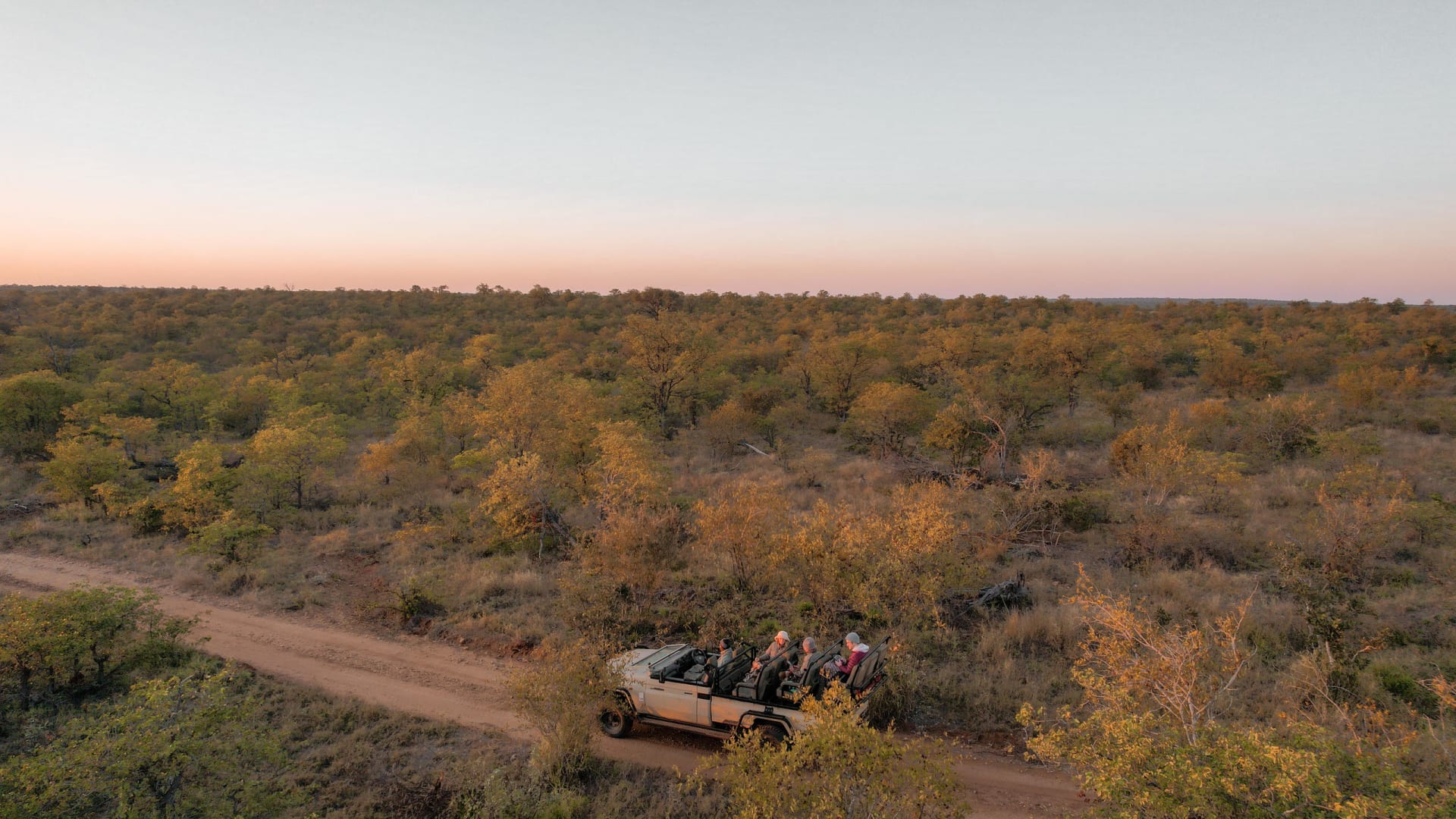
The Big Five (lion, leopard, elephant, buffalo, and rhino) are all present in Kruger. Early morning and late afternoon game drives offer the best viewing opportunities when animals are most active. Hiring an experienced guide significantly increases sighting chances, as they understand animal behavior and know prime locations. The dry season (May-September) provides superior visibility due to sparse vegetation.
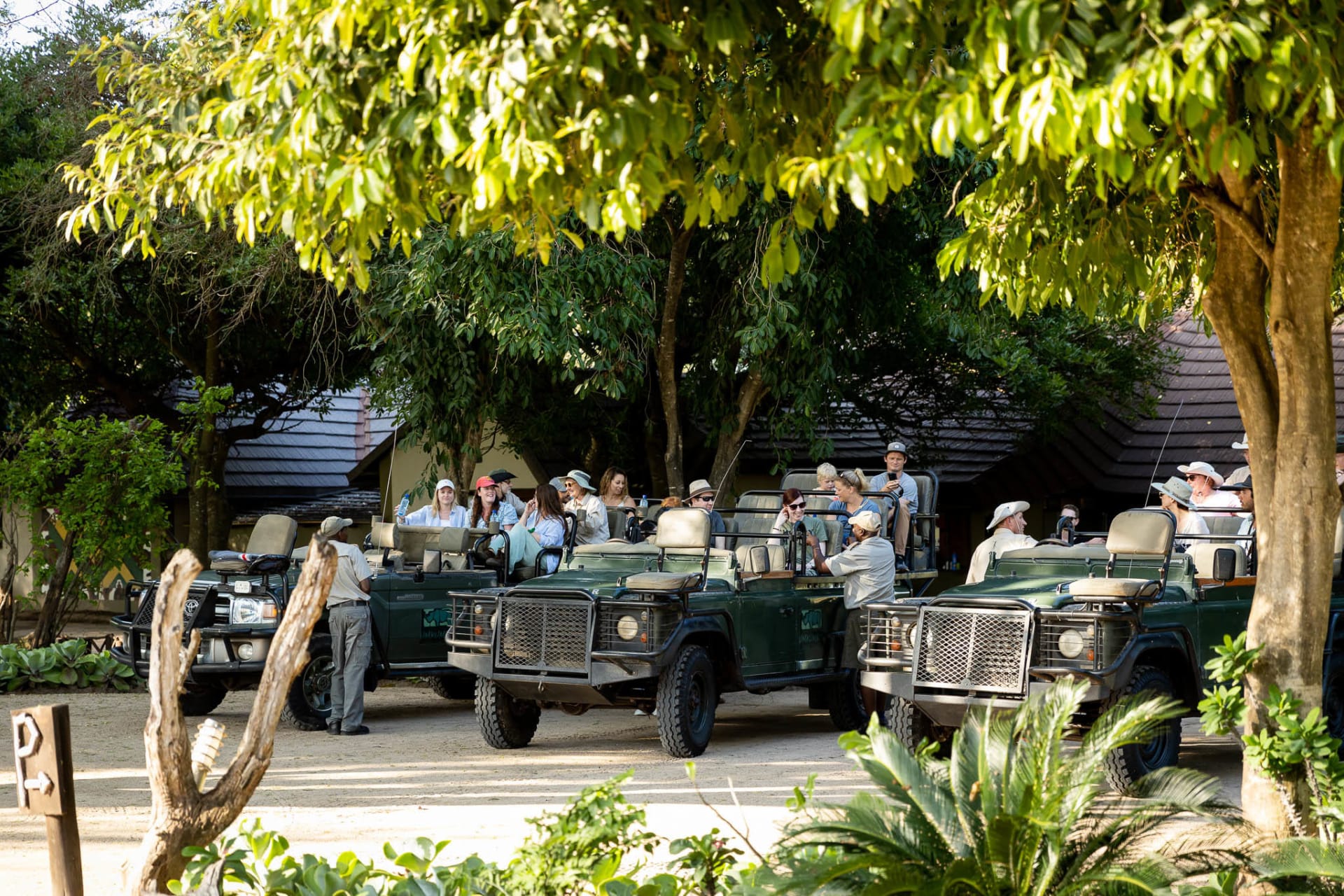
A standard vehicle is sufficient for most main roads throughout the park. However, a 4x4 is beneficial for accessing remote areas and secondary roads, especially during the rainy season. Alternatively, you can join organized game drives with professional guides who provide vehicles and expertise, eliminating the need for self-driving.
Yes, malaria is present in certain areas of Kruger, particularly in lower-altitude regions. Consult your doctor before traveling and consider antimalarial medication. Use insect repellent, wear long sleeves during dawn and dusk, and sleep under mosquito nets. The risk varies by season and specific location within the park.
A minimum of 2-3 days allows basic wildlife viewing and Big Five encounters. However, 4-5 days is recommended for a comprehensive experience, enabling exploration of different park regions and increased animal sightings. Longer stays (7+ days) provide deeper immersion into the ecosystem and greater chances of observing rare species.
The entrance fee provides access to the park and its road network for game drives. It does not include guided tours, accommodation, meals, or activities at private lodges. Additional fees apply for guided bush walks, specialized photography safaris, and stays at various camps and lodges within the park.
International visitors pay R535 per adult per day (approximately USD 29) for park entry fees. Accommodation ranges from R830 per night for self-catering cabins to R3,976 for lodge double rooms to R11,229 for luxury private concession lodges. Guided game drives cost around R3,940 per vehicle for up to four persons, while 3-hour bush walks are R1,810 per person. Daily costs typically range USD 150-300 per person including accommodation, meals, and activities.
May to September (dry season) offers the best wildlife viewing as animals concentrate around water sources and vegetation is sparse. June to August brings cooler temperatures (15-20°C) and lower humidity. November to March is the wet season with lush landscapes and excellent bird watching but higher prices and challenging road conditions. Peak visitor season is July-August and December-January, while June and September offer excellent wildlife sightings with fewer tourists and lower rates.
Kruger Park is home to all Big Five animals: lions, leopards, elephants, buffalo, and rhinoceros. The park also features over 500 bird species, hippos, giraffes, zebras, impalas, crocodiles, cheetahs, hyenas, and warthogs. Large elephant herds of 50+ are common along river valleys, while leopards are best spotted on night drives. The park supports one of Africa's most diverse wildlife populations with nearly 2 million hectares of habitat.
Fly into Kruger Mpumalanga International Airport (MQP), 60 km from the park's southern gates, or O.R. Tambo International Airport (JNB) in Johannesburg, 500 km away. From Johannesburg, drive 4-6 hours to southern gates or 8-10 hours to northern gates. Charter flights are available to airstrips within the park. Car rental from Johannesburg costs around R285 per day for a sedan. Most visitors fly into Johannesburg and drive or arrange transfers to Kruger.
Yes, Kruger Park is family-friendly with self-drive safaris allowing flexible schedules for children's needs. Many rest camps offer family-friendly accommodation and restaurants. Children enjoy game drives, bush walks, and wildlife viewing from lodge hides. However, children must remain in vehicles except in designated areas, and night drives are best for older children (10+). Families should book lodges with good facilities and plan shorter driving days (2-3 hours) to maintain children's interest.
A minimum of 3 days allows time for multiple game drives and basic Big Five sightings. Four to six days is ideal for comprehensive wildlife viewing, exploring different park regions, and increasing chances of spotting leopards and other elusive species. Longer stays (7+ days) enable visits to remote northern areas and cultural sites like Masorini and Thulamela. Most first-time visitors spend 3-4 days and report wishing they had stayed longer.
Public rest camps operated by SANParks offer budget accommodation (R830-R3,976 per night) with restaurants, shops, and amenities. Private concession lodges within the park provide luxury experiences (R11,229+ per night) with all-inclusive packages. Southern regions (Skukuza, Lower Sabie) offer excellent wildlife viewing and accessibility. Central areas provide balance between wildlife and facilities. Northern areas are wilder and less crowded. Book accommodation 6-12 months in advance during peak season (July-August, December-January).
Yes, Kruger Park is one of the world's premier safari destinations. It offers all Big Five animals, over 500 bird species, and diverse African wildlife in a 19,485 square-kilometer landscape. The park is expertly managed with excellent infrastructure including sealed roads, comfortable rest camps, and professional guides. Unlike many African reserves, Kruger allows self-drive safaris, making it accessible to independent travelers. Most visitors report it exceeds expectations and rate it as a must-do African safari experience.
Self-drive safaris are permitted on designated roads, giving you flexibility and control over your itinerary. However, guided game drives with professional SANParks rangers significantly increase wildlife sightings through expert tracking and knowledge of animal behavior. Night drives—which offer the best leopard and hyena viewing—require official SANParks rangers and cannot be done independently. Most visitors combine self-drive days with 1-2 guided drives for optimal wildlife viewing and learning.
You can compare safari packages, read verified traveler reviews, and book through trusted operators on SafariFind.com. This lets you compare prices, accommodation options, and itineraries from multiple verified safari companies. SafariFind connects you with established operators offering self-drive packages, guided tours, and luxury lodge experiences. You can filter by budget, duration, and preferred activities, then book directly with operators who have proven track records and customer reviews.
© 2026 SafariFind. All rights reserved.
