 1 / 5
1 / 5🇳🇦 Namibia
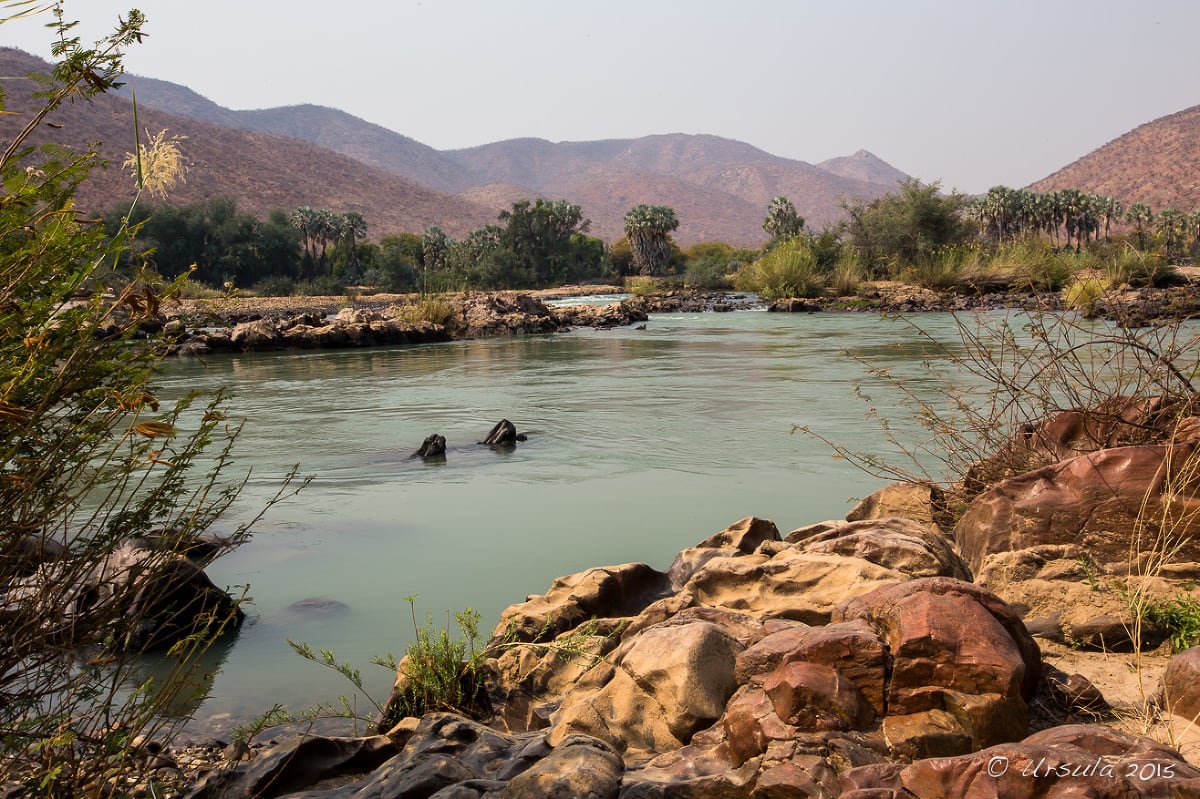
Kunene River
Elevation
1,500 m
Ideal stay
5 days
Nearest airport
Loading SafariFind...
1 / 5Elevation
1,500 m
Ideal stay
5 days
Nearest airport
SafariFind app
Keep up with your inquiries and bookings, and message operators wherever you are.

Nearest town: Opuwo, approximately 150-200 km south — the Kunene region's main settlement serving as a supply point for safari operators, though most visitors access the region exclusively by fly-in safari due to road conditions and remoteness
Daily costs range from $300-$500+ per person depending on accommodation and operator. Fly-in safari camps typically charge $350-$450 per person per day including meals, guides, and activities. Park entry fees are minimal; primary costs are accommodation, internal flights, and guide services. Multi-day packages (4-12 days) through operators like Kunene Conservancy Safaris average $4,000-$8,000 per person including transfers from Windhoek.
April to September (dry season) offers the best conditions with cooler temperatures, accessible roads, and concentrated wildlife around water sources. May to August provides ideal weather (15-25°C) and peak visibility but attracts more visitors and higher prices. April-May and September offer shoulder-season advantages with fewer tourists, good wildlife viewing, and lower rates. December to March (wet season) brings lush vegetation and migratory birds but frequent rainfall makes roads impassable and fly-in camps may have limited operations.
Key species include desert-adapted elephants and lions (extensively researched in the Hoanib watershed), giraffes, brown hyenas, black-backed jackals, and large Nile crocodile populations. Over 250 bird species have been recorded, including the endemic Damara Tern. Marine wildlife at the river mouth includes green turtles (southernmost breeding population), Nile soft-shelled turtles, Benguela dolphins, killer whales, and Cape fur seal colonies. Desert-adapted species reflect the region's extreme environment.
Most international visitors fly into Windhoek Hosea Kutako International Airport (1,000 km south), then charter flights from Windhoek to remote airstrips serving Kunene fly-in camps (2-3 hour flight). Overland access requires experienced guides, capable 4WD vehicles, and several days of driving from Opuwo (150-200 km south), feasible only April-September during dry season. Fly-in access is strongly recommended due to road conditions and remoteness; road-based access requires extensive logistics.
Kunene River safaris suit families with children aged 10+, though younger children are welcome with advance planning. Most fly-in camps offer family accommodations; some have age restrictions (check directly). Activities are adaptable: shorter game drives, cultural visits, and riverside relaxation suit varied ages. Remote location means limited medical facilities—ensure comprehensive travel insurance with evacuation coverage. Family-friendly operators include Kunene Conservancy Safaris, which offers community-based experiences suitable for cultural learning.
Minimum 3-4 days allows exploration of Epupa Falls and basic wildlife viewing; 5-7 days is recommended to experience the region's remote wilderness, cultural encounters, and varied landscapes. Kunene Conservancy Safaris operates 4-12 day tours; longer itineraries (7+ days) justify the fly-in logistics and allow deeper immersion in desert-adapted wildlife research areas and Himba communities. First-time visitors benefit from 5+ days to acclimatize to remoteness and maximize cultural and natural experiences.
Accommodation options include fly-in safari camps (primary access): Epupa Camp on the Kunene River offers nine comfortable safari-style tents with en-suite bathrooms, electricity, and river views; Hoanib Safaris provides desert camps accessing lion and elephant populations. Budget ranges from $300-$500+ per person per night including meals and activities. All camps operate in conjunction with local communities, supporting Himba and conservancy initiatives. Book through verified operators on SafariFind to compare lodge options and read traveler reviews.
Yes, Kunene River offers unique experiences unavailable elsewhere in Namibia: dramatic Epupa Falls (60m cascades), desert-adapted wildlife research opportunities (particularly lions and elephants in extreme environments), authentic Himba cultural encounters maintaining traditional pastoralist lifestyles, and over 250 bird species in pristine wilderness. The region's remoteness and small visitor numbers (2,500 annually) create intimate, undisturbed safari experiences. It suits photographers, conservationists, and cultural enthusiasts seeking Africa's least-visited major safari destinations.
Yes, guides are essential and mandatory in most areas. Fly-in camps include expert guides experienced in desert-adapted wildlife and Himba culture. Self-drive access to northern Kunene requires experienced guides familiar with remote terrain, community protocols, and wildlife safety. Guides provide wildlife identification, cultural context, and navigation in unmarked landscapes. Kunene Conservancy Safaris employs local guides whose expertise and cultural knowledge significantly enhance experiences and support community income.
You can compare safari packages, read verified traveler reviews, and book through trusted operators on SafariFind.com. This platform allows you to compare prices from multiple verified Kunene operators (including Kunene Conservancy Safaris), view detailed itineraries, and access transparent pricing for 4-12 day fly-in safaris. SafariFind helps you find the best value for your budget and interests, with direct booking options and customer support for logistics.
© 2026 SafariFind. All rights reserved.