 1 / 3
1 / 3🇹🇿 TanzaniaUNESCO site
Lemosho Route
Elevation
5,895 m
Entry fee
$82
Ideal stay
8 days
Loading SafariFind...
1 / 3Elevation
5,895 m
Entry fee
$82
Ideal stay
8 days
SafariFind app
Keep up with your inquiries and bookings, and message operators wherever you are.

Established
1981
Nearest airport
Kilimanjaro International Airport (JRO), 85 km southeast; Arusha Airport (ARK), 50 km south. Both offer connections to Londorosi Gate via 2-3 hour road transfer.
Nearest town: Arusha, 50 km south—the primary gateway city for northern Tanzania safaris and Kilimanjaro climbs, with hotels, guides, and outfitters. Moshi, 80 km southeast, is a secondary climbing hub with lower costs.
A guided 7-8 day Lemosho Route climb costs $2,155-$2,700 USD per person, including the $82 park entrance fee, accommodation in tents, all meals, experienced guides, and porters. Budget operators charge $2,155-$2,400; mid-range operators $2,400-$2,550; premium operators with private guides and better food service charge $2,550-$2,700. Multi-day safari extensions (Serengeti, Ngorongoro) add $1,140-$1,800 for 3-4 additional days. Flights from the US to Tanzania add $800-$1,500 roundtrip.
July-September is optimal: dry conditions, clear summit views, cool temperatures (5-15°C at altitude), and 90%+ success rates. January-February offers warmer weather but fewer climbers and lower costs. Avoid April-May and November when afternoon rains soak the rainforest and make trails muddy. December-March is warm but wet. October sees increasing precipitation. Book 3-6 months in advance for July-September departures.
The route passes through zones with blue-and-white colobus monkeys (rainforest Days 2-3), African elephants, leopards, and buffalo in lower elevation forests. Over 150 bird species inhabit the route, including Scarlet-tufted Sunbirds, White-necked Ravens, and Alpine Chats above 4,000m. Higher elevations (above 4,500m) have minimal wildlife due to sparse vegetation. Pre- or post-trek safari extensions to Serengeti or Ngorongoro offer Big Five viewing (lion, leopard, elephant, rhino, buffalo) and over 500 additional bird species.
Fly into Kilimanjaro International Airport (JRO) near Arusha, then drive 85 km (2 hours) on paved road to Londorosi Gate. Alternatively, fly into Arusha Airport (ARK), 50 km away (1.5 hours drive). From Moshi (80 km southeast), the drive is 2.5 hours. All climbers must register at Londorosi Gate with TANPA before starting. Most operators arrange airport transfers and overnight accommodation in Arusha the night before the trek begins.
The Lemosho Route is challenging for children under 16 due to high altitude (5,895m), long daily hikes (5-7 hours), and cold nights (-20°C at summit). Children age 16+ with prior hiking experience and good fitness can attempt it with experienced guides and gradual pacing. Younger children (6-15) benefit more from the 3-4 day safari extensions to Arusha National Park, which offers easier day drives, wildlife viewing, and no altitude risk. Some operators offer family-friendly 'base camp' treks that reach 4,000m without summiting, suitable for ages 10+.
Plan 8 days minimum: 7 days trekking (Londorosi Gate to Uhuru Peak to Mweka Gate) plus 1 day for arrival/acclimatization in Arusha. A 10-day itinerary (8 days trekking + 2 days for rest and exploration) is recommended for better acclimatization and recovery. To combine the trek with a safari, allocate 12-16 days total: 8 days Lemosho + 4 days Serengeti/Ngorongoro + 1-2 days travel/rest. Faster 6-day sprints are available but have lower success rates (70-75%) due to insufficient acclimatization.
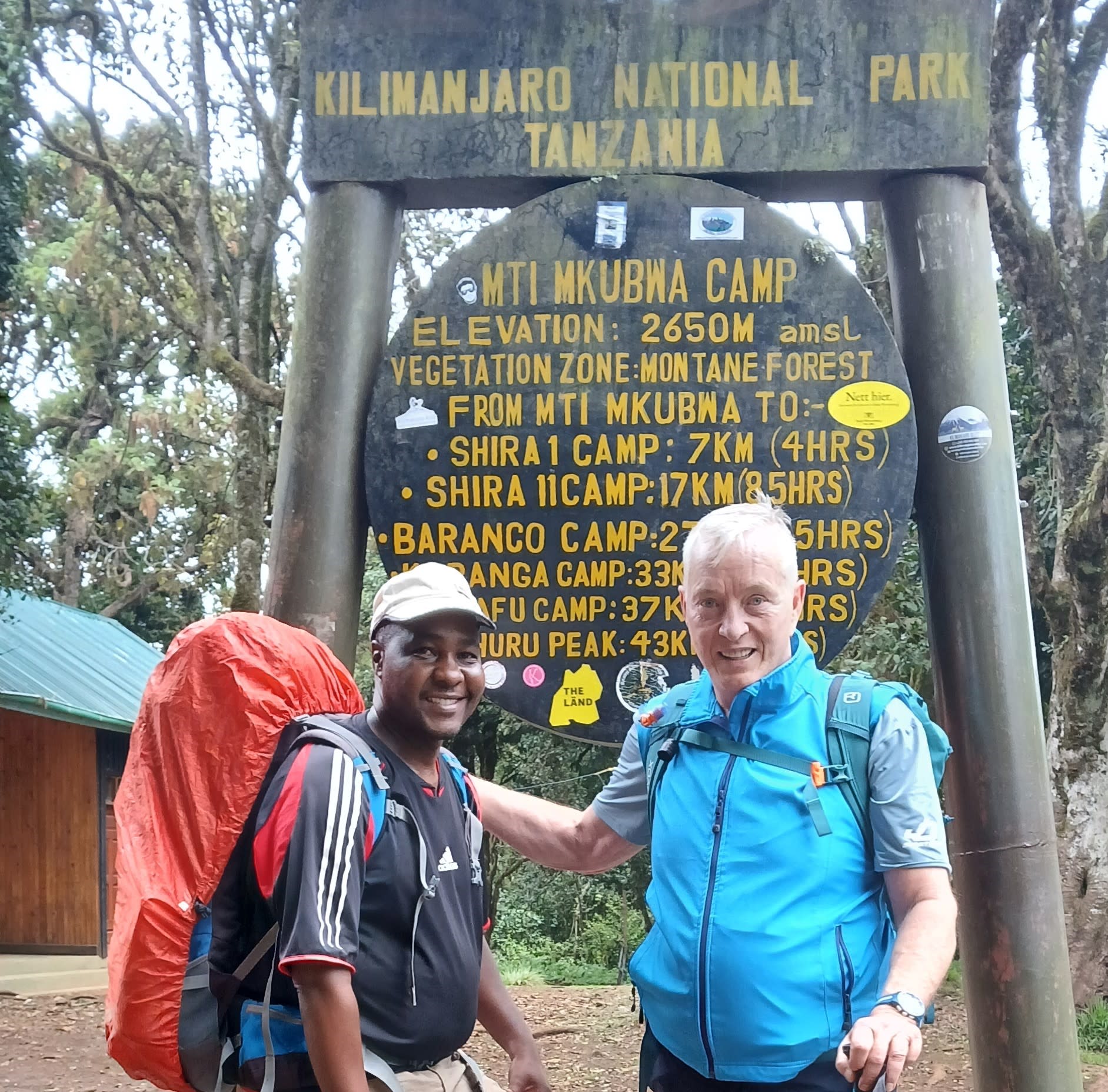
Pre-trek accommodation: Arusha hotels (2 nights, $50-$150 per night) like Lindrin Lodge or Panama Garden Resort. On the trek: tented camps at Mti Mkubwa (2,895m), Shira 1 (3,505m), Shira 2 (3,850m), Barranco (3,976m), Karanga (4,035m), Barafu (4,673m), and Mweka (3,068m). Post-trek: Moshi or Arusha hotels for recovery. Most operators include accommodation; budget climbs use basic dome tents, premium operators use larger expedition tents with sleeping pads. No lodges exist on the mountain—all accommodation is tented.
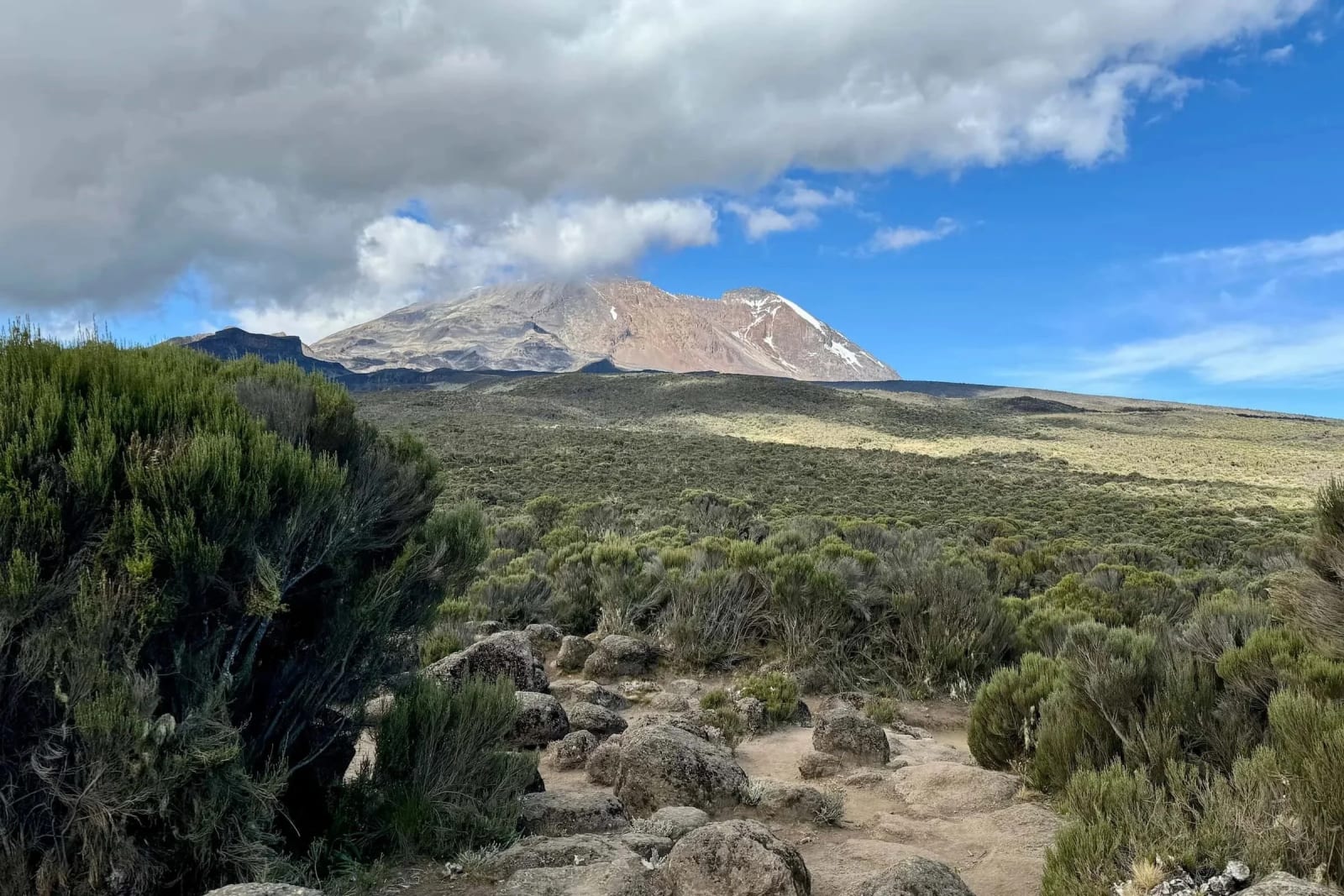
Yes, if you seek a challenging mountain climb combined with stunning scenery and cultural immersion. The Lemosho Route offers the most diverse landscapes on Kilimanjaro—rainforest, moorland, Shira Plateau, and glaciated summit—with fewer crowds (45,000 annual climbers vs. 50,000+ on Marangu). An 85%+ summit success rate reflects its gradual acclimatization schedule. Combining it with a 3-4 day safari extension (Serengeti, Ngorongoro) creates a 12-16 day adventure covering mountain and wildlife experiences. If your goal is only to 'tick off' Kilimanjaro quickly and cheaply, the Lemosho Route is not the fastest or cheapest option (Marangu is 5 days, $1,800-$2,200); choose it for the journey, not just the summit.
Yes, guides are mandatory. Tanzania National Parks Authority (TANPA) regulations require all trekkers to hire licensed guides and porters. A typical team includes 1 guide per 6-8 climbers, 1-2 assistant guides, 1 cook, and 10-15 porters. Guides provide safety (altitude sickness monitoring, route navigation), cultural context, wildlife identification, and emergency support. Self-guided trekking is not permitted. Hiring through registered operators ensures guides meet safety standards; budget $30-$50/day for guide tips (customary but not included in package price).
Compare verified safari operators, read reviews from climbers who have completed the route, and book through SafariFind.com. SafariFind allows you to filter by budget, dates, group size, and itinerary type (trek-only vs. trek + safari extension). You can message operators directly to ask about acclimatization strategies, guide experience, and pre-trek training recommendations. Book 3-6 months in advance for July-September departures. Many operators offer combined 12-16 day packages pairing the Lemosho trek with Serengeti or Ngorongoro safaris, providing both mountain and wildlife experiences in one trip.
© 2026 SafariFind. All rights reserved.

 Ask about this