 1 / 4
1 / 4🇹🇿 Tanzania
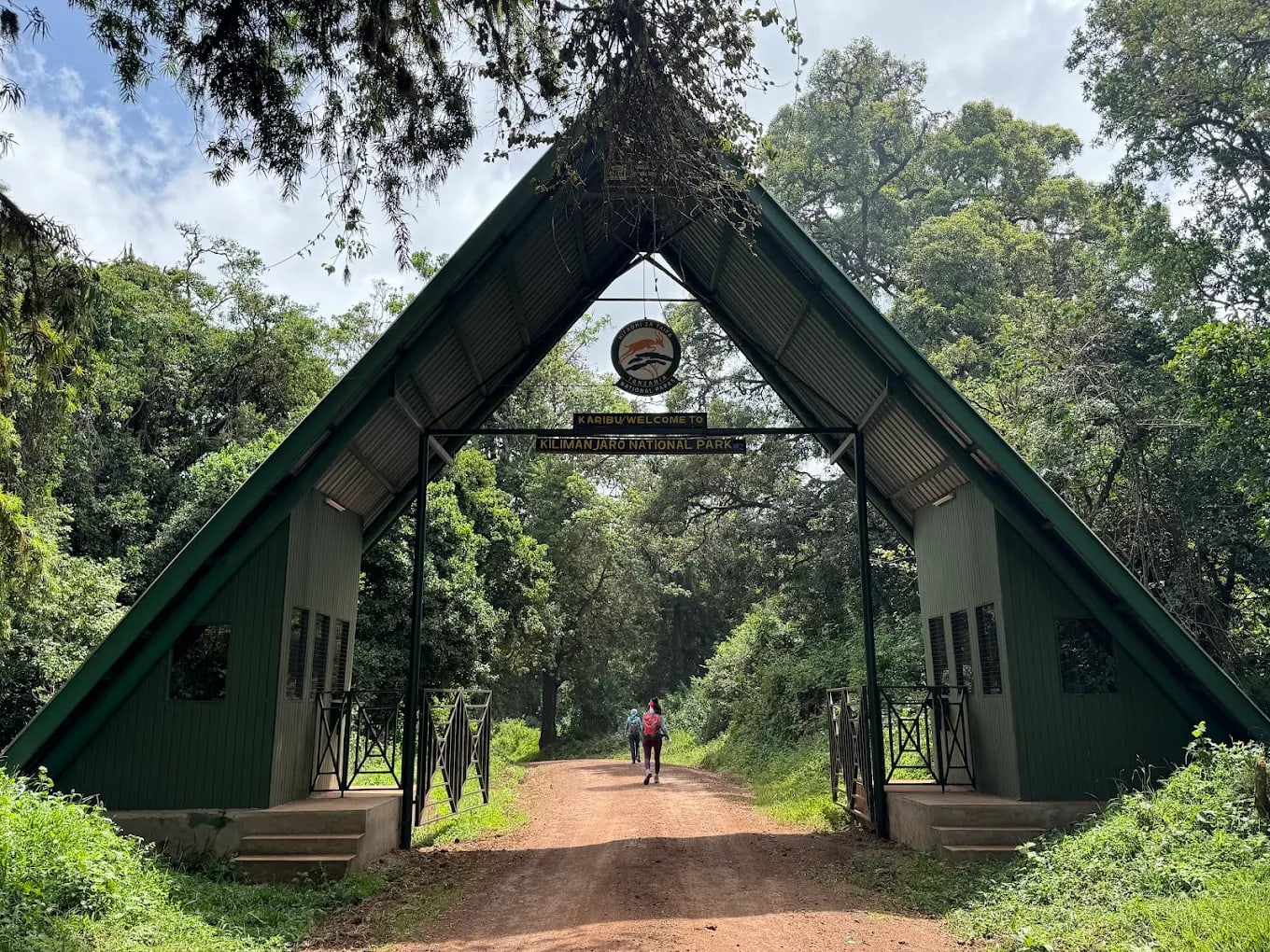
Londorosi Gate
Size
75,340 km²
Elevation
2,250 m
Entry fee
Loading SafariFind...
1 / 4Size
75,340 km²
Elevation
2,250 m
Entry fee
SafariFind app
Keep up with your inquiries and bookings, and message operators wherever you are.

$82
Ideal stay
7 days
Established
1973
Nearest airport
Kilimanjaro International Airport (JRO), 82 km southeast, approximately 1.5–2 hours' drive via Shira Evacuation Road; Arusha Airport (ARK), 120 km, 2.5–3 hours' drive
Nearest town: Moshi, 82 km southeast (1 hour 45 minutes drive) — primary gateway town with hotels, restaurants, and climbing operator offices; Arusha, 120 km, 3 hours drive — larger regional hub with more accommodation and flight connections
 8 daysGroup Joining
 Pumba Reisen
 8 daysPrivate
 Elia Safaris
 9 daysPrivateElia Safaris
 10 daysPrivate
 isale safaris company limited
 7 daysPrivateisale safaris company limited
Park entry fees are $82 USD per person per day, plus rescue fees ($20 USD) and porter/guide wages (typically $15–25 USD per porter daily). A standard 7-day Lemosho Route trek via Londorosi costs $2,500–4,500 USD per person all-inclusive (guide, porters, meals, camping), depending on operator and group size. Budget operators charge $1,800–2,500; luxury operators $5,000–8,000+. Compare verified package prices on SafariFind to find operators matching your budget and experience level.
June to October (dry season) offers the best climbing conditions with clear skies, stable weather, and 40–50% summit success rates. December to February provides warmer temperatures and fewer crowds, with 35–45% success rates despite occasional afternoon cloud cover. July–August sees peak visitor crowds and highest prices; January–February offers ideal weather with lower prices. Avoid March–May and November (rainy seasons) when muddy trails and poor visibility reduce success rates to 20–30%.
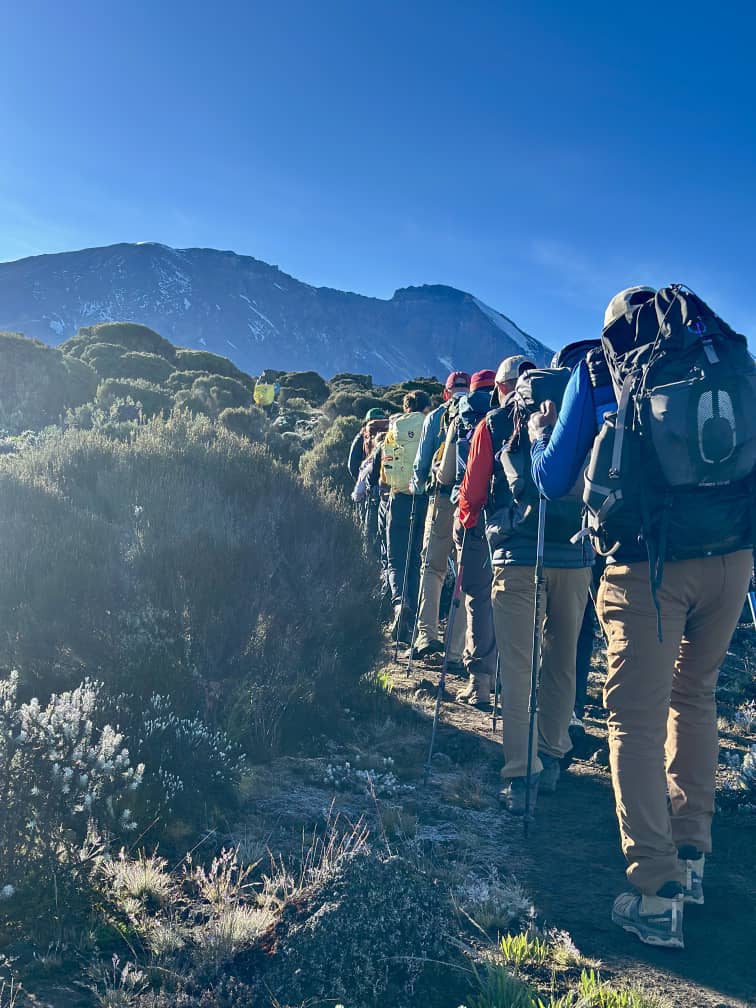
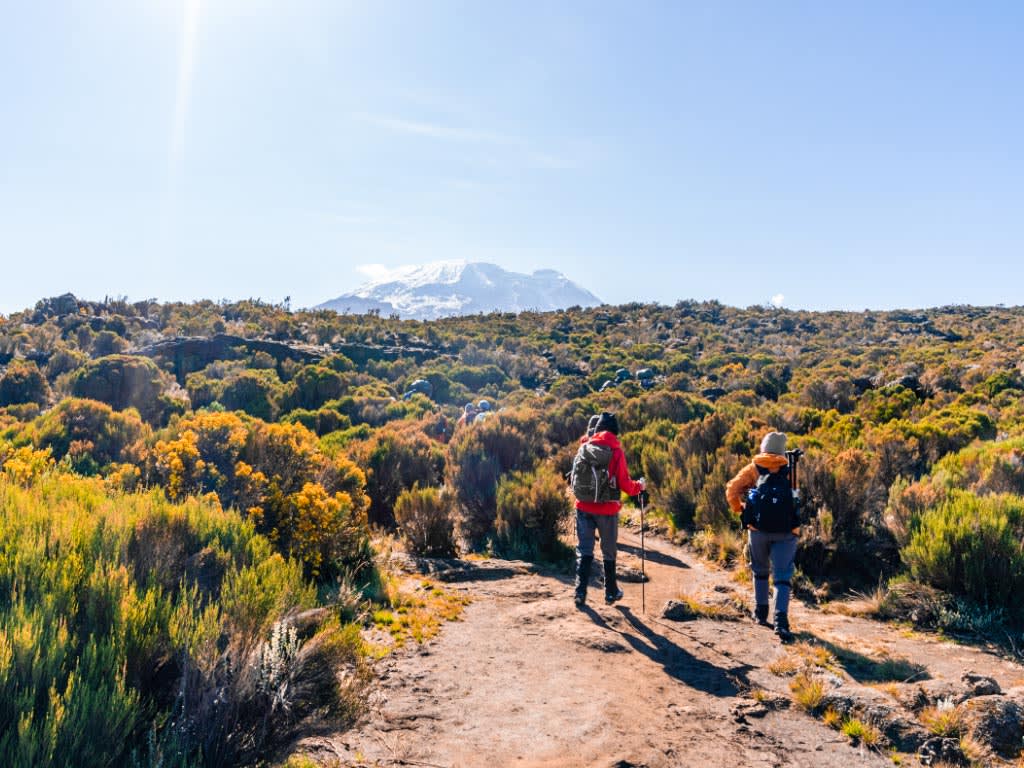
The montane forest zone around Londorosi Gate hosts 179 bird species including white-necked ravens, lammergeyer eagles, and alpine chats. Mammals include blue monkeys, colobus monkeys, bushbuck, and occasional African elephants in the lower forest. Higher elevations (above 4,000m) feature alpine-adapted species like rock hyrax and endemic high-altitude birds. The Lemosho and Shira routes pass through diverse ecological zones where wildlife diversity decreases with elevation—forest animals at 2,250–3,500m, alpine specialists above 4,000m.
Fly into Kilimanjaro International Airport (JRO), 82 km away, then drive 1.5–2 hours via Shira Evacuation Road to Londorosi Gate near Moshi. Alternatively, fly into Arusha (120 km, 2.5–3 hours drive) if connecting from northern Tanzania safari circuits. Most climbing operators arrange airport transfers as part of package deals. Charter flights to Londorosi Airstrip are available but rarely used; overland transfer is standard and costs $40–80 USD depending on vehicle type and group size.
Kilimanjaro climbing is not recommended for children under age 10 due to altitude sickness risk, physical exertion, and thin air above 4,000m. Children 10–15 can attempt the trek with experienced guides, proper acclimatization schedules, and realistic expectations; success rates are lower than adults. Family-friendly day hikes in the lower montane forest (below 3,000m) are suitable for all ages and offer wildlife viewing without summit pressure. Consult your pediatrician and hire guides experienced with families; shorter 5-day routes offer inadequate acclimatization for children.
A minimum 6–7 days is required for safe acclimatization via Lemosho or Shira routes; 5-day routes have significantly lower success rates (20–30%) due to insufficient altitude adjustment. Eight-day routes via Northern Circuit offer the highest success rates (60–70%) and best acclimatization. Day hikes to lower forest zones take 4–6 hours round-trip. Plan 2 days for arrival/rest in Moshi, 6–8 days for climbing, and 1 day recovery—total 9–11 days minimum for a complete Kilimanjaro experience.
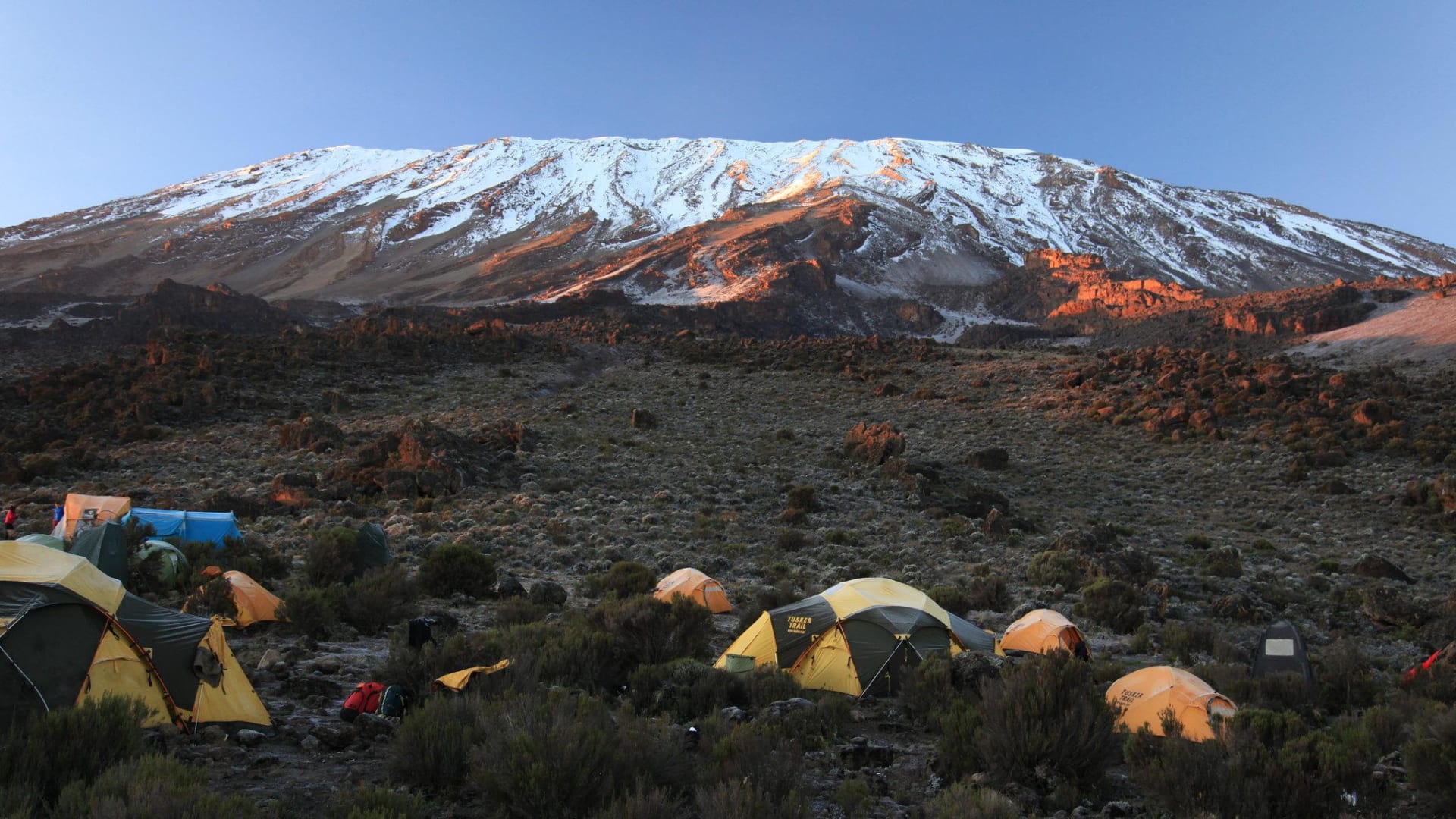
Londorosi Gate has no on-site lodging; climbers use park-designated camping sites along Lemosho and Shira routes (31 total camps across all routes). Budget camping options ($20–40 USD per night) provide basic tents and shared facilities; mid-range camps ($50–100 USD) offer comfortable tents with private toilets; luxury camps ($150–300 USD) feature heated tents and better meals. Pre-trek accommodation in Moshi (15 km away, 30–45 minutes drive) ranges from budget guesthouses ($30–50 USD) to luxury lodges ($200–400 USD). Most operators include all climbing accommodations in package prices.
Yes. Londorosi Gate offers the quietest, most scenic approach to Mount Kilimanjaro with 18% of park visitors compared to crowded Machame Route (40% of climbers). The Lemosho and Shira routes provide superior acclimatization profiles and higher success rates than shorter alternatives. The western approach crosses all five ecological zones—montane forest, moorland, alpine desert, and barren summit zone—making it ideal for trekkers prioritizing scenery and summit success over speed. If you have 6–8 days and want fewer crowds than southeastern routes, Londorosi Gate is the best entry point in Kilimanjaro National Park.
Yes, guides are mandatory for all Kilimanjaro treks via Londorosi Gate; solo climbing is prohibited. Licensed mountain guides (certified by Tanzania Tourism Licensing Board) cost $15–25 USD daily and provide safety, route navigation, altitude sickness monitoring, and cultural knowledge. Porters ($15–20 USD daily) carry gear, reducing physical strain. Most operators include guides and porters in package prices. Self-guided climbing is not permitted; all operators provide certified guides with clean business records and technical mountaineering credentials.
Compare verified Kilimanjaro climbing packages on SafariFind.com, where you can review operator credentials, read independent traveler reviews, and compare pricing across budget to luxury options. SafariFind connects you directly with licensed operators in Tanzania—no intermediary markups. Filter by route (Lemosho, Shira), duration (6–8 days), budget tier, and group size. SafariFind's transparent pricing shows what's included (guide, porter, meals, camping) so you can book with confidence. Book at least 3–4 weeks in advance for optimal guide availability and group matching.
© 2026 SafariFind. All rights reserved.
 Ask about this