The Complete Traveler's Guide to Lusaka, Zambia
Overview & Location
Lusaka, the capital city of Zambia, serves as the nation's primary gateway for visitors exploring one of Africa's most pristine wildlife destinations. Located in the south-central region of Zambia, Lusaka is strategically positioned to provide access to the country's remarkable natural attractions while maintaining the amenities and services expected of a modern capital city.
What makes Lusaka unique among African capitals is its proximity to exceptional wildlife experiences. The city itself is home to Lusaka National Park, Zambia's newest and most accessible national park, established in 2011 and officially opened to the public in June 2015. This innovative urban park represents only the second national park established within a city environment in Zambia, following Mosi-Oa-Tunya National Park in Livingstone.
Wildlife & Natural Features
Lusaka National Park
Located approximately 30 kilometers southeast of the city center in the Kafue District, Lusaka National Park spans 67.15 square kilometers (25.93 square miles), making it Zambia's smallest national park. Despite its modest size, the park plays a crucial role in wildlife conservation and provides exceptional recreational opportunities for both residents and visitors.
The park's wildlife diversity is impressive for its area. Visitors can encounter over 1,000 animal species, including:
Large herbivores: zebras, giraffes, eland, hartebeest, and blue wildebeest
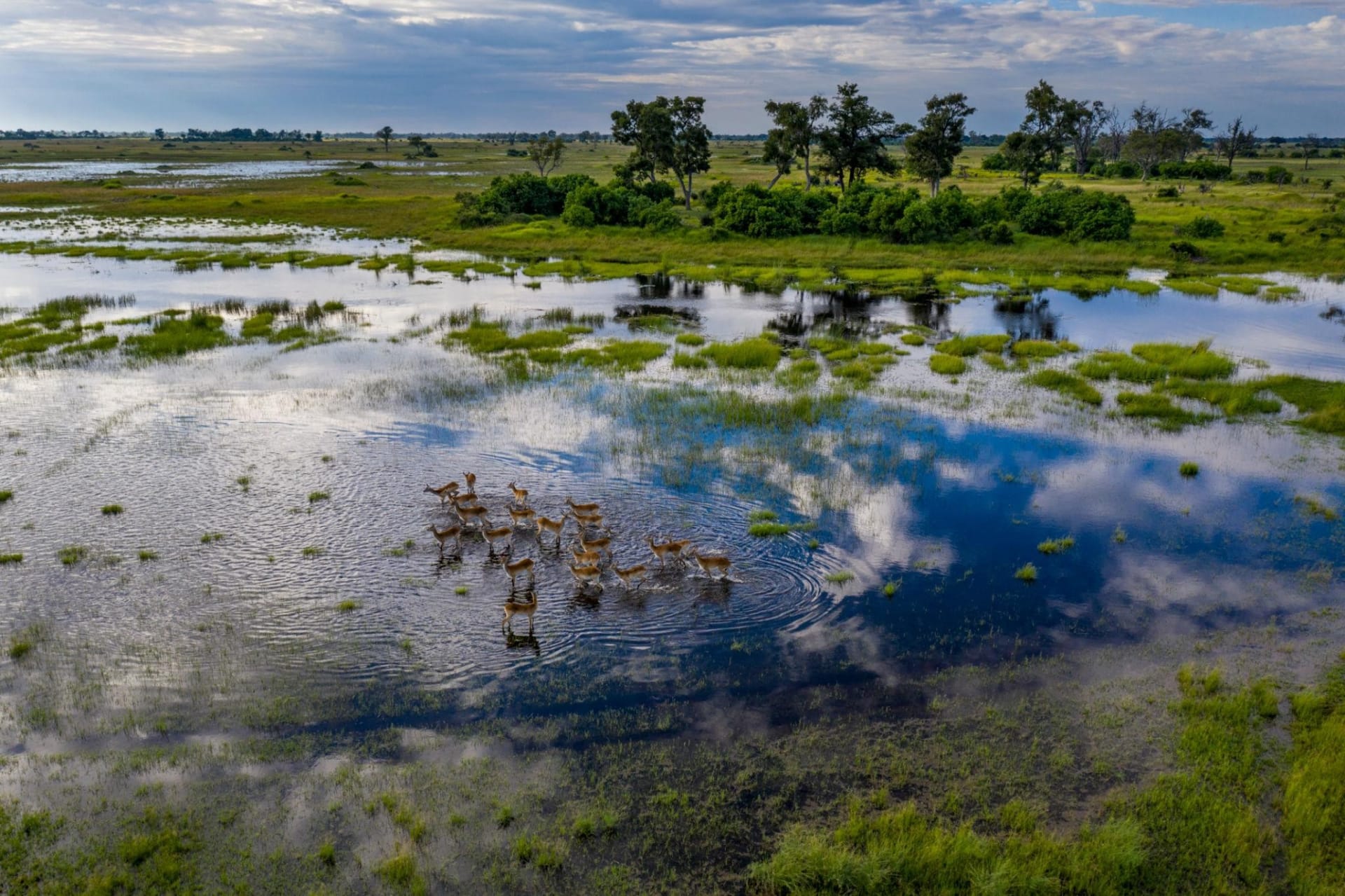
Antelope species: sable antelope, kudu, impala, puku, bushbuck, and black lechwe
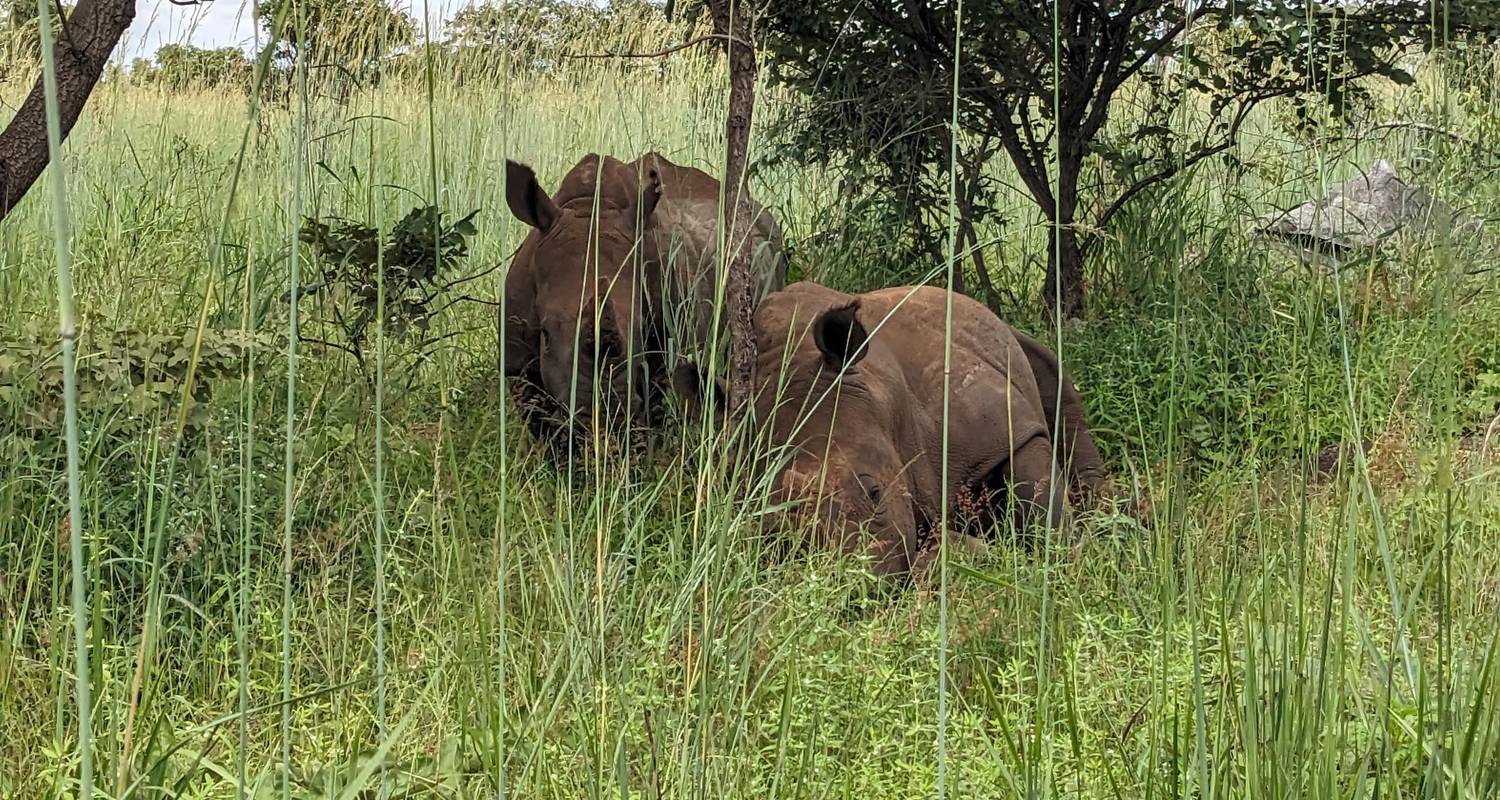
Other mammals: white rhino, warthog, pangolin, and axis deer
Extensive bird species populations for birdwatching enthusiasts
The park was established over previously designated forest reserve land and is entirely fenced, allowing for controlled wildlife management and visitor safety.
Gateway to Zambia's Premier Wildlife Destinations
While Lusaka National Park offers immediate wildlife experiences, the city serves as an excellent base for exploring Zambia's broader wildlife treasures. Zambia has earned international recognition for its exceptional biodiversity, with over 30 percent of the country designated as national parks or game reserves. This commitment to conservation has preserved some of Africa's richest ecosystems.
South Luangwa National Park, often referred to as the "crown jewel" of Zambian wildlife reserves, is accessible from Lusaka. Located in the picturesque Luangwa Valley, this world-renowned destination features dense wildlife populations including elephants, lions, leopards, and giraffes, alongside over 400 bird species. The park is particularly celebrated for its walking safaris, which provide intimate nature encounters unavailable in many other African destinations.
Best Time to Visit
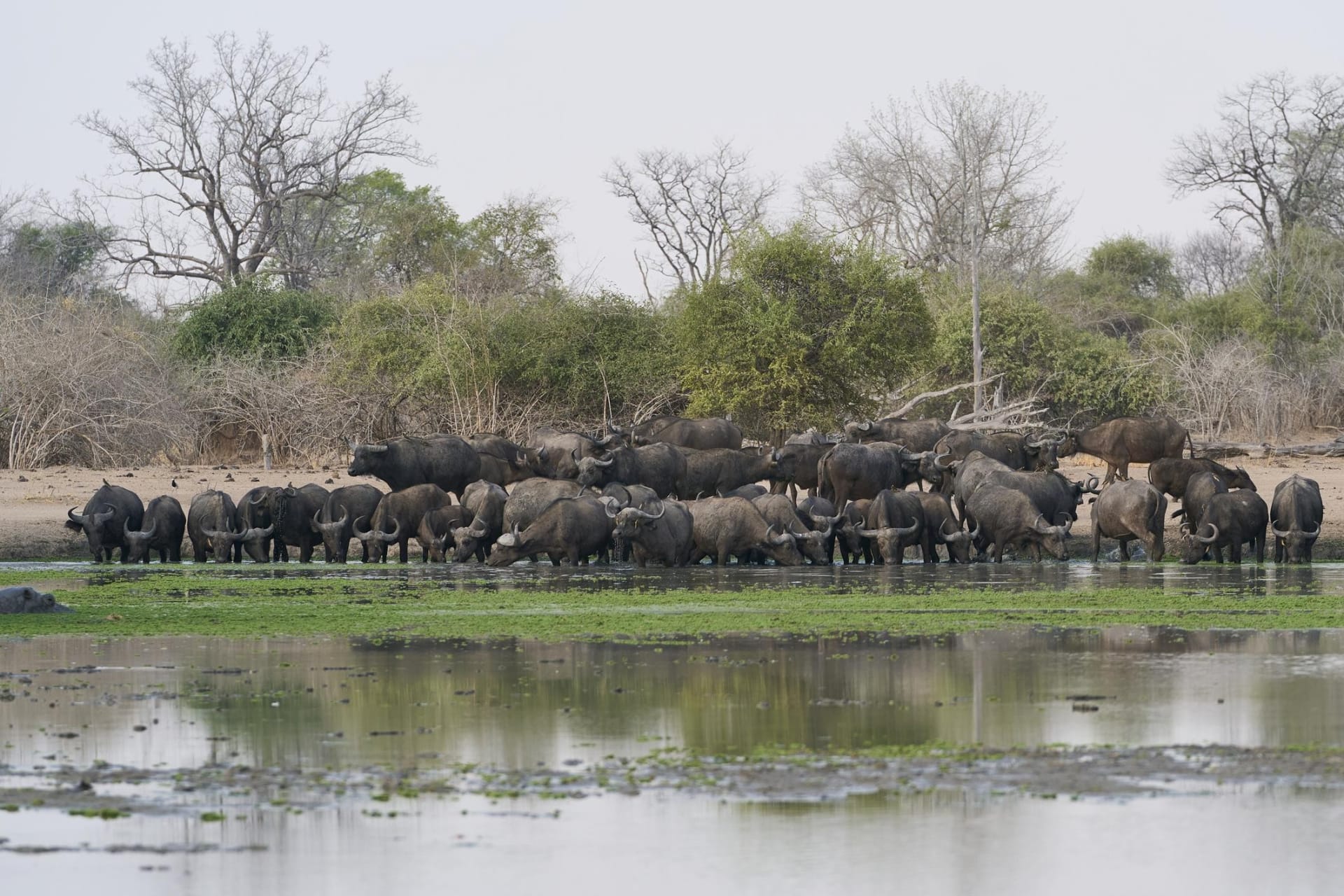
The optimal visiting season for Lusaka and surrounding wildlife areas depends on your specific interests. The dry season, typically running from May through October, offers the best game viewing opportunities as animals congregate around water sources, making wildlife spotting more predictable.
Lusaka National Park's accessibility makes it a viable destination year-round, though visitors should plan accordingly based on seasonal conditions. The park's location near the capital ensures that weather-related disruptions are minimal compared to more remote reserves.
Activities & Experiences
In Lusaka National Park
Lusaka National Park offers diverse activities suitable for various interests and time constraints:
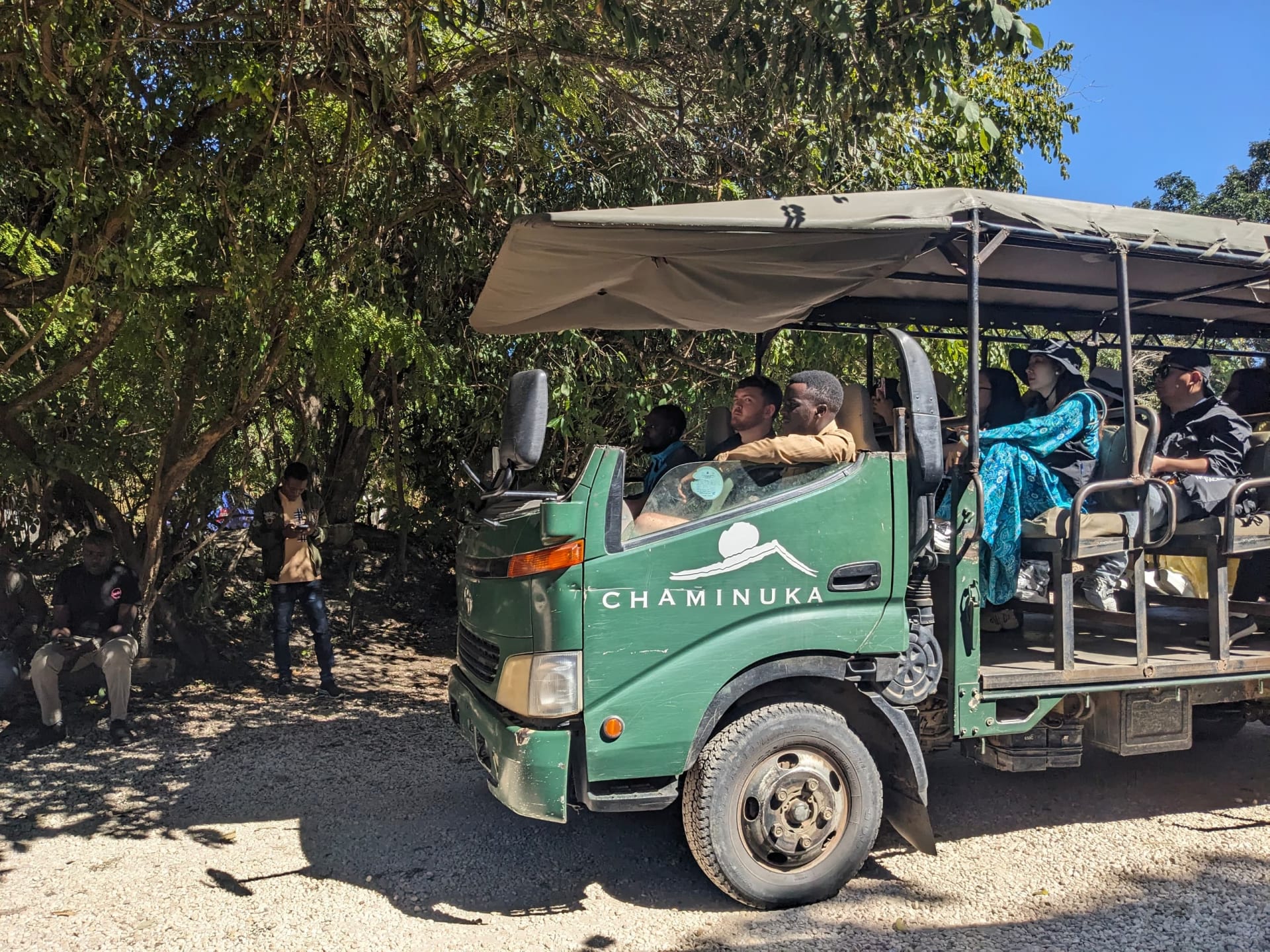
Game viewing and wildlife safaris
Walking safaris for intimate wildlife encounters
Bird watching among over 1,000 species
Bicycle trails through natural landscapes
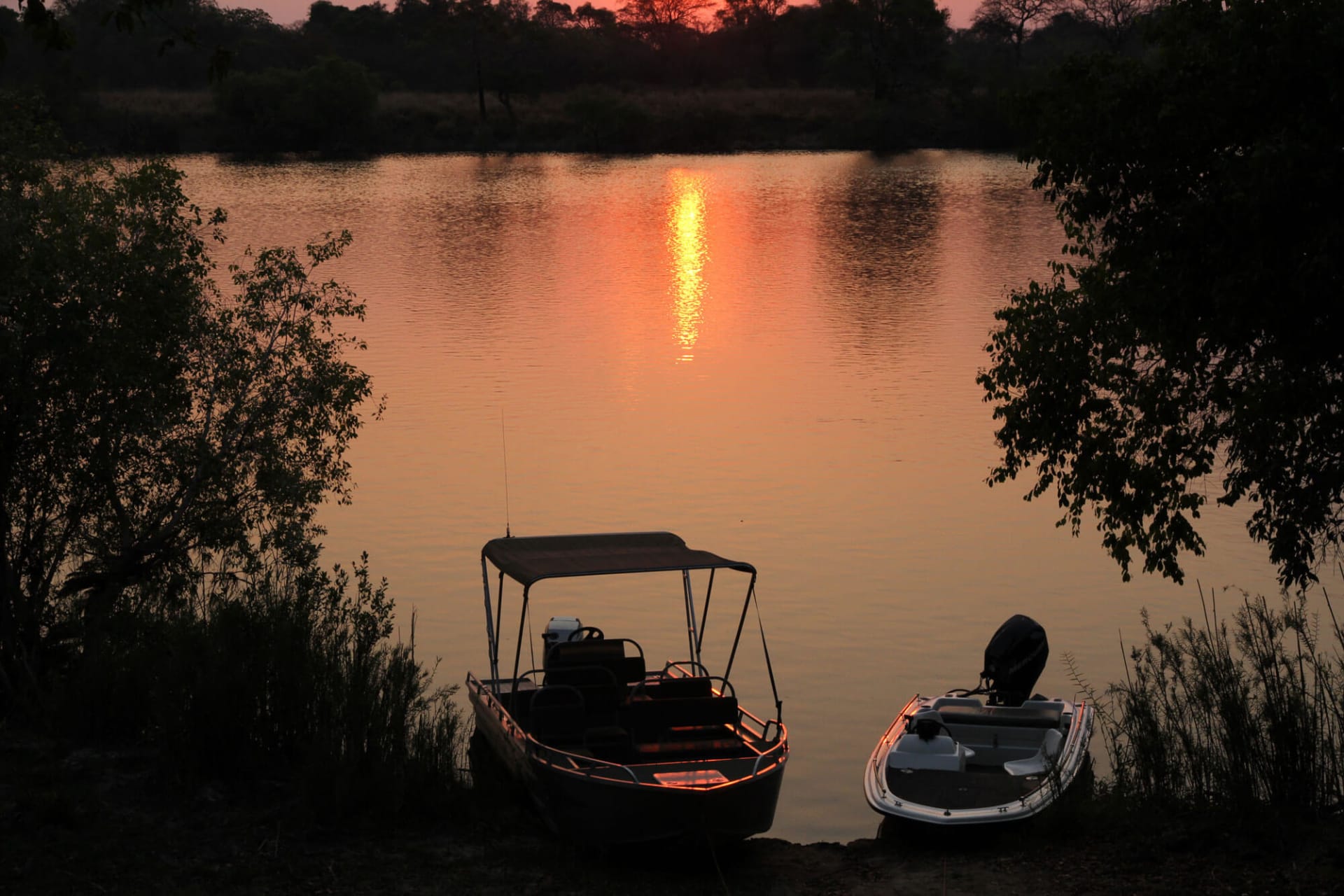
Boating activities
Photographic safaris
Camping experiences
Picnicking in designated areas
The park's proximity to Lusaka makes it ideal for visitors with limited time who wish to experience authentic Zambian wildlife without extensive travel. Those short on time can visit the park for a concentrated wildlife experience that captures the essence of Zambian safari culture.
Broader Zambian Safari Experiences
Zambia distinguishes itself from other African safari destinations through unique offerings. Late-night game drives are legal in most national parks, providing rare opportunities to observe nocturnal species and experience the African bush under different conditions—an experience unavailable in many competing destinations.
The country is home to the second-largest wildebeest migration in Africa, representing a spectacle comparable to East African migrations but with fewer crowds.
Getting There
Air Access
Lusaka is served by Harry Mwanga Nkumbula International Airport (formerly Lusaka International Airport), which accommodates both international and regional flights. The airport provides connections to major African hubs and international destinations, making Lusaka accessible from most parts of the world with one or two connections.
Ground Transportation
From Lusaka, reaching Lusaka National Park requires approximately 30 kilometers of travel. The park's location in the Kafue District is accessible via road from the city center. Visitors can arrange transportation through hotels, tour operators, or rental services available in the capital.
Access to more distant parks like South Luangwa typically involves domestic flights from Lusaka, supplemented by road transfers from airstrips.
Practical Information
Visitor Facilities
Lusaka National Park provides camping facilities and picnic areas, catering to visitors seeking immersive nature experiences. The park's development as a modern facility ensures basic amenities while maintaining its natural character.
Park Operations
The park is governed by the Zambia Wildlife Authority, ensuring professional management and conservation standards. As Zambia's newest national park, Lusaka National Park incorporates modern management practices while preserving ecological integrity.
Accessibility & Convenience
The park's location within reasonable distance of the capital city makes it exceptionally convenient for international visitors. Unlike many African wildlife destinations requiring extensive overland travel, Lusaka National Park allows visitors to experience authentic safari activities within hours of arriving in the country.
Travel Planning Considerations
Visitors should arrange park visits through established tour operators or accommodations in Lusaka. Guided safaris enhance the experience by providing expert wildlife knowledge and ensuring visitor safety. The park's fenced design offers security advantages while maintaining authentic wildlife viewing opportunities.
Conclusion
Lusaka represents a unique African destination, combining the conveniences of a modern capital city with immediate access to exceptional wildlife experiences. Whether visitors spend time in Lusaka National Park or use the city as a base for exploring Zambia's broader safari destinations, the capital offers an outstanding introduction to one of Africa's last great wilderness areas. With over 30 percent of the country designated for wildlife protection and innovative urban parks bringing safari experiences to city dwellers, Lusaka exemplifies sustainable tourism development in contemporary Africa.