Lusaka National Park: A Comprehensive Visitor's Guide
Overview & Location
Lusaka National Park, known locally as "Paki ya Lusaka," stands as Zambia's newest and most conveniently accessible national park. Officially established in 2011 and opened to the public in June 2015, it represents a significant addition to Zambia's conservation landscape as the country's 20th national park. The park is notably the second national park to be established in an urban environment in Zambia, following Mosi-Oa-Tunya National Park in Livingstone.
Located just 30 kilometers (18.6 miles) southeast of Lusaka, the nation's bustling capital city, the park covers approximately 67 square kilometers (26 square miles), making it Zambia's smallest national park. Despite its modest size, the park was established over an area that was previously designated as forest reserve and is entirely fenced, serving as both a wildlife sanctuary and a convenient retreat for urban residents seeking authentic safari experiences without traveling far from the city.
Wildlife & Natural Features
Lusaka National Park boasts impressive biodiversity for its size, hosting over 1,000 species within its boundaries. The park serves as home to a diverse array of wildlife that rivals larger reserves, making it an exceptional destination for nature enthusiasts.
Mammal Species
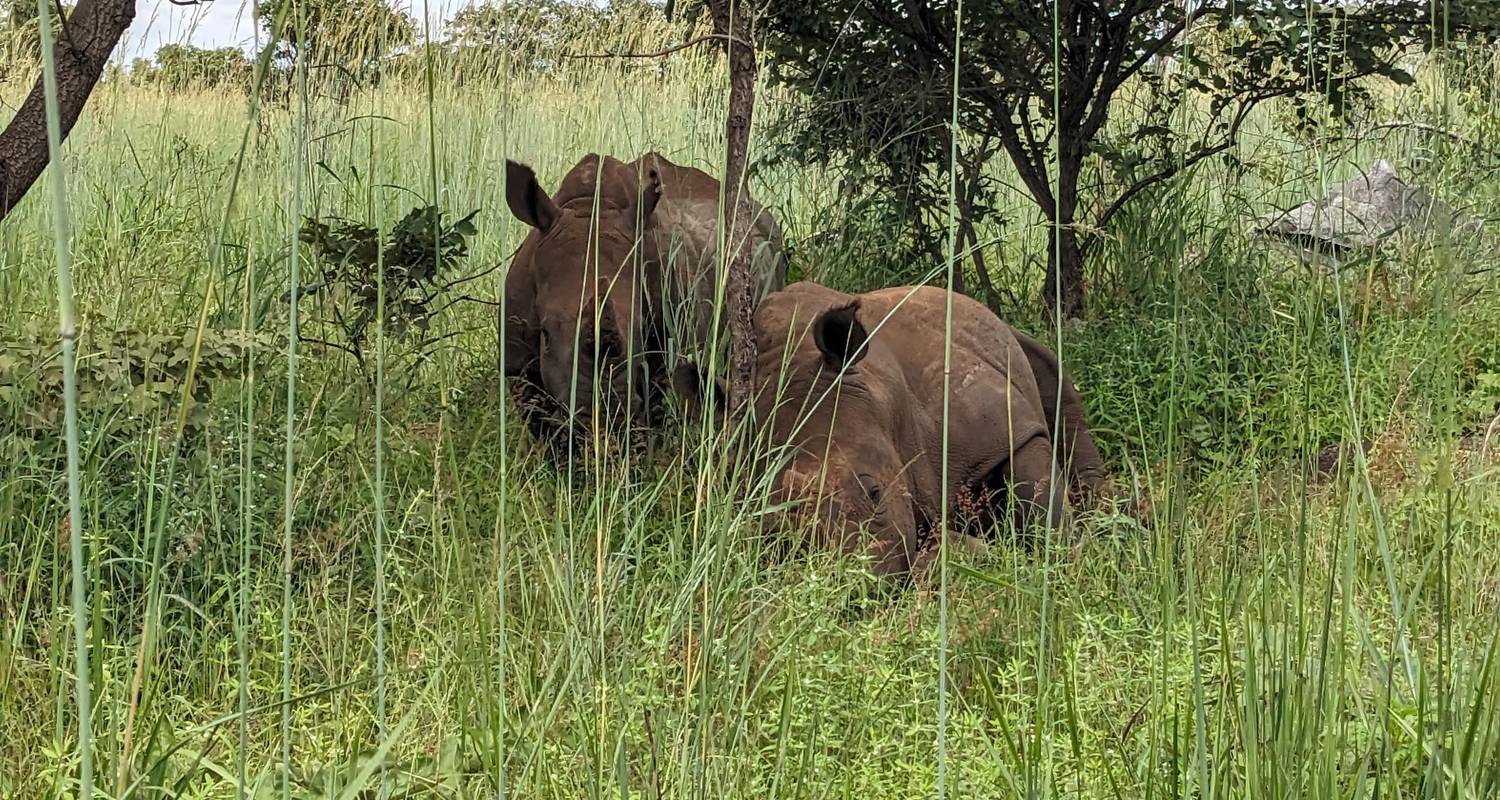
The park's mammal population includes white rhinoceros, giraffes, zebras, and numerous antelope species. Visitors can encounter sable antelope, bushbuck, duiker, eland, hartebeest, impala, kudu, black lechwe, puku, spotted deer (axis deer), and waterbuck. Additional wildlife includes blue wildebeest, reedbuck, warthog, and pangolin. These varied species thrive across the park's diverse habitats, ranging from open grasslands to wooded areas.
Landscape & Habitats
The park encompasses varied ecosystems that support its rich wildlife population. The landscape transitions between open grasslands ideal for grazing species and wooded areas that provide shelter and sustenance for forest-dwelling animals. This habitat diversity contributes significantly to the park's conservation value and visitor appeal.
Best Time to Visit
While specific seasonal information requires consultation with local tourism authorities, visitors planning trips should consider that national parks in Zambia generally offer year-round wildlife viewing opportunities. The dry season typically provides optimal game viewing conditions, as animals concentrate around water sources, making them easier to locate during guided safaris. However, the park's proximity to Lusaka and its year-round accessibility make it suitable for visits throughout the calendar year.
For the most current information regarding seasonal wildlife movements and park conditions, travelers should contact the Zambia Wildlife Authority (ZAWA), the governing body responsible for the park's management.
Activities & Experiences
Game Drives
Game drives represent the primary safari experience at Lusaka National Park. Guided by knowledgeable rangers, these drives traverse the park's varied landscapes, offering visitors close encounters with iconic species. The guided nature of these safaris enhances the experience, as rangers provide expert insight into animal behavior, ecology, and conservation efforts.
Walking Safaris
For visitors seeking more intimate wildlife encounters, walking safaris provide an alternative to vehicular game drives. These guided walks allow guests to experience the park's ecosystems at a slower pace, discovering smaller wildlife and flora that might be overlooked during vehicle-based tours.
Specialized Activities
The park offers several additional visitor experiences designed to cater to different interests:
Bird watching opportunities for ornithology enthusiasts
Bicycle trails for active exploration of the park
Photographic safaris tailored for wildlife photographers
Boating activities on available waterways
Camping facilities for overnight stays
Picnic areas for day visitors
Wildlife Discovery Centre
In 2022, the Wildlife Discovery Centre opened within Lusaka National Park, providing a unique immersive hub for conservation education and research. This facility enhances visitor understanding of the park's ecological importance and Zambia's broader conservation initiatives.
Getting There
Lusaka National Park's proximity to Zambia's capital city makes it remarkably accessible. Located just 30 kilometers southeast of Lusaka, the park is easily reached from the city center via road. This short distance eliminates the need for lengthy travel times or domestic flights required for more remote parks, making it ideal for visitors with limited time or those based in the capital.
The park's accessibility from Lusaka's urban infrastructure means visitors can arrange transport through local tour operators, hotel concierge services, or rental vehicles. The journey typically takes less than an hour from central Lusaka, making morning departures and same-day returns feasible for city-based travelers.
Practical Information
Park Administration
Lusaka National Park is governed by the Zambia Wildlife Authority (ZAWA), the national body responsible for wildlife management and park administration throughout Zambia. Visitors requiring permits, detailed information about facilities, or current park conditions should contact ZAWA directly.
Essential Visitor Details
Area: 67.15 square kilometers (25.93 square miles)
Established: 2011 (opened to public in 2015)
Location: Kafue District, Lusaka Province
Coordinates: 15°30'S 28°23'E
Governing Body: Zambia Wildlife Authority (ZAWA)
Visitor Preparation
Visitors should arrange guided tours through established tour operators to maximize safety and wildlife viewing opportunities. Knowledgeable guides enhance the experience through expert interpretation of the park's ecosystems and animal behavior. For the most current information regarding entrance fees, facility availability, and specific activity offerings, direct contact with ZAWA or established tour operators is recommended.
Why Choose Lusaka National Park
Lusaka National Park offers an exceptional value proposition for safari enthusiasts. Its proximity to Zambia's capital eliminates travel obstacles while delivering authentic wildlife experiences comparable to larger reserves. The park's diverse habitats and over 1,000 species ensure memorable encounters with African fauna. Whether visitors seek leisurely game drives, active walking safaris, or educational experiences at the Wildlife Discovery Centre, Lusaka National Park provides accessible, high-quality safari experiences that make African wildlife exploration achievable for urban-based travelers and those with time constraints.