Makgadikgadi Pans National Park: A Comprehensive Travel Guide
Overview & Location
Makgadikgadi Pans National Park stands as one of Botswana's most extraordinary safari destinations, showcasing a landscape unlike any other in Southern Africa. Located strategically between Maun and Francistown, the park sits south of Nxai Pan National Park and forms part of the world's largest salt pan system.
The park encompasses 4,900 square kilometers and is situated on the western border of the massive Makgadikgadi salt pans, which cover an area exceeding 30,000 square kilometers—making them the largest salt pans in the world. The complete pan system, including thousands of small pans alongside two major ones, spans more than 16,000 square kilometers. Remarkably, these ancient pans represent the remains of a once-vast inland sea that dominated the landscape millennia ago.
The park's strategic location between the Okavango Delta to the northwest and the Central Kalahari Game Reserve to the southwest creates a unique ecosystem. The area is linked to the Okavango Delta via the Boteti River and receives seasonal water from Zimbabwe through the ephemeral Nata River, creating a dynamic and ever-changing environment.
Wildlife & Natural Features
The Great Migration
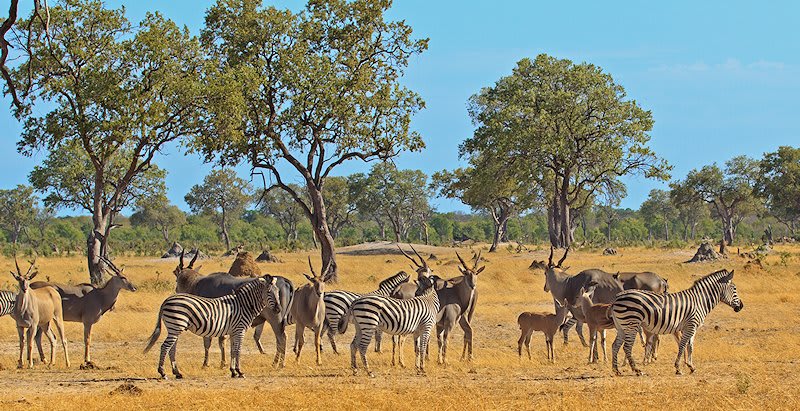
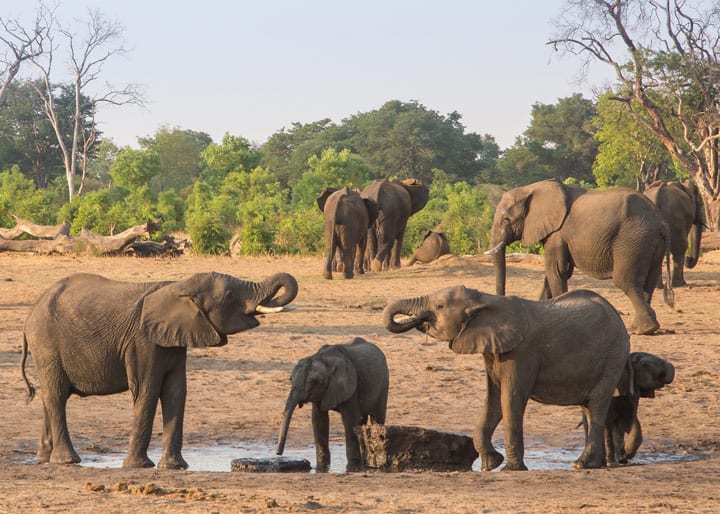
Makgadikgadi Pans hosts one of Southern Africa's largest remaining animal migrations, featuring dramatic seasonal movements of wildlife. During the dry season, thousands of wildebeest and zebra converge on the pans in spectacular herds, creating one of Africa's most impressive natural phenomena. From November to May, antelope species gather at the park's water sources, transforming the landscape into a wildlife spectacle.
Predators and Large Mammals
The park supports a diverse predator population that follows the migratory herds. Visitors can observe lions, cheetahs, and hyenas throughout the park. These apex predators thrive on the abundance of prey species that characterize the region. The antelope population represents the most common wildlife in the area, with numerous species adapted to the pan environment.
Unique Landscape Features
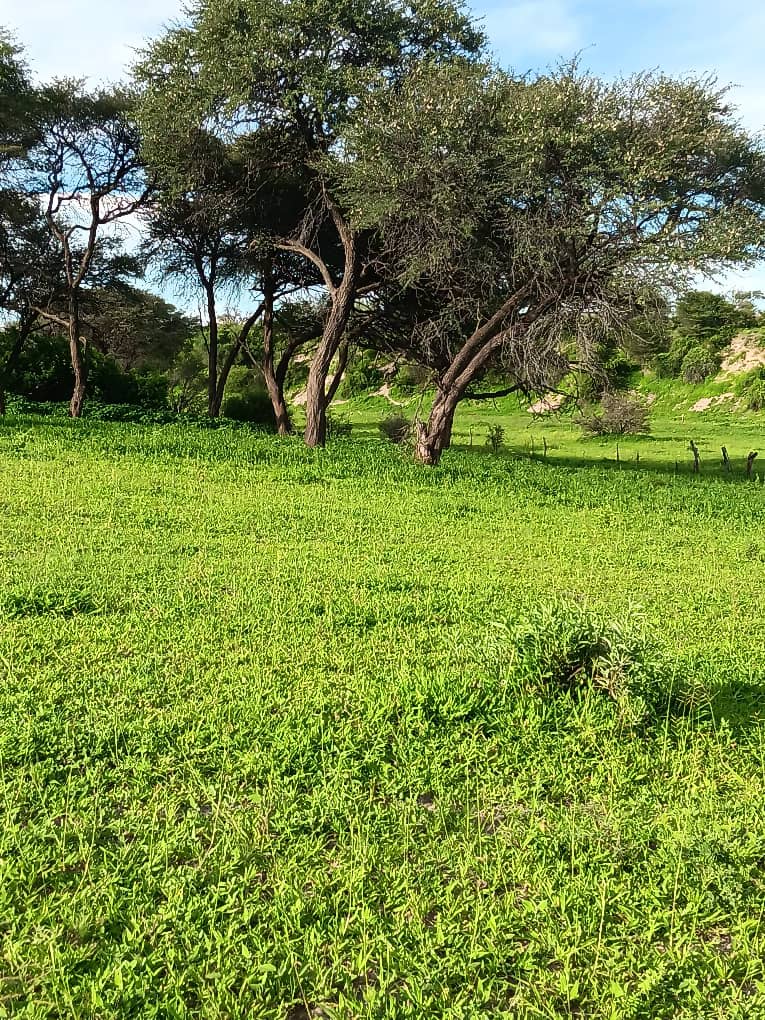
The park's landscape is defined by extensive grasslands and acacia woodlands that border the salt pans. During the rainy season, the transformation is remarkable—water birds arrive in abundance, and the stark white salt pans suddenly teem with life. The surreal, almost otherworldly appearance of the salt flats creates an unforgettable visual experience that few destinations can match.
Conservation Status: The Botswana Government has established comprehensive protection measures through the Wildlife and National Parks Act of 1992, the Monuments and Relics Act of 2001, and the Environmental Impact Assessment Act of 2005. These legislative frameworks ensure the preservation of this unique ecosystem for future generations.
Best Time to Visit
Dry Season (May to October)
The dry season offers exceptional game viewing as wildlife concentrates around remaining water sources. The weather is cool and comfortable, making it ideal for extended safari activities. Visibility is excellent, and predator-prey interactions become more frequent as animals compete for scarce resources.
Wet Season (November to May)
The transformation during the rainy season is remarkable. The pans fill with water, attracting massive bird populations and triggering the great migration. Antelope species converge on the sparkling waters, creating unparalleled photographic opportunities. However, access may be limited during peak rainfall, and the landscape becomes muddy and challenging to navigate.
Shoulder Seasons
April and October represent excellent compromise periods, offering moderate wildlife viewing with improving accessibility and weather conditions.
Activities & Experiences
Safari Game Drives
Guided game drives form the cornerstone of any visit to Makgadikgadi Pans. Experienced guides navigate the vast plains, tracking wildlife and providing insights into the ecosystem's complex dynamics. The open grasslands offer exceptional visibility for spotting predators and large herds.
Bird Watching
The park's water sources, particularly during the rainy season, attract diverse bird species. Water birds congregate in impressive numbers, making it a paradise for ornithology enthusiasts. The variety of habitats supports both resident and migratory species.
Photography
The dramatic landscape and abundant wildlife create extraordinary photographic opportunities. The stark beauty of the salt pans, combined with the contrast of vegetation and animal life, offers unique compositional possibilities rarely found elsewhere.
Exploration of Ancient Landscape
Visitors can explore the surreal salt pan environment, walking across the gleaming white flats and contemplating the geological history of this former inland sea. The otherworldly terrain provides a humbling perspective on nature's transformative power.
Getting There
By Air
The most practical approach involves flying into Maun, Botswana's primary tourism hub, located approximately 100 kilometers west of the park. From Maun, charter flights or road transfers can be arranged to reach the park's various lodges and entry points.
By Road
The park is accessible via the Maun-Nata tar road, which forms the park's northern boundary. Self-drive options are available for visitors with appropriate vehicles, though a 4x4 is strongly recommended, particularly during the wet season. The journey from Maun typically takes 2-3 hours depending on specific destinations within the park.
Accommodation Options
Various lodge accommodations operate within and adjacent to the park, ranging from luxury establishments to mid-range facilities. Most lodges offer all-inclusive packages including meals, guided activities, and transportation from Maun.
Practical Information
Park Details
Park Size: 4,900 square kilometers
Established as Game Reserve: 1970
Proclaimed National Park: December 1992
Location: Between Maun and Francistown, northeastern Botswana
Visitor Essentials
Botswana Visa: Check current requirements based on your nationality
Vaccinations: Consult your healthcare provider regarding malaria prevention and recommended immunizations
Currency: Botswana Pula (BWP); USD and ZAR widely accepted at lodges
Language: English and Setswana spoken throughout the park
What to Bring
High SPF sunscreen and sun protection (the salt pans reflect intense sunlight)
Binoculars for wildlife observation
Camera equipment with extra batteries and memory cards
Neutral-colored clothing for game drives
Insect repellent for mosquito protection
Light layers for temperature variations between seasons
Guided Services
Professional guides are essential for navigating the park and maximizing wildlife viewing opportunities. Most visitors arrange guides through their lodges, ensuring expert knowledge of animal behavior, migration patterns, and optimal viewing locations.
Planning Your Visit: Makgadikgadi Pans National Park warrants dedicated time to fully appreciate its unique landscape and wildlife. Most visitors spend 3-5 days exploring the park to experience different habitats and wildlife concentrations. The combination of the great migration, diverse predator populations, and surreal salt pan scenery makes this one of Africa's most distinctive safari destinations.
Makgadikgadi Pans National Park represents a destination of profound natural significance and exceptional visitor experience. Whether witnessing the thundering herds during migration season or exploring the stark beauty of the ancient salt flats, visitors discover one of Botswana's true safari treasures—a landscape shaped by geological time and teeming with the dynamic drama of African wildlife.