The Complete Guide to Nyerere National Park, Tanzania
Overview & Location
Nyerere National Park stands as Africa's largest national park, covering an impressive 30,893 square kilometers (11,928 square miles). Established in 2019 and named in honor of Tanzania's founding president, Mwalimu Julius Kambarage Nyerere, this vast wilderness represents one of the world's largest wildlife sanctuaries. The park was created from the northern portion of the historic Selous Game Reserve, a UNESCO World Heritage Site since 1982.
Located in southeastern Tanzania, Nyerere National Park spans across multiple regions including the Liwale District in the western Lindi Region, southwestern Pwani Region, and northeastern Ruvuma Region. The park's sheer scale—larger than the entire country of Denmark—encompasses diverse ecosystems ranging from savannahs and forests to wetlands and river systems.
Wildlife & Natural Features
Exceptional Wildlife Populations
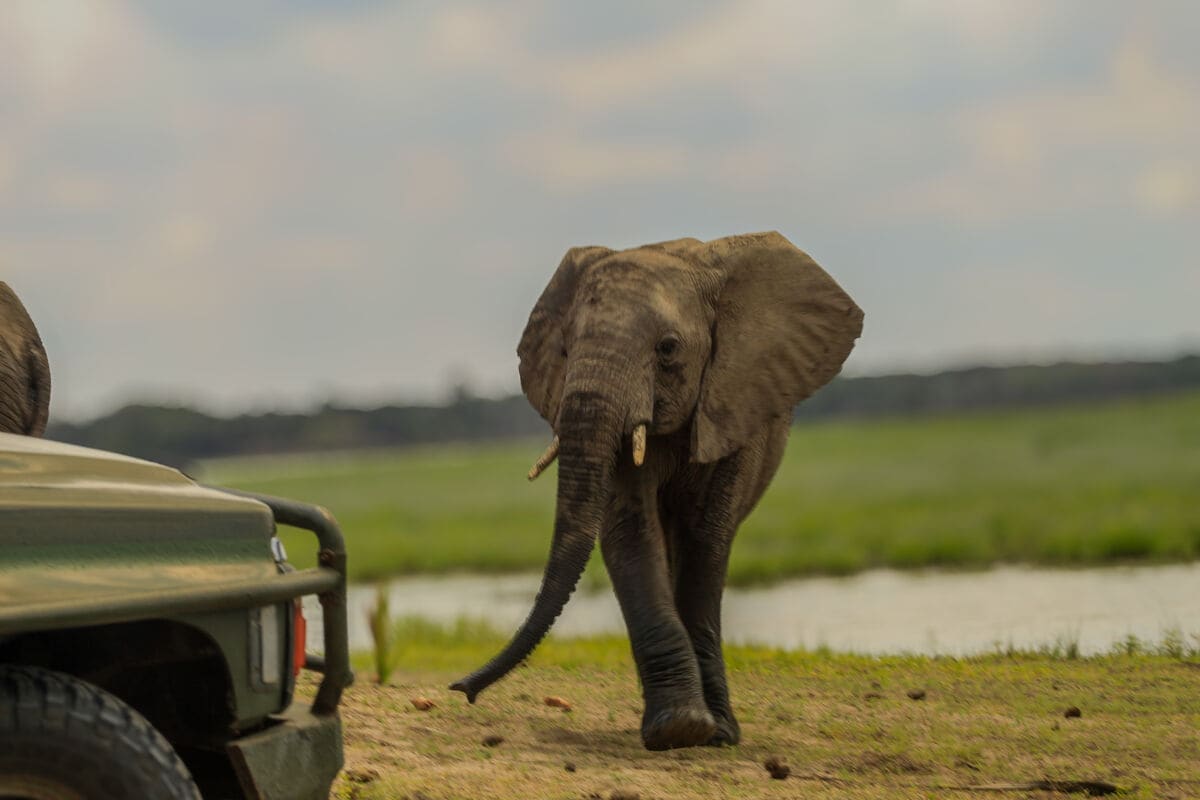
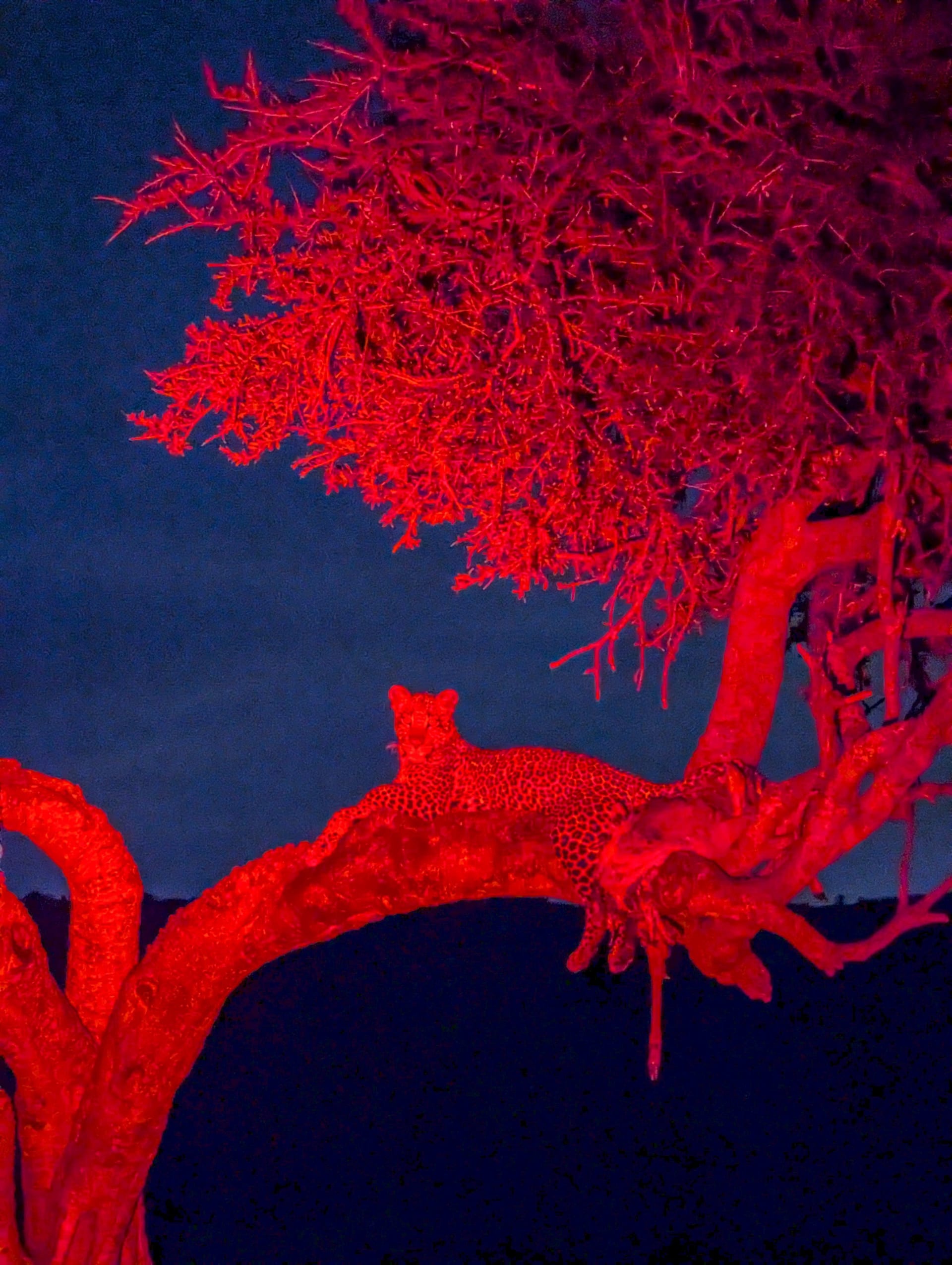
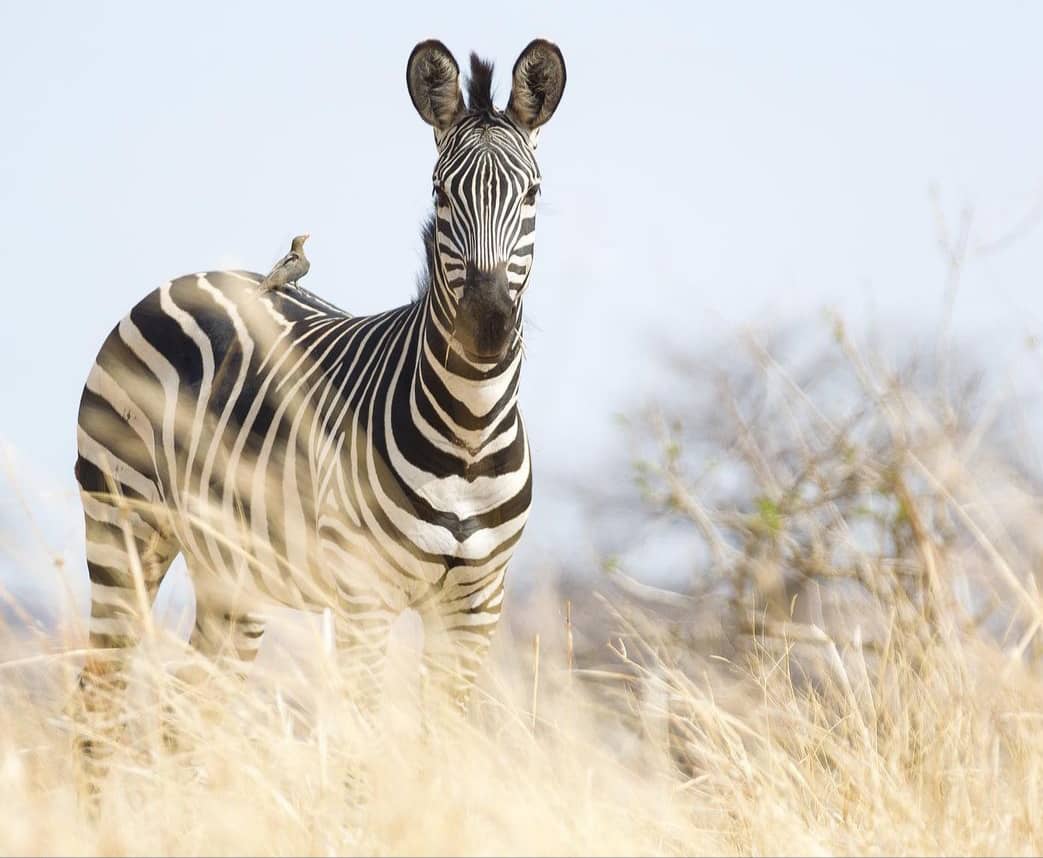
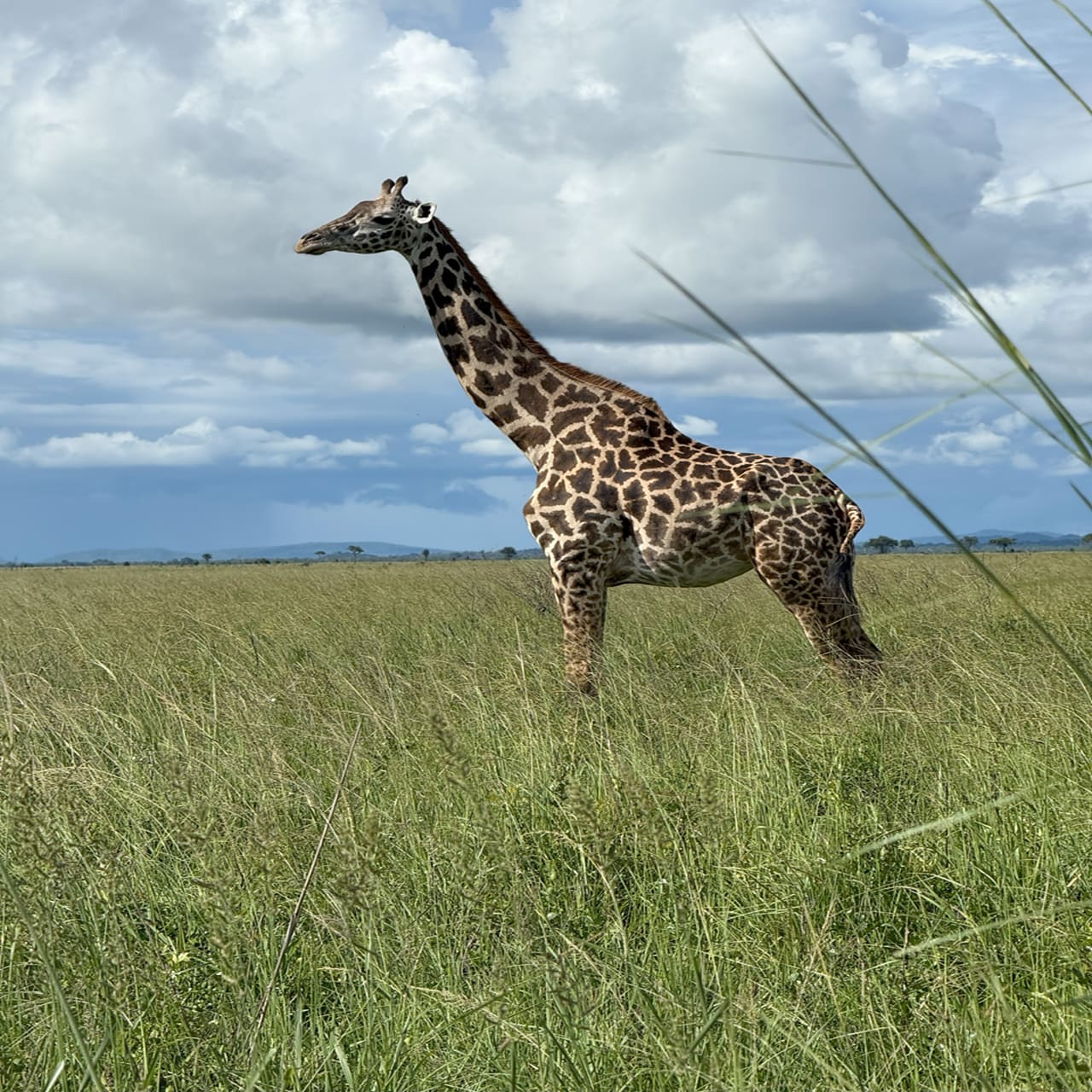
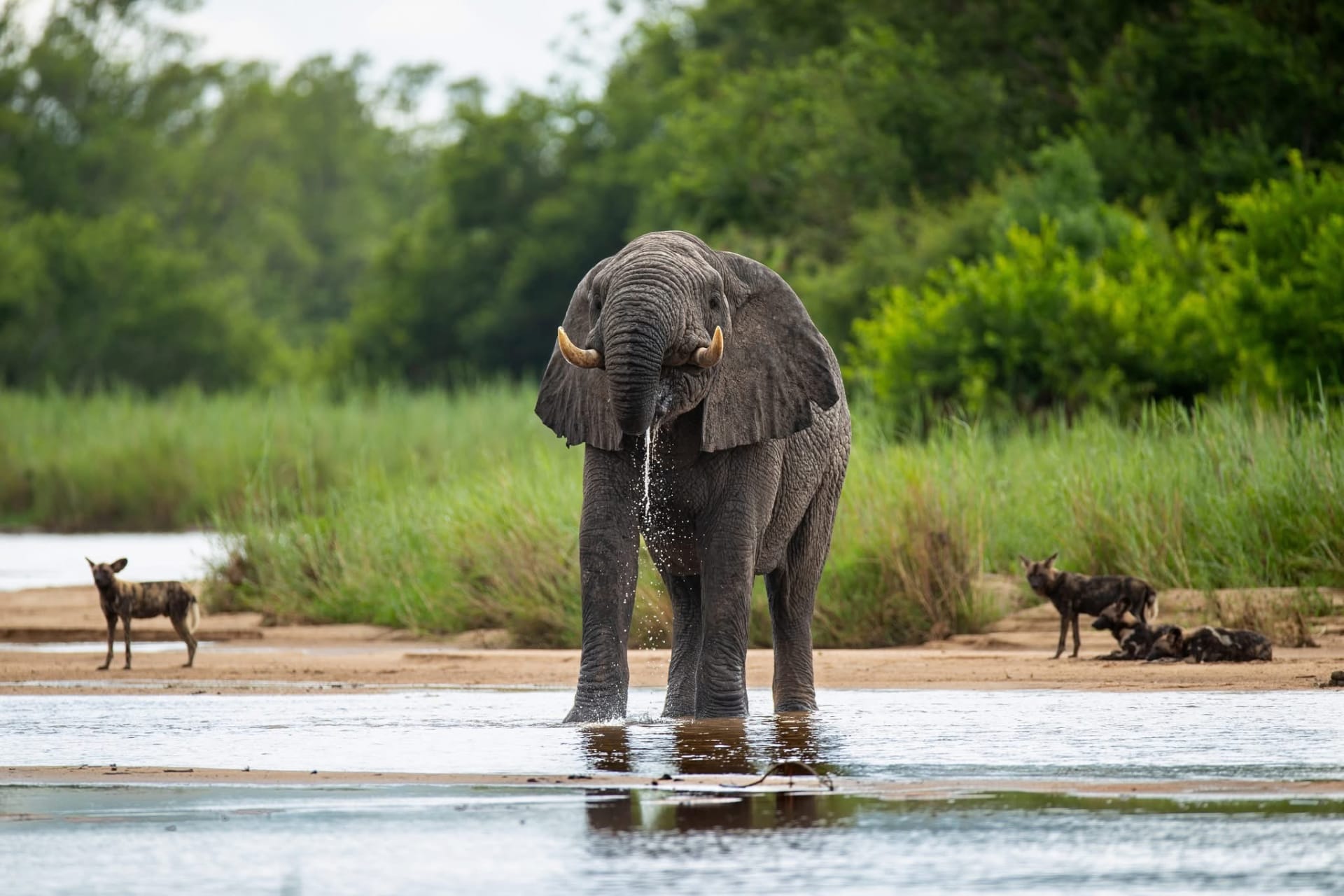
Nyerere National Park is renowned for maintaining some of Africa's most outstanding concentrations of wildlife. The park supports significant populations of the continent's largest predators and herbivores, including elephants, lions, leopards, buffalo, and giraffes. Visitors will encounter zebras, wildebeest, warthogs, and numerous antelope species including sable antelope and Lichtenstein's hartebeest.
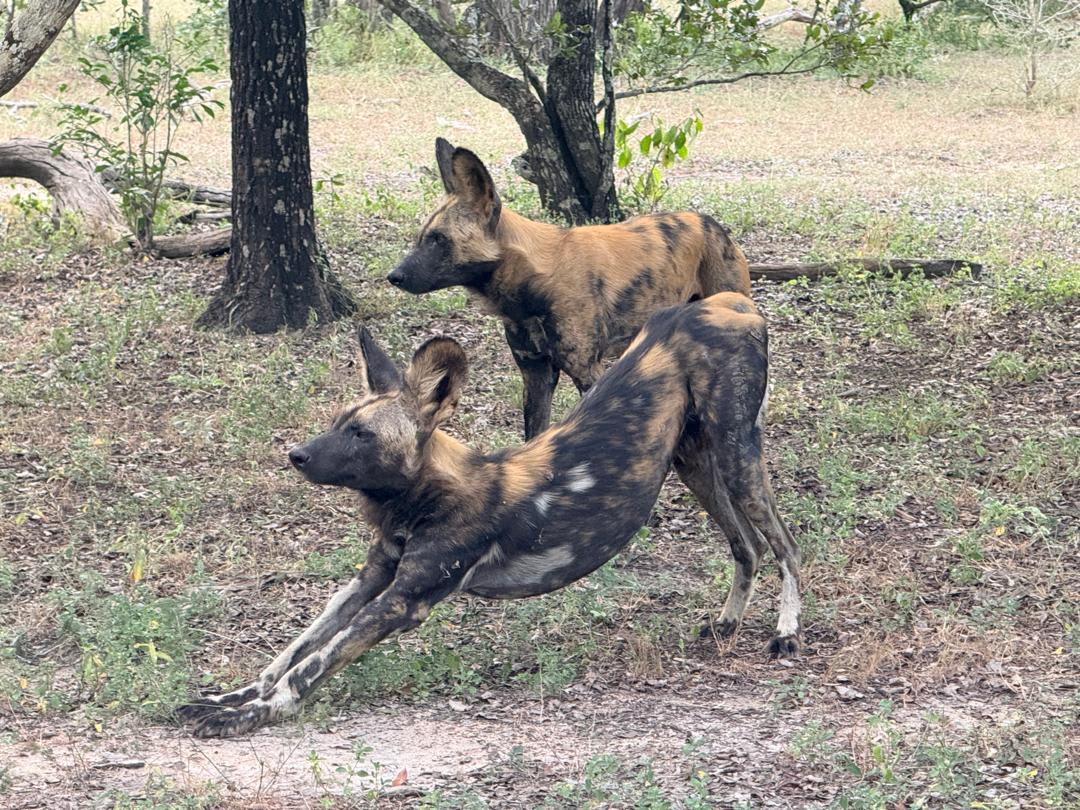
A particularly notable feature is the park's status as the last true stronghold for the endangered African wild dog. Additionally, the park provides crucial habitat for black rhinos and maintains healthy populations of hippopotamuses and Nile crocodiles. The predator-prey relationships remain relatively undisturbed, offering visitors authentic insights into natural ecological processes.
Avian Diversity
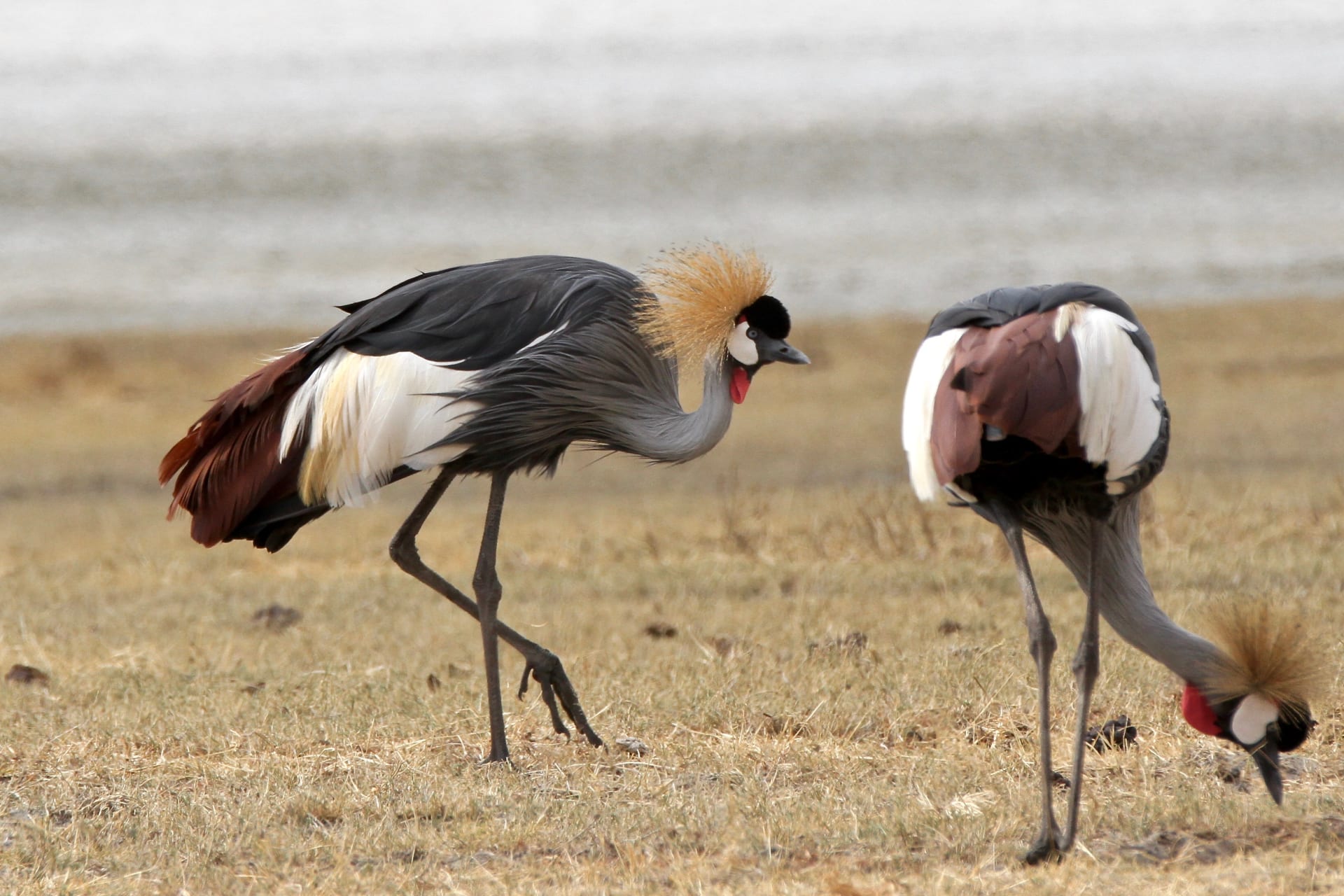
Birdwatchers will find exceptional opportunities to observe over 440 bird species throughout the park. The varied habitats—from riverine forests to open plains—support both resident and migratory species, making Nyerere a premier destination for ornithological enthusiasts.
The Rufiji River System
The mighty Rufiji River flows through the heart of Nyerere National Park, creating a dynamic landscape of lakes, deltas, and wetland habitats. Designated as a photographic zone, the river supports enormous populations of hippos and crocodiles while attracting diverse aquatic and bird species. The river's presence creates a unique blend of wetland and dry grassland ecosystems that characterize the park's remarkable biodiversity.
Best Time to Visit
The optimal visiting season depends on your priorities. The dry season, typically from June through October, offers the best game viewing conditions as wildlife congregates around water sources and vegetation is sparse, making animals easier to spot. During this period, temperatures are moderate and comfortable for outdoor activities.
The wet season, from November through May, transforms the landscape into lush green vegetation and brings excellent birdwatching opportunities. However, some roads may become challenging to navigate, and wildlife disperses more widely across the landscape. Regardless of season, Nyerere's vast size ensures remarkable wildlife encounters throughout the year.
Activities & Experiences
Game Drives
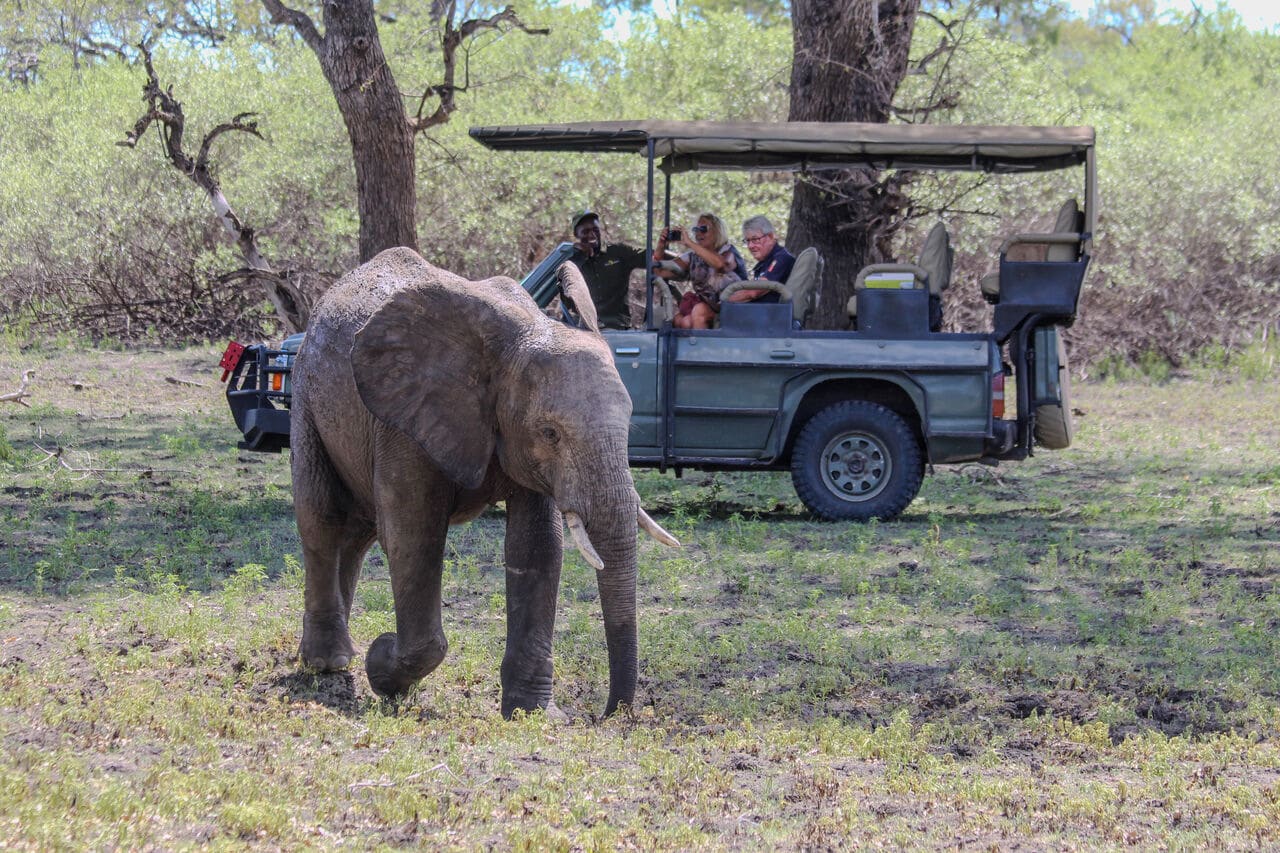
Standard game drives represent the most popular safari activity, allowing visitors to explore the park's diverse habitats from the comfort of a vehicle. Experienced guides navigate both main roads and remote tracks, maximizing wildlife viewing opportunities while providing expert interpretation of the ecosystem.
Boat Safaris
Unique to Nyerere's geography, boat safaris along the Rufiji River offer unparalleled perspectives on the park's wildlife. These excursions provide excellent opportunities to observe hippos, crocodiles, and waterbirds while enjoying the scenic beauty of the riverine landscape. Boat safaris are particularly rewarding during early morning and late afternoon hours.
Walking Safaris
For the more adventurous visitor, walking safaris offer intimate encounters with the bush. Guided on foot by expert trackers, visitors learn to identify animal footprints, droppings, and other signs while observing smaller creatures often missed during vehicle-based safaris. Walking safaris provide educational insights into tracking techniques and ecosystem details.
Fly Camping
The park's legendary fly camping experiences represent the ultimate immersive safari adventure. These remote camping trips deep within the wilderness offer unmatched opportunities for solitude, stargazing, and authentic connection with the African landscape.
Getting There
Most visitors reach Nyerere National Park via Dar es Salaam, Tanzania's largest city and primary international gateway. From Dar es Salaam, the journey involves either a domestic flight to airstrips within or near the park, or a lengthy road transfer. The park's remote location in southeastern Tanzania means that most visitors arrange their visits through established safari operators who coordinate all transportation logistics.
International flights typically arrive at Julius Nyerere International Airport in Dar es Salaam. From there, charter flights or scheduled domestic services transport visitors to the park's airstrips. Road access is possible but involves significant driving time, making it less practical for most tourists.
Practical Information
Costs & Budgeting
Safari costs in Nyerere National Park typically range from $300 to $700 per person per day, varying based on season, accommodation level, and specific activities selected. These rates generally include park fees, accommodation, meals, and guide services. Budget safaris offer exceptional value while luxury lodges provide premium experiences with enhanced amenities and exclusive access to remote areas.
Accommodation Options
The park offers diverse accommodation choices ranging from luxury safari lodges and tented camps to more basic facilities. Many operators provide all-inclusive packages that simplify planning and ensure coordinated logistics throughout your stay.
What to Bring
Essential items include binoculars for wildlife viewing, quality camera equipment with extra batteries and memory cards, sun protection including hat and sunscreen, and neutral-colored clothing for game drives. Insect repellent is recommended, particularly during wet season months.
Health & Safety Considerations
Visitors should consult healthcare providers regarding malaria prophylaxis, as the park is in a malaria-endemic region. Ensure routine vaccinations are current. The park maintains strong security and is generally safe for visitors who follow guide instructions and exercise standard safari precautions.
Park Administration
Nyerere National Park falls under the administration of TANAPA (Tanzania National Parks Authority). The park's conversion from game reserve to national park status in 2019 has strengthened conservation efforts and wildlife protection measures, offering visitors the assurance of visiting a well-managed protected area.
Nyerere National Park represents a world-class safari destination offering unparalleled opportunities to experience African wilderness in one of the planet's largest protected areas. Whether seeking thrilling wildlife encounters, peaceful river journeys, or transformative bush experiences, Nyerere delivers exceptional memories and genuine conservation impact.