Comprehensive Guide to Nyungwe National Park, Rwanda
Overview & Location
Nyungwe National Park stands as Rwanda's largest and one of Africa's most significant biodiversity hotspots. Covering 1,019 square kilometers of pristine landscape, this protected area represents one of the oldest rainforests on the African continent. Originally established as a forest reserve in 1903, Nyungwe was officially designated a National Park in 2004, joining Rwanda's network of four national parks alongside Volcanoes, Akagera, and Gishwati-Mukura.
Situated in southwestern Rwanda, Nyungwe's strategic location places it near the borders with Burundi to the south and the Democratic Republic of Congo to the west, with the shores of Lake Kivu forming part of its landscape. The park lies approximately six hours' drive from Kigali International Airport, making it accessible for visitors exploring Rwanda's natural wonders.
Wildlife & Natural Features
Biodiversity Hotspot
Nyungwe National Park is a sanctuary for extraordinary biodiversity. The forest encompasses dense Afromontane forests, bamboo-covered slopes, grasslands, and wetlands, receiving over 2,000mm of rainfall annually. This diverse ecosystem supports an impressive array of species that justifies its designation as a vital conservation area.
Mammal & Primate Species
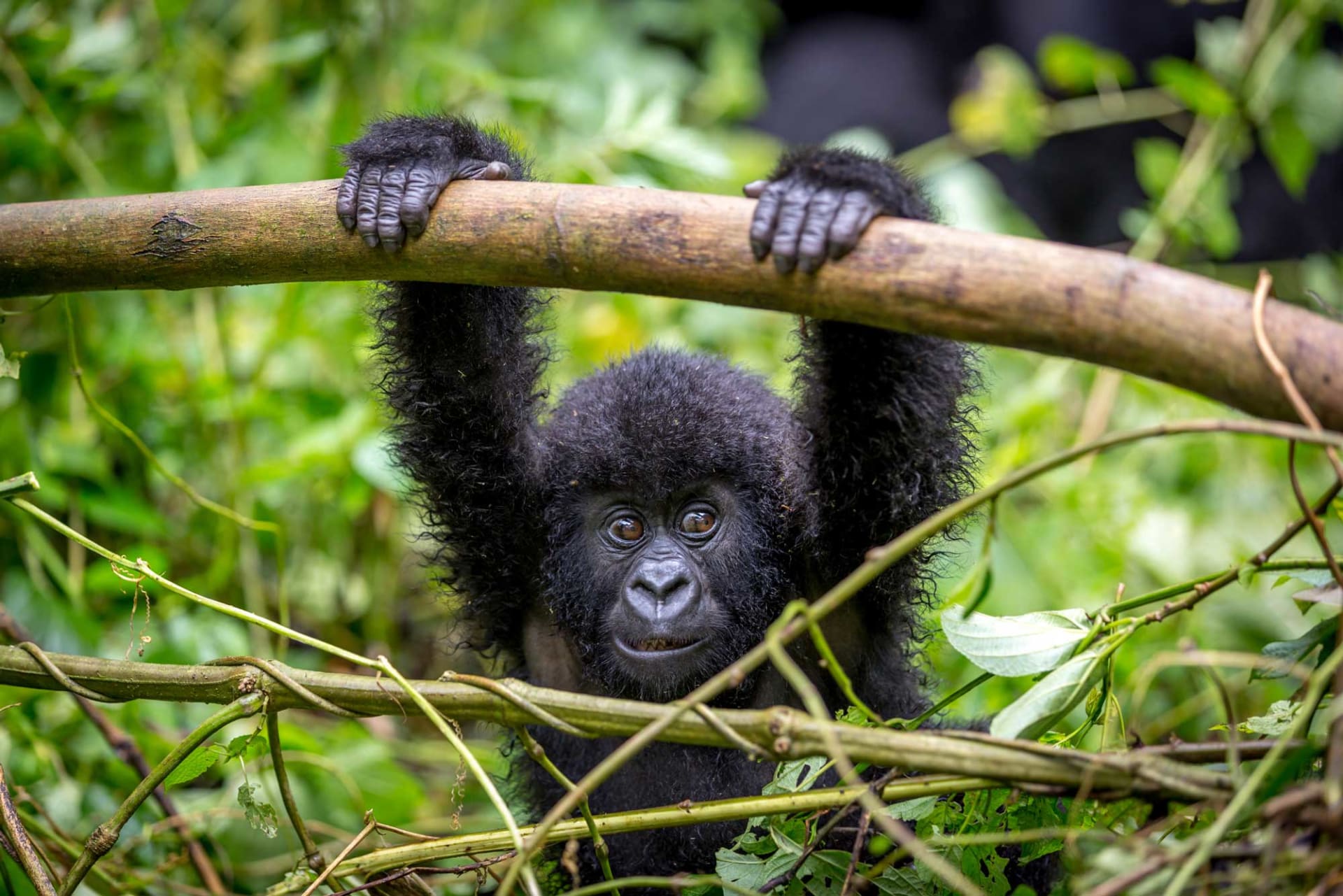
The park is home to 13 primate species, making it a premier destination for primate enthusiasts. Notable species include:
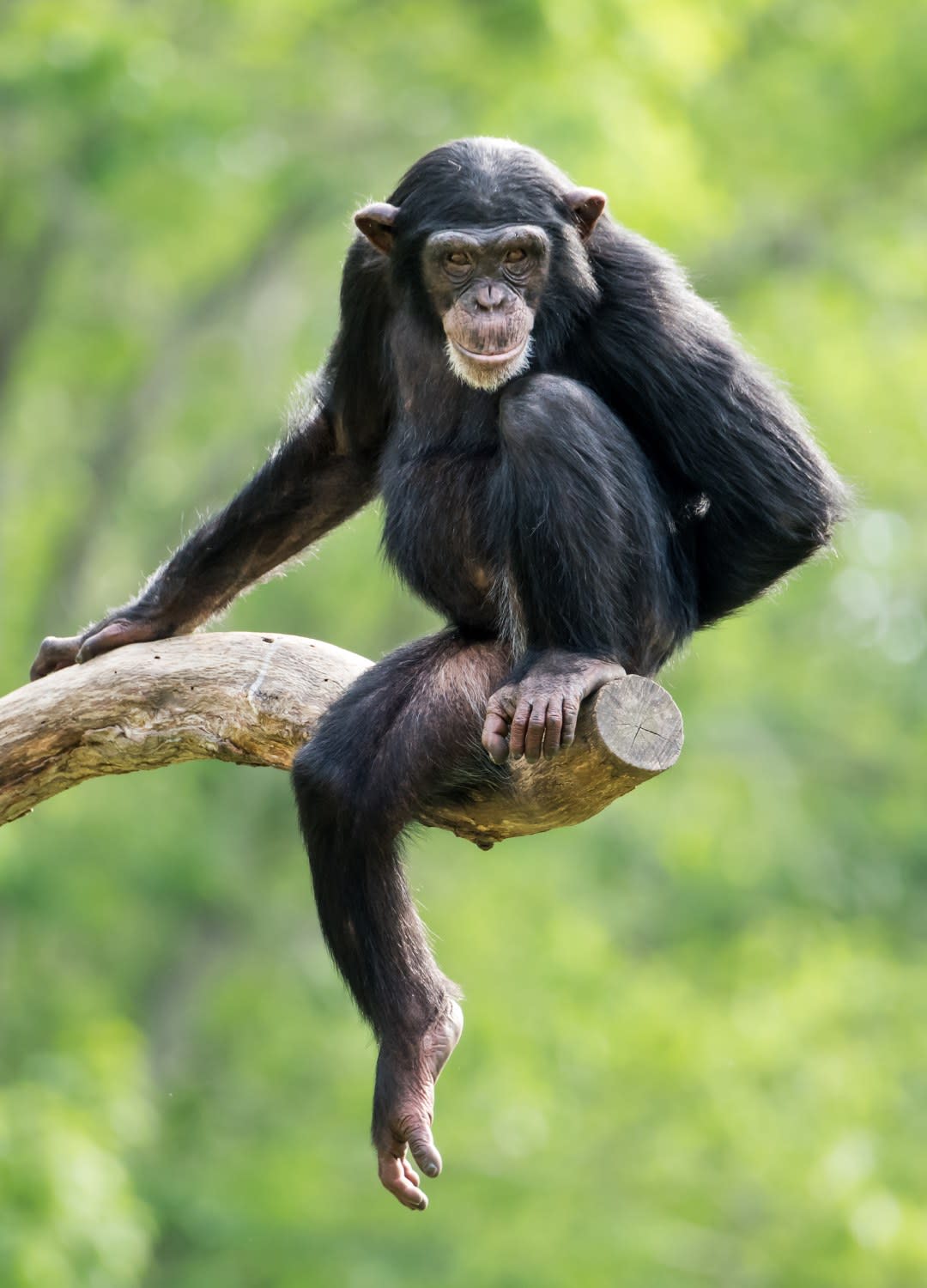
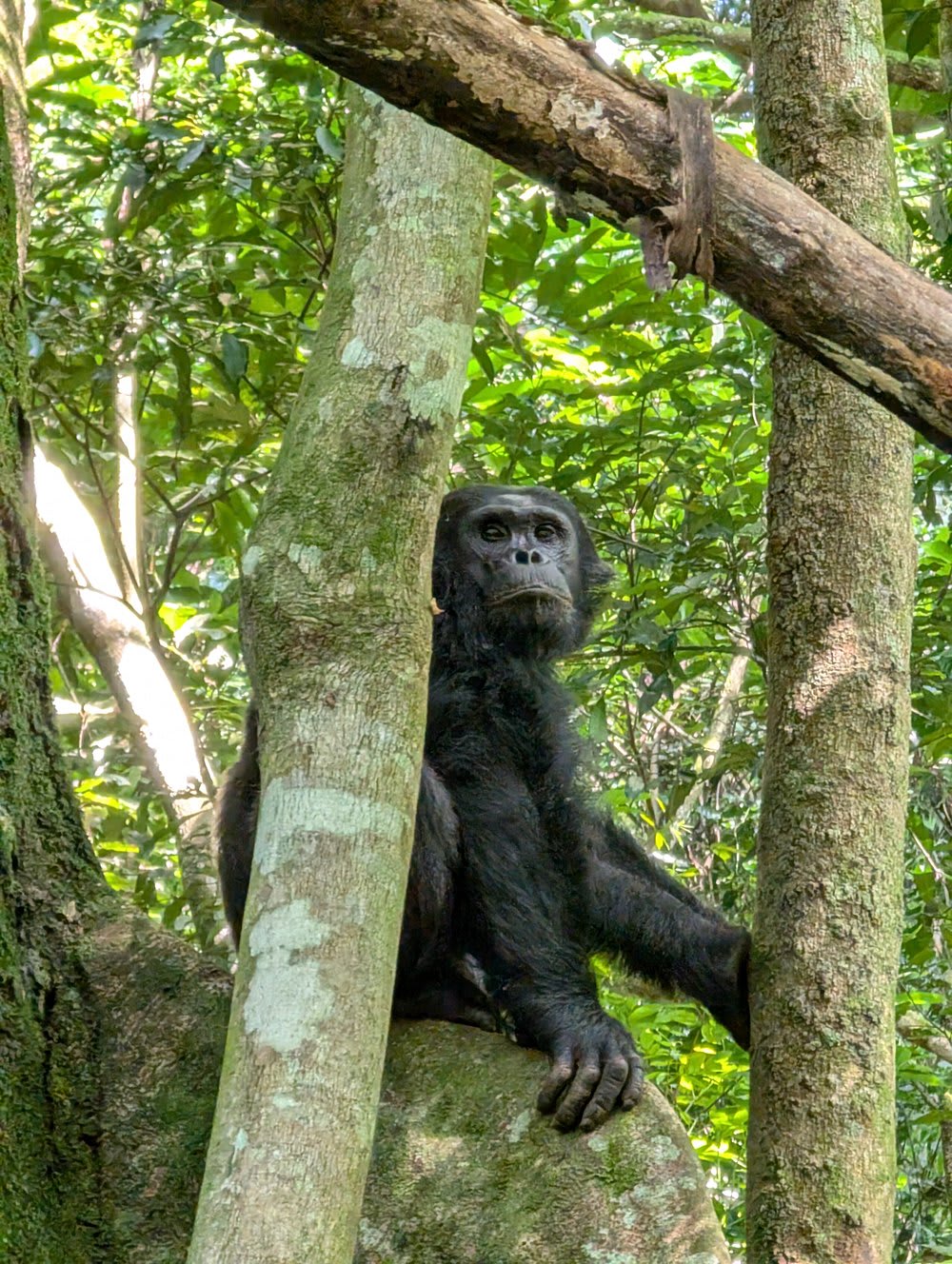
Chimpanzees (with semi-habituated troops available for trekking)
Golden monkeys
Black and white colobus monkeys
Galagos and pottos (nocturnal species)
Tree hyraxes and anomalures (scaly-tailed squirrels)
Beyond primates, Nyungwe supports over 85 known mammal species, providing diverse wildlife viewing opportunities throughout the park.
Avian Diversity
Ornithologists and bird watchers find Nyungwe particularly rewarding, with 322 bird species documented within the park. Notably, 30 species are endemic to the Albertine Rift region, making Nyungwe an exceptional destination for birding safaris. Expert bird guides are available to help visitors identify and observe these remarkable species.
Flora & Botanical Significance
The park's botanical richness is equally impressive, with over 1,100 recorded plant species and approximately 140 orchid species flourishing within its boundaries. This verdant ecosystem plays a crucial hydrological role, feeding two of the world's largest rivers—the Congo and the Nile—while providing a significant portion of Rwanda's fresh water supply.
Best Time to Visit
Nyungwe's equatorial rainforest climate means the park remains accessible year-round, though visitor experience varies seasonally. The dry seasons—typically June through September and January through February—offer optimal conditions for trekking and wildlife observation, with clearer skies and more comfortable hiking conditions.
The wet seasons bring lush vegetation and increased wildlife activity, though trails become more challenging. Regardless of season, visitors should prepare for substantial rainfall and pack accordingly. The park's year-round accessibility makes it a flexible destination for various travel schedules.
Activities & Experiences
Chimpanzee Trekking
One of Nyungwe's premier attractions is trekking to observe semi-habituated chimpanzee troops. This immersive experience allows visitors to witness these remarkable primates in their natural habitat, creating unforgettable wildlife encounters guided by experienced trackers.
Walking Safaris
Guided walking safaris throughout the park enable visitors to explore dense rainforests, rolling hills, and scenic valleys at a leisurely pace. These nature walks are particularly recommended for bird watchers and those seeking intimate forest experiences, allowing for detailed observation of flora, fauna, and ecosystem dynamics.
Canopy Walkway & Adventure Activities
For adventure seekers, Nyungwe offers an exciting canopy walkway experience and access to one of Africa's longest ziplines. These activities provide unique perspectives of the forest canopy and thrilling ways to engage with the park's landscape. Additionally, numerous hiking and cycling trails cater to varying fitness levels and interests.
Waterfall Exploration
The park features enchanting natural attractions, including the scenic Ndambarare and Kamiranozu waterfalls. These waterfall sites offer peaceful settings for contemplation and photography amid the forest environment.
Night Walks & Nocturnal Wildlife Viewing
Specialized night walks reveal Nyungwe's nocturnal ecosystem, where primates such as galagos, pottos, and tree hyraxes become active. These unique experiences showcase the forest's different character after dark and provide opportunities to observe species rarely seen during daylight hours.
Birdwatching Expeditions
Expert bird guides lead specialized birdwatching tours designed to help visitors identify and observe the park's 322 bird species. These guided experiences cater to both seasoned birders and casual enthusiasts interested in learning about avian diversity.
Getting There
By Road
The most common route to Nyungwe involves driving from Kigali International Airport, a journey of approximately six hours. Well-maintained roads connect the capital to the park, making self-drive or guided road tours feasible options for visitors with flexible schedules.
By Air
For those preferring expedited travel, Rwanda Air offers charter flights from Kigali Airport to Nyungwe National Park. These flights require advance booking and arrangement but significantly reduce travel time, allowing visitors to maximize time within the park.
Practical Information
Accommodation Options
Nyungwe provides various accommodation choices to suit different budgets and preferences. Visitors can stay at established campsites and guesthouses, including Uwinka Campsite and Guesthouse, Gisakura Campsite, and Gisovu Guesthouse. These facilities offer convenient bases for exploring the park while maintaining connections to nature.
Park Management & Conservation
African Parks and the Rwanda Development Board partner on conservation initiatives, including the Rwanda Wildlife Conservation Bond—an outcome-based financing program supporting forest restoration and biodiversity conservation. This collaborative approach ensures Nyungwe's long-term protection and sustainable management.
Visitor Services
Day visitor facilities are available throughout the park, with multiple entry points and activity centers. Experienced guides and naturalists facilitate all major activities, ensuring visitor safety and educational enrichment. Visitors should arrange activities in advance, particularly for specialized experiences like chimpanzee trekking and birding expeditions.
What to Bring
Essential items include waterproof hiking boots, rain gear, insect repellent, binoculars for birding, and sun protection. Given the forest environment and high rainfall, layered clothing allows adaptation to changing weather conditions. A camera with good zoom capabilities enhances wildlife photography opportunities.
Conclusion
Nyungwe National Park represents a world-class destination for nature enthusiasts, offering unparalleled opportunities to experience Africa's montane rainforest ecosystem. Whether tracking chimpanzees, observing endemic birds, or simply immersing oneself in pristine wilderness, visitors discover why this ancient forest remains one of the continent's most vital conservation areas. With diverse activities, excellent guides, and robust infrastructure, Nyungwe delivers memorable experiences while contributing to critical habitat preservation efforts.