The Okavango Delta: Africa's Premier Wilderness Destination
Overview & Location
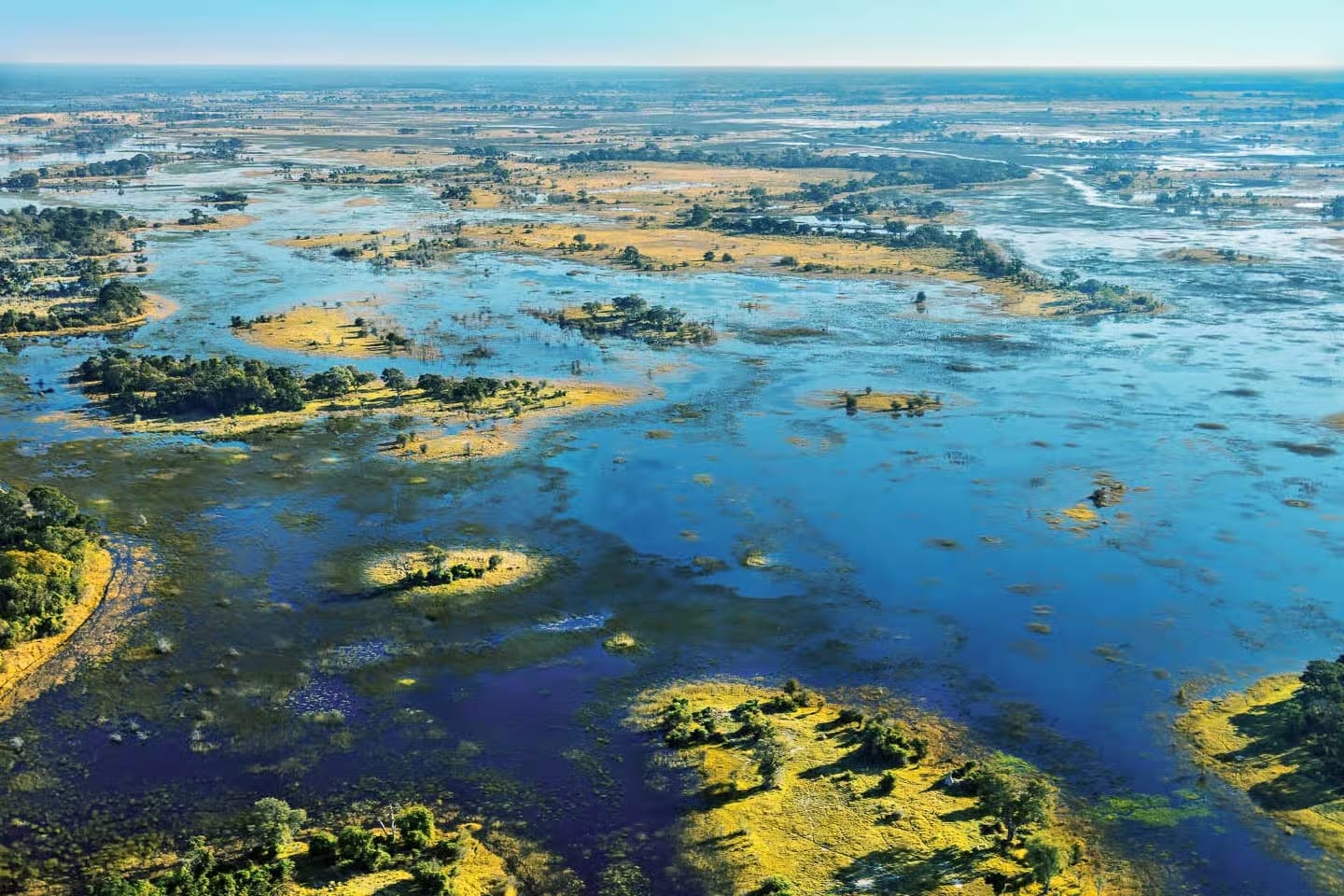
The Okavango Delta stands as one of Africa's most extraordinary natural wonders, recognized as a UNESCO World Heritage Site in 2014. This vast inland delta system sprawls across northwestern Botswana, covering approximately 2,023,590 hectares with an additional buffer zone of 2,286,630 hectares. Unlike most delta systems worldwide, the Okavango is an endorheic delta—its waters drain into the Kalahari Desert rather than reaching the ocean.
The delta originates from the highlands of Angola, where over 95 percent of its water begins as rainfall. This life-giving water travels southeastward through the Cubango and Cuito rivers, eventually spreading into a fan-shaped wetland system comprising approximately 600,000 hectares of permanent swamps and up to 1.2 million hectares of seasonally flooded grassland.
Key Facts:
Total Protected Area: 2,023,590 hectares
Location: Northwestern Botswana
Permanent Swamps: ~600,000 hectares
UNESCO Status: World Heritage Site (2014)
Ramsar Wetland Site: Designated September 12, 1996
Wildlife & Natural Features
Exceptional Biodiversity
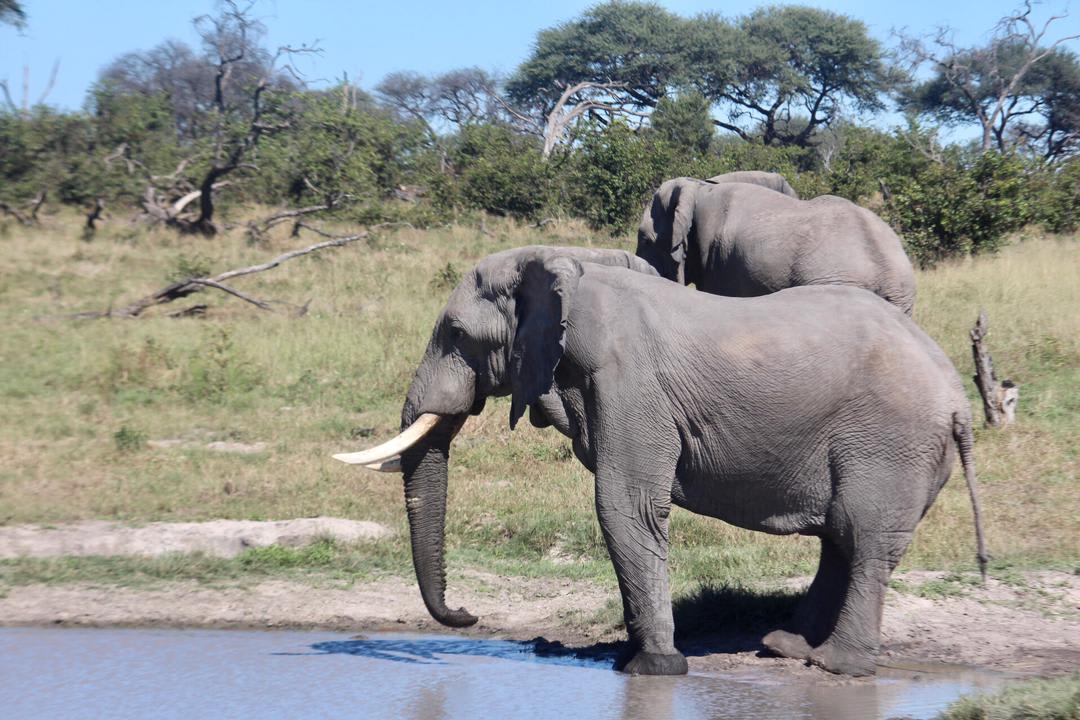
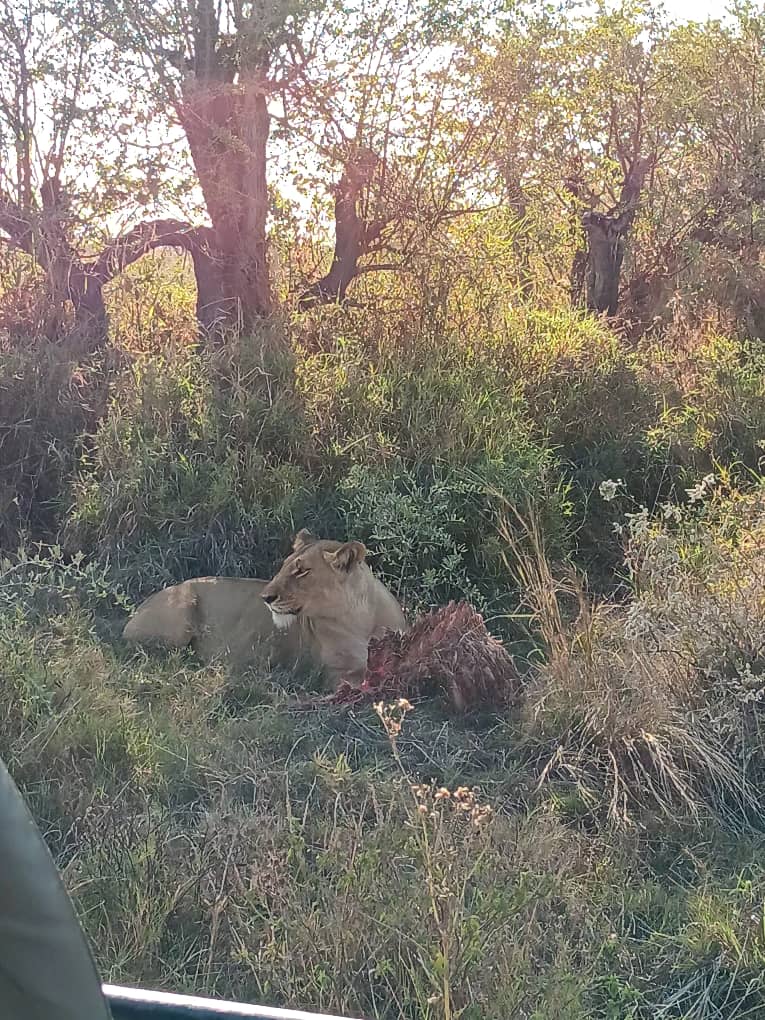
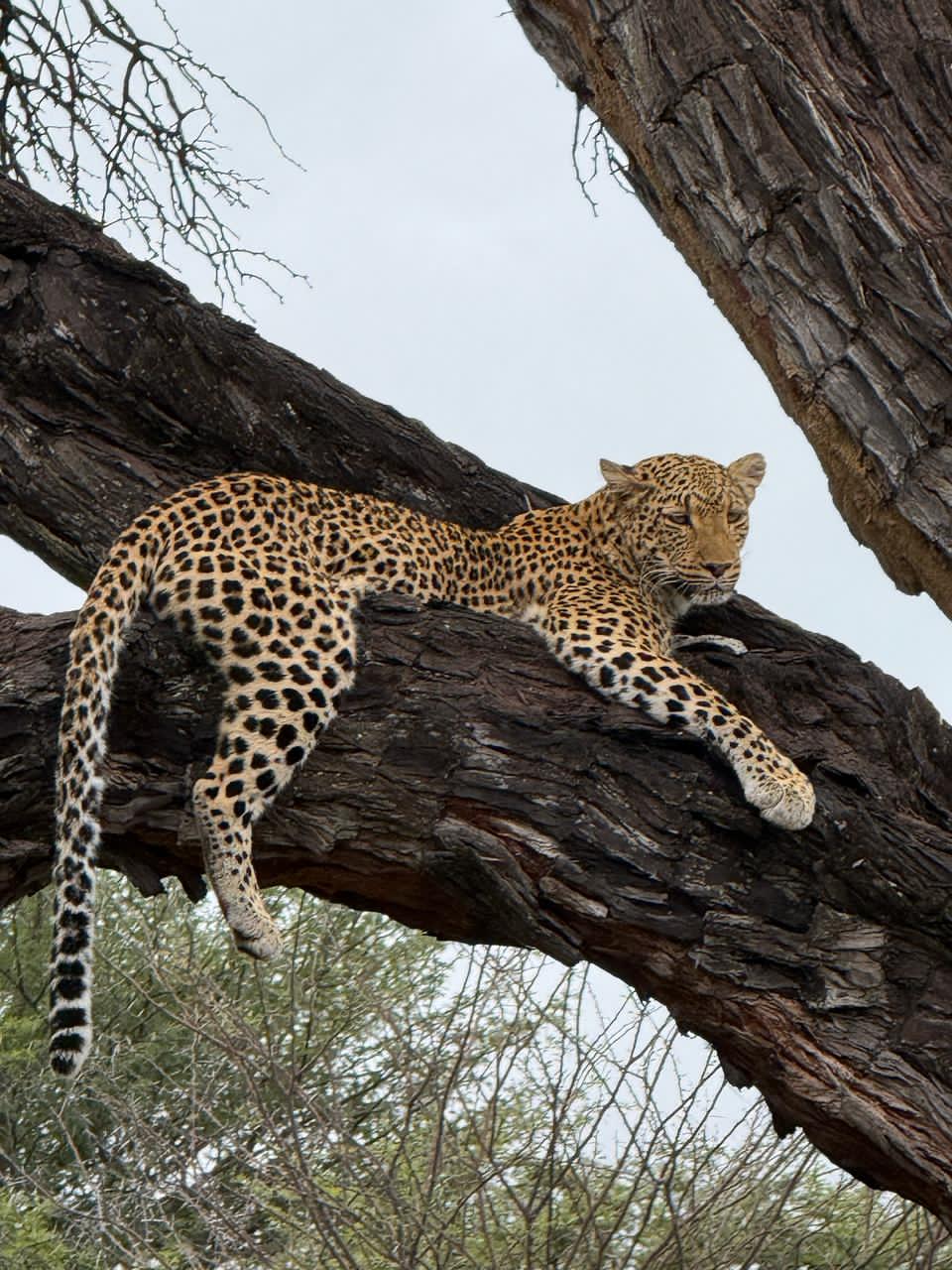
The Okavango Delta is one of the most biodiverse regions in Africa, supporting an astonishing array of wildlife species. The delta is home to the world's largest remaining elephant population, with massive herds converging on the waterways, particularly during the dry season. All five of Africa's "Big Five" game animals—lion, leopard, African buffalo, African bush elephant, and black and white rhinoceros—inhabit the region.
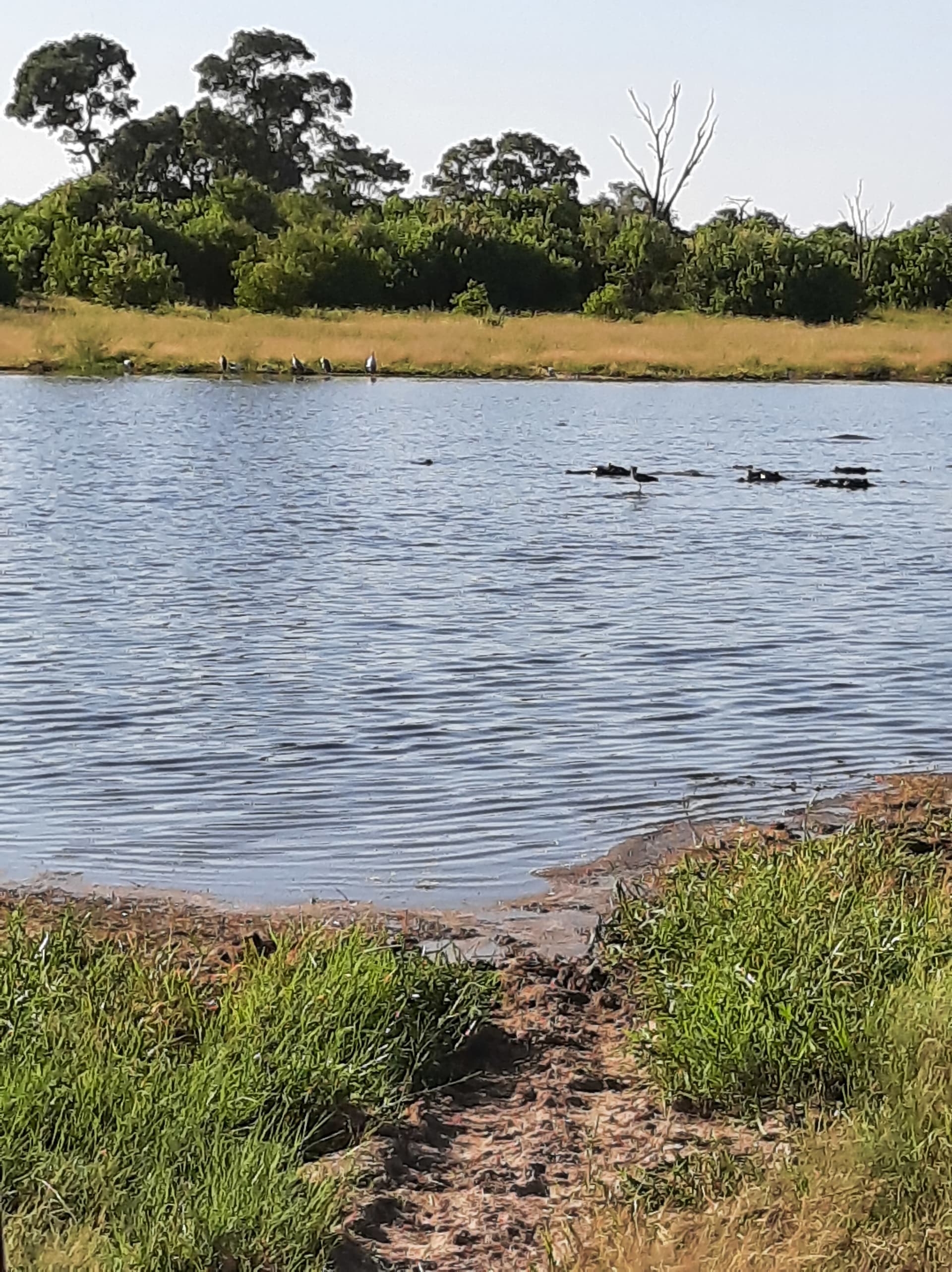
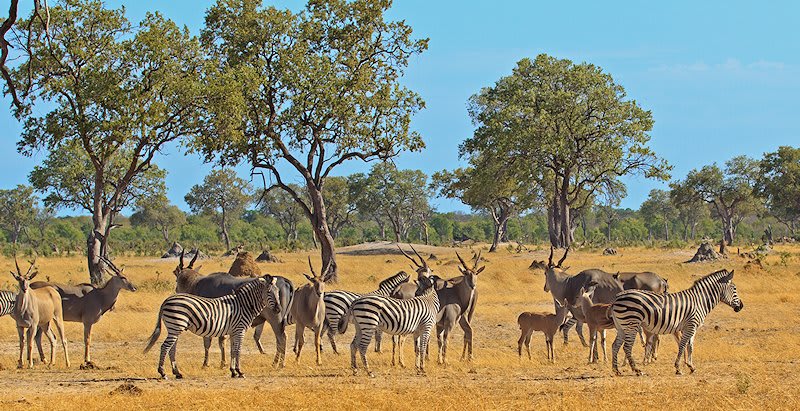
Beyond the iconic megafauna, visitors encounter hippos, crocodiles, wild dogs, red lechwe, zebras, warthogs, and baboons. The sheer concentration of game in the delta is remarkable, with huge herds splashing through the clear waters and creating unforgettable safari moments.
Avian Paradise
Bird enthusiasts consider the Okavango Delta a premier destination, with more than 480 species recorded in the area. The wetland's diverse habitats—from papyrus swamps and reed beds to acacia forests and mopane woodlands—provide ideal conditions for both resident and migratory bird species.
Flora & Landscape
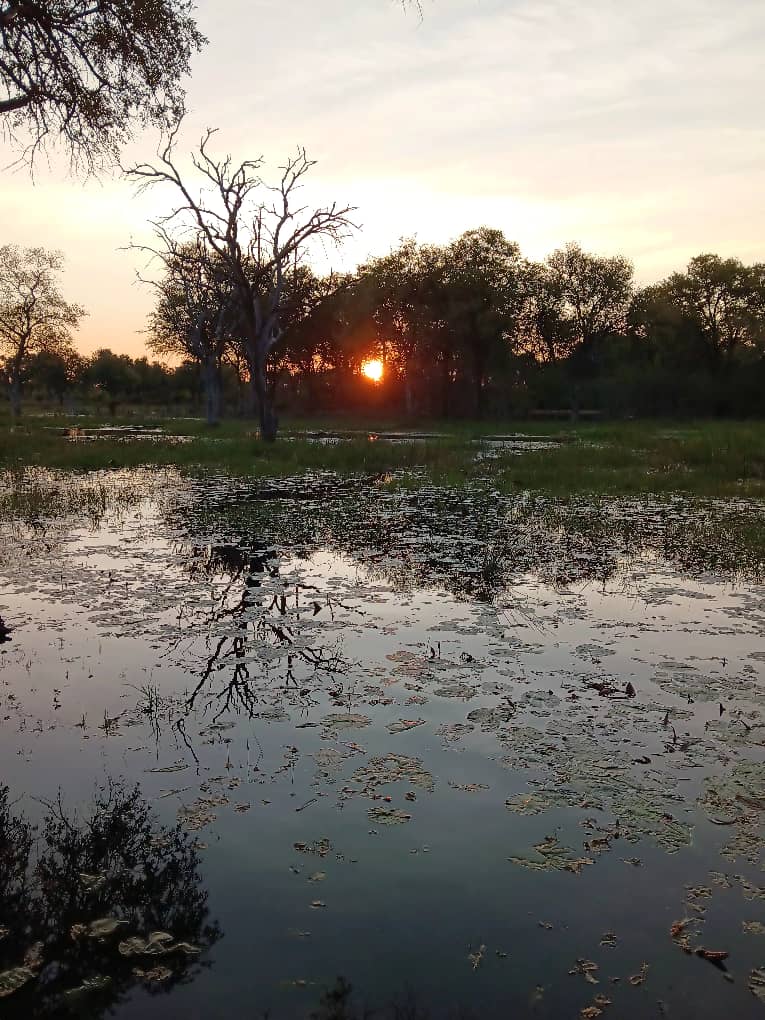
The delta presents a remarkable juxtaposition of vibrant wetland set within an arid landscape. The ecosystem encompasses over 1,000 plant species, including forests of giant acacia trees, mopane woodlands, reed banks, and expansive marshlands. The seasonal flooding transforms the landscape dramatically, creating a spectacular natural phenomenon that supports the abundance of wildlife.
Best Time to Visit
Dry Season (May to October)
The dry season represents the optimal time for safari experiences in the Okavango Delta. As water becomes scarce across the broader landscape, wildlife concentrates around the delta's permanent water sources, creating exceptional viewing opportunities. June and July are particularly rewarding months, as the winter season floods trigger dramatic wildlife displays with large herds of elephants, buffalo, red lechwe, and zebras converging at the waterways.
Wet Season (November to April)
The wet season brings lush vegetation and abundant birdlife, though wildlife becomes more dispersed. This period offers a different safari experience with fewer visitors and lower accommodation rates. However, water levels can make some areas inaccessible, and certain camps may have limited operations.
Activities & Experiences
Game Viewing Safaris
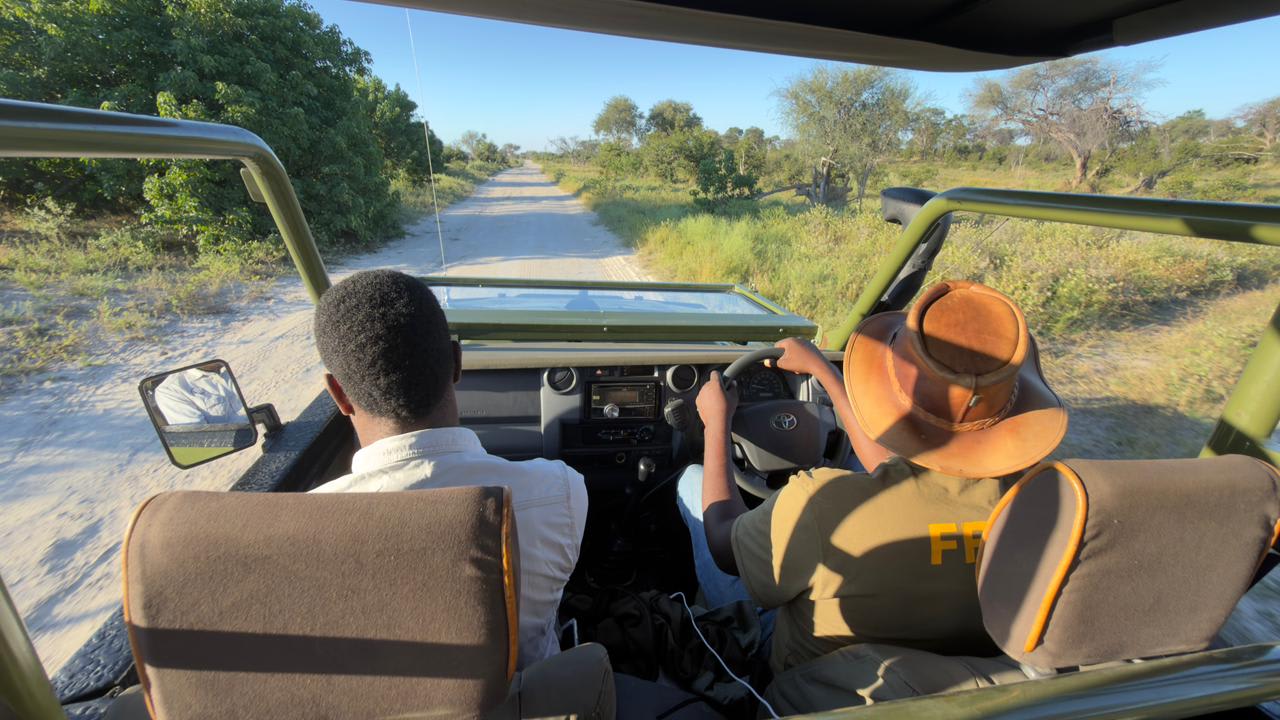
Traditional game drives remain the cornerstone of Okavango Delta experiences. Professional guides lead visitors through diverse habitats, tracking wildlife and providing expert interpretation of animal behavior and ecosystem dynamics. The delta's varied terrain—from open plains to dense woodlands—offers diverse viewing opportunities throughout the day.
Water-Based Adventures
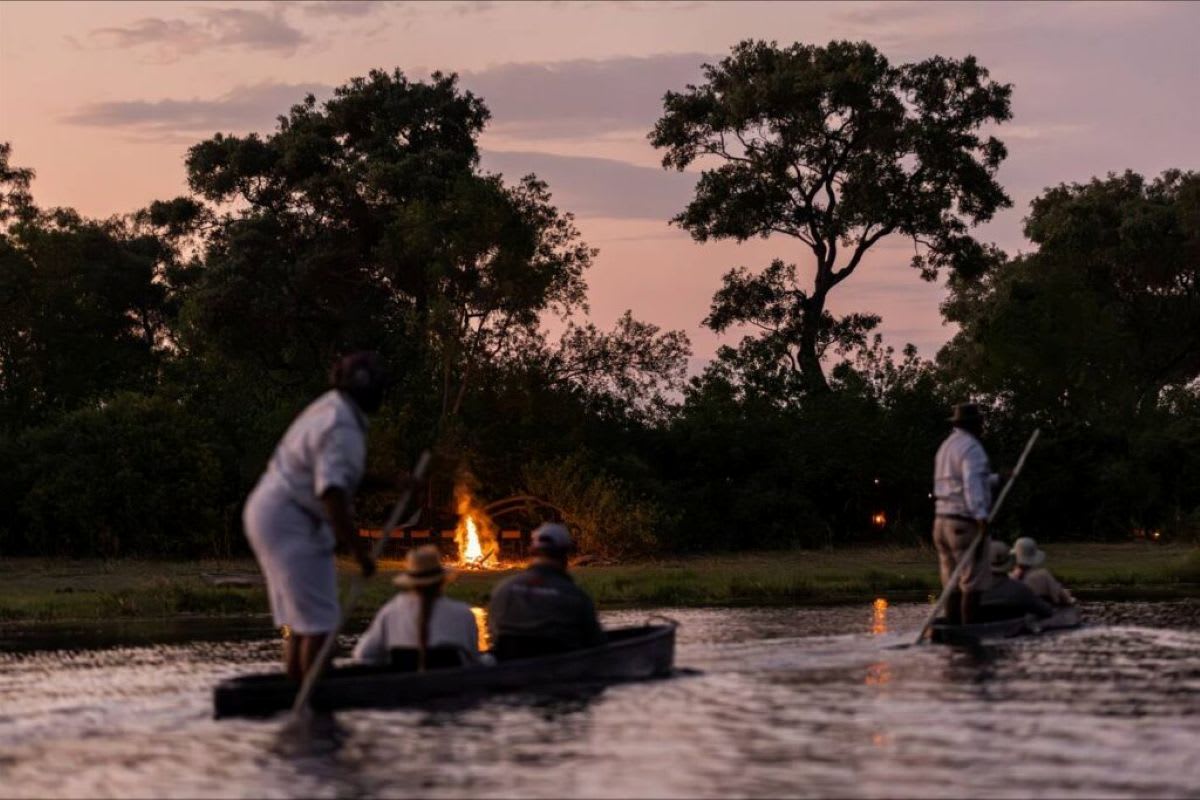
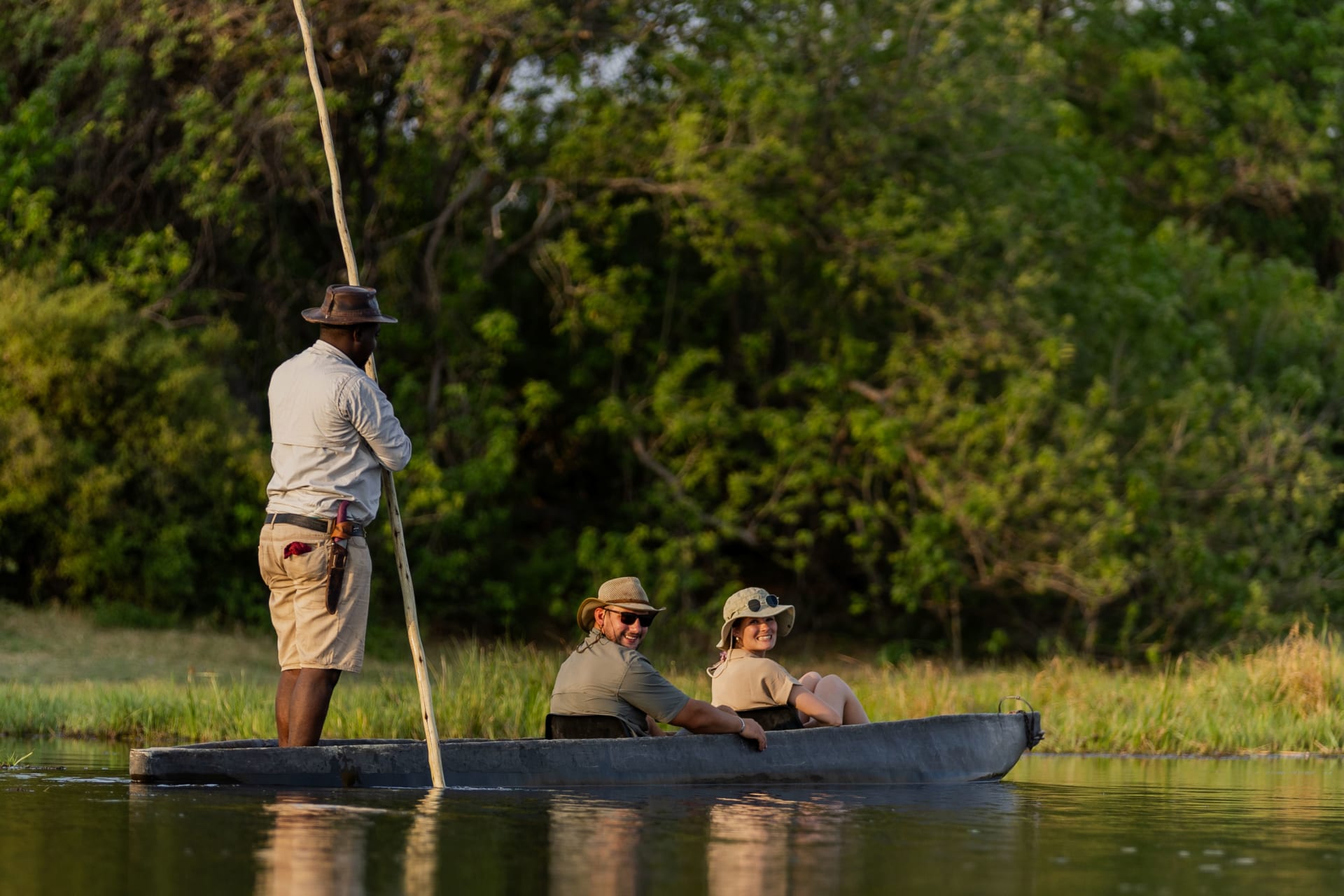
Mokoro (traditional dugout canoe) trips offer intimate wildlife encounters as visitors glide silently through papyrus-lined channels. This gentle approach allows close observation of water-dependent species including birds, hippos, and crocodiles without disturbing the animals. Boat safaris provide another perspective, covering greater distances while maintaining excellent visibility.
Walking Safaris
Guided walking safaris provide immersive experiences, allowing visitors to observe smaller wildlife, track animals, and understand the delta's ecology on foot. Experienced guides share detailed knowledge of flora, fauna, and conservation efforts while maintaining safety standards.
Cultural Experiences
Visitors can engage with local communities, including the BaYei and BaHambukushu peoples who have inhabited the delta for millennia. These interactions provide insight into traditional lifestyles and the cultural heritage of the region.
Getting There
Air Access
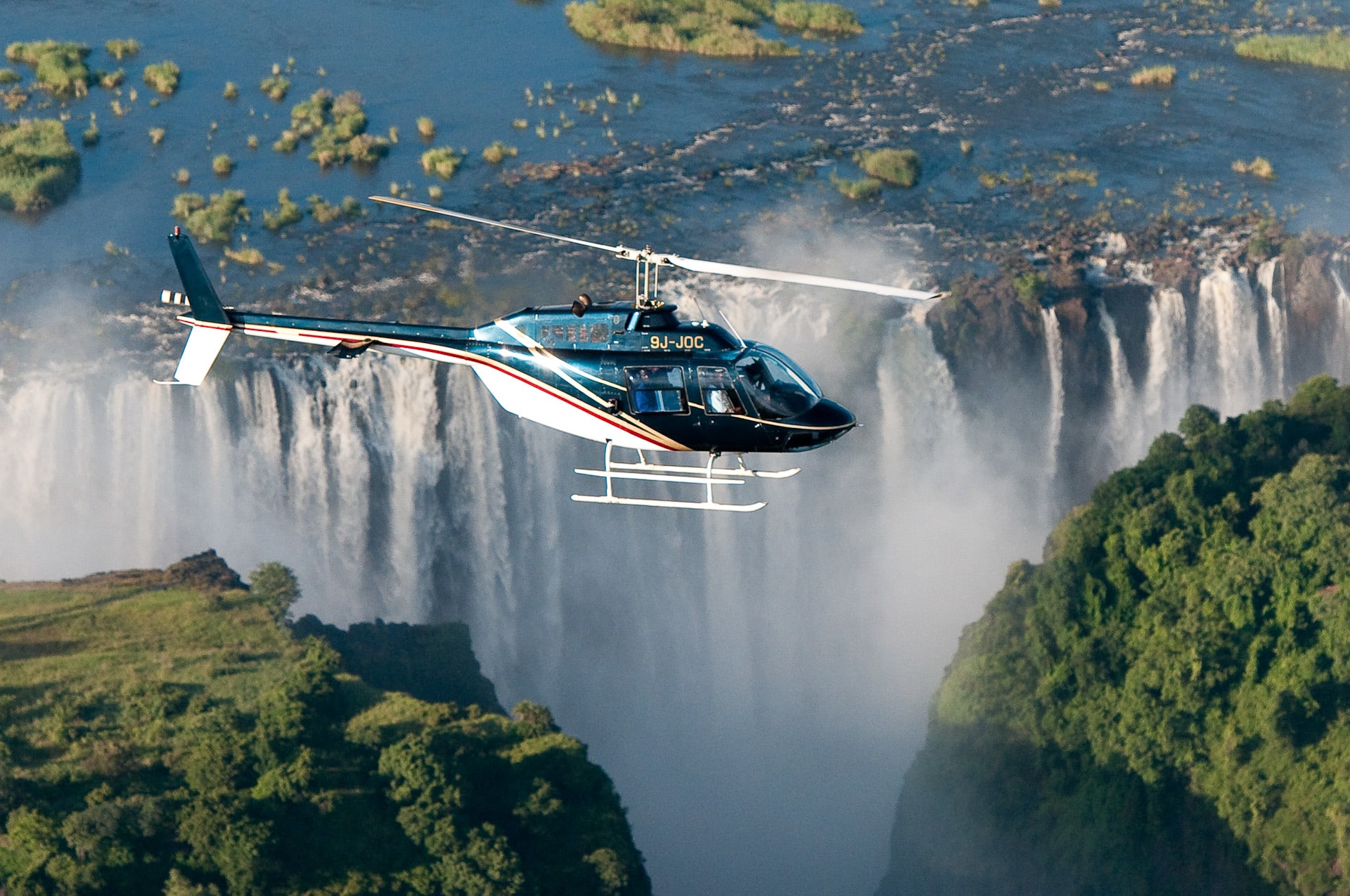
Most visitors access the Okavango Delta via air, flying into Maun, Botswana's primary gateway. International flights connect Maun to major African hubs, while charter flights transport visitors from Maun to airstrips serving individual camps and concessions throughout the delta.
Protected Areas & Concessions
Approximately 40 percent of the delta's protected lands fall within Moremi Game Reserve. The remainder comprises 18 Wildlife Management Areas and Controlled Hunting Areas managed by community trusts or private tourism concession-holders. This management structure balances conservation with sustainable tourism development.
Practical Information
Accommodation Options
The Okavango Delta offers diverse lodging options ranging from luxury camps to more budget-conscious facilities. Most camps operate on all-inclusive packages incorporating meals, game drives, and activities. Accommodations are strategically positioned throughout the delta to maximize wildlife viewing while minimizing environmental impact.
What to Pack
Neutral-colored clothing for wildlife viewing
Lightweight, breathable fabrics for hot days
Warm layers for cool evenings and early mornings
Wide-brimmed hat and sunglasses
High SPF sunscreen
Comfortable walking shoes and sandals
Binoculars for bird and wildlife viewing
Camera equipment with adequate memory and batteries
Health & Safety Considerations
Consult a travel medicine specialist regarding vaccinations and malaria prophylaxis. The delta region requires standard precautions including insect repellent and protective clothing. Professional guides and camp staff maintain rigorous safety protocols for all activities.
Conservation & Sustainability
Legal protection is afforded through Botswana's Wildlife Conservation and National Parks Act of 1992 and associated conservation policies. The balance between tourism and conservation has established the Okavango Delta as a model for sustainable wildlife tourism, allowing visitors to experience pristine wilderness while contributing to conservation efforts.
Planning Your Visit:
Book accommodations and activities 3-6 months in advance, particularly for peak season (June-October). Most camps offer flexible packages and can customize itineraries based on visitor interests and wildlife viewing preferences.