1 / 5
1 / 5🇰🇪 Kenya
Ol Pejeta Conservancy
Size
36,500 km²
Elevation
1,800 m
Entry fee
Loading SafariFind...
1 / 5Size
36,500 km²
Elevation
1,800 m
Entry fee
SafariFind app
Keep up with your inquiries and bookings, and message operators wherever you are.

$75
Ideal stay
3 days
 8 daysPrivate
 Savannah Budget Safaris
 10 daysPrivate
 Trek Afrika Adventures
  10 daysPrivateTrek Afrika Adventures
  5 daysPrivateTrek Afrika Adventures
  4 daysPrivateTrek Afrika Adventures
  3 daysPrivate
 KAITECH TRAVEL LTD
 7 daysPrivate
 African Hagyko Safaris ltd
 8 daysPrivateAfrican Hagyko Safaris ltd
 6 daysPrivateAfrican Hagyko Safaris ltd
 7 daysPrivateAfrican Hagyko Safaris ltd
 7 daysPrivateAfrican Hagyko Safaris ltd
 7 daysPrivateAfrican Hagyko Safaris ltd
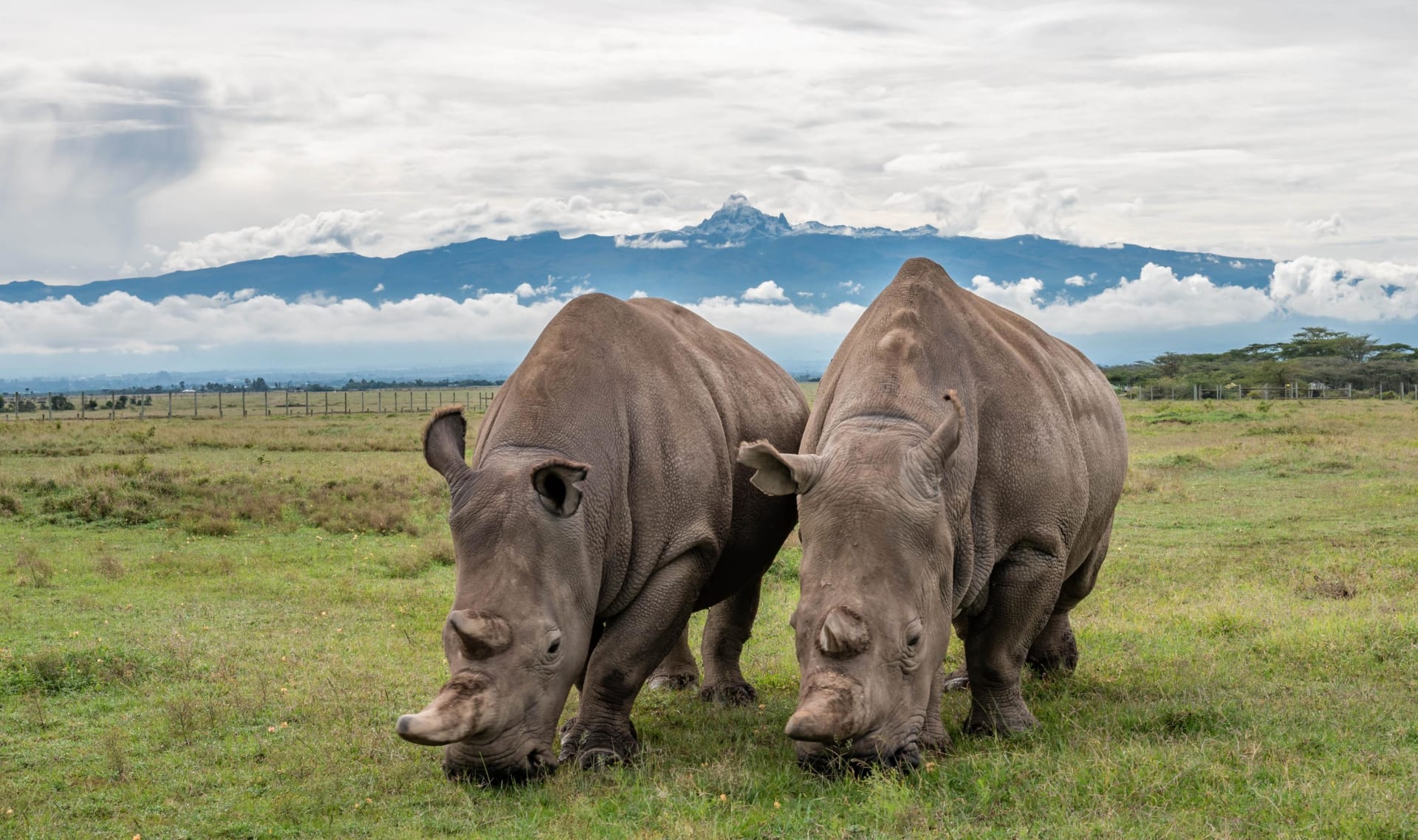
Ol Pejeta Conservancy is situated near Nanyuki Town on the equator in Laikipia County, Kenya, positioned between the foothills of the Aberdares and the snow-capped Mount Kenya. The main gate is 14 kilometers from the equator turn-off, just before Nanyuki, approximately 200 kilometers north of Nairobi.
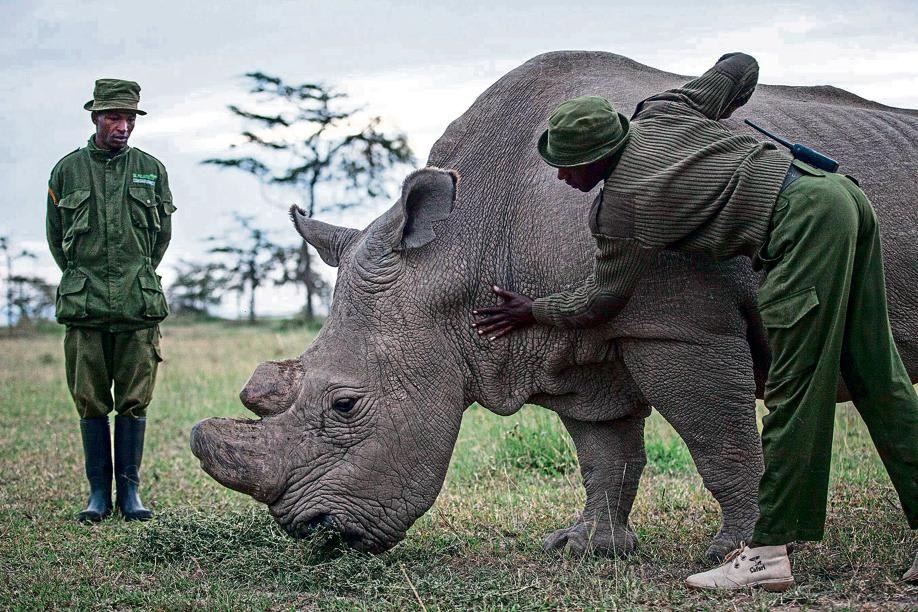
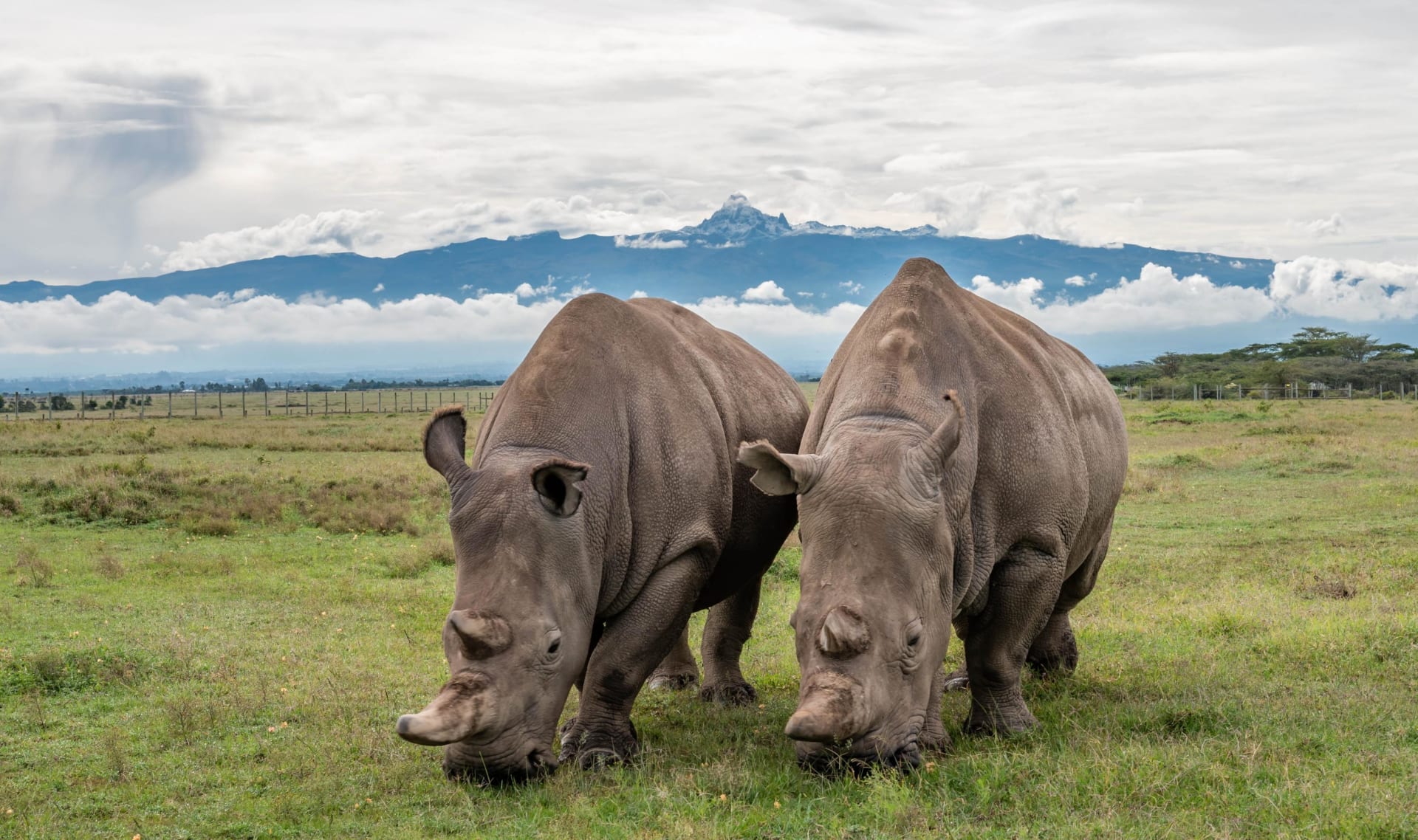
Ol Pejeta is home to the world's last two northern white rhinos, Kenya's only chimpanzee sanctuary, and holds some of the highest predator densities in Kenya. The conservancy uniquely combines wildlife conservation with cattle ranching and offers hands-on conservation experiences such as lion tracking with researchers and anti-poaching dog encounters, making it both a safari destination and educational conservation center.
Ol Pejeta offers different rates for citizens, residents, and international visitors. International visitor entry fees are approximately $75 USD per day. The conservancy provides detailed 2023-2024 tariff brochures with specific pricing for various activities, accommodations, and packages. Current rates are available on the official website at www.olpejetaconservancy.org or by contacting reservations@olpejetaconservancy.org.
Yes, Ol Pejeta's Tourism Office can assist in developing comprehensive itineraries combining the conservancy with other Kenyan destinations, including flights and road transfers. Contact the Tourism Office at reservations@olpejetaconservancy.org or call +254 707 187 141 with your requirements, and they will work with you to create a customized safari experience.
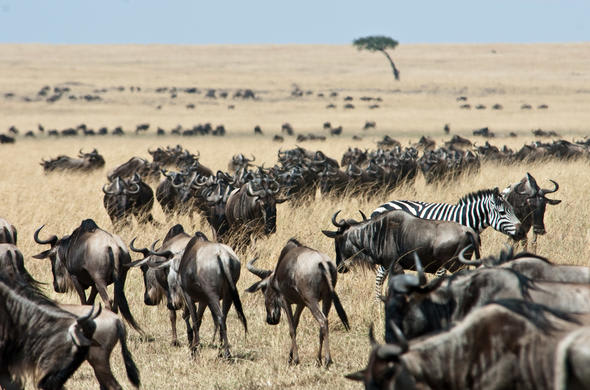
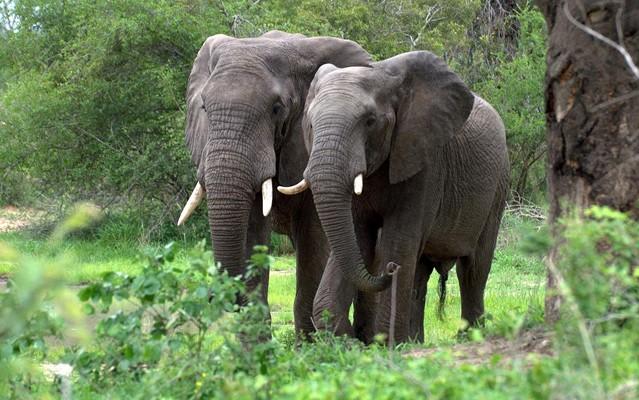
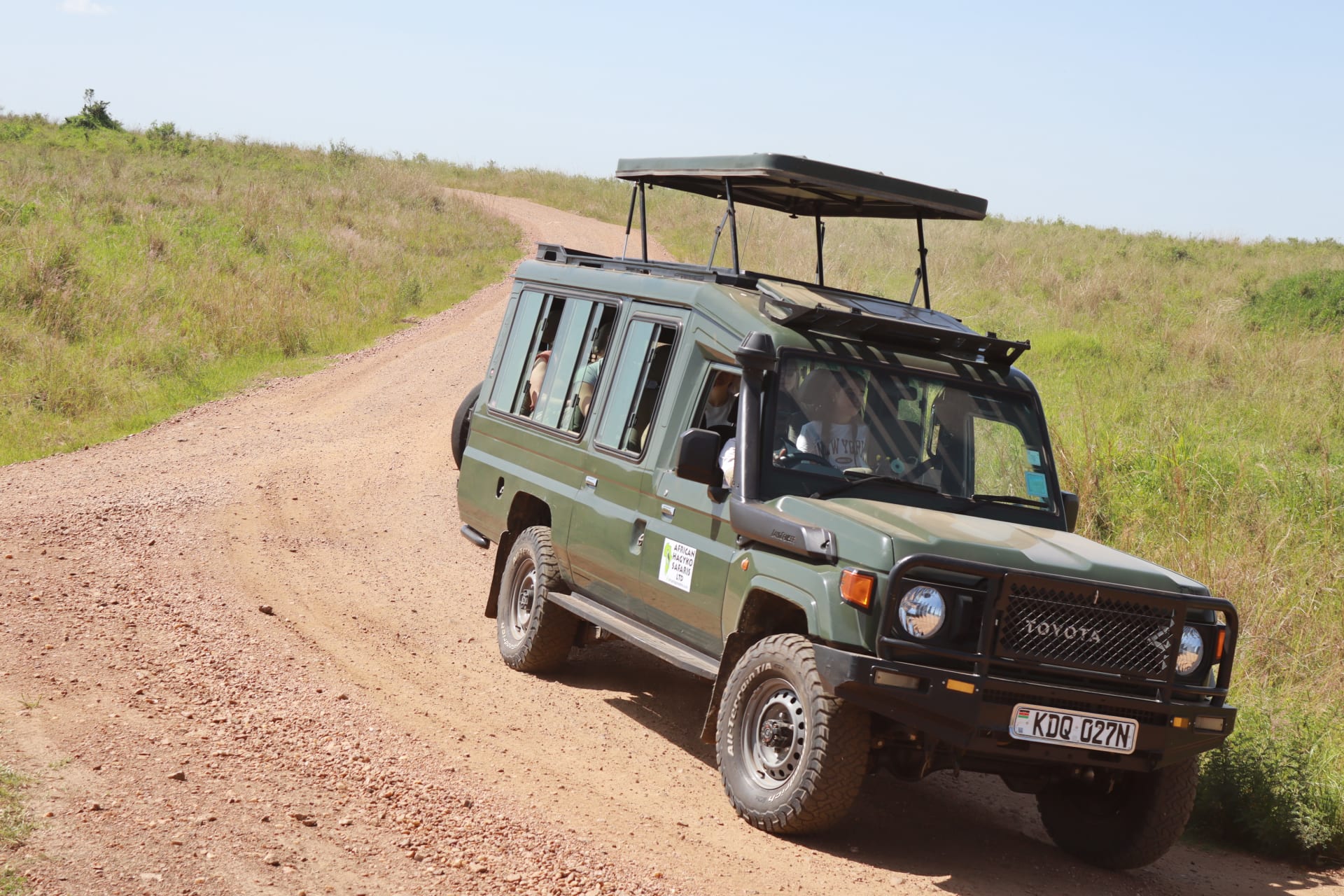
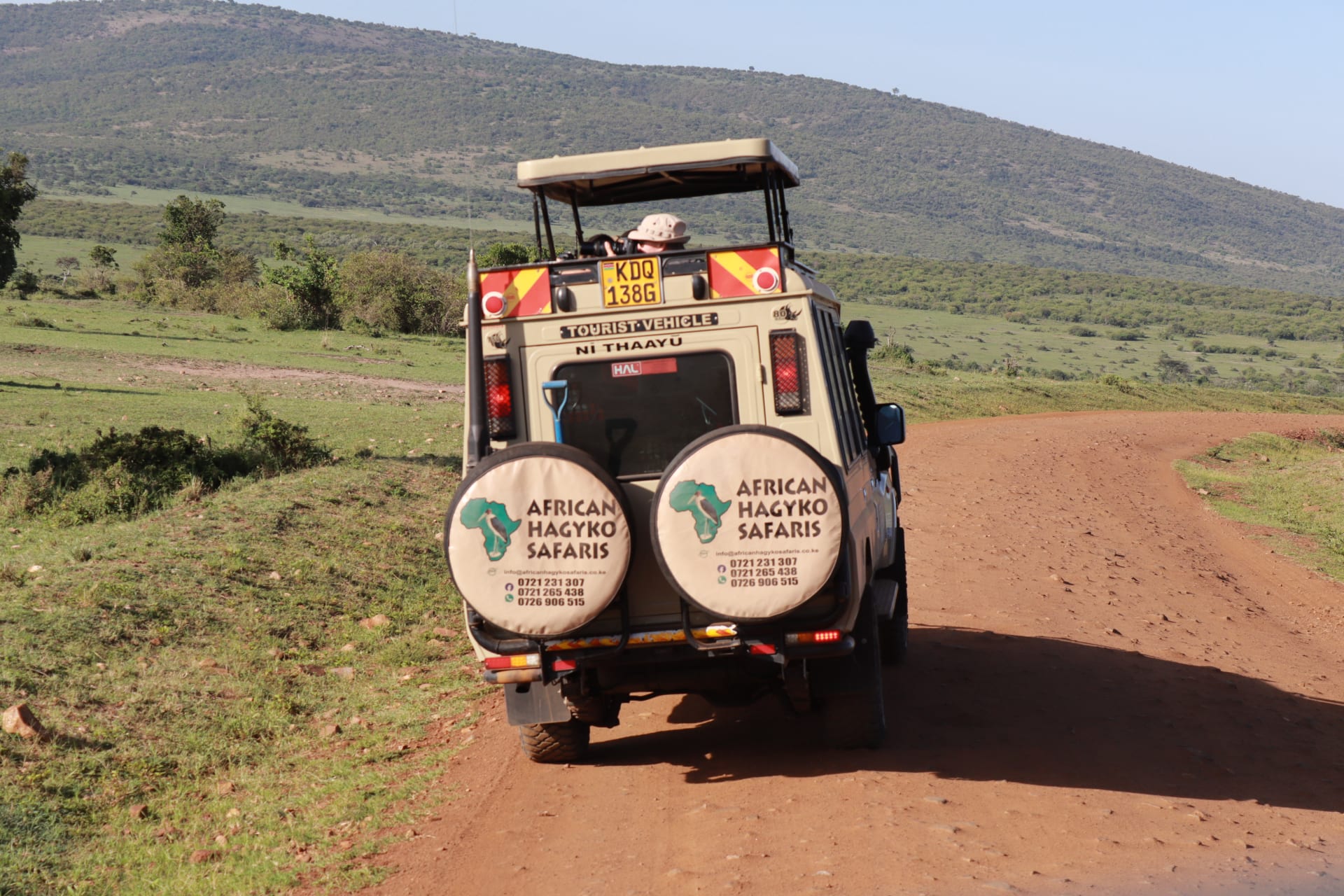
Wildlife viewing at Ol Pejeta includes guided day and night game drives, walking safaris, and specialized experiences such as lion tracking with researchers, rhino sanctuary exploration, and chimpanzee encounters. The conservancy's high predator densities and diverse habitats—including grasslands, riverine forests, and woodlands—provide excellent opportunities for observing the Big Five and other species throughout the day.
© 2026 SafariFind. All rights reserved.
 Ask about this