🇪🇹 Ethiopia
Omorate
Ideal stay
3 days
Nearest airport
Jinka Airport (BCO) — the closest scheduled-flight gateway commonly used for Lower Omo Valley itineraries; onward travel to Omorate is by road via Turmi.
Loading SafariFind...
Ideal stay
3 days
Nearest airport
Jinka Airport (BCO) — the closest scheduled-flight gateway commonly used for Lower Omo Valley itineraries; onward travel to Omorate is by road via Turmi.
SafariFind app
Keep up with your inquiries and bookings, and message operators wherever you are.

Nearest town: Turmi, about 70 km north of Omorate — the usual overnight base for Dassanech visits and Hamar cultural excursions.[2]
 7 daysPrivate
 vowland Ethiopia Tour and Travel
 7 daysPrivatevowland Ethiopia Tour and Travel
 14 daysPrivatevowland Ethiopia Tour and Travel
 3 daysPrivatevowland Ethiopia Tour and Travel
Omorate has no widely published standard town entry fee, and the cost is usually built into a Lower Omo Valley tour. Budget separately for a vehicle, local guide, Omo River boat crossing, community visit, and any agreed photography fees. Ask for a written quote that lists these items, because prices and access arrangements vary by season and operator.
The best time to visit Omorate is usually October to April, when drier weather makes the road from Turmi and the Omo River floodplain easier to navigate. December to February is the driest period for travelers adding Mago National Park, while October to November may suit visitors hoping to combine the route with Hamar cultural events around Turmi.
Omorate is primarily a cultural destination, not a wildlife reserve. The Omo River system supports species such as hippopotamus and Nile crocodile, while a separate visit to Mago National Park can add African elephant, African buffalo, antelope, and birding, including the range-restricted Ethiopian bush-crow.[1]
Most travelers reach Omorate by 4x4 road from Turmi, about 70 km away, with a local driver-guide. Jinka Airport is the usual scheduled-flight gateway for Lower Omo Valley itineraries, after which travelers continue by road through Jinka and Turmi. Omorate is about 50 km from the Kenyan border and is an official customs post, so carry your passport.[2]
Omorate can suit families with older children who are comfortable with long drives, heat, basic facilities, and respectful community visits. Parents should choose a private 4x4 itinerary, carry extra water and sun protection, and confirm current river-crossing safety with their operator. Very young children may find the road time and hot floodplain walks demanding.
Most travelers need a half-day or full day for Omorate itself, including the drive from Turmi, boat crossing, and Dassanech community visit. Allow 3 days in the wider Lower Omo Valley to include Turmi, Key Afer or local markets, and Omorate. A 5- to 7-day route can also include Jinka, Mago National Park, and Konso.
Most visitors stay in Turmi rather than Omorate because Turmi has the more established lodge base for Lower Omo Valley routes. Choose a lodge or camp that can arrange a 4x4, local guide, and current Omo River crossing logistics. Staying in Turmi also makes it easier to combine Omorate with Hamar cultural visits and market days.
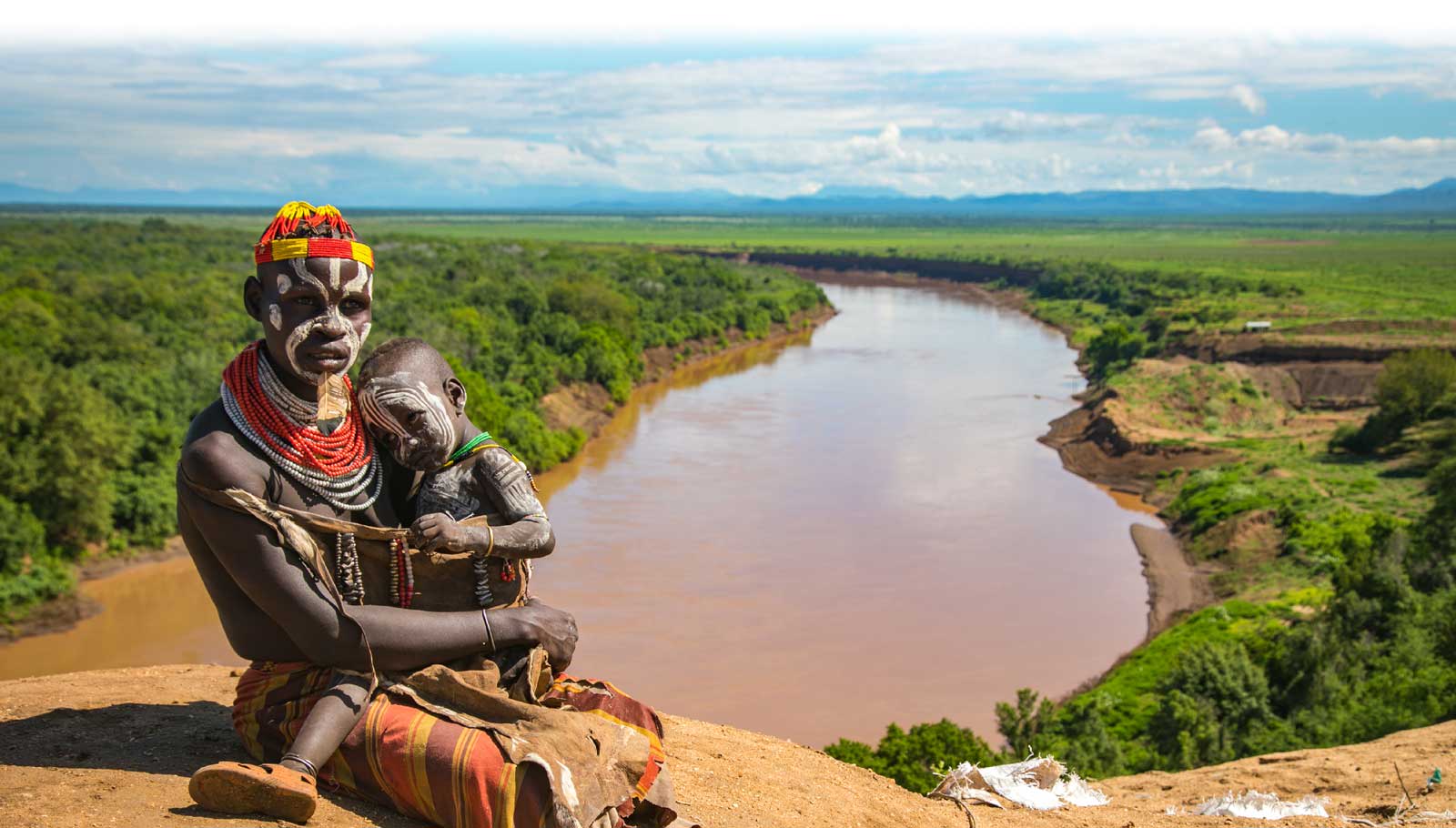
Omorate is worth visiting for travelers who want a guided, community-led Dassanech cultural visit and a traditional Omo River crossing. It is not a Big Five safari destination; its value is the southern Lower Omo Valley setting, the floodplain journey, and its easy pairing with Turmi, Key Afer, Jinka, and Konso. Visit with an operator that prioritizes consent, fair local payments, and clear photography rules.
A local guide is strongly recommended for Omorate and is normally essential for arranging community access, the river crossing, language support, and photography consent. Independent travel offers little advantage because road conditions and boat arrangements change, while a knowledgeable guide can coordinate the visit respectfully. Use a licensed driver-guide and confirm all community and boat fees before departure.
You can compare safari packages, read verified traveler reviews, and book through trusted operators on SafariFind.com. This lets you compare prices and find the best Lower Omo Valley itinerary for your budget, preferred comfort level, and cultural interests.
More places in Ethiopia
© 2026 SafariFind. All rights reserved.
