Queen Elizabeth National Park, Uganda: A Complete Visitor's Guide
Queen Elizabeth National Park stands as Uganda's most popular and biodiverse safari destination, attracting nature enthusiasts and wildlife photographers from around the world. This UNESCO-listed biosphere reserve combines stunning landscapes, exceptional wildlife viewing, and rich cultural experiences in one remarkable destination.
Overview & Location
Queen Elizabeth National Park encompasses approximately 1,978 square kilometers (764 square miles) across southwestern Uganda, spanning the districts of Kasese, Kamwenge, Rubirizi, and Rukungiri. Originally established as Kazinga National Park in 1952, the park was renamed in 1954 to commemorate Queen Elizabeth II's historic visit to Uganda alongside Prince Philip.
A Unique Geographic Position
One of the park's most distinctive features is its location directly on the equator. Visitors can stand at monuments marking the exact spot where the equator crosses latitude 00°, adding a memorable geographic element to their visit. The park sits on the floor of the Albertine Rift Valley at approximately 914 meters above sea level, positioned at the foot of the magnificent Rwenzori Mountains, which rise to 5,100 meters.
The park is bounded by the Ishasha River and Lake Edward to the west, the Kyambura Gorge and Kalinzu Forest Reserve to the east, the Rwenzori Mountains to the north, and the Kigezi Wildlife Reserve to the south. It adjoins several other protected areas, creating a vast wildlife corridor that encircles Lake Edward and connects with Virunga National Park in the Democratic Republic of the Congo.
Wildlife & Natural Features
Mammal Diversity
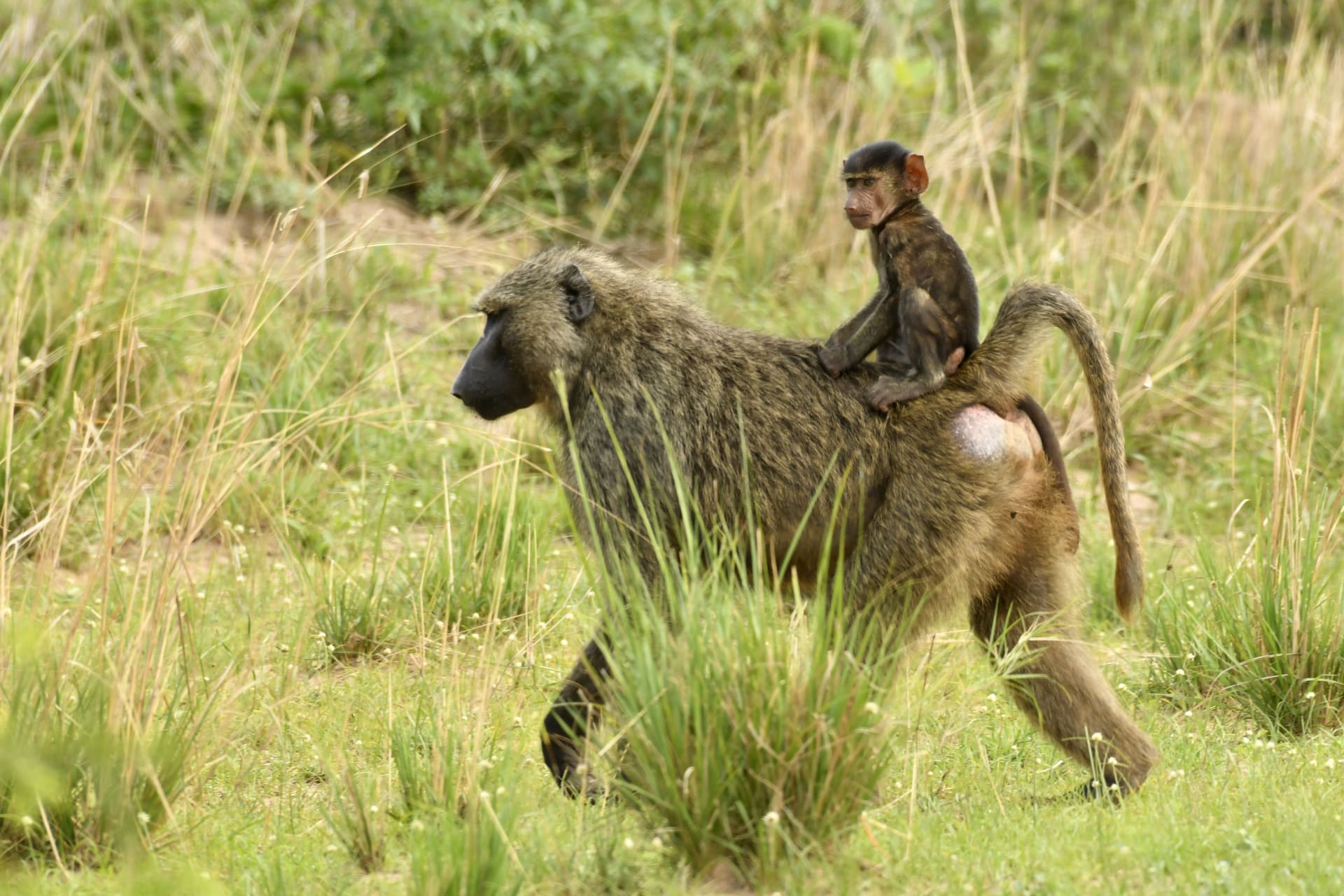
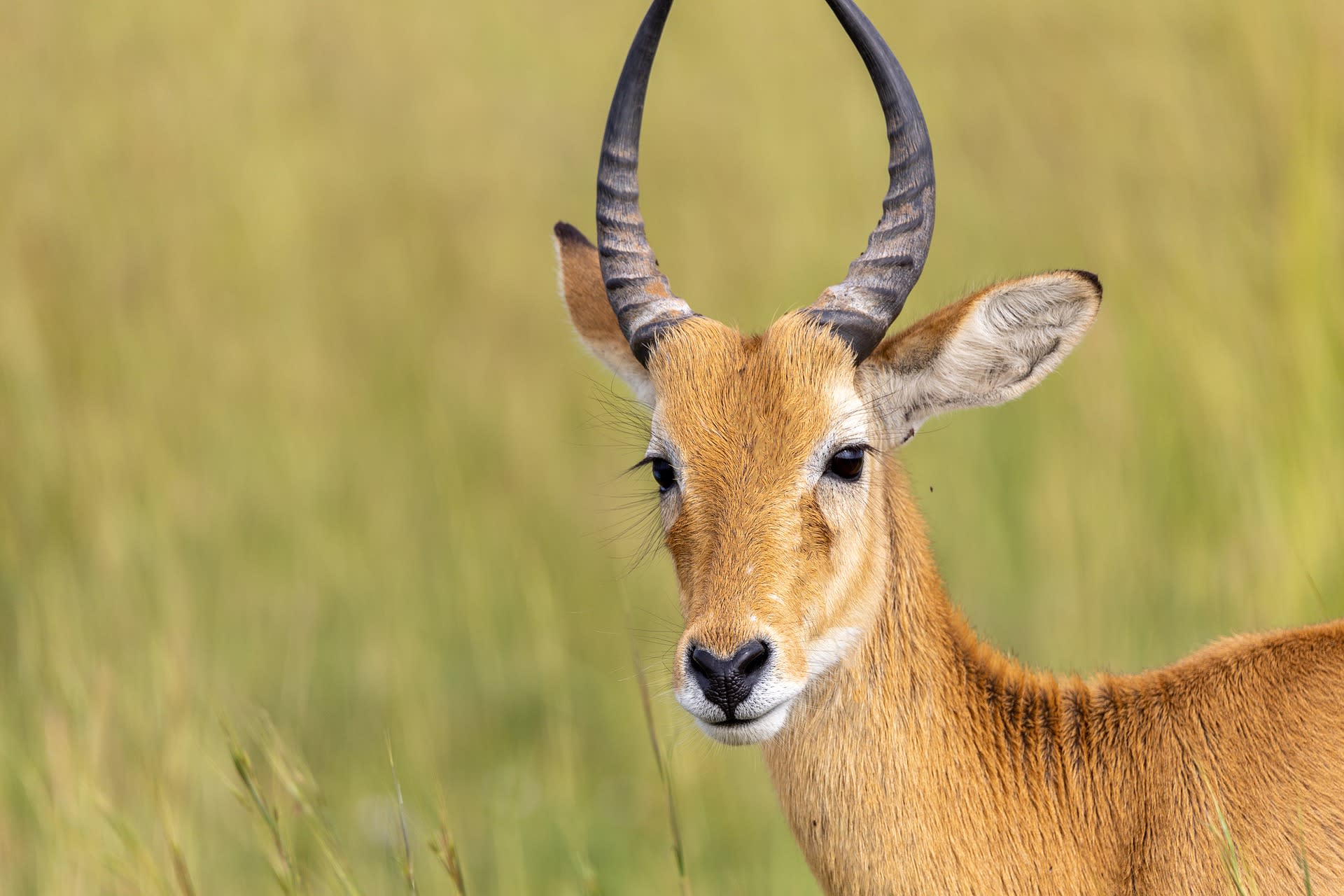
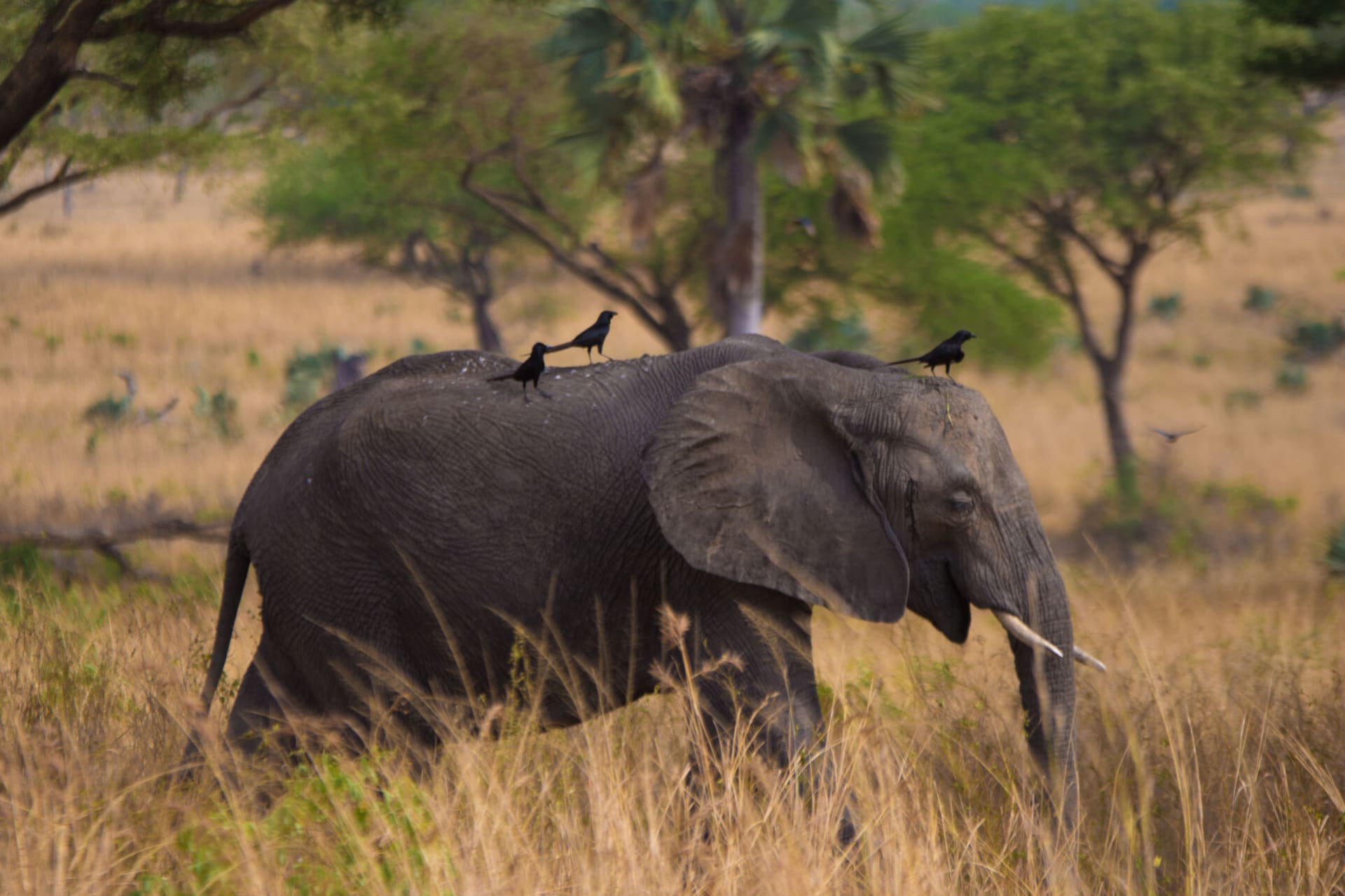
Queen Elizabeth National Park is home to an impressive 95 mammal species, making it one of Africa's greatest wildlife havens. The park's diverse habitats support classic big game including:
The park is particularly renowned for the tree-climbing lions found in the Ishasha sector, where males often display striking black manes—a behavior rarely seen elsewhere in Africa.
Primate Species & Chimpanzees
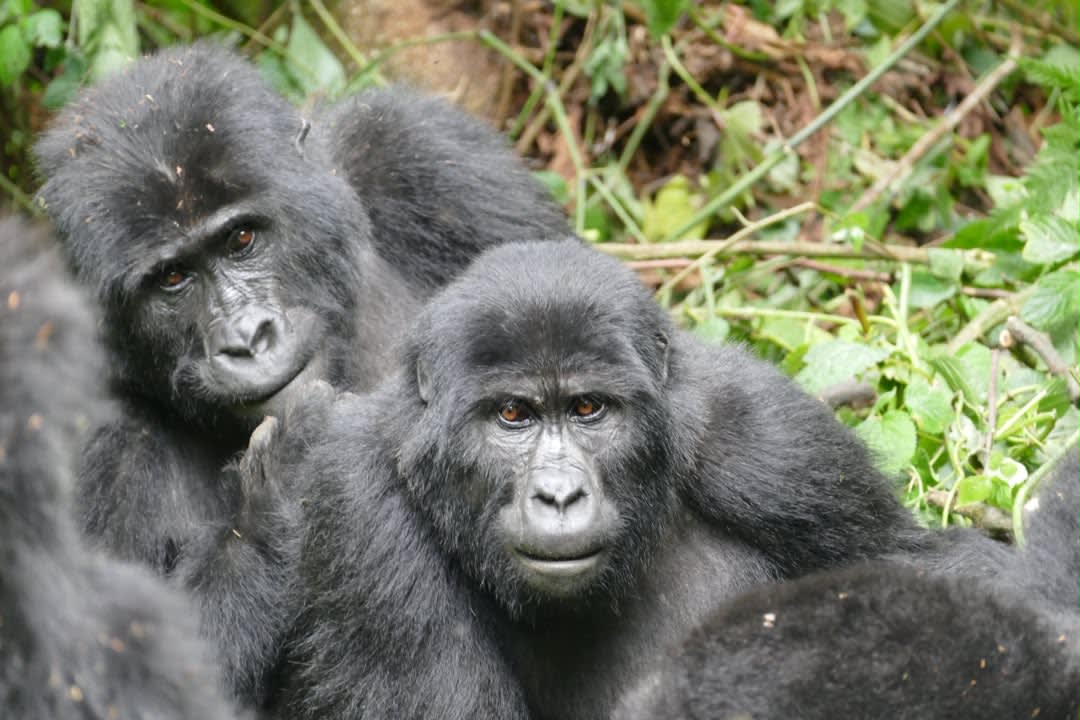
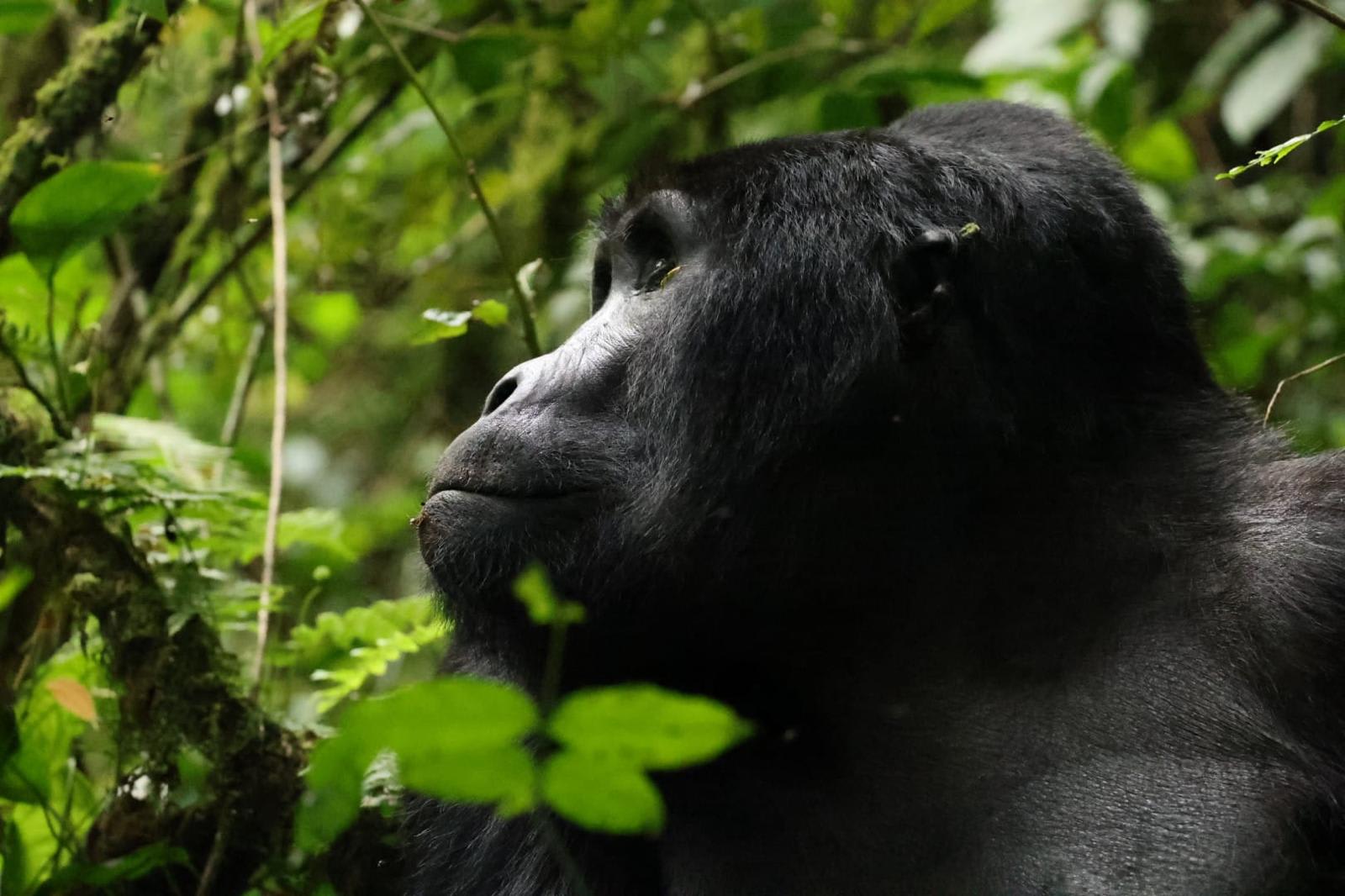
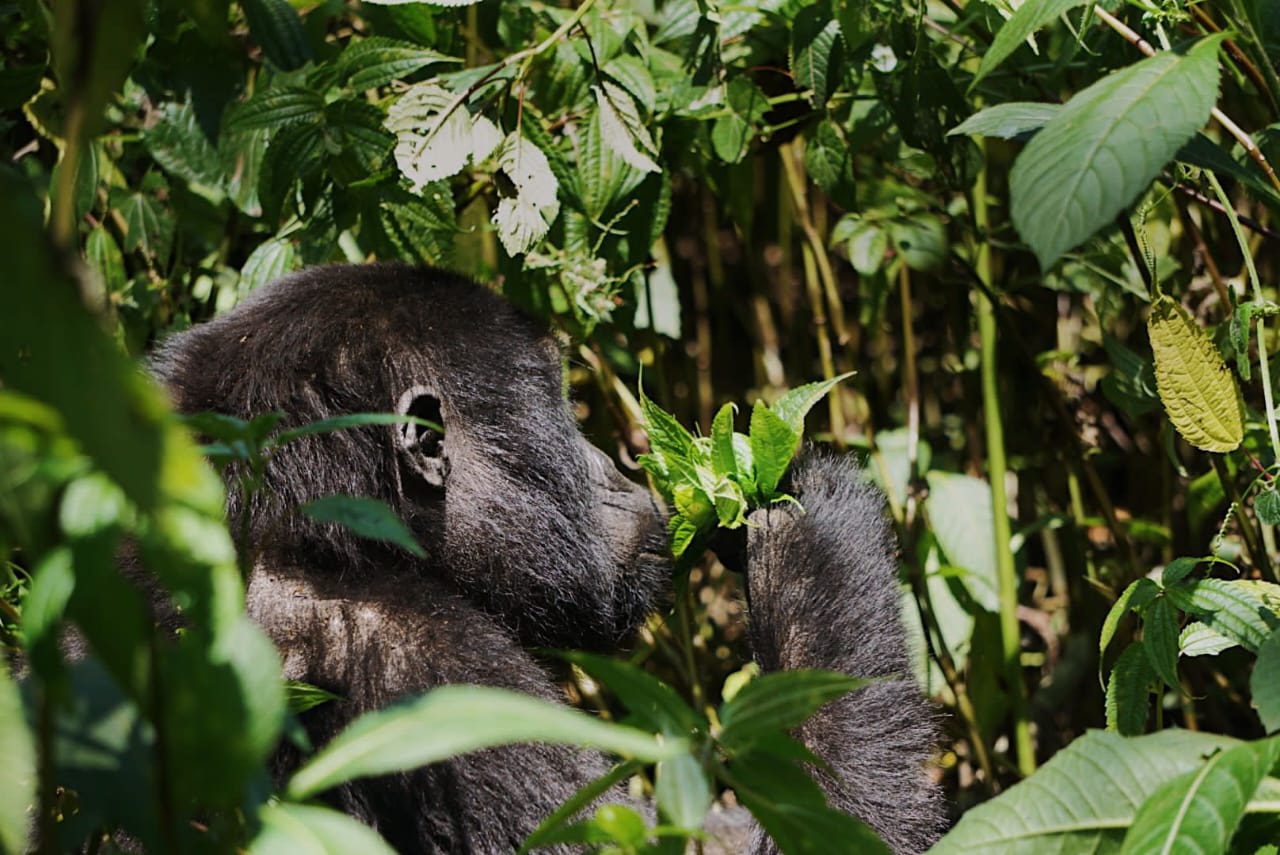
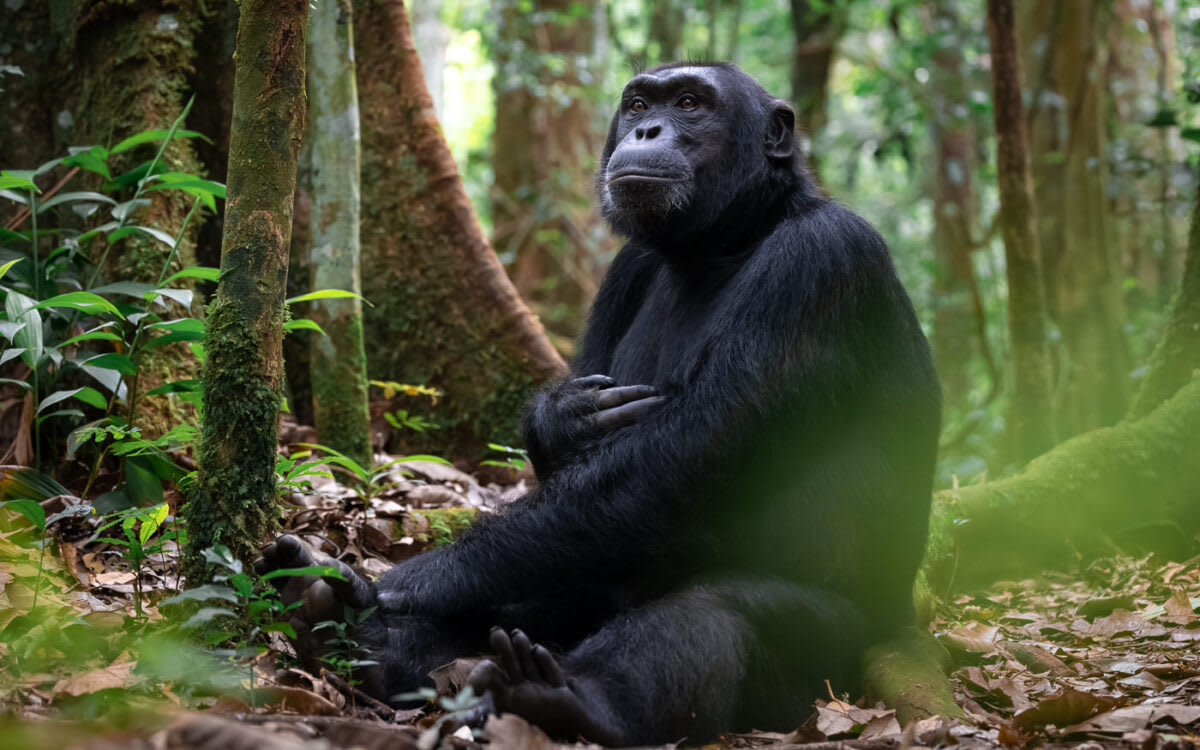
Wildlife enthusiasts will appreciate the park's ten primate species, with chimpanzees being among the most sought-after sightings. The park's diverse forest habitats provide ideal conditions for primate observation and research.
Avian Paradise
With over 600 bird species, Queen Elizabeth National Park ranks among the world's premier birding destinations. It holds the distinction of being the second-best birding location in Africa and the sixth in the world. This impressive checklist makes it essential for serious birdwatchers and casual ornithology enthusiasts alike.
Diverse Ecosystems
The park's varied habitats create ideal conditions for this extraordinary biodiversity. These include sprawling savanna, humid tropical forest, sparkling lakes and rivers, fertile wetlands, and acacia woodlands. This ecological diversity ensures different species thrive in their preferred environments throughout the park.
Best Time to Visit
Queen Elizabeth National Park is accessible year-round, but the optimal visiting periods depend on your priorities and interests.
Dry Seasons (Best for Wildlife Viewing)
The dry seasons—typically June to July and December to February—offer the best conditions for wildlife observation. During these periods, animals congregate around water sources, making them easier to locate. Roads are also more passable, and weather conditions are generally favorable for game drives and boat cruises.
Wet Seasons (Best for Birdwatching)
The wet seasons (March to May and August to November) transform the park into a lush green landscape, attracting migratory bird species. While roads may be more challenging, the increased vegetation and water availability create spectacular photographic opportunities and excellent birding conditions.
Planning Tip: Consider visiting during the dry season if you're a first-time visitor prioritizing wildlife encounters, or during the wet season if you're a keen birder or photographer seeking dramatic landscapes and seasonal bird species.
Activities & Experiences
Game Drives
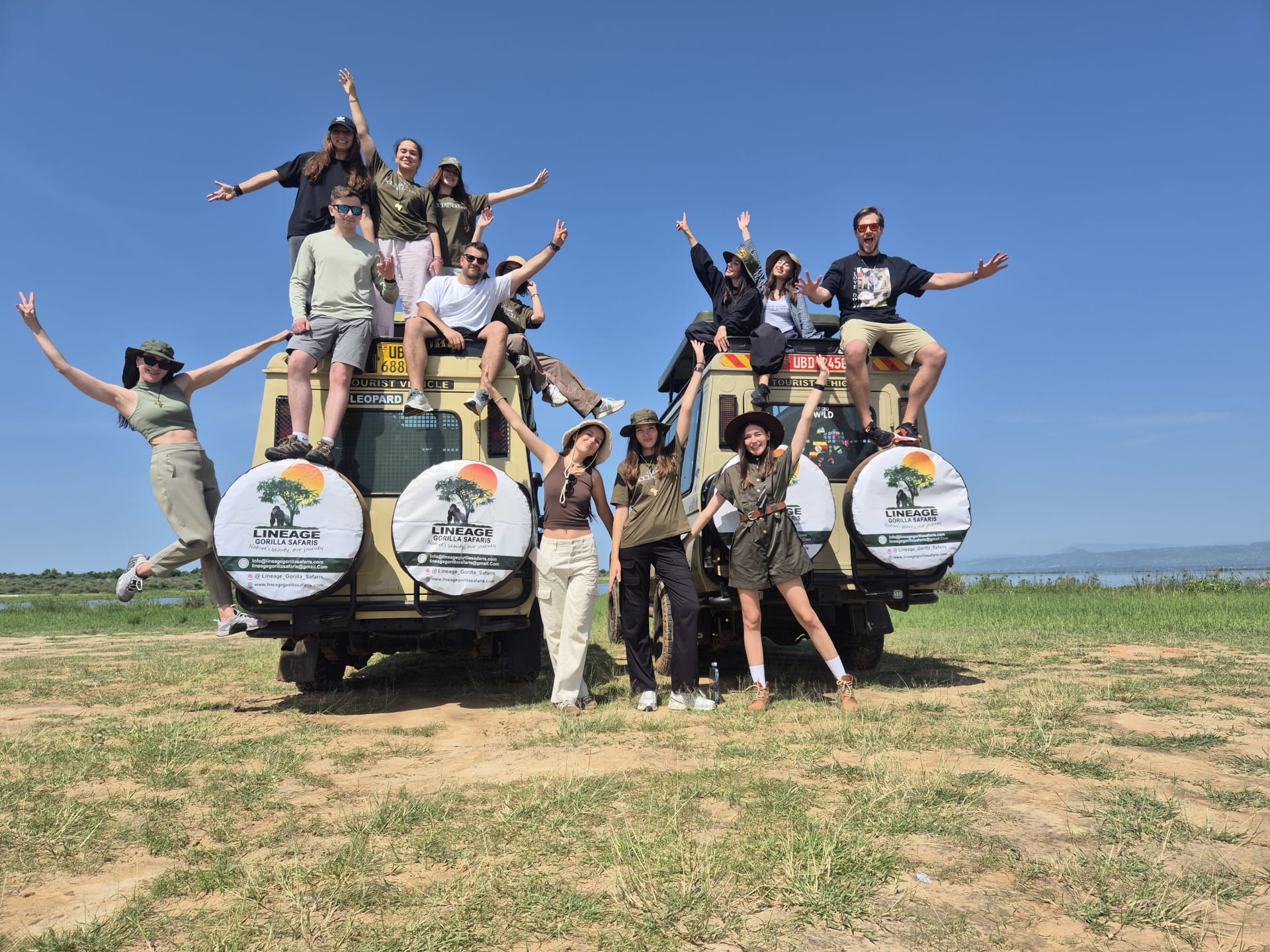
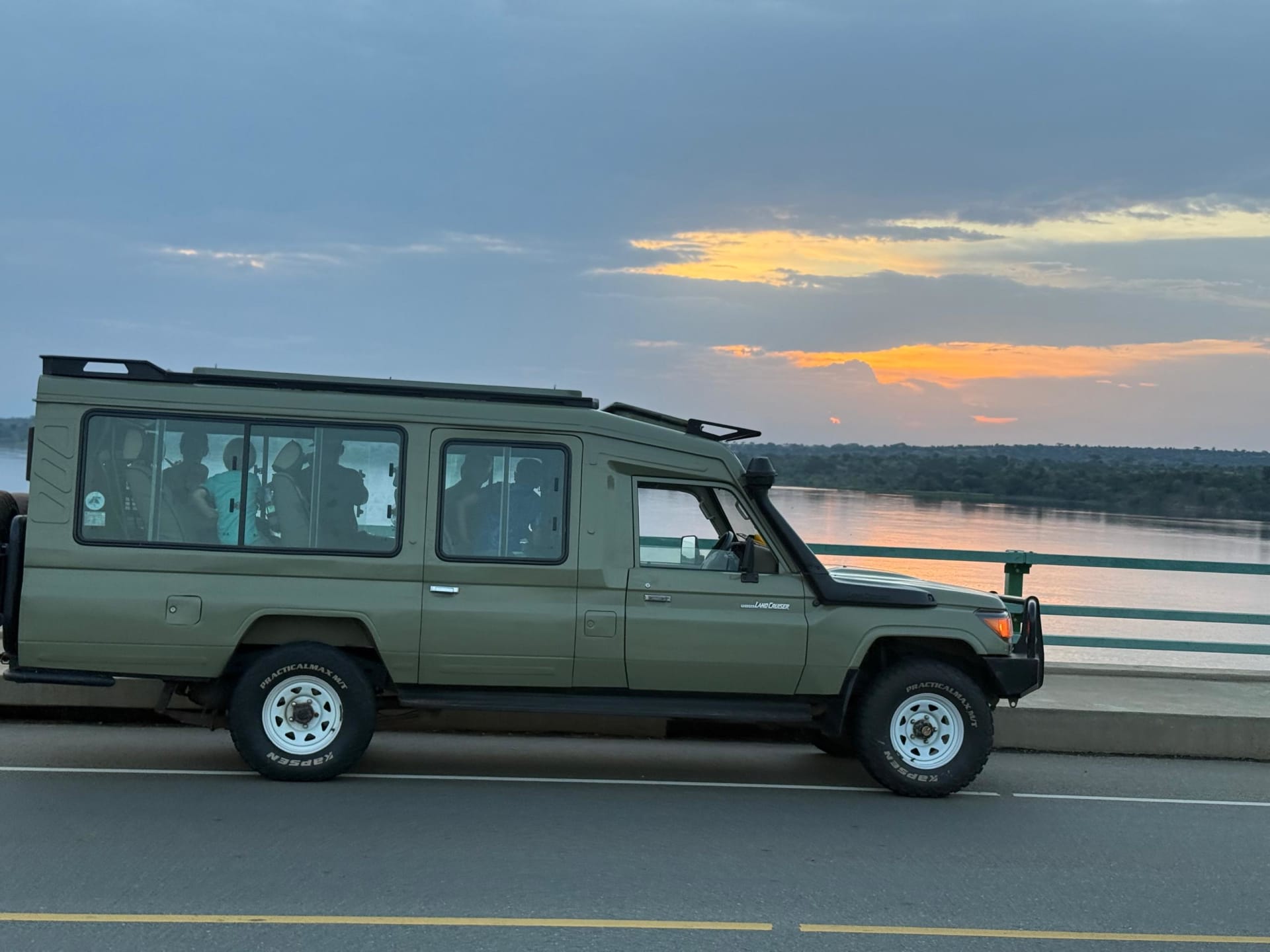
Guided game drives remain the primary way to explore the park's savanna and woodland areas. Early morning and late afternoon drives offer the best wildlife viewing opportunities when animals are most active. Professional guides provide expert interpretation of animal behavior, ecology, and park conservation efforts.
Kazinga Channel Boat Cruises
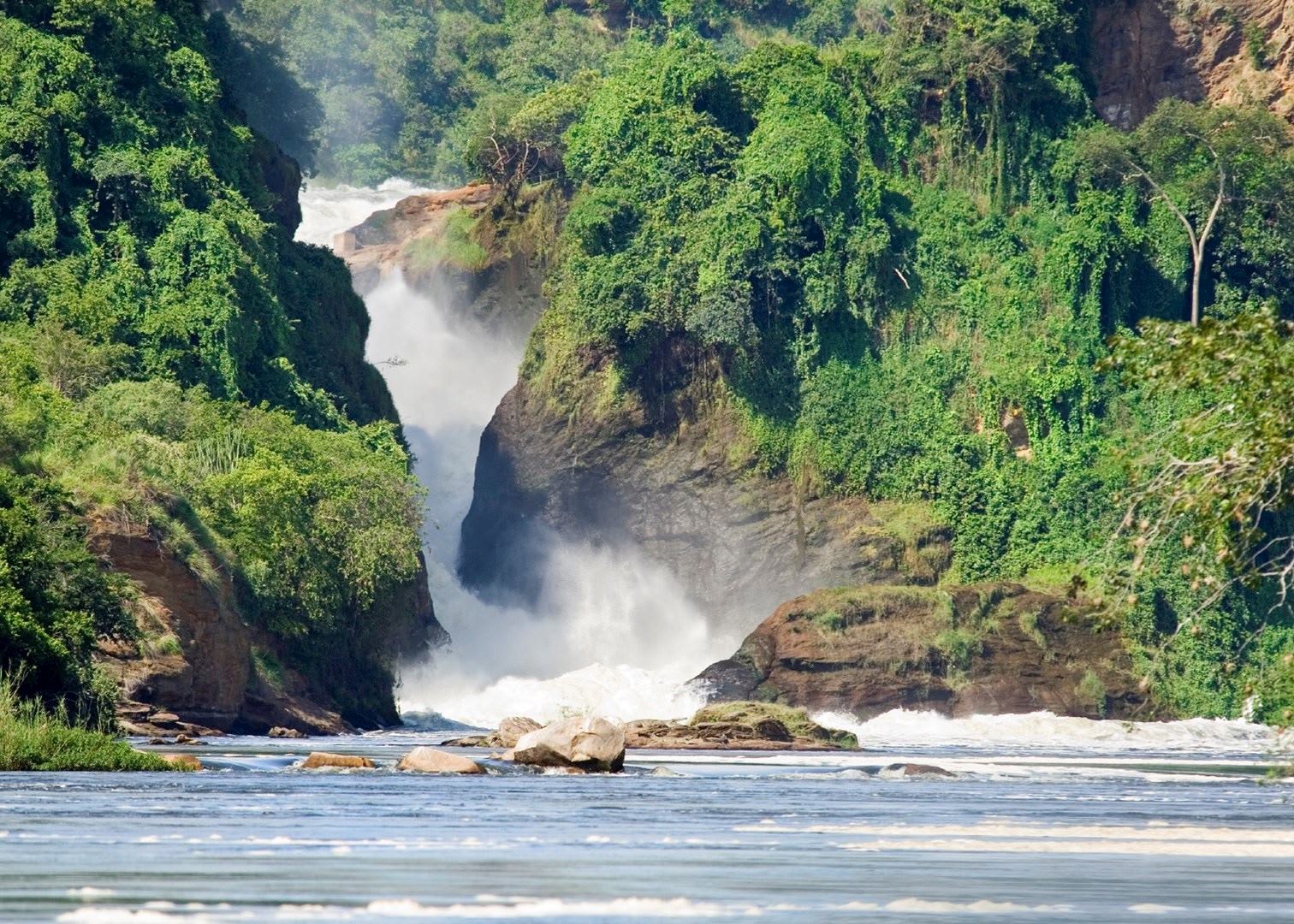
One of the park's signature experiences involves cruising the Kazinga Channel, a 40-kilometer natural waterway connecting Lake George and Lake Edward. These boat tours offer exceptional opportunities to observe hippos, crocodiles, elephants, buffalo, and numerous water birds in their natural habitat. The channel's concentration of wildlife makes it one of Uganda's most rewarding safari experiences.
Chimpanzee Trekking
Visitors can trek through the park's forests in search of wild chimpanzees, combining hiking with primate observation. This intimate experience requires patience and physical fitness but rewards dedicated trackers with memorable encounters with these remarkable primates.
Cultural Interactions
The park's surrounding communities offer opportunities for cultural immersion. Visitors can engage with local Ugandan communities to learn about traditional practices, crafts, and ways of life, enriching their safari experience beyond wildlife viewing.
Photography Expeditions
The park's diverse landscapes and abundant wildlife make it a photographer's paradise. Specialized photographic safaris cater to those seeking to capture Africa's beauty through their lenses, with guides positioning visitors for optimal lighting and composition.
Getting There
By Air
The most convenient approach involves flying from Kampala (Uganda's capital) to airstrips near the park. Multiple domestic airlines operate scheduled flights to Kasese and other regional airports, with journey times typically under two hours.
By Road
Visitors can drive from Kampala via the Fort Portal-Mbarara highway. The journey takes approximately 6-8 hours depending on road conditions and stops. Rental vehicles with experienced drivers are readily available in Kampala for those preferring overland travel.
Accommodation Options
The park offers accommodation ranging from luxury lodges to budget-friendly guesthouses. Many visitors base themselves in nearby towns like Kasese or Fort Portal, with daily visits to the park. All-inclusive lodge packages often include game drives, meals, and guided activities.
Practical Information
Visa & Documentation
International visitors require a valid passport with at least six months validity and appropriate visas for Uganda. Most nationalities can obtain visas on arrival or through online portals. Consult your nearest Ugandan embassy for specific requirements.
Health Precautions
Visitors should consult their healthcare providers regarding malaria prophylaxis, yellow fever vaccination, and other recommended inoculations. The park lies in a malaria-endemic region, so anti-malarial precautions and insect repellent are essential. Travel insurance covering medical evacuation is strongly recommended.
What to Bring
Binoculars and camera equipment with extra batteries and memory cards
Lightweight, neutral-colored clothing for safari drives
Sun protection (sunscreen, hat, sunglasses)
Rain jacket for wet season visits
Insect repellent containing DEET
Comfortable walking shoes for trekking activities
Medications and first aid supplies
Best Duration
Most visitors allocate 3-4 days for a comprehensive Queen Elizabeth experience, allowing time for multiple game drives, a Kazinga Channel cruise, and optional chimpanzee trekking. Shorter stays are possible but limit wildlife viewing opportunities.
Pro Tip: Book accommodations and guides in advance, especially during peak seasons (June-July and December-February). Many lodges and tour operators offer package deals combining transportation, accommodation, activities, and meals, simplifying planning and often providing better value.
Conservation & Responsible Tourism
Visitors play a vital role in supporting conservation efforts. Respect wildlife viewing distances, follow guide instructions, avoid single-use plastics, and support local communities through ethical tourism practices. Your visit contributes to protecting this remarkable ecosystem for future generations.
Queen Elizabeth National Park represents one of Africa's finest safari destinations, offering unparalleled opportunities to experience African wildlife, landscapes, and culture. Whether you're a seasoned safari enthusiast or first-time visitor, the park's diverse attractions ensure a memorable and transformative experience in Uganda's natural heartland.