Loading SafariFind...

Ranomafana National Park stands as one of Madagascar's most important conservation areas and a beacon of ecological significance. Inaugurated on May 31, 1991, it became the fourth national park in Madagascar and was created following the groundbreaking 1986 discovery of the golden bamboo lemur (Hapalemur aureus). The park's name derives from Malagasy words: "rano" meaning water and "mafana" meaning hot, referencing the hot springs discovered in the valley approximately 100 years ago that led to the development of the town of Ranomafana.
Located in the Fianarantsoa Province of southeastern Madagascar, the park sits approximately 60 kilometers north of the city of Fianarantsoa and about 400 kilometers south of Antananarivo, the nation's capital. The park encompasses 43,550 hectares of protected territory, divided into a core protected zone of 41,500 hectares surrounded by a peripheral zone where limited forest exploitation is permitted. The peripheral zone contains over 100 villages with more than 25,000 residents, most engaged in subsistence farming.
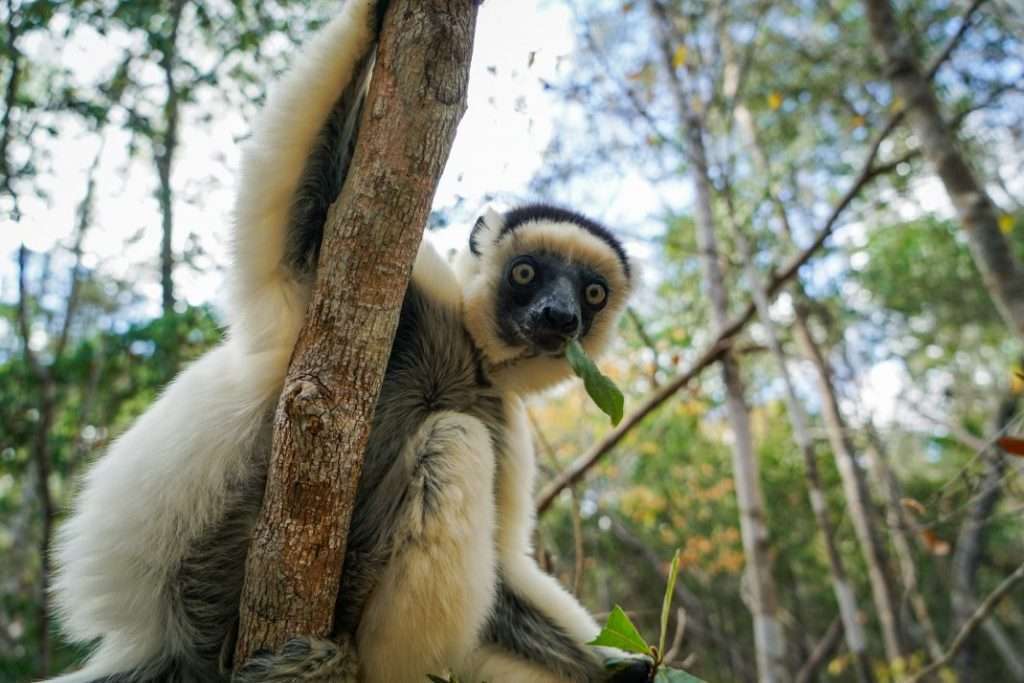
Ranomafana is internationally recognized as a premier destination for lemur research and observation. The park is home to 14 lemur species, including four critically endangered species: the variegated lemur (Varecia variegata), the golden bamboo lemur (Hapalemur aureus), the greater bamboo lemur (Prolemur simus), and three endangered species including the nocturnal aye-aye. This exceptional concentration of lemur species makes the park a living laboratory for primatologists and wildlife enthusiasts alike.
Beyond lemurs, Ranomafana supports a diverse mammalian population totaling 43 species, including six carnivore species, eight bat species, eleven insectivores, and six rodent species. The park's steep, mountainous terrain has historically protected these species from exploitation, preserving populations that exist nowhere else on Earth.
Ornithologists will find exceptional opportunities at Ranomafana, with 124 bird species recorded within the park. The diverse habitat range supports numerous endemic and migratory species. The park's reptile fauna is equally impressive, featuring 62 reptile species including 12 chameleon species, 10 lizard species, and 14 snake species. Additionally, the park hosts 98 frog species and approximately 90 butterfly species, contributing to its status as a UNESCO World Heritage Site within the Atsinanana Rainforests serial property.
The park's distinctive geography creates multiple forest ecosystems across its elevation range of 400 to 1,417 meters. Visitors encounter lowland rainforest, cloud forest, and high plateau forest environments, each supporting unique plant communities. The flora includes numerous woody plant species and over 80 orchid species, creating a botanical paradise for nature photographers and plant enthusiasts. Dramatic cliffs draped in lush vegetation and cascading waterfalls characterize the mountainous terrain throughout the park.
Ranomafana experiences a montane rainforest climate with significant annual precipitation ranging from 230 to 400 centimeters. Average temperatures range between 14 and 20 degrees Celsius, creating cool, misty conditions typical of Madagascar's eastern highlands. While the park remains open year-round, the dry season from April to October generally offers the most favorable conditions for hiking and wildlife observation, with less rain and improved visibility on forest trails.
The wet season from November to March brings heavier rainfall, which can make trails muddy and challenging but offers the advantage of increased wildlife activity and lush vegetation. Visitors should prepare for wet conditions regardless of season, as the park's rainforest environment ensures moisture throughout the year.
The primary visitor experience at Ranomafana involves guided nature walks along carefully maintained trails throughout the park. Professional guides lead visitors through various forest types, providing expertise in wildlife identification and ecological interpretation. Trail difficulty ranges from moderate to challenging, accommodating different fitness levels and interests. Early morning walks offer the best opportunities for lemur observation, as many species are most active during dawn hours.
Centre ValBio, located near the park entrance and operated by renowned primatologist Dr. Patricia Wright, serves as Madagascar's leading field research center. This facility has established Ranomafana as a model for conservation and research practices both within Madagascar and internationally. Visitors interested in scientific research and conservation efforts can interact with researchers and learn about ongoing studies in primate behavior, ecology, and habitat conservation.
The historic hot springs that inspired the park's name remain accessible near the town of Ranomafana, offering visitors an opportunity to relax in naturally heated mineral waters after days of hiking and exploration. This unique feature provides a cultural and recreational complement to the park's primary wildlife-viewing activities.
Reaching Ranomafana requires advance planning and patience, as the park's remote location necessitates overland travel. From Antananarivo, the capital, the journey to Ranomafana typically requires approximately 10 hours of driving, covering approximately 400 kilometers. From the provincial capital Fianarantsoa, the drive takes approximately 2 hours covering 60 kilometers. The road journey offers spectacular scenery, particularly as visitors approach the park's mountainous terrain.
Visitors can arrange chartered flights from Antananarivo to Fianarantsoa, significantly reducing travel time and physical strain. From Fianarantsoa, scenic ground transportation connects to the park. Most visitors arrange transportation through their accommodations or tour operators, as self-driving requires familiarity with Madagascar's road conditions and driving practices.
Ranomafana offers accommodations ranging from basic guesthouses to relatively upscale ecolodges. Notable options include Hotel Thermal Ranomafana, a sustainable property set on the park's edge and designed in harmony with the rainforest ecosystem, and Relais de la Reine, a family-run boutique ecolodge constructed from local Madagascar granite and sandstone. Most accommodations provide internet access, though connectivity may be limited due to the remote location. Advance reservations are strongly recommended, particularly during peak tourism seasons.
Visitors must hire authorized park guides for all nature walks. These guides provide essential knowledge about wildlife identification, safety, and ecological interpretation while supporting local employment and conservation efforts. Park entrance fees apply, with rates varying based on visitor nationality and group size. Current fees should be confirmed with park authorities or accommodation providers before arrival.
Visitors should prepare for wet, muddy conditions by packing waterproof hiking boots, rain jackets, and moisture-resistant clothing. Insect repellent, sunscreen, and basic medical supplies are essential. The park's altitude and terrain demand reasonable physical fitness; visitors should discuss trail options with guides based on individual capabilities. Malaria prophylaxis is recommended for visitors traveling to Madagascar, and comprehensive travel insurance is advisable given the remote location.
Photography opportunities abound throughout the park, though patience is required for wildlife photography. A telephoto lens and camera rain protection enhance the experience. Early starts maximize wildlife-viewing chances, as most lemurs and birds are most active during early morning hours.
3 Days
$50 entry fee
$150 /day avg
Explore curated experiences for Ranomafana National Park
Book your dream safari to Ranomafana National Park today. We have 1 packages waiting for you.
View Packages