1 / 4
1 / 4🇿🇦 South Africa
Sabi Sand Nature Reserve
Size
650 km²
Elevation
300 m
Ideal stay
3 days
Loading SafariFind...
1 / 4Size
650 km²
Elevation
300 m
Ideal stay
3 days
Established
1934
Nearest airport
Kruger Mpumalanga International Airport (KMIA), 60 km south; OR Skukuza Airport (SKZ), 90 km within Kruger; OR Hoedspruit Eastgate Airport (HDS), 85 km north; OR Johannesburg's O.R. Tambo International Airport (JNB), 530 km south—most international flights arrive here
Nearest town: Hoedspruit, 85 km north—supplies and services; Skukuza, 90 km south within Kruger—fuel and basic supplies; Johannesburg, 530 km southwest—international gateway city
Daily costs at Sabi Sand Nature Reserve typically range from $400–$600 per person per night at mid-range lodges to $1,500–$5,000+ per night at luxury properties. These rates usually include accommodation, all meals, game drives with expert guides, and park access; alcohol and tips are often extra. Multi-day packages (3–5 nights) offer the best value. Budget-conscious travelers can find all-inclusive 3-day safari packages starting around $1,200–$1,800 per person from Johannesburg. Compare pricing and lodges on SafariFind.com to find options matching your budget.
May to September (dry season) is the best time to visit Sabi Sand Nature Reserve. During these months, vegetation is sparse, animals concentrate at water sources, and temperatures are cool and comfortable for game drives. Dry season offers the most reliable Big Five sightings and excellent photography conditions. October to March is the high season with lush vegetation and bird watching opportunities, but visitor numbers increase. June–August provides the clearest skies and most consistent leopard sightings. Avoid the rainy season (November–March) if wildlife viewing is your priority, though fewer tourists visit then.
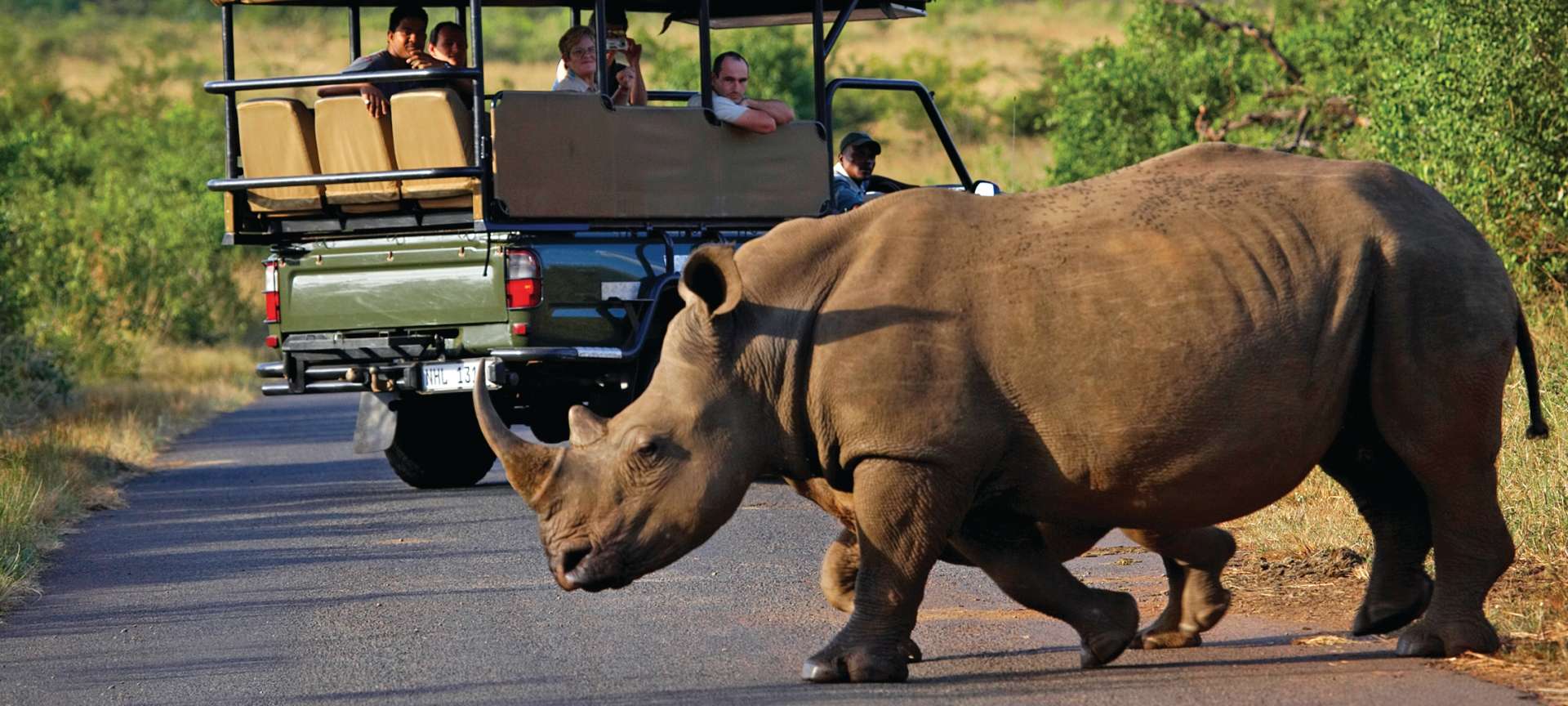
Sabi Sand Nature Reserve is home to all of the Big Five—lion, elephant, African buffalo, leopard, and white rhino—with exceptionally high leopard populations making it one of Africa's best places to see them. The reserve hosts over 200 animal species including cheetah, African wild dog, giraffe, zebra, hippopotamus, and numerous antelope species. Over 500 bird species have been recorded, including martial eagle, crowned eagle, and secretary bird. Even a 2–3 day visit typically results in sightings of all Big Five species, particularly during the dry season (May–September) when wildlife concentrates near water sources.
Most visitors fly into Johannesburg's O.R. Tambo International Airport (530 km away), then take a domestic flight or 6–7 hour road transfer to Sabi Sand. Charter flights depart from Johannesburg to airstrips at individual lodges (1 hour flight time). Alternatively, fly into Kruger Mpumalanga International Airport (60 km from Sabi Sand) or Hoedspruit Eastgate Airport (85 km away) for shorter transfers. Self-driving from Johannesburg requires a high-clearance 4WD vehicle and takes 6–7 hours on paved roads to the reserve boundary, then dirt roads to lodges. Most lodges arrange airport transfers; ask when booking.
Yes, Sabi Sand Nature Reserve is excellent for families. Many lodges specialize in family-friendly experiences with flexible game drive schedules and shorter excursions suitable for children ages 6+. Walking safaris typically require children 10+. Family lodges offer kids' clubs, pool activities, and educational wildlife programs. Children under 6 can usually participate in game drives from vehicles but may find long drives challenging. Check with your chosen lodge about age restrictions and family activities before booking. Sabi Sand's expert guides are experienced with children and can tailor experiences to keep younger visitors engaged.
A minimum of 3 days (2 nights) is recommended to experience Sabi Sand Nature Reserve and see all Big Five species, with typical itineraries including morning and evening game drives plus one walking safari. Four to five days allows for more relaxed pacing, additional walking safaris, and higher chances of rare species sightings or extended predator encounters. One-day visits are possible but not ideal—you'll spend time traveling and have limited game drive opportunities. Most travelers find 4 days (3 nights) the sweet spot for balancing wildlife viewing, lodge amenities, and value for money.
Sabi Sand hosts over 13 major private lodges ranging from ultra-luxury five-star properties (Singita, Londolozi, Sabi Sabi) to comfortable mid-range lodges. Luxury lodges ($1,500–$5,000+ per night) offer private plunge pools, world-class dining, and exclusive guide access. Mid-range lodges ($400–$800 per night) provide excellent value with quality accommodation, expert guides, and all meals included. Budget options exist but are limited within Sabi Sand itself; nearby public Kruger accommodations offer more affordable alternatives. Most lodges are positioned along the Sabie and Sand rivers for optimal wildlife viewing. Compare lodge options, read verified reviews, and book through SafariFind.com.
Yes, Sabi Sand Nature Reserve is worth visiting for travelers seeking premium Big Five safari experiences. The reserve's unfenced border with Kruger allows wildlife to roam freely, creating authentic safari conditions superior to many enclosed parks. Its reputation for exceptional leopard viewing—the highest concentration of habituated leopards in Africa—sets it apart. Night drives and off-road vehicle access (unavailable in national parks) enable intimate wildlife encounters. Expert guides and trackers, combined with luxury accommodation ranging from ultra-premium to mid-range, cater to all budgets. Even a 3-day visit typically results in Big Five sightings. For South Africa safari visitors, Sabi Sand offers the best combination of wildlife density, guiding expertise, and exclusive access.
Yes, guides are mandatory for all game-viewing activities at Sabi Sand Nature Reserve. Expert guides and trackers are included in all safari packages and lead morning drives, evening drives, walking safaris, and night drives. Self-driving is not permitted in the reserve. This requirement ensures safety (wildlife encounters are possible), maximizes wildlife sightings (guides read animal behavior and know where to find specific species), and supports conservation. Guides at Sabi Sand are among Africa's most experienced, often with 10–20+ years of experience. The quality of guiding is a major reason Sabi Sand achieves such high Big Five sighting rates.
You can compare safari packages, read verified traveler reviews, and book through trusted operators on SafariFind.com. The platform allows you to filter by budget, lodge type, duration, and travel dates, then compare pricing across multiple verified operators. SafariFind also provides detailed lodge information, guest reviews, and transparency on what's included (meals, drinks, activities, transfers). Alternatively, contact lodges directly or work with a travel agent specializing in South African safaris. Book 2–3 months in advance for peak season (June–August) to secure your preferred lodge and dates.
© 2026 SafariFind. All rights reserved.