 1 / 4
1 / 4🇹🇿 TanzaniaUNESCO site
Tanzania
Size
945,087 km²
Elevation
1,200 m
Entry fee
Loading SafariFind...
1 / 4Size
945,087 km²
Elevation
1,200 m
Entry fee
SafariFind app
Keep up with your inquiries and bookings, and message operators wherever you are.

$82
Ideal stay
7 days
Established
1951
Nearest airport
Kilimanjaro International Airport (JRO), 50 km from Arusha; Dar es Salaam International Airport (DAR), 430 km from Arusha; Seronera Airstrip (SEU) within Serengeti National Park for charter flights
Nearest town: Arusha, 335 km from Serengeti—the main gateway city and safari hub for the Northern Circuit; Moshi, 70 km south of Arusha, is the base for Kilimanjaro trekking
 13 days
 Eliana Kenia Luxury Safaris
 18 days
 GoExplore Safaris
 10 days
 Africa's Wild Wonders
 11 daysAfrica's Wild Wonders
 10 days
 Verdoro Safaris
Daily costs range $150–$500+ per person depending on accommodation and park choice. National park entry fees are approximately $82 USD per day for non-residents. Budget safaris with basic lodging cost $150–$250/day; mid-range lodges $250–$400/day; luxury camps $400–$800+/day. A typical 7-day safari package including flights from the US, accommodation, meals, and guide costs $3,000–$8,000 per person. Compare all-inclusive packages and verified operators on SafariFind to find options within your budget.
The dry season (June–October) is best for wildlife viewing and the Great Migration river crossings; expect peak prices and crowds. The green season (November–May) offers lush landscapes, excellent birdwatching, and lower prices; calving season (December–March) brings newborn wildebeest and predator activity. Avoid April–May due to heavy rains and potential road closures. Your choice depends on priorities: maximum wildlife sightings (June–October) versus fewer tourists and lower costs (December–March).
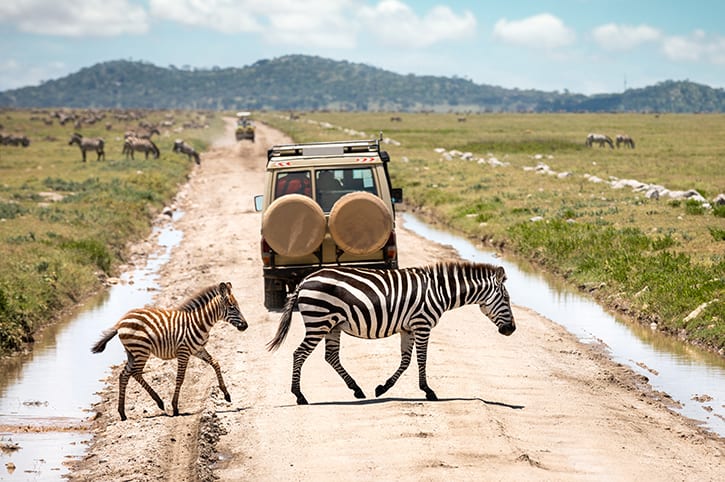
Tanzania is home to all Big Five mammals: lions, elephants, buffalo, leopards, and rhinoceros (rare). Other common sightings include zebras (hundreds of thousands in the Serengeti migration), wildebeest (1.5 million animals annually), giraffes, hippos, Nile crocodiles, African wild dogs, and over 500 bird species including the African fish eagle. The annual Great Migration features 1.5 million wildebeest and 400,000 zebras moving between Tanzania and Kenya (July–September).
International flights arrive at Kilimanjaro International Airport (JRO, 50 km from Arusha) or Dar es Salaam International Airport (DAR, 430 km south). Arusha is the main safari gateway, 335 km from the Serengeti. Internal flights connect Arusha to Seronera Airstrip in Serengeti and other park airstrips. Driving from Arusha to Serengeti takes 5–6 hours via Lake Manyara and Ngorongoro; 4WD is recommended. Most travelers book package tours including flights and transfers through verified operators.
Yes, Tanzania is family-friendly for children aged 5+. Many lodges offer family suites and child-appropriate activities like game drives, walking safaris, and cultural visits. Children under 5 may struggle with long drive times. Malaria prophylaxis and vaccinations are essential. Many operators offer family-specific itineraries with shorter daily drives and interactive guides. Confirm age policies with your lodge; some restrict young children on certain activities. Family-friendly safari packages are available through verified operators on SafariFind.
A minimum 3–4 days covers one park (e.g., Serengeti or Ngorongoro) with limited wildlife viewing. Five to seven days allows multiple parks on the Northern Circuit (Serengeti, Ngorongoro, Lake Manyara, Tarangire) with good wildlife encounters. Ten days enables combining the Northern Circuit with Zanzibar beach time or exploring the Southern Circuit (Nyerere, Ruaha). For Kilimanjaro climbing, add 5–7 days. Most travelers recommend 7–10 days for a comprehensive Tanzania safari experience.
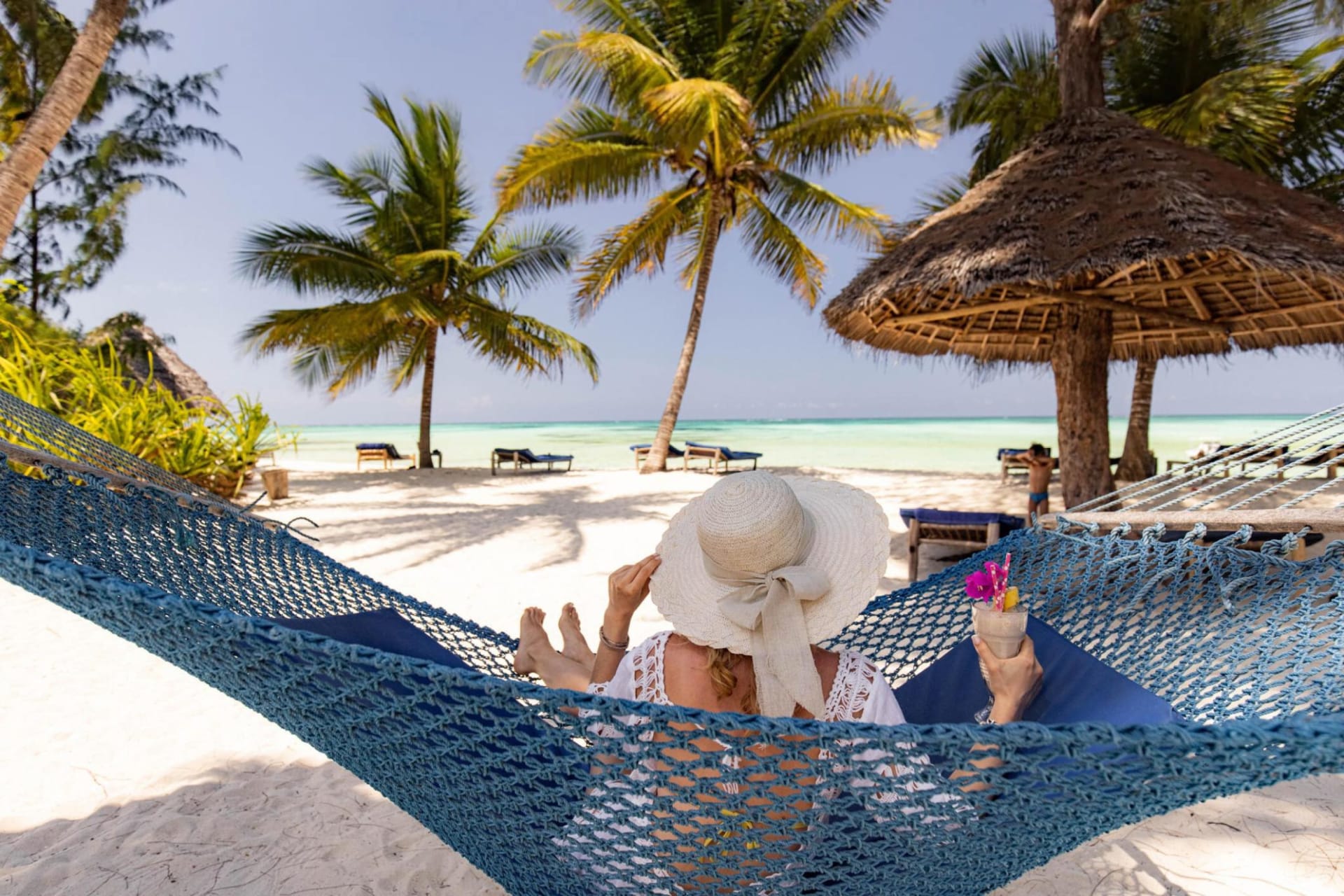
Accommodation options range from budget camps ($50–$150/night) to luxury lodges ($400–$800+/night). Popular areas: Serengeti (in-park lodges and mobile camps), Ngorongoro Crater (crater-rim lodges with views), Tarangire (riverside lodges), Lake Manyara (lakeside options), and Arusha (town hotels and nearby eco-lodges). In-park accommodation offers convenience but higher prices; nearby towns offer budget alternatives with longer drive times. Zanzibar has beachfront resorts for post-safari relaxation. SafariFind helps you compare lodges, read reviews, and book verified accommodations.
Yes, Tanzania is the world's premier safari destination. It uniquely combines the annual wildebeest migration (1.5 million animals), all Big Five mammals, 500+ bird species, diverse landscapes (Serengeti plains, Ngorongoro Crater, baobab woodlands), Kilimanjaro climbing, Zanzibar beaches, and authentic Maasai cultural experiences—all in one country. Compared to Kenya or South Africa, Tanzania offers better value, fewer tourists, and less-developed parks that feel more remote. The Serengeti and Ngorongoro Crater rank among Africa's most iconic destinations.
Guides are mandatory in all national parks and reserves. Self-driving is technically possible with a permit (available to residents only or through licensed operators), but guided safaris are strongly recommended: expert guides locate wildlife, provide ecological knowledge, ensure safety, and enhance the experience. Group safaris cost less per person than private guides. All operators on SafariFind use licensed, trained guides who speak English and often additional languages.
You can compare safari packages, read verified traveler reviews, and book through trusted operators on SafariFind.com. Browse itineraries by park and duration, filter by budget and accommodation type, compare prices from multiple operators, and read detailed reviews before booking. SafariFind connects you with verified safari companies offering everything from budget group tours to luxury private expeditions. Most packages include flights from major cities, accommodation, meals, guides, and park fees.
© 2026 SafariFind. All rights reserved.
 Ask about this