🇹🇿 TanzaniaUNESCO site
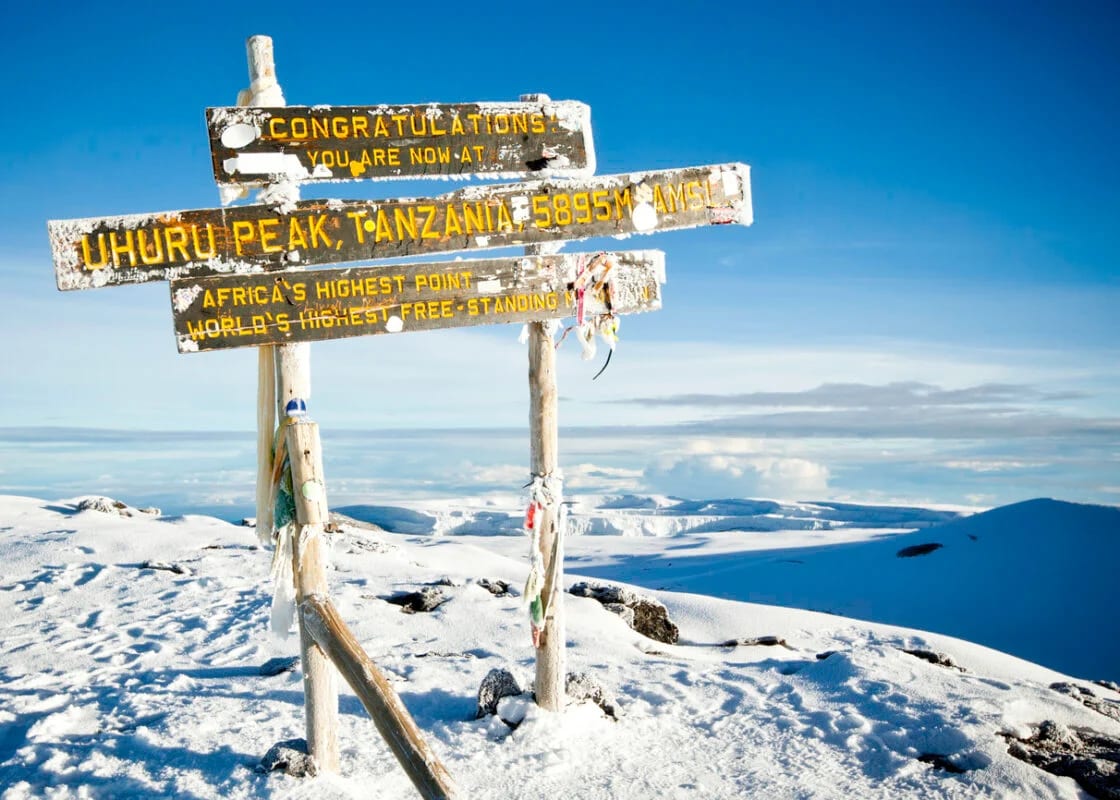
Uhuru Peak
Size
1,688 km²
Elevation
5,895 m
Entry fee
$70
Ideal stay
Loading SafariFind...
Size
1,688 km²
Elevation
5,895 m
Entry fee
$70
Ideal stay
SafariFind app
Keep up with your inquiries and bookings, and message operators wherever you are.

7 days
Established
1973
Nearest airport
Kilimanjaro International Airport (JRO), about 46 km by air from Uhuru Peak; road transfers to common trailheads generally take 1.5–3 hours from JRO.
Nearest town: Moshi, about 40 km from the Marangu Gate area — the main service town for Kilimanjaro climbs.
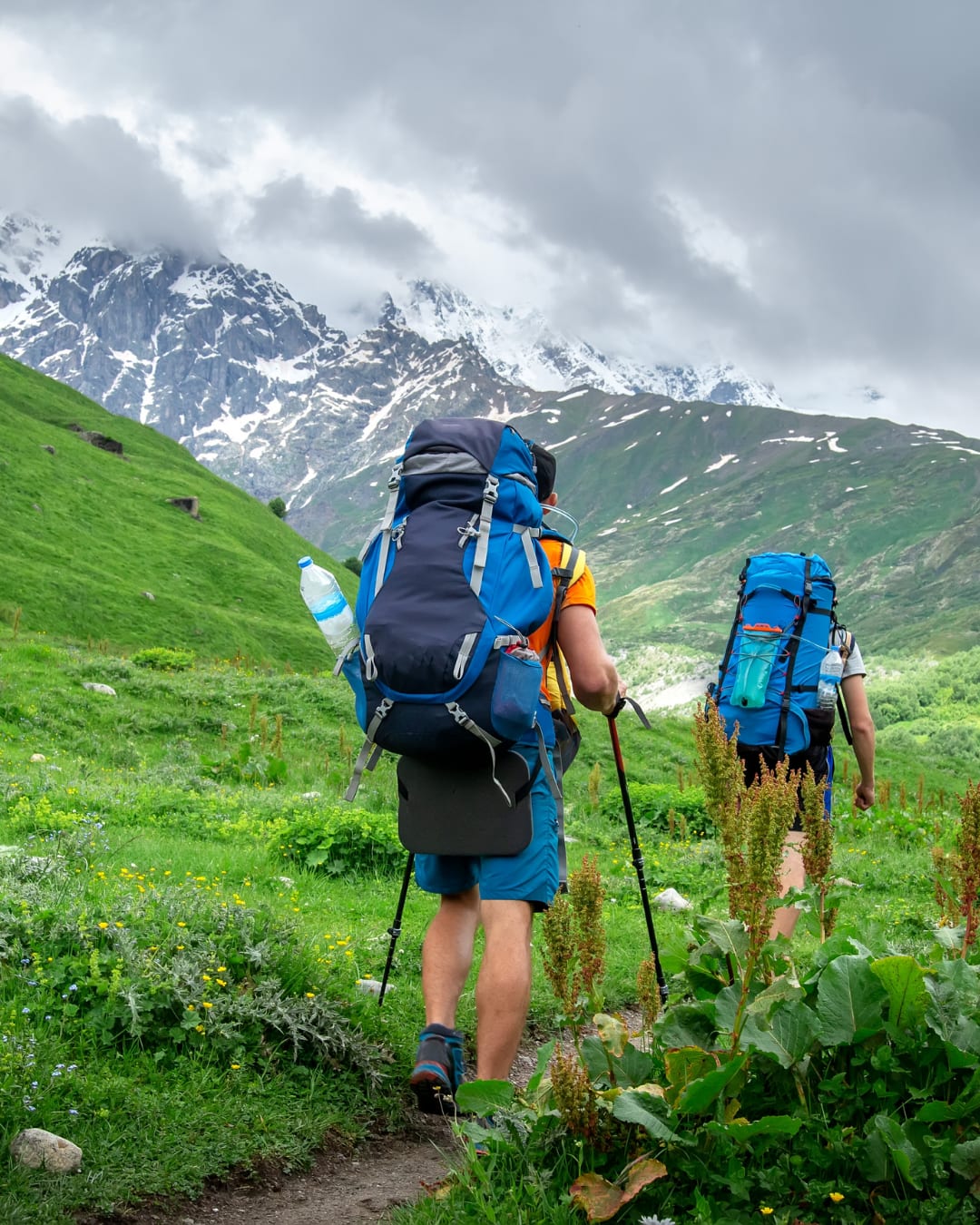 7 daysPrivate
 Trek Afrika Adventures
 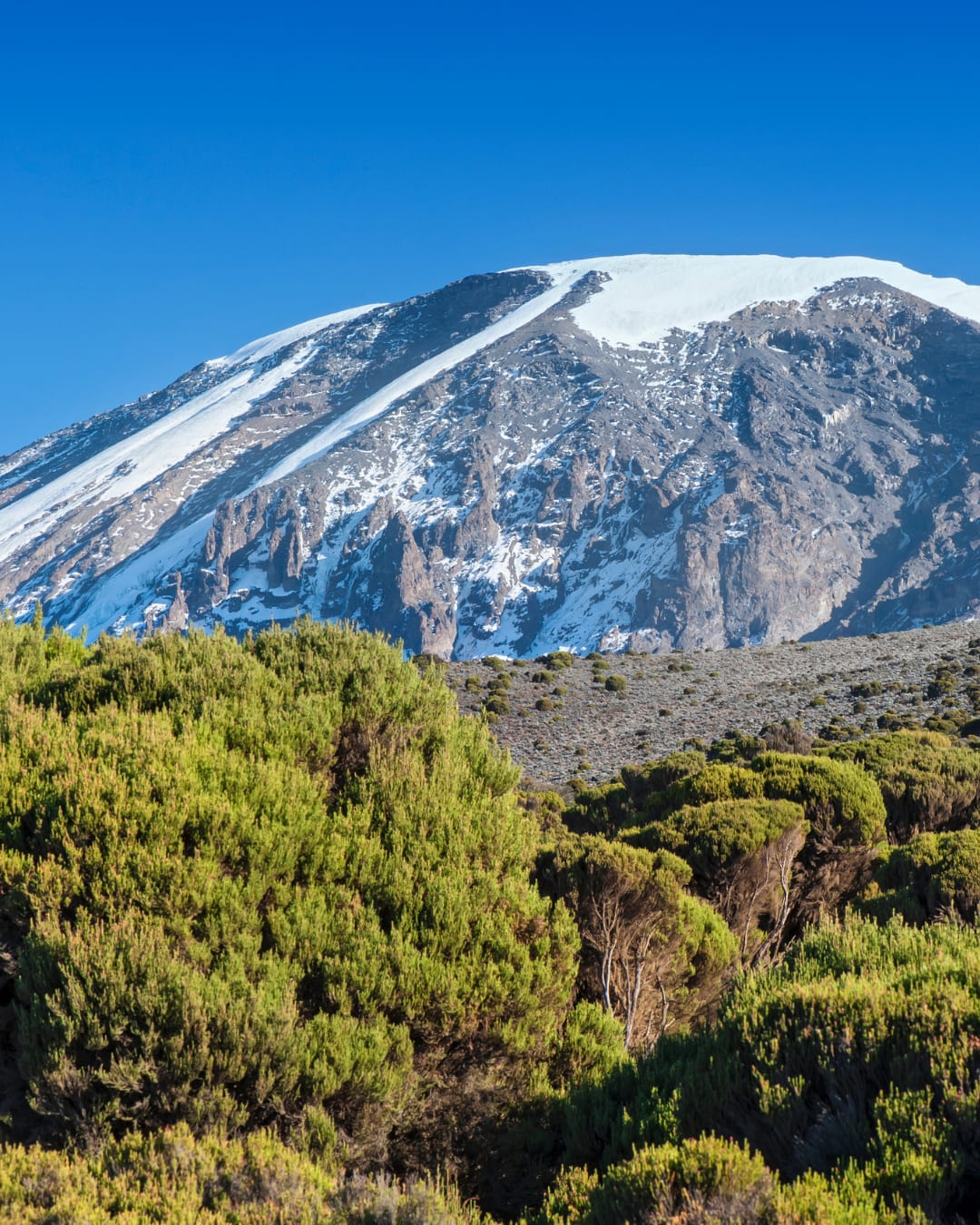 5 daysPrivateTrek Afrika Adventures
 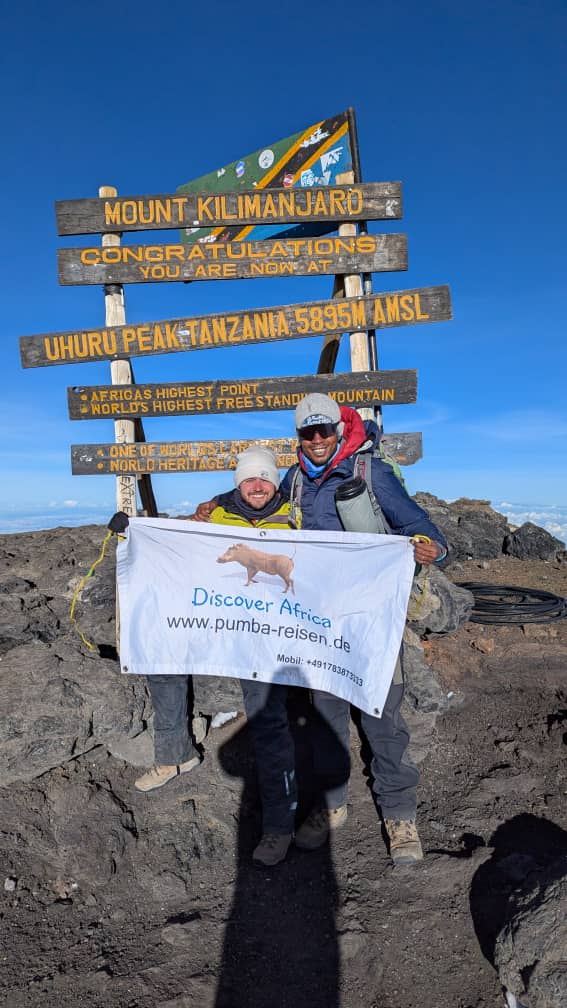 6 daysPrivate
 Pumba Reisen
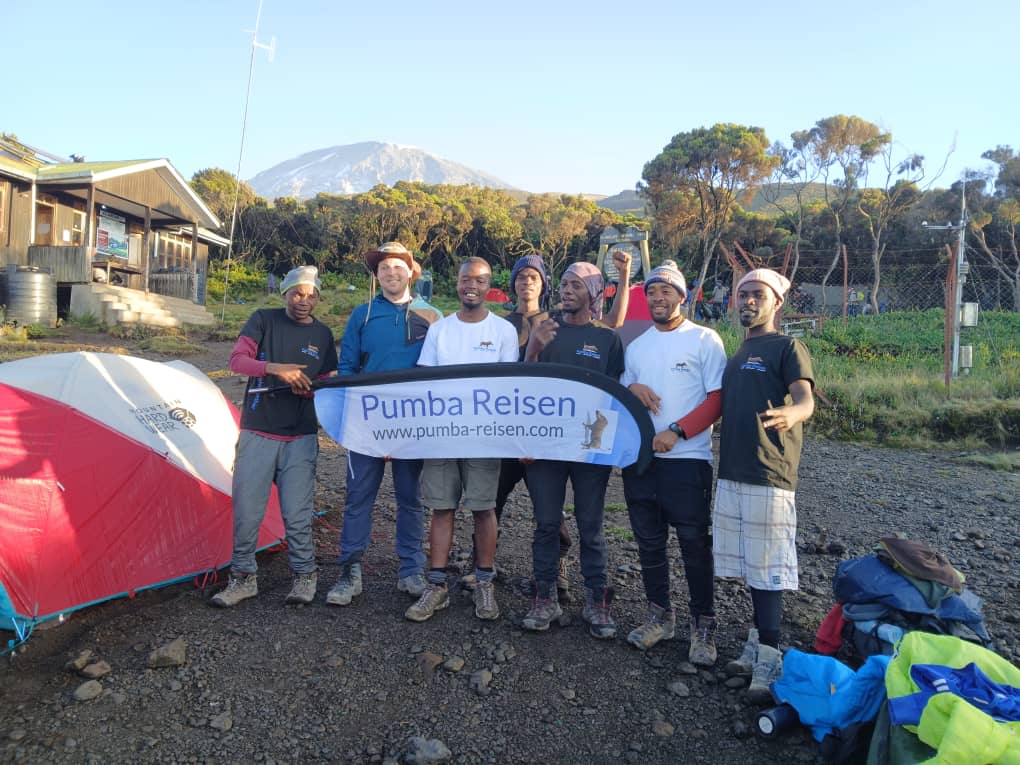 6 daysPrivatePumba Reisen
 6 daysPrivate
 Elia Safaris
 12 daysPrivateElia Safaris
 10 daysPrivate
 isale safaris company limited
 6 daysPrivateisale safaris company limited
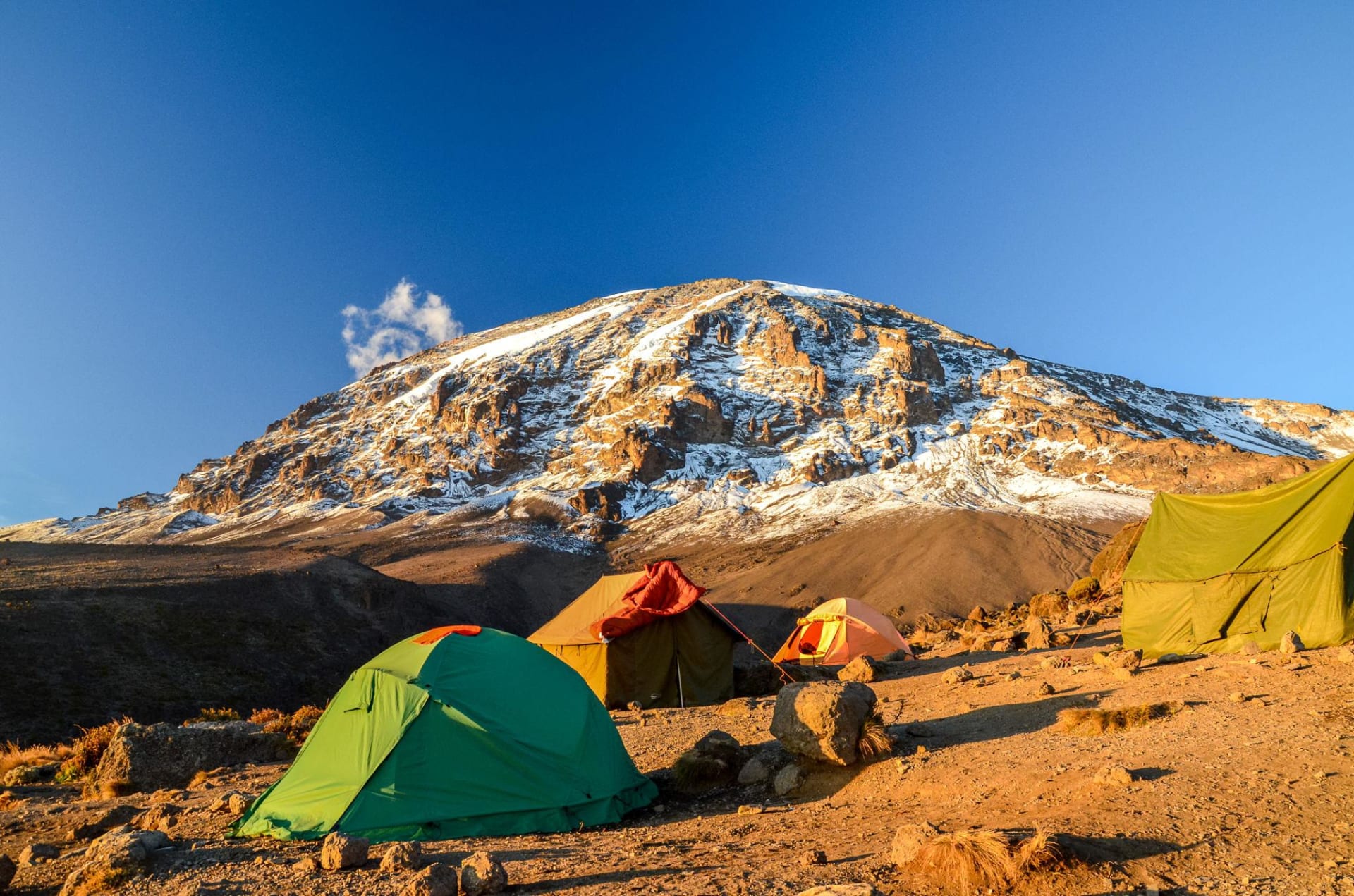 6 daysPrivateisale safaris company limited
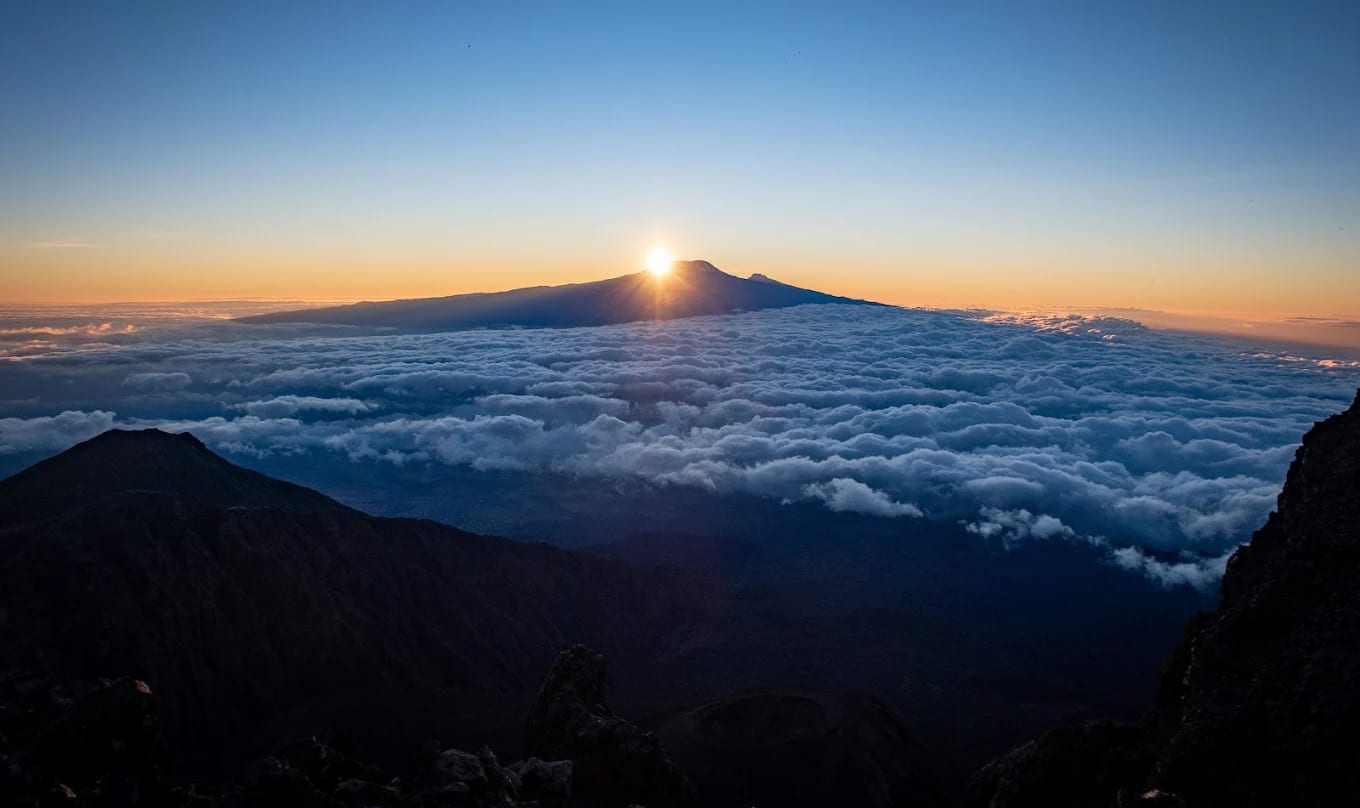 6 daysPrivate
 ACATREE TOURS AND SAFARIS
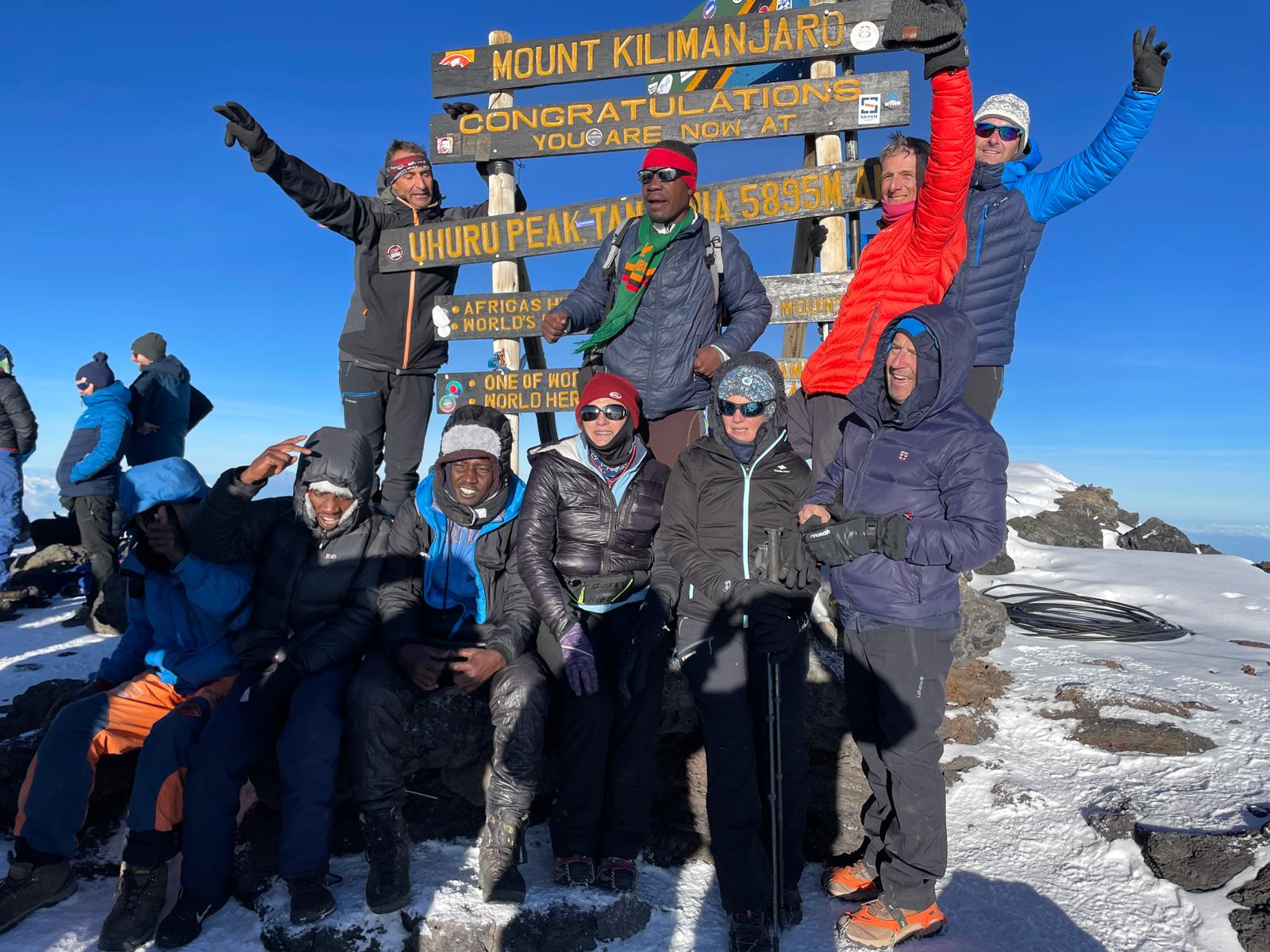 7 daysPrivateACATREE TOURS AND SAFARIS
A Kilimanjaro climb to Uhuru Peak commonly costs about US$2,500–$6,000 per person for a 6–8-day guided route, depending on route, group size, accommodation and operator service level. Non-resident adult park entry is commonly listed from US$70 per person per day before applicable taxes and additional camping, hut, rescue and crew fees. A Tanzania wildlife safari after the climb is priced separately.
The best time to visit Uhuru Peak is January–March or June–October, when Kilimanjaro's main trekking routes are usually drier. June–October is the busiest climbing season, while January–March can bring lower trail traffic and is useful for travelers adding southern Serengeti calving-season safari time.
Uhuru Peak itself is an alpine-desert summit and has very little visible wildlife. On Kilimanjaro's lower forest and moorland slopes, climbers may see blue monkeys, black-and-white colobus monkeys, bushbuck, bush duiker, white-necked ravens and sunbirds; elephants, buffalo and leopards occur but are rarely encountered on trekking routes. For concentrated Tanzania wildlife viewing and Big Five prospects, add a safari in parks such as Serengeti or Tarangire.
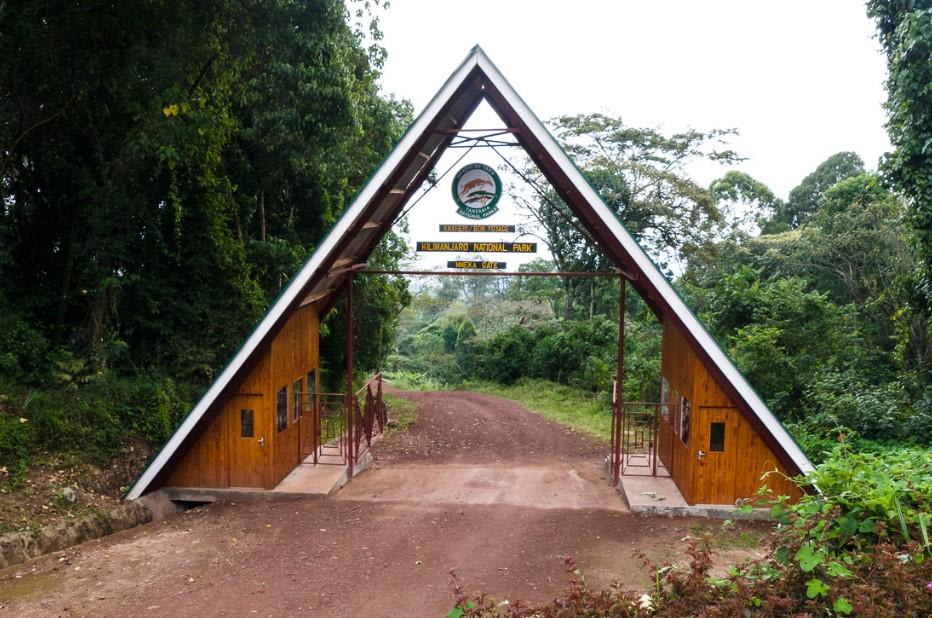
Fly to Kilimanjaro International Airport (JRO), then transfer by road to a registered Kilimanjaro trailhead near Moshi. Transfers to Marangu or Machame commonly take 1.5–3 hours, depending on the route and traffic. Uhuru Peak can only be reached on foot with a registered guide and support team over a multi-day trek.
Uhuru Peak is best for fit, well-prepared teenagers and adults who can manage a demanding high-altitude trek. Tanzania National Parks applies minimum-age rules for mountain climbing, and operators may set stricter age and health requirements. Families with younger children can visit Kilimanjaro's lower areas and choose a child-friendly Tanzania safari instead of attempting the summit.
Most travelers need 6–8 days to climb Uhuru Peak safely, including summit day and descent. A 7-day Machame or 8-day Lemosho itinerary usually provides more acclimatisation time than shorter schedules. Allow another 3–5 days if you want to add a northern Tanzania safari.
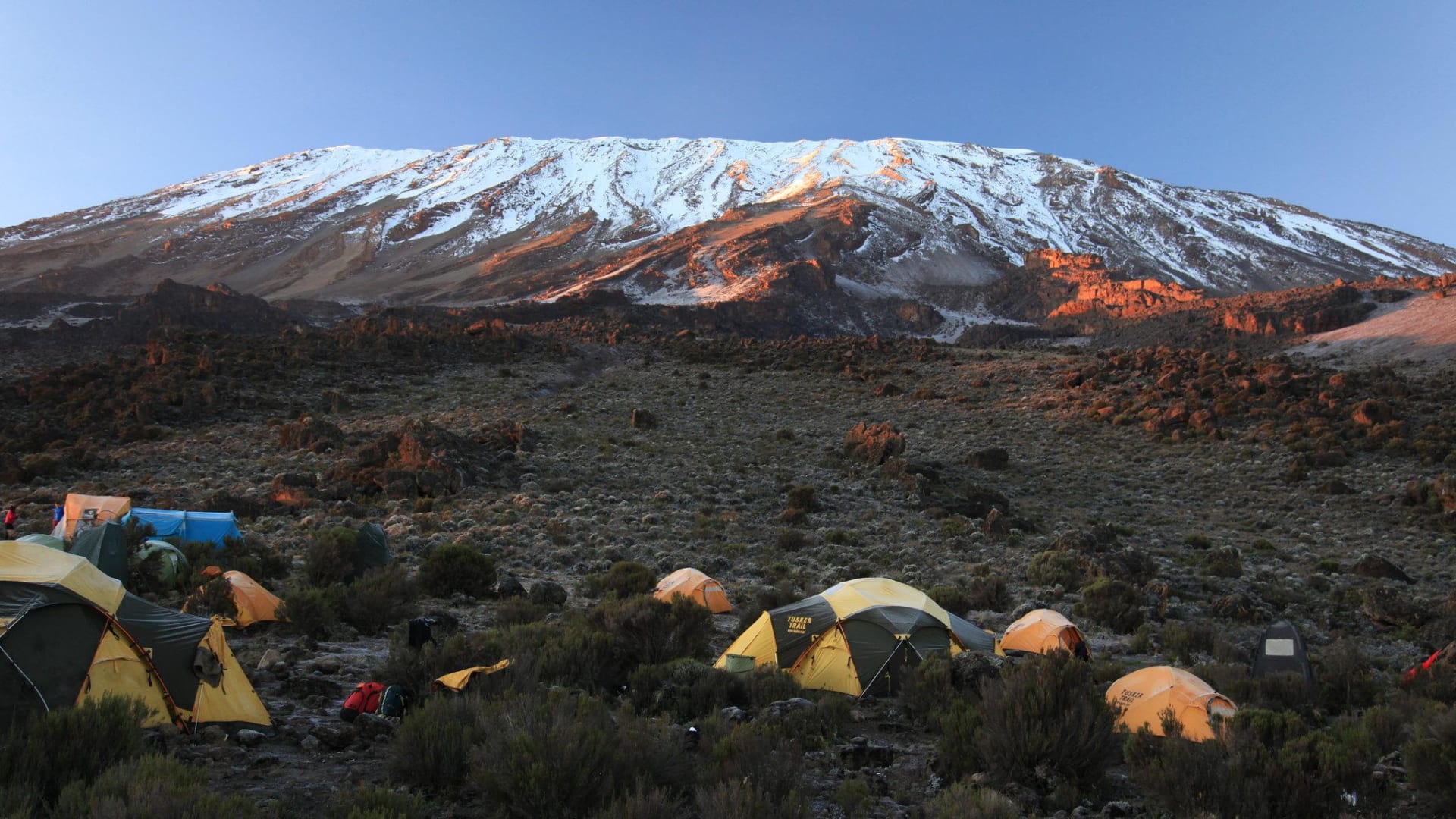
There are no lodges at Uhuru Peak. Climbers sleep in tents on most routes or in basic mountain huts on the Marangu Route, while Moshi offers hotels and lodges before and after the trek. Trek costs vary by route, private versus group departure, food, guide-to-climber ratio and equipment inclusions.
Uhuru Peak is worth visiting for travelers who want Africa's highest summit and a multi-day trek through rainforest, moorland and alpine desert. It is not a wildlife safari destination, but it works well as the active first half of a Tanzania trip followed by Serengeti, Tarangire or Ngorongoro wildlife viewing.
Yes. Climbers must use registered guides and support crews on Kilimanjaro, so independent self-guided ascent to Uhuru Peak is not permitted. Guides manage route logistics, daily health checks, altitude decisions, camp systems and emergency response.
Book Uhuru Peak as a guided Kilimanjaro climb, then add a Tanzania safari if you want wildlife viewing. Compare safari packages, read verified traveler reviews, and book through trusted operators on SafariFind.com. This lets you compare prices and find the best itinerary for your budget and interests.
© 2026 SafariFind. All rights reserved.
 Ask about this