 1 / 3
1 / 3🇹🇿 TanzaniaUNESCO site
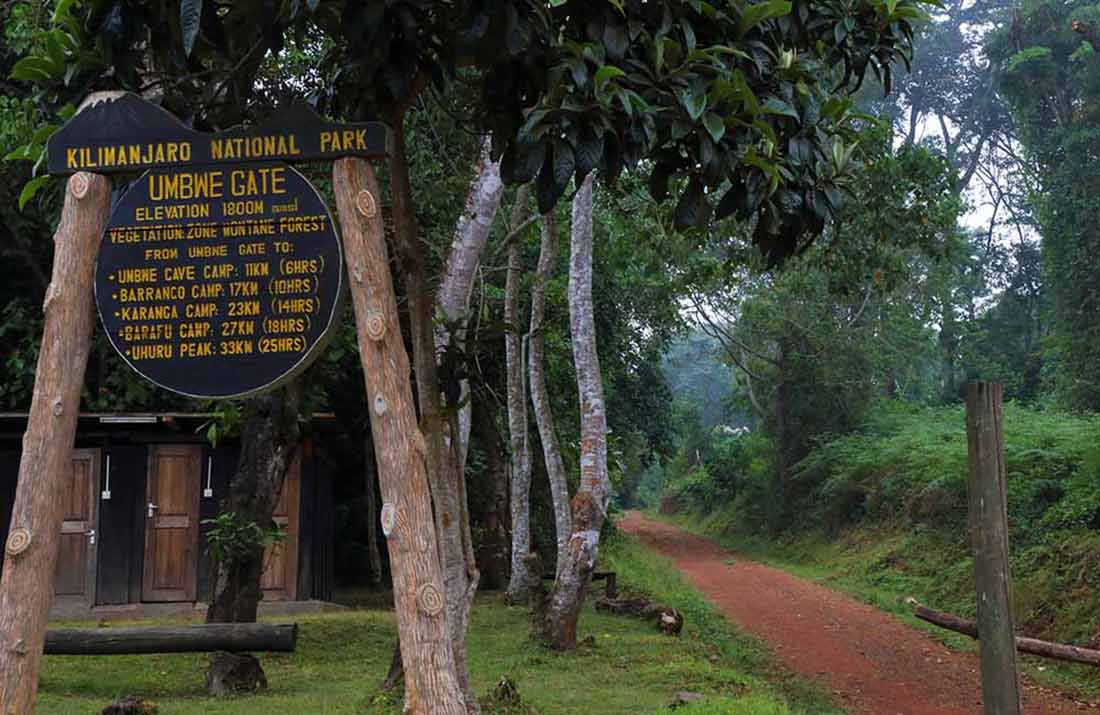
Umbwe Gate
Size
1,688 km²
Elevation
1,800 m
Entry fee
Loading SafariFind...
1 / 3Size
1,688 km²
Elevation
1,800 m
Entry fee
SafariFind app
Keep up with your inquiries and bookings, and message operators wherever you are.

$82
Ideal stay
6 days
Established
1973
Nearest airport
Kilimanjaro International Airport (JRO), 70 kilometers northeast; Arusha Airport (ARK), 95 kilometers north
Nearest town: Moshi, 30 kilometers north — the main gateway town for Kilimanjaro climbs with accommodation, equipment rental, and guide services
 6 daysPrivate
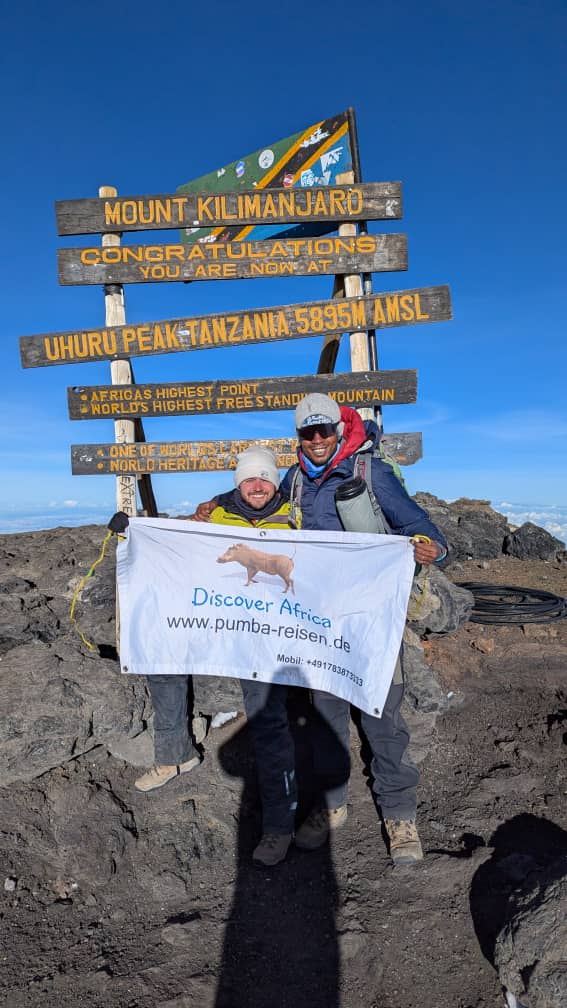
 Pumba Reisen
 6 daysPrivate
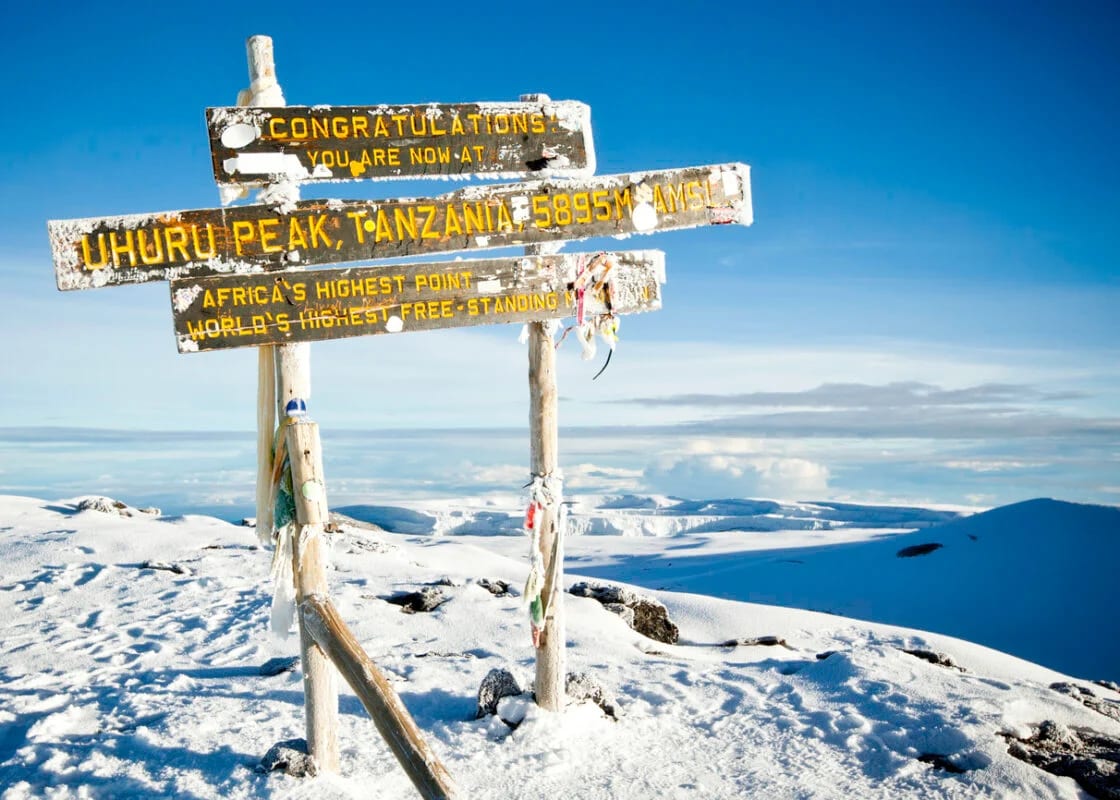
 Elia Safaris
 6 daysPrivate
 isale safaris company limited
Park entry fees cost $82 USD per person. A six-day Umbwe Route climb typically costs $1,500–$3,500 USD per person through verified operators, depending on group size, accommodation quality, and included services. Budget packages cost $1,500–$2,000; mid-range packages run $2,000–$2,800; luxury packages exceed $3,000. This includes park fees, guide and porter wages, meals, camping equipment, and transportation from Moshi. Additional costs: tips for guides and porters ($250+ recommended), travel insurance, international flights, and pre-climb accommodation in Moshi.
June through October (dry season) offers the best climbing conditions with clear skies, stable weather, and minimal rain. December through February (warm dry season) is secondary, though warmer and more crowded. Peak season is July–September with the most climbers and potential for longer waits; expect $200–$400 price premiums. Avoid March–May (long rains) and November (short rains) when trails are muddy, visibility is poor, and success rates drop. Off-peak months (January, February, June, November) have fewer climbers, lower costs, and shorter gate lines.
No. Umbwe Route is the steepest and most direct route on Kilimanjaro, with near-vertical ascents through rainforest and rapid altitude gain of 748.75 meters over six days. It is exclusively recommended for experienced high-altitude trekkers familiar with altitude sickness management and intense physical exertion. Beginners should choose the Marangu Route (gradual ascent with huts) or Machame Route (slower acclimatization profile). First-time Kilimanjaro climbers attempting Umbwe have significantly lower summit success rates due to inadequate acclimatization.
Lower forest zones (1,800–2,800m) host black-and-white colobus monkeys, olive baboons, African buffalo, and endemic bird species including the crowned eagle and Kilimanjaro tree hyrax. Alpine zones above 3,500m feature alpine chats, white-naped ravens, and mountain sunbirds endemic to Kilimanjaro. Large animals are rare on the route due to steep terrain; most sightings occur during the first day through rainforest. The route prioritizes mountain scenery and altitude experience over wildlife viewing; Serengeti and Ngorongoro safaris are better for large mammals.
From Moshi town (30 kilometers away), drive south on a fully paved road for approximately 45 minutes to Umbwe Gate. The road passes through agricultural areas and small villages. Most safari operators arrange all transportation from Kilimanjaro International Airport (70 km away, 1.5-hour drive) or Arusha (95 km away, 2.5-hour drive) to your Moshi accommodation, then to Umbwe Gate. Charter flights to Umbwe Airstrip are available but rarely used. Private transfers cost $50–$100 USD per vehicle; shared shuttles cost $15–$25 per person.
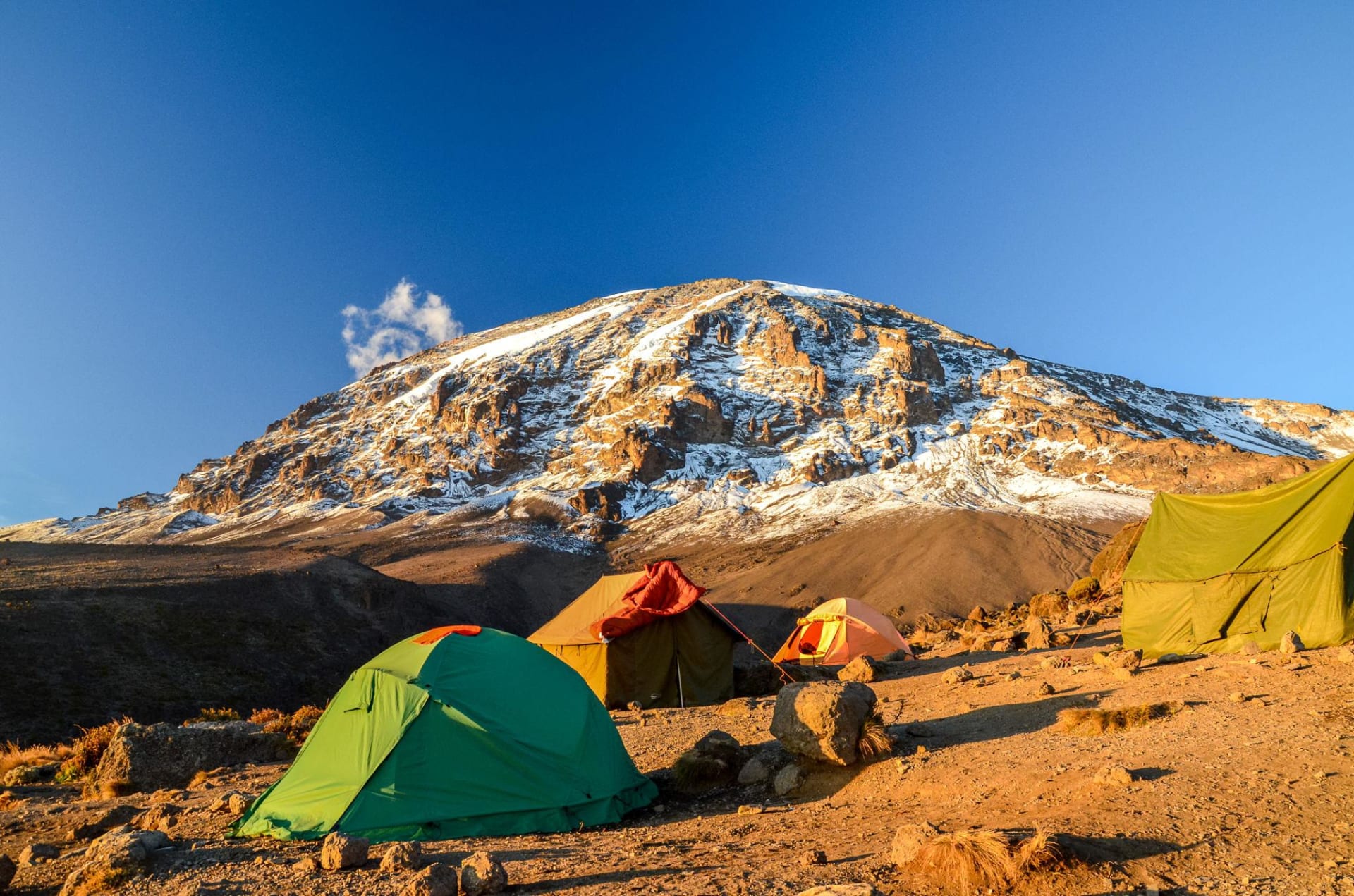
The standard Umbwe Route takes six days: Day 1 is the drive from Moshi to the gate; Days 2–6 are the climb itself. Day 2 ascends from Umbwe Gate (1,800m) to Umbwe Cave Camp (2,850m). Day 3 goes to Barranco Camp (3,950m). Day 4 reaches Karanga Camp (4,000m). Day 5 climbs to Barafu Camp (4,645m). Day 6 includes the summit attempt from Barafu at midnight, reaching Uhuru Peak (5,895m) at dawn, then descending to Mweka Hut (3,090m). Day 7 descends to Mweka Gate and returns to Moshi. Eight-day packages add a rest day in Moshi before or after the climb.
Climbers stay in wilderness camps (no permanent structures) with provided tents at: Umbwe Cave Camp (2,850m), Barranco Camp (3,950m), Karanga Camp (4,000m), and Barafu Camp (4,645m). All camps have pit toilets and water sources. Operators provide tents, sleeping bags, and sleeping pads. Pre-climb accommodation in Moshi ranges from budget hostels ($20–$40 per night) to mid-range hotels ($80–$150) to luxury lodges ($200+). Post-climb, return to Moshi for hot showers and celebratory dinners.
Yes, a guide is required by Kilimanjaro National Park regulations. Guides are experienced mountaineers trained in altitude sickness management, emergency protocols, and route navigation. Most operators employ 1 guide per 2–4 climbers. Guides are essential for safety at high altitude and for navigating complex terrain above Barranco Camp. Additional support staff include assistant guides and porters (typically 1 porter per climber). Self-guided climbing is prohibited; all climbs must be booked through licensed operators.
Umbwe Route is worth climbing if you are an experienced mountaineer seeking the shortest, most direct, and most challenging ascent of Kilimanjaro. It offers faster summit achievement than other routes and fewer crowds due to its difficulty. The intense rainforest section and rapid altitude gain provide an unmatched physical and mental challenge. However, it has lower summit success rates (60–65%) than Machame (75%) or Marangu (90%) due to limited acclimatization. Choose Umbwe only if you have previous high-altitude experience and seek a technical, demanding climb; otherwise, select a gentler route.
You can compare safari packages and book through verified operators on SafariFind.com, which connects you with licensed Kilimanjaro climbing companies. SafariFind allows you to read traveler reviews, compare pricing, and view detailed itineraries. Contact operators 2–3 months before your desired climb date to secure your spot, especially during peak season (July–September). Provide your fitness level, altitude experience, and preferred dates. Operators handle all logistics: permits, guides, porters, transportation, meals, and equipment. Payment typically requires a deposit (30–50%) with final payment due 30 days before departure.
© 2026 SafariFind. All rights reserved.
 Ask about this