Victoria Falls in Zambia: A Comprehensive Travel Guide
Overview & Location
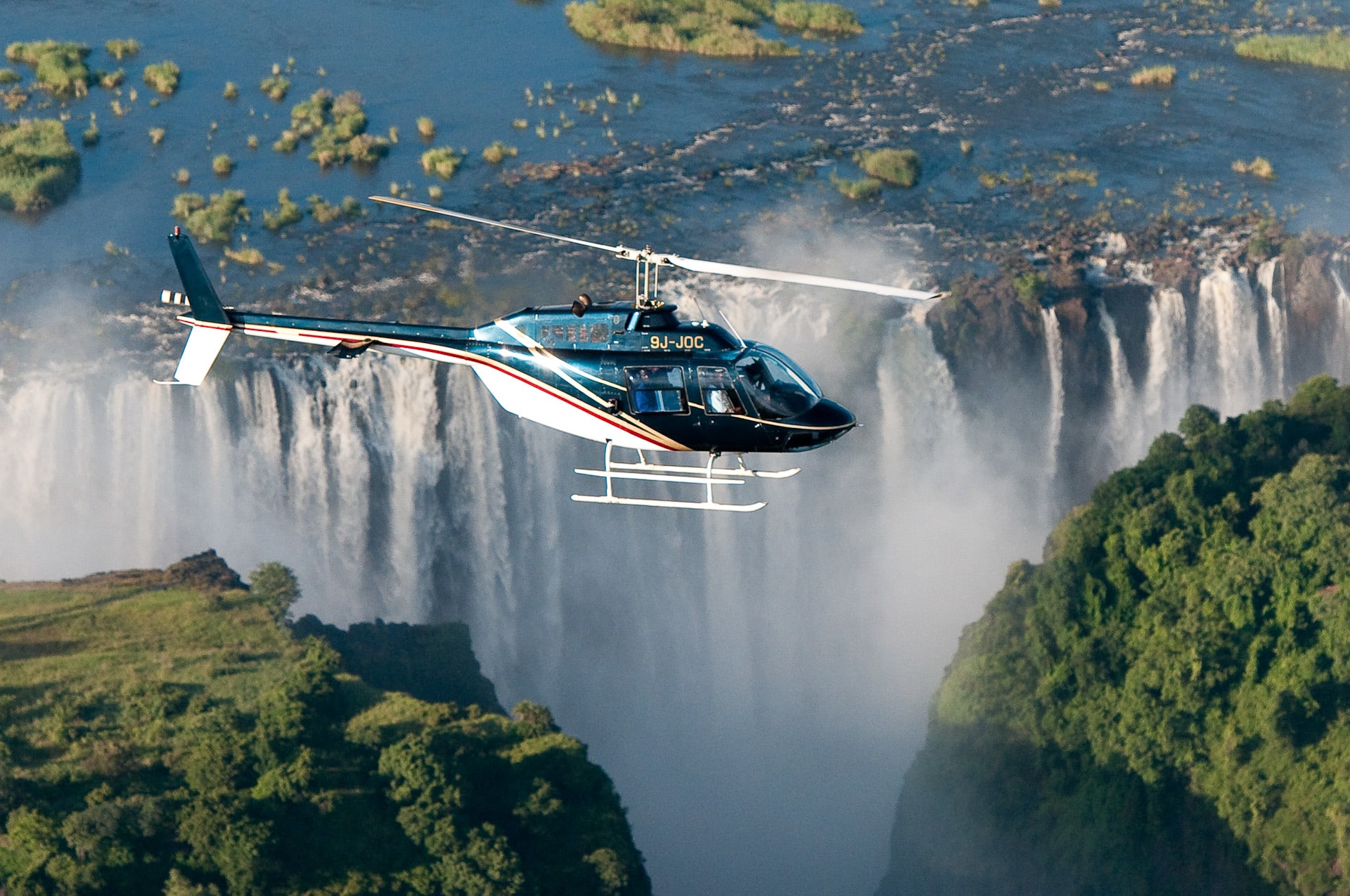
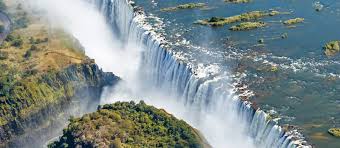
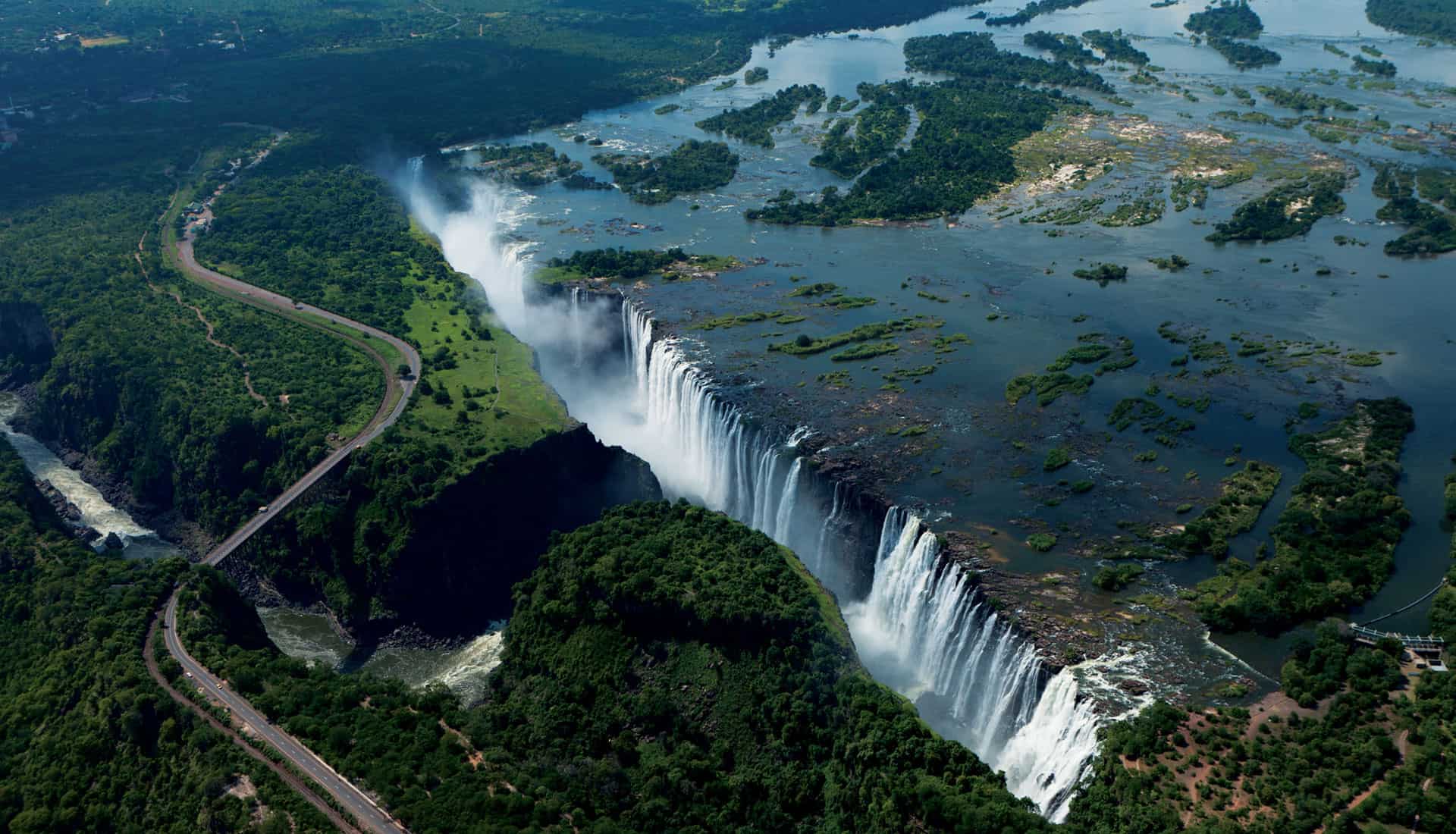
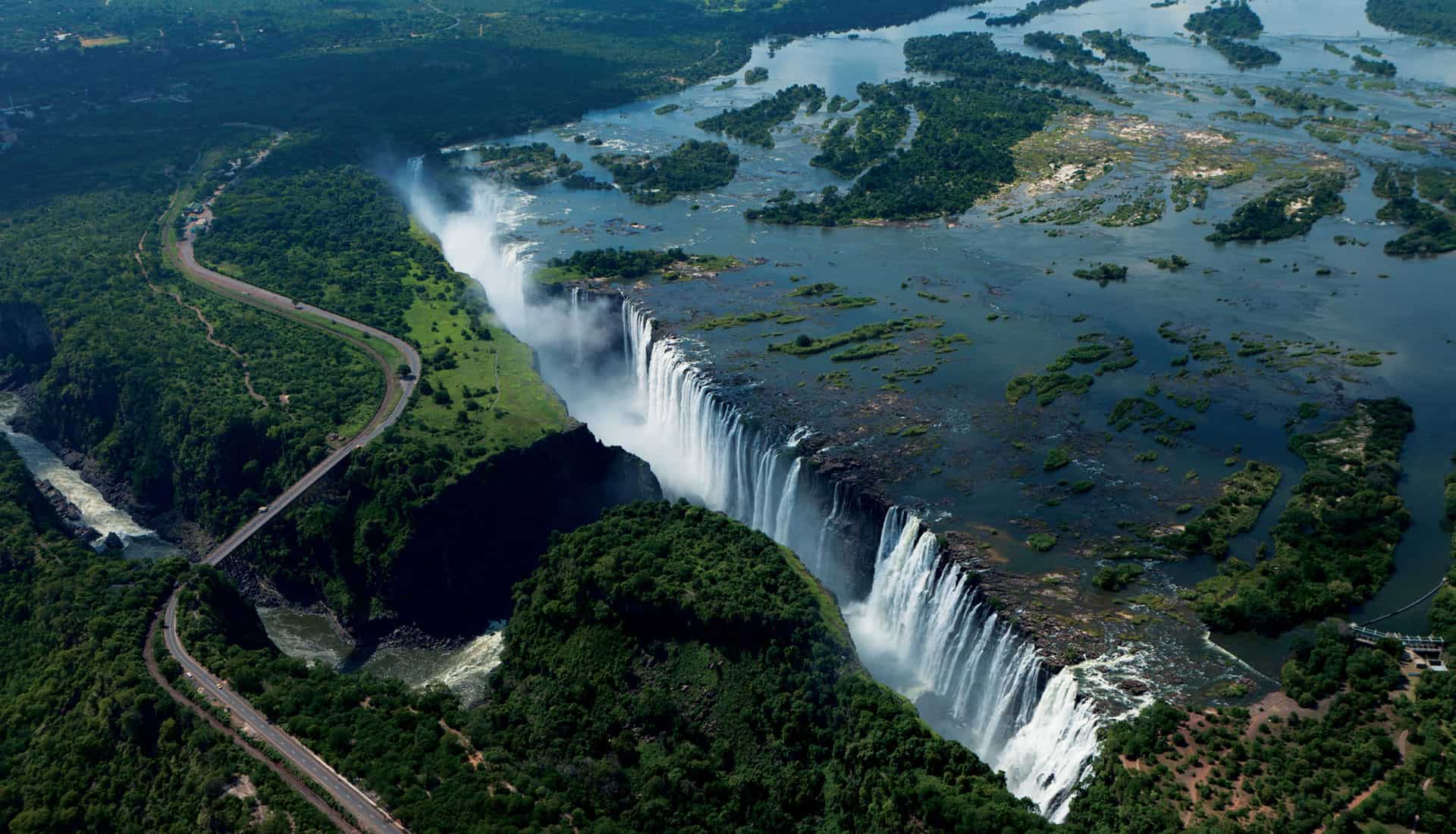
Victoria Falls, known locally as Mosi-oa-Tunya (meaning "The Smoke That Thunders"), stands as one of the Seven Natural Wonders of the World and represents the largest waterfall in the world. This magnificent cascade straddles the border between Zambia and Zimbabwe on the Zambezi River, with the Zambian side offering exceptional viewing opportunities and unique experiences.
The falls span approximately 1,700 meters in width with a maximum drop of 150 meters, creating one of nature's most awe-inspiring displays. The sheer volume and power of water plunging over the edge generates an impressive spray that can be seen from distances of up to 30 kilometers away on the Lusaka road in Zambia.
The site was discovered by European explorer David Livingstone in 1855, who named it after Queen Victoria and introduced it to the world. Today, it remains protected under the National Heritage Conservation Act (1998) and the Zambia Wildlife Act, with management provided by the Zambian Wildlife Authority of the Department of National Parks & Wildlife Service.
Wildlife & Natural Features
Flora and Fauna
The Mosi-oa-Tunya National Park represents a biodiversity hotspot in southern Africa. The spray from the falls nourishes surrounding forests, creating a unique ecosystem that supports an remarkable array of plant and animal life. The region is home to over 900 plant species, with the moist forest environment supporting vegetation that would not typically survive in the surrounding savanna.
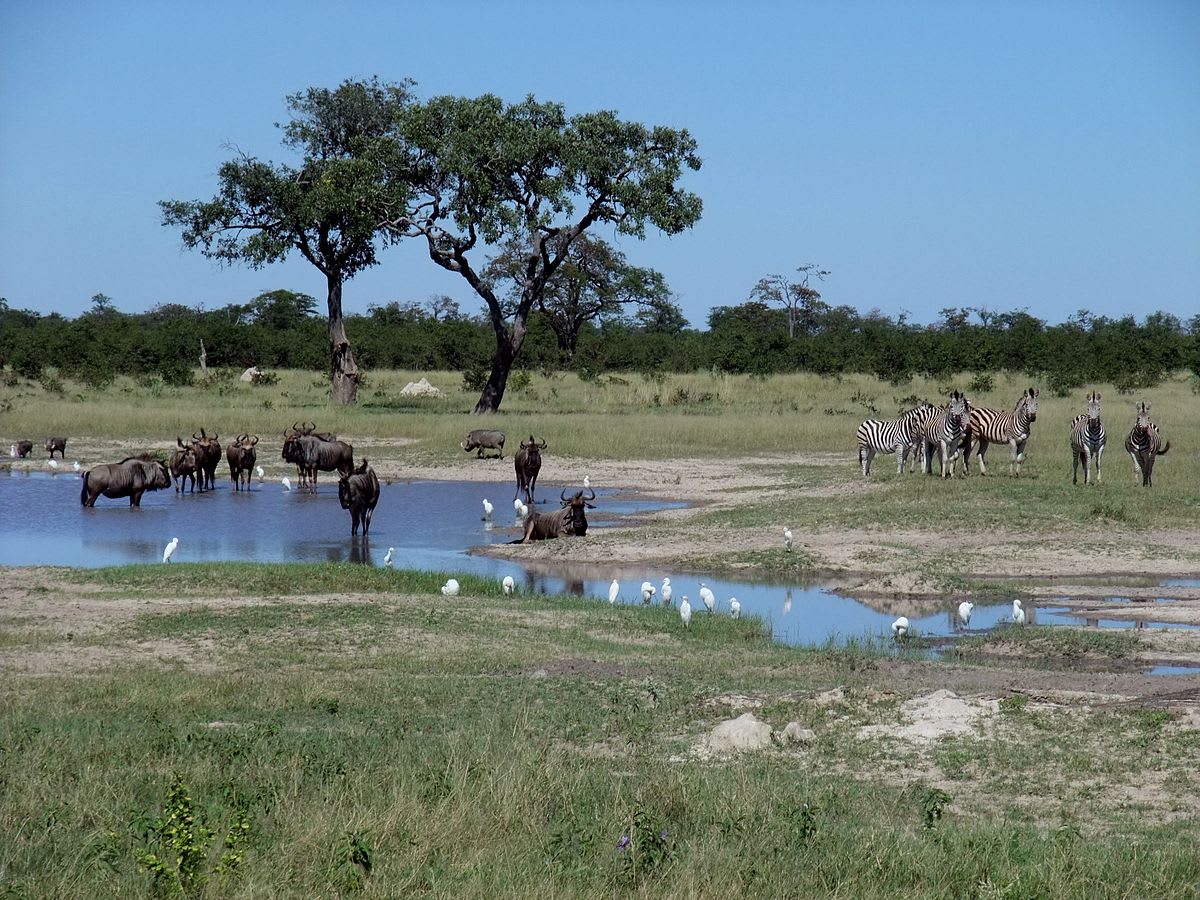
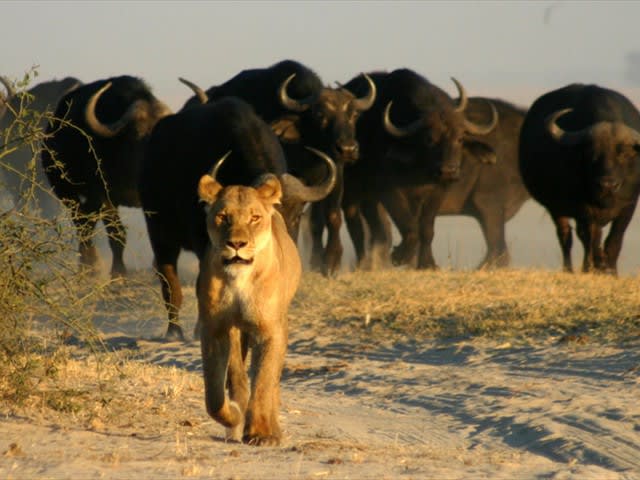
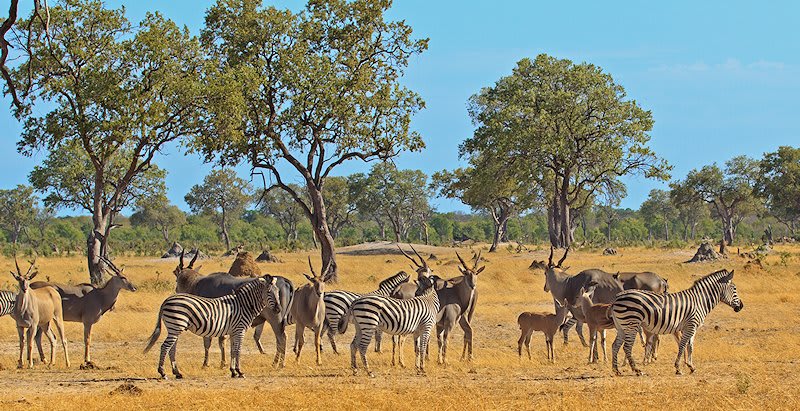
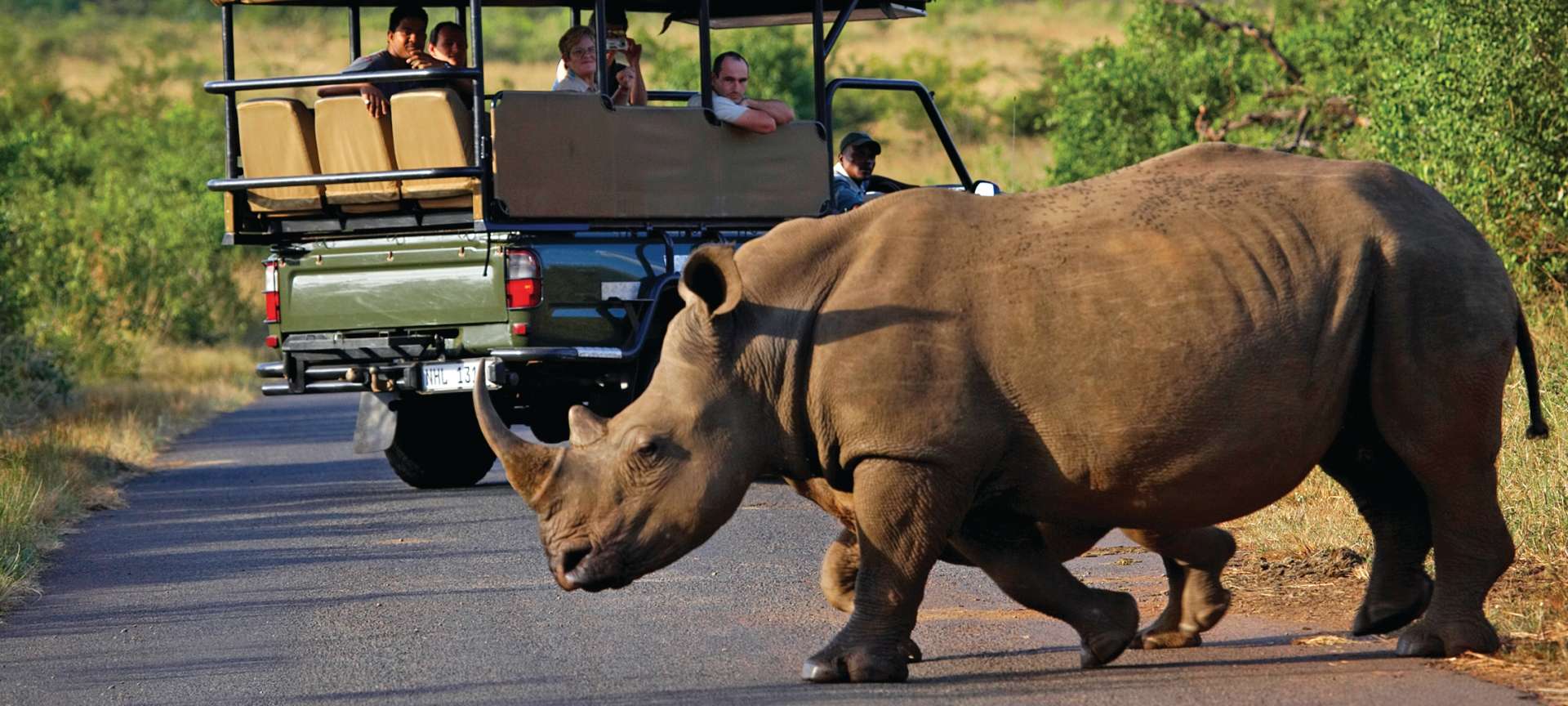
Wildlife viewing opportunities abound for visitors to the Zambian side. Common species include elephants, zebras, buffalo, giraffes, leopards, and lions. The area is particularly renowned for nocturnal wildlife viewing, with night drives offering excellent opportunities to spot leopards and other predators that hunt under cover of darkness.
Protected Areas and Management
The falls are bounded by three protected areas that serve as a buffering system for the main attraction. On the north side, the Dambwa Forest Reserve provides additional habitat protection. The Victoria Falls National Park on the Zambian side extends 6 kilometers above the falls to 12 kilometers below, creating a comprehensive conservation zone.
Best Time to Visit
The optimal visiting period depends on your preferences and interests. The dry season (August to November) offers excellent wildlife viewing as animals congregate near water sources, making safari experiences particularly rewarding. During this period, the landscape is clearer, and visibility for viewing the falls is excellent.
The wet season (December to April) transforms the landscape into a lush green environment, though water levels are higher and spray from the falls is more dramatic. This period is ideal for photographers seeking to capture the falls' power and the surrounding vegetation's vibrancy.
The shoulder seasons (May to July) provide a balance between comfortable weather and good wildlife viewing, making them an excellent choice for many visitors.
Activities & Experiences
Guided Falls Viewing
Private guides lead visitors to the best viewpoints within Victoria Falls National Park, providing expert interpretation of the geological and ecological significance of the site. These guided tours ensure you experience the falls from optimal vantage points and understand the natural forces that created this wonder.
Devil's Pool Swimming
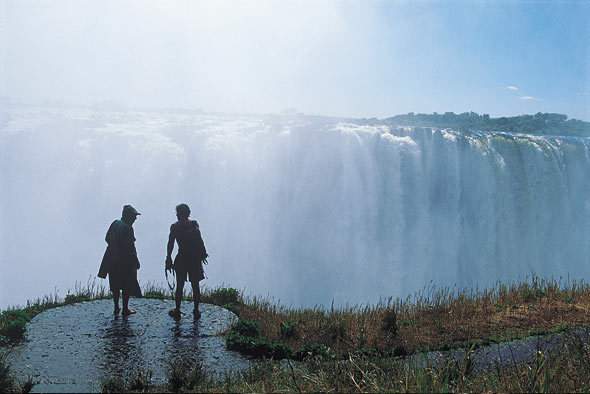
One of the most thrilling experiences available is swimming in the Devil's Pool, a natural rock pool situated at the edge of the falls themselves. This unique activity allows visitors to experience the falls from an intimate perspective while enjoying a refreshing swim in a safe, natural setting.
Safari Experiences
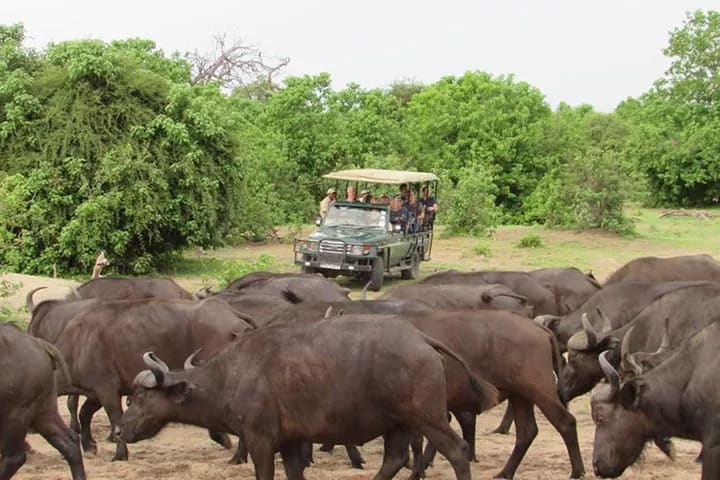
Morning safaris departing just after sunrise offer exceptional wildlife viewing opportunities. These three-hour game drives explore the lagoons and plains surrounding the falls, where visitors can observe elephants, zebras, buffalo, giraffes, leopards, and lions in their natural habitat. Afternoon safari sessions continue until after dark, providing opportunities to experience the park's nocturnal wildlife.
Bush Walks
Morning bush walks allow visitors to experience the landscape on foot with knowledgeable guides, offering a more intimate connection with the environment and opportunities to spot smaller wildlife and botanical features often missed from vehicles.
Getting There
Access Points
The town of Victoria Falls on the western side serves as the primary gateway to the Zambian falls experience. Most visitors access the area via the main highway from Livingstone or other Zambian towns.
Transportation Options
Visitors can arrange transportation through their accommodations or tour operators. Many lodges offer package deals that include park access and guided experiences. The journey from Lusaka provides spectacular views of the falls visible from the road as you approach.
Practical Information
Accommodation
The Victoria Falls area offers a range of accommodation options, from luxury lodges providing handpicked experiences to more budget-friendly options. Many lodges specialize in providing comprehensive packages that combine falls viewing with wildlife safari experiences, allowing visitors to experience the best that Zambia has to offer in a single trip.
What to Bring
Visitors should pack waterproof gear, as the spray from the falls can soak clothing and equipment. Sturdy walking shoes are essential for navigating the terrain around the falls and during safari activities. Binoculars enhance wildlife viewing experiences, and a good camera with protective covering is recommended for capturing images while dealing with water spray.
Health and Safety
Consult with your healthcare provider regarding vaccinations recommended for Zambia before traveling. The area is generally safe for tourists, though standard precautions should be observed. Always follow guide instructions during wildlife viewing and swimming activities for optimal safety.
Best Visitor Practices
Respect wildlife by maintaining appropriate distances and remaining quiet during safari drives. Stay on designated paths when viewing the falls to protect both yourself and the ecosystem. Support local communities by purchasing goods from local artisans and using locally-owned tour operators when possible.
Victoria Falls truly deserves its status as one of the world's natural wonders. Whether you're seeking adventure, wildlife encounters, or simply to witness nature's grandeur, the Zambian side of Victoria Falls offers an unforgettable African experience that will remain with you long after you leave.