 1 / 4
1 / 4 1 dayshared
1-Day Trip: Ngorongoro Crater Safari
by
Highlights
- Explore the world-famous Ngorongoro Crater, a UNESCO World Heritage Site
Loading SafariFind...
1 / 4by
A full-day adventure into the world-famous Ngorongoro Crater from Arusha.
Ngorongoro Crater
Year Round
Year-round
| Season | 2 people |
|---|---|
Year Round Year-round | $450 |
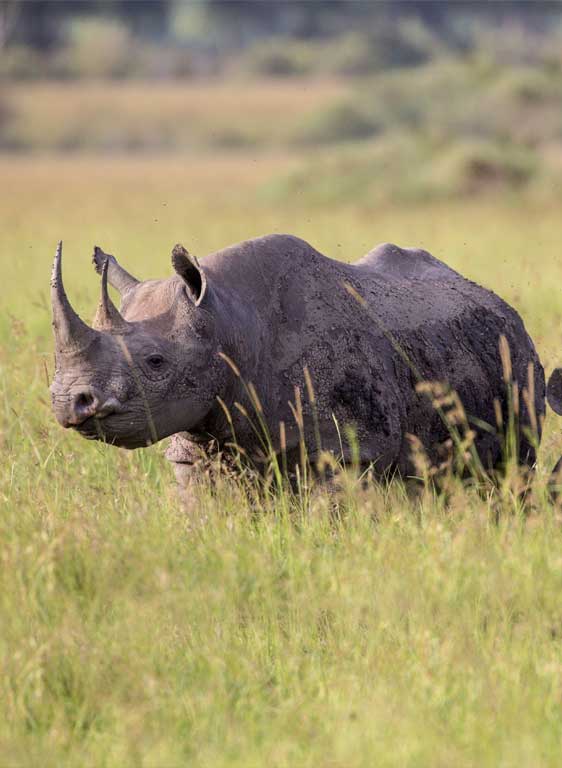
The Ngorongoro Crater is home to an exceptional concentration of wildlife, including the Big Five (lion, elephant, buffalo, leopard, and rhinoceros) along with zebras, wildebeest, hyenas, cheetahs, and numerous bird species. The crater's unique ecosystem supports one of the highest densities of predators in Africa, making it an incredibly rewarding destination for wildlife viewing. The year-round presence of water and grazing lands means animals remain in the crater throughout the seasons, offering consistent wildlife viewing opportunities regardless of when you visit.
Yes, a single day can provide a meaningful safari experience in the Ngorongoro Crater. The crater's compact size and high concentration of wildlife mean you can see a remarkable variety of animals in just one day. A full day allows for morning and afternoon game drives with a midday break, maximizing your chances of wildlife encounters. However, some travelers prefer 2-3 days to explore the crater more thoroughly and visit nearby attractions like the Olduvai Gorge or the Serengeti. A one-day trip is ideal if you have limited time but want a concentrated, high-quality safari experience.
The Ngorongoro Crater can be visited year-round, as wildlife remains present throughout all seasons thanks to permanent water sources and grazing lands within the crater. However, the best times are generally during the dry seasons: June to October (long dry season) and January to February (short dry season). During these periods, vegetation is sparse, making wildlife easier to spot, and roads are in better condition. The wet season (November to May) brings lush landscapes and excellent birdwatching, though game viewing can be slightly more challenging due to denser vegetation. Each season offers unique advantages depending on your priorities.
Pack neutral-colored, lightweight clothing suitable for warm days and cool mornings/evenings. Essential items include a wide-brimmed hat, sunscreen (SPF 50+), sunglasses, and a light jacket or sweater for early morning drives. Bring binoculars for better wildlife viewing and a camera with extra batteries and memory cards. Comfortable, closed-toe hiking boots are recommended for walking around the crater rim. Other essentials include insect repellent, any personal medications, a reusable water bottle (bottled water is provided during game drives), and toiletries. Consider bringing a small backpack for day trips and a waterproof bag to protect electronics during occasional rain.
Pricing for a Ngorongoro Crater safari varies depending on the operator, accommodation level, and season, but typically ranges from $400 to $1,500+ per person for a one-day trip. The package includes park entrance fees, meals, professional guiding, vehicle, and transfers, which significantly adds value. Budget-friendly options start around $400-600, mid-range packages run $600-1,000, and luxury experiences can exceed $1,500. Additional costs to budget separately include international airfare, travel insurance, visa fees, tips for your guide, and any optional activities. Booking during shoulder seasons (April-May or November) can sometimes offer better rates than peak season.
Visa requirements depend on your nationality and current Tanzanian immigration policies. Most international visitors require a visa to enter Tanzania, which can be obtained on arrival at major airports, through an embassy in advance, or increasingly through online e-visa systems. It's essential to check the official Tanzanian immigration website or contact your nearest Tanzanian embassy well before your trip, as requirements and processes change periodically. Many tour operators can provide guidance on visa procedures. Additionally, ensure your passport is valid for at least six months beyond your intended travel dates. Some nationalities may be exempt from visa requirements, so verification is crucial.
Vaccination requirements and recommendations for Tanzania vary by your home country and medical history. Yellow fever vaccination is often recommended (and may be required if traveling from certain countries), and vaccinations for typhoid, hepatitis A, and routine immunizations are typically advised. Malaria prophylaxis is strongly recommended for the Ngorongoro region, and you should consult with a travel medicine specialist or your doctor at least 4-6 weeks before departure. They can assess your individual risk factors and provide personalized recommendations. Additionally, ensure your routine vaccinations (MMR, tetanus, etc.) are up to date. Travel insurance that covers medical evacuation is also highly recommended for remote safari areas.
The Ngorongoro Crater is approximately 190-210 kilometers (120-130 miles) from Kilimanjaro International Airport (KIA), the main entry point for international travelers visiting northern Tanzania. The drive typically takes 3.5 to 4.5 hours depending on road conditions and traffic. Most safari packages include airport transfers, so you'll be picked up and driven directly to your accommodation or safari starting point. Alternatively, some travelers fly into Arusha Airport, which is closer (about 120 km away with a 2-3 hour drive). Organizing transfers in advance through your safari operator ensures a smooth transition from the airport to your safari experience.
The Ngorongoro Crater is a massive volcanic caldera in northern Tanzania, often called 'Africa's Garden of Eden.' It's a UNESCO World Heritage Site and one of the world's most extraordinary natural landscapes. What makes it special is its unique ecosystem: the crater floor spans about 260 square kilometers and is largely enclosed by steep walls, creating a self-contained environment where wildlife thrives year-round. The crater supports an unusually high density of predators and prey in a compact area, offering exceptional wildlife viewing opportunities. The combination of stunning scenery, geological significance, and reliable wildlife encounters makes it one of Africa's most sought-after safari destinations. The crater's permanent water sources and diverse habitats support an estimated 25,000 large animals.
Yes, most comprehensive safari packages to the Ngorongoro Crater include three meals daily: breakfast, lunch, and dinner. Breakfast is typically served before your early morning game drive, lunch is enjoyed during a midday break (often with scenic views), and dinner is provided at your accommodation. Meals are generally prepared to accommodate various dietary preferences and restrictions, though it's important to communicate any special dietary needs when booking. Bottled water is provided during game drives to keep you hydrated. However, alcoholic beverages are typically not included and must be purchased separately. If you have specific dietary requirements (vegetarian, vegan, allergies, etc.), inform your operator in advance to ensure appropriate meal arrangements.
 Pumba ReisenArusha, Tanzania
© 2026 SafariFind. All rights reserved.
